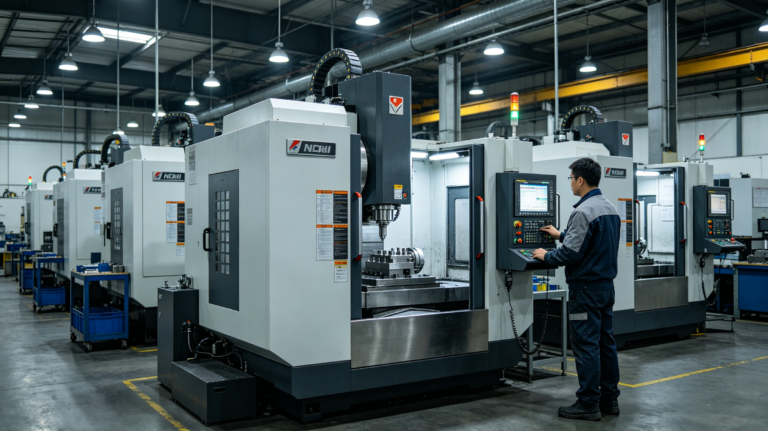
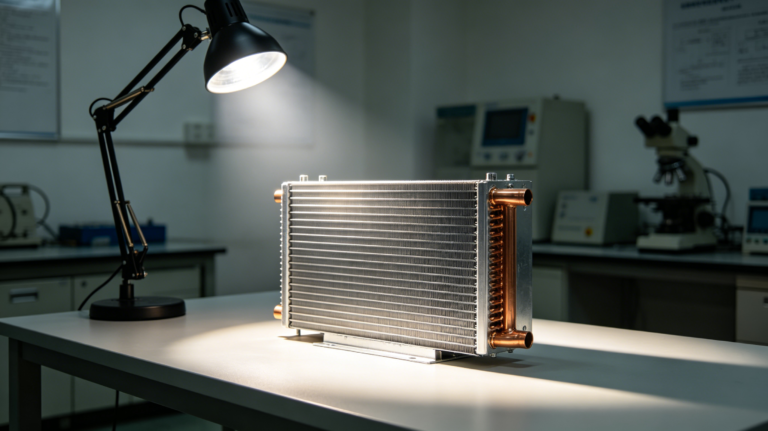
Can PVD Vacuum Coating Improve the Wear Resistance of Automotive CNC Milled Parts?
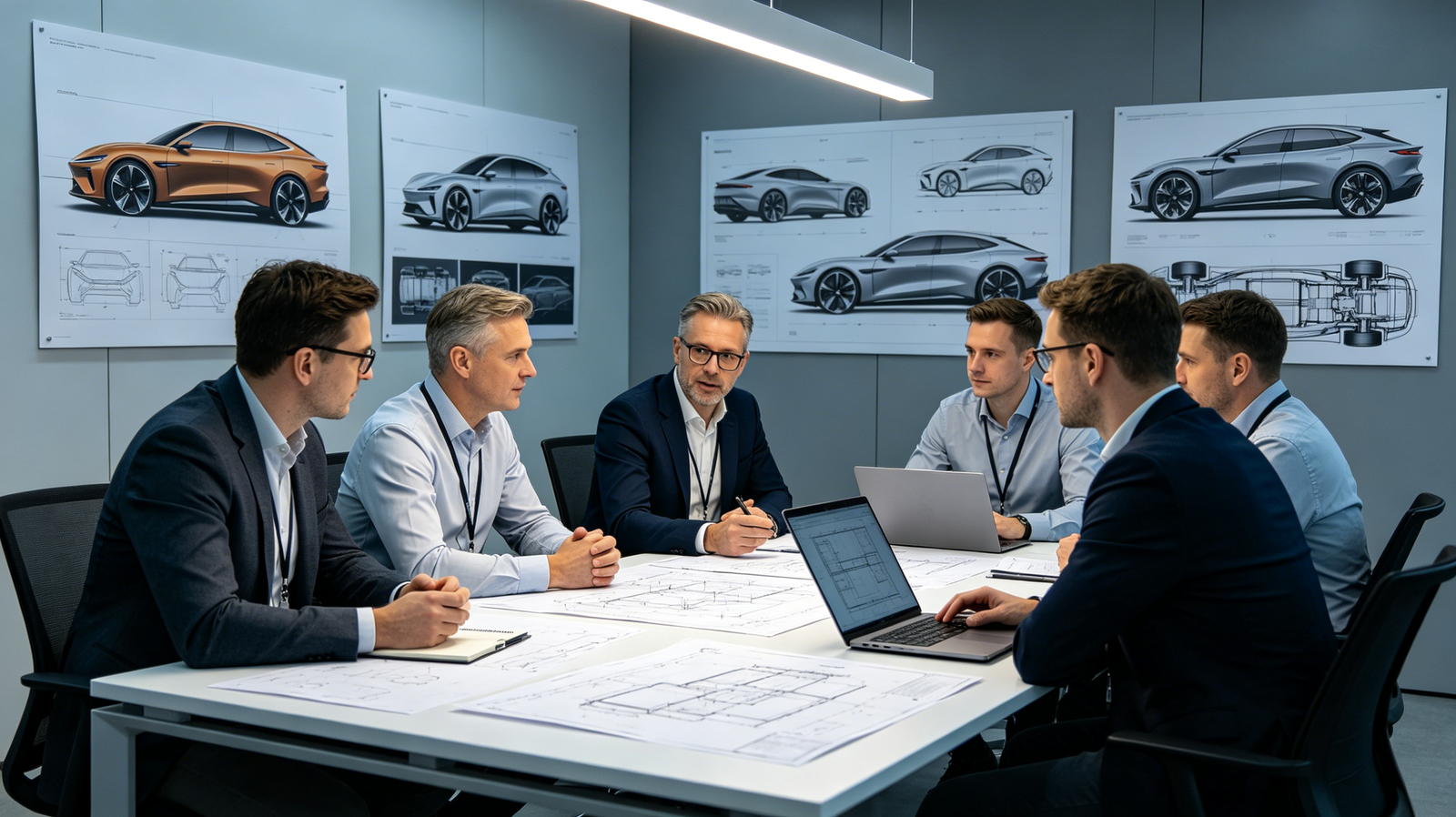
As the automotive industry continues to demand longer service life, higher durability, and improved appearance quality, more buyers are paying attention to the value that surface finishing processes bring to CNC machined components. PVD vacuum coating has become a widely adopted surface enhancement technology for automotive structural parts, decorative components, and functional assemblies.
Through years of automotive manufacturing projects at Xiamen Ruicheng, we have observed that properly applied PVD coatings not only improve surface performance but also help customers reduce maintenance and replacement costs over the product lifecycle. For automotive components exposed to continuous friction and wear, PVD coating has become an effective solution for improving overall performance and reliability.
Why Does PVD Vacuum Coating Improve the Wear Resistance of CNC Milled Parts?
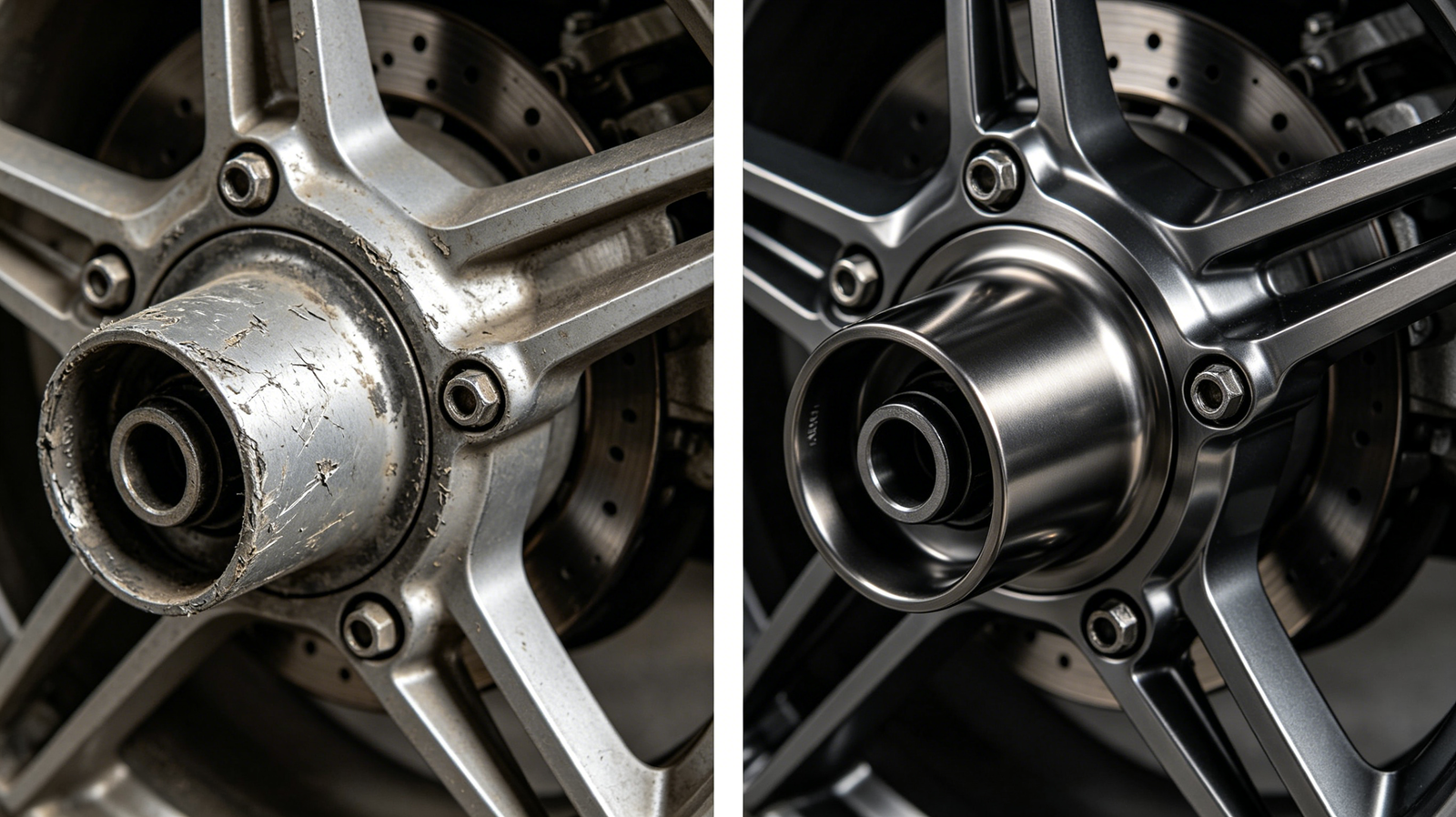
Automotive CNC milled parts are frequently exposed to friction, particle impact, and demanding operating conditions that accelerate wear. By applying PVD vacuum coating, a high-hardness protective layer is formed on the component surface, significantly reducing wear rates and extending service life. After proper coating treatment, surface hardness can increase substantially, resulting in improved scratch resistance and wear protection. For automotive transmission systems, control mechanisms, and decorative components, these performance gains often translate directly into longer operational life and more stable product performance.
Increased Hardness: The coating forms a durable protective layer that slows down surface degradation.
Reduced Friction: Lower friction coefficients help minimize energy loss between moving components.
Surface Protection: The coating shields the substrate from abrasive particles and environmental damage.
Extended Service Life: Improved wear resistance supports long-term reliability under demanding conditions.
🔧 PVD coatings enhance wear resistance by creating a high-hardness protective barrier.
Which Automotive CNC Milled Parts Are Suitable for PVD Vacuum Coating?
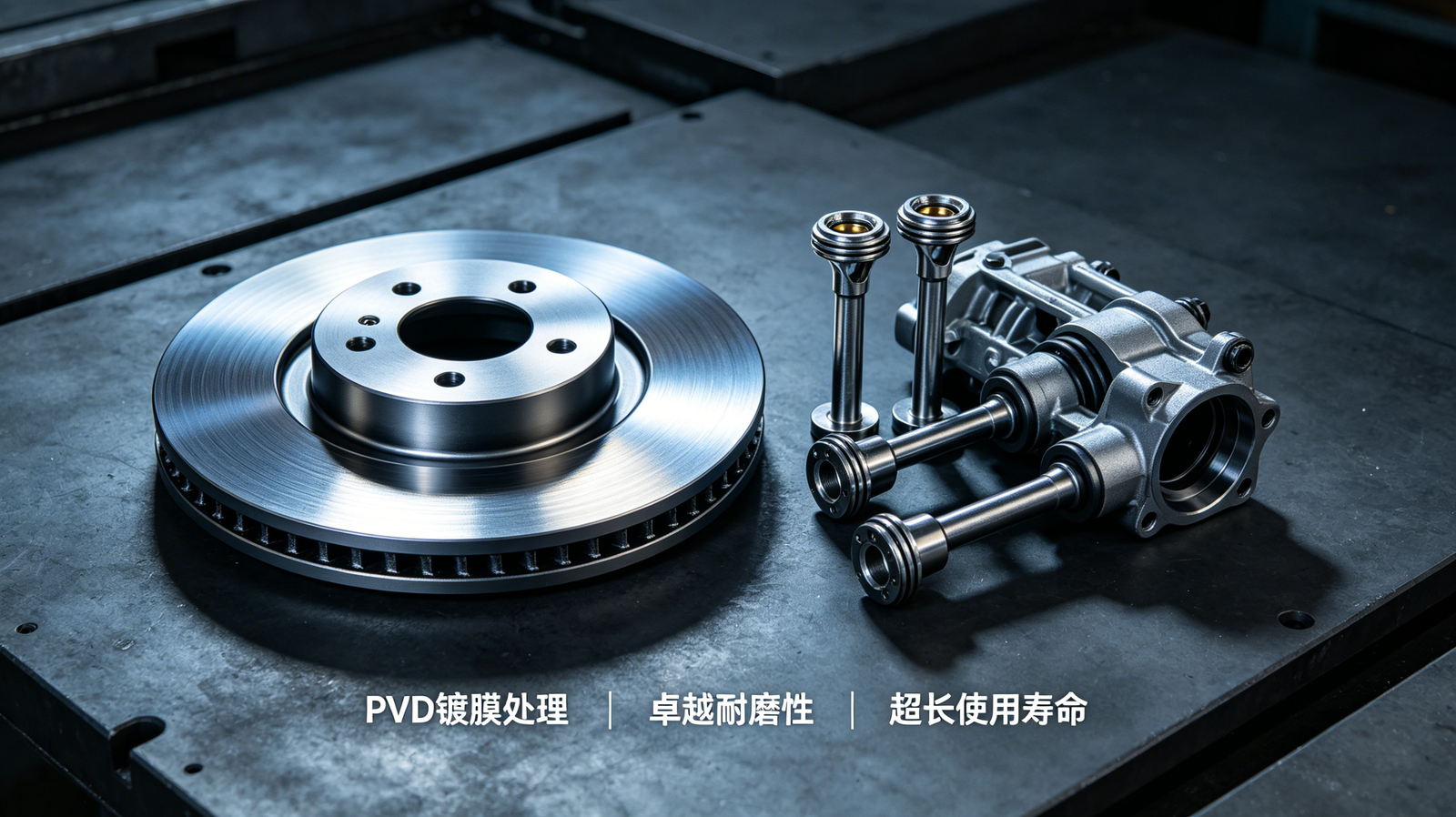
Not every automotive component requires PVD treatment, but parts exposed to continuous friction, frequent movement, or premium appearance requirements can benefit greatly from this technology. Components manufactured through automotive component production processes, including structural parts, connectors, and functional assemblies, can achieve enhanced performance through PVD coating technology. Selecting the right parts for coating often delivers the best return on investment. At Xiamen Ruicheng, we evaluate each application individually and recommend coating solutions based on real operating conditions.
Moving Components: Areas subjected to repeated contact and friction benefit most from coating protection.
Decorative Parts: PVD coatings provide both wear resistance and premium metallic finishes.
Connection Mechanisms: Reduced wear helps maintain dimensional stability during long-term operation.
Functional Assemblies: Critical components gain improved reliability and performance consistency.
🚗 Applying PVD coating to the right components maximizes both performance and value.
How Can You Determine Whether a PVD Coating Solution Fits Your Project?
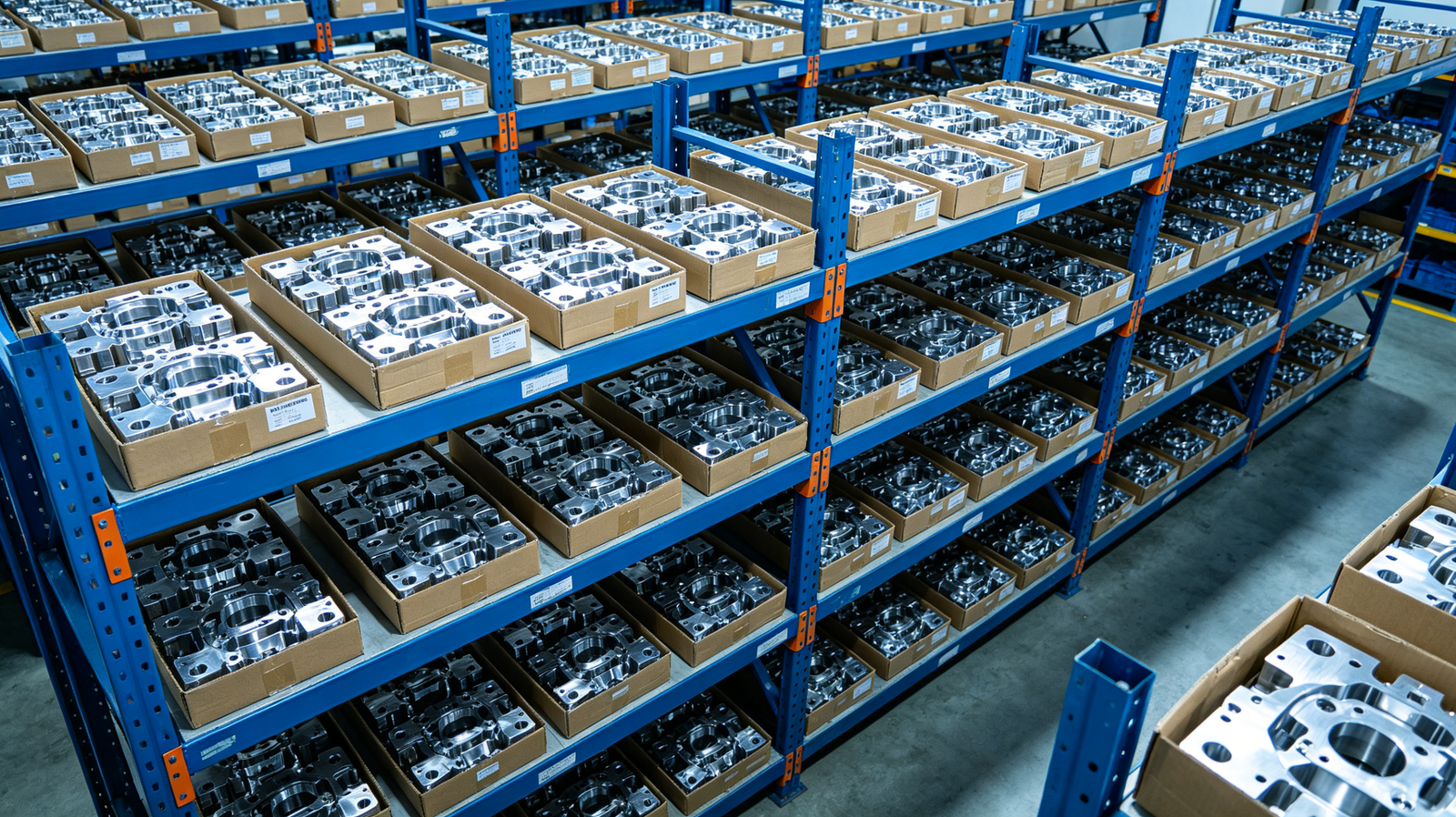
Modern automotive procurement decisions require more than machining precision alone. Buyers increasingly evaluate wear resistance, corrosion protection, and long-term ownership costs when selecting suppliers. By assessing component materials, operating environments, and durability targets, manufacturers can determine the true value of a PVD coating solution while optimizing overall CNC machining performance. The right combination of machining and coating technologies helps customers achieve the optimal balance between performance and cost. Xiamen Ruicheng supports customers throughout the process, from design review to complete surface engineering solutions.
Operating Condition Analysis: Understanding wear mechanisms helps identify suitable coating strategies.
Material Compatibility: Different substrates require specific coating systems for optimal results.
Lifetime Objectives: Performance targets guide the selection of coating thickness and composition.
Cost Optimization: Proper engineering avoids unnecessary processing expenses.
⚙️ Successful PVD implementation begins with a thorough evaluation of real application requirements.
Comparison of PVD Coating and Other Surface Treatments
| Comparison Item | PVD Coating | Anodizing | Electroplating | Painting |
|---|---|---|---|---|
| Surface Hardness | Very High | Medium | High | Low |
| Wear Resistance | Excellent | Good | Good | Moderate |
| Appearance Quality | Premium | Standard | Good | Flexible |
| Environmental Performance | Excellent | Good | Moderate | Moderate |
| Service Life | Long | Medium | Medium | Short |
| Automotive Applications | Extensive | Extensive | Common | Common |
If you are evaluating long-term wear-resistant solutions for automotive CNC milled parts, contact Xiamen Ruicheng for professional engineering support and process recommendations: contact us
Why More Automotive Projects Are Choosing PVD Coating Solutions
As electric vehicles, smart mobility systems, and premium automotive products continue to evolve, manufacturers demand higher reliability and longer-lasting components. PVD vacuum coating not only improves wear resistance but also enhances product aesthetics and brand value while reducing maintenance costs over time. For automotive projects focused on long-term quality and durability, PVD coating has evolved from an optional enhancement into a competitive advantage. Xiamen Ruicheng provides integrated manufacturing and surface finishing solutions, supporting customers from prototype development through full-scale production.
1.Longer Service Life: Reduced wear leads to improved durability and component longevity.
2.Enhanced Product Quality: Superior appearance and performance elevate overall product value.
3.Lower Maintenance Costs: Reduced replacement frequency lowers operational expenses.
4.Stronger Market Competitiveness: Better-performing products gain greater customer confidence.
Frequently Asked Questions About Automotive CNC Milled Parts with PVD Coating
What are the core advantages and quality standards of your automotive CNC milled parts with PVD coating?
Xiamen Ruicheng combines precision CNC machining with advanced PVD coating technologies. Critical dimensions are inspected throughout production, while coating performance is verified through hardness testing, adhesion testing, and surface quality inspections. This comprehensive quality system ensures reliable long-term performance in demanding automotive applications.
What information should we provide to receive a quotation quickly?
Customers can submit 2D drawings, 3D models, material specifications, surface treatment requirements, and estimated order quantities. Our engineering team reviews the information, performs manufacturability analysis, and provides detailed quotations along with optimization recommendations.
What are your minimum order quantities and delivery lead times?
Prototype quantities are supported for product validation, while production orders are scheduled according to project volume and complexity. Standard lead times vary depending on machining requirements and coating specifications. Xiamen Ruicheng maintains stable production capacity and can support urgent project requirements when necessary.
What happens if quality issues or delivery delays occur?
Xiamen Ruicheng operates a comprehensive quality traceability and after-sales support system. Any reported issue is investigated immediately, root causes are identified, and corrective actions are implemented to protect project schedules and customer interests.
Can you provide customized solutions for special application requirements?
Yes. We support customized material selection, structural optimization, specialized surface treatments, and complete manufacturing solution development. Customers simply provide their operating conditions and performance objectives, and our engineering team will develop a tailored solution.
Conclusion
Whether automotive CNC milled parts require PVD vacuum coating depends on the operating environment and performance objectives of the application. For components exposed to long-term friction, wear, or premium appearance requirements, PVD technology provides significant advantages. A properly engineered PVD coating solution can improve wear resistance, enhance product reliability, and strengthen market competitiveness. Xiamen Ruicheng delivers one-stop engineering and manufacturing support from design evaluation through mass production, helping customers achieve successful project outcomes.
For expert assistance in implementing solutions for your production needs, visit our resource center or contact us. Let’s help you scale up your manufacturing with precision and efficiency!