Introduction
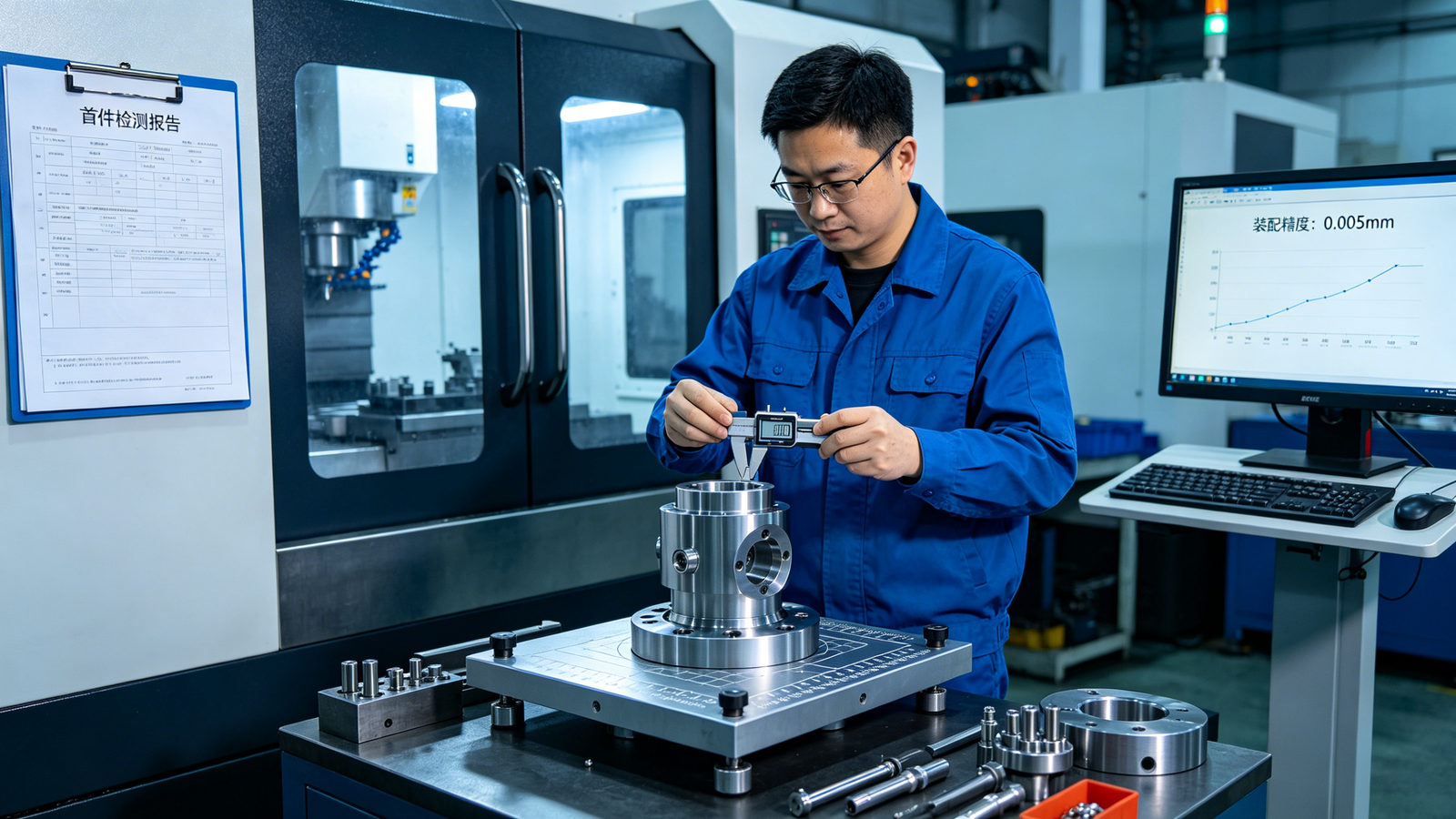
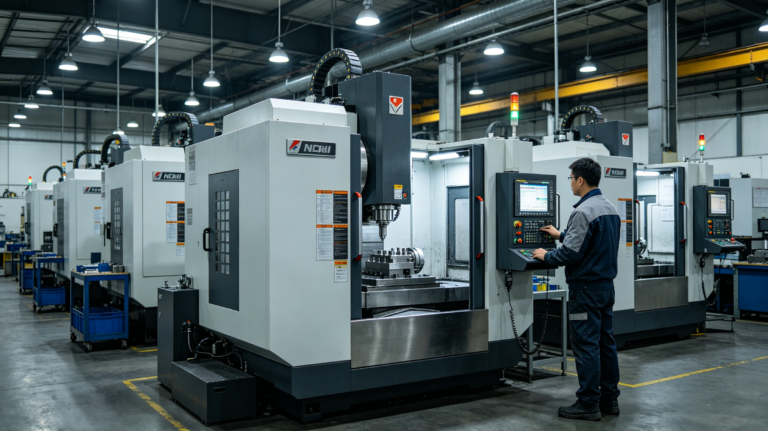
CNC precision milling parts play a critical role in automation equipment, medical devices, and high-end industrial systems, where structural accuracy and assembly reliability are non-negotiable. In real production environments, Xiamen Ruicheng has observed that a significant portion of assembly and appearance defects originates from insufficient burr control during machining and post-processing stages. Uncontrolled burr formation is one of the earliest hidden risks that can compromise final product reliability.
Edge finish quality is not only a cosmetic requirement but also a functional parameter that affects stress concentration, part mating, and long-term durability. In precision procurement decisions, buyers increasingly evaluate suppliers based on edge consistency rather than nominal machining accuracy alone. Edge smoothness has become a decisive factor in evaluating CNC machining capability.
Can Burr Residue in CNC Precision Milling Parts Affect Assembly Accuracy and Equipment Lifespan?

Burr formation during CNC milling operations is a natural byproduct of material removal processes such as CNC milling, but its control level directly determines assembly performance and mechanical stability. Burrs left on functional surfaces can lead to interference fits, misalignment, and uneven load distribution. Xiamen Ruicheng integrates multi-stage deburring strategies combined with in-process inspection to ensure consistent burr control across batches. Even microscopic burr residues can escalate into functional assembly failures under high-precision conditions. Deburring methods vary significantly depending on geometry and production volume, and improper selection can introduce secondary defects.
Process Selection: Mechanical deburring is efficient for batch production but limited in complex geometries.
Dimensional Impact: Burr residues may alter tolerance fit and cause mechanical binding.
Inspection Method: Requires combined visual, tactile, and microscopic verification.
Industrial Requirement: High-end automation systems often require near burr-free surfaces.
⚙️ Burr control directly determines assembly reliability and operational stability
Does Insufficient Edge Finish Affect Product Appearance Consistency and Market Acceptance?
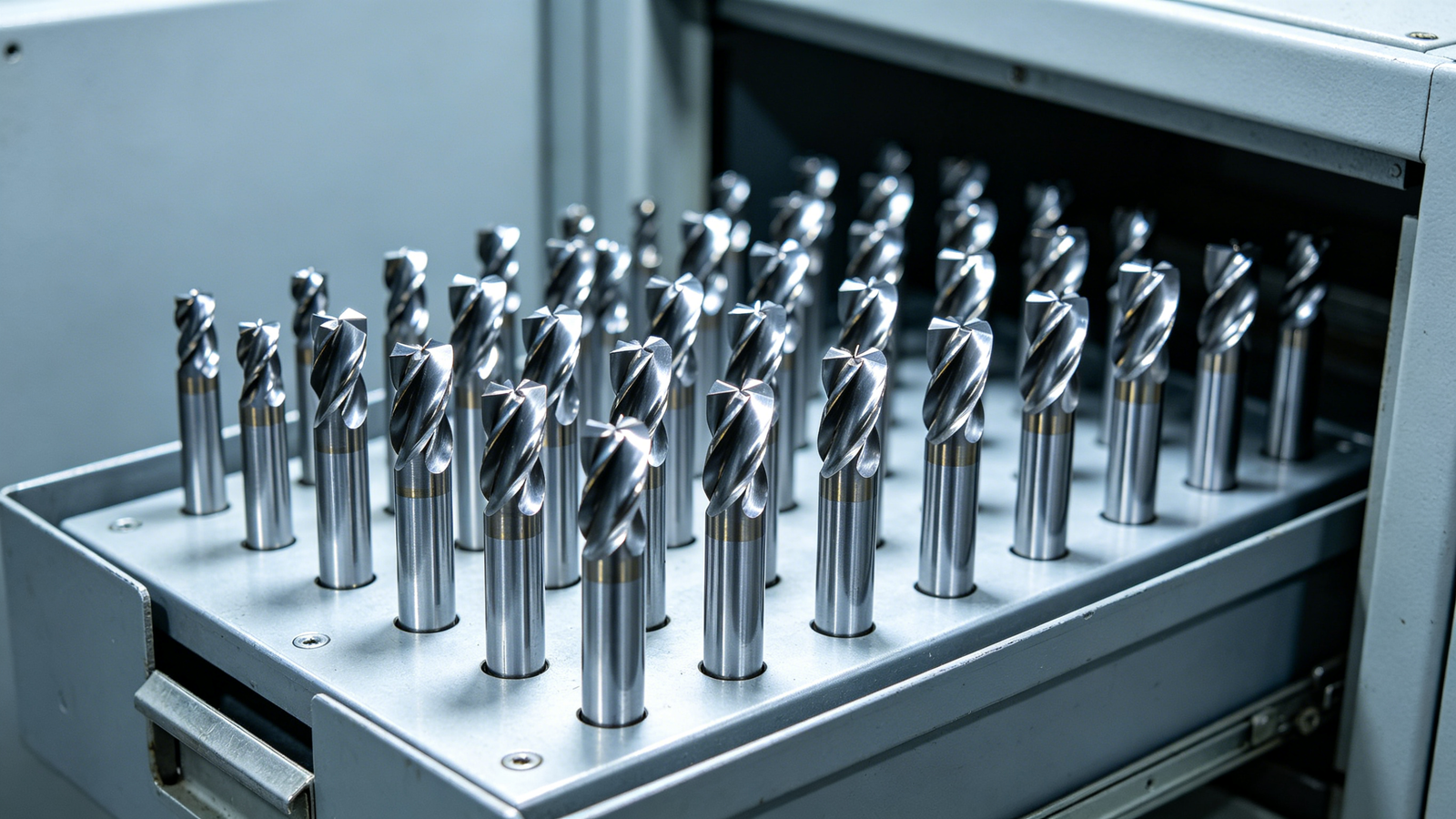
In CNC precision machining, edge finish quality is a critical aesthetic and functional parameter, especially for consumer electronics, optical housings, and medical enclosures. Xiamen Ruicheng improves edge uniformity through optimized toolpath strategies and secondary finishing processes, ensuring smooth transitions without visible machining marks. Inconsistent edge finishing significantly reduces perceived product quality in competitive markets. In procurement evaluation, edge quality is often assessed through both visual inspection and tactile feedback, making it a direct indicator of supplier capability.
Visual Consistency: Smooth edges enhance perceived product value.
Tactile Experience: Edge quality directly influences user perception.
Tool Wear Influence: Dull tools significantly degrade surface finish quality.
Acceptance Standards: Ra value and visual inspection are commonly combined.
✨ Edge finish defines the perceived quality ceiling of a product
How Should Procurement Teams Define Burr and Edge Finish Specifications?
In CNC precision milling procurement, unclear technical specifications are a primary source of disputes and quality inconsistency. Xiamen Ruicheng recommends defining burr limits, edge break requirements, and surface roughness standards directly in engineering drawings before mass production. Lack of clear specification is the leading cause of quality variation in CNC supply chains. Specification clarity ensures alignment between design intent and manufacturing execution, especially in high-volume production environments.
Drawing Definition: Clearly define burr class and allowable edge conditions.
Communication Process: Use first article inspection to validate expectations.
Industry Standards: Different sectors require different Ra and edge radius levels.
Supplier Validation: Initial sampling is essential for risk control.
⚙️ Early specification definition reduces procurement uncertainty and rework cost
Burr Removal & Edge Finish Control Methods in CNC Parts
| Method | Application Scenario | Precision Level | Cost Impact |
|---|---|---|---|
| Manual Deburring | Small batch complex parts | Medium | High |
| Mechanical Deburring | Standard batch production | Stable | Low |
| Thermal Deburring | Internal cavity structures | High | Medium |
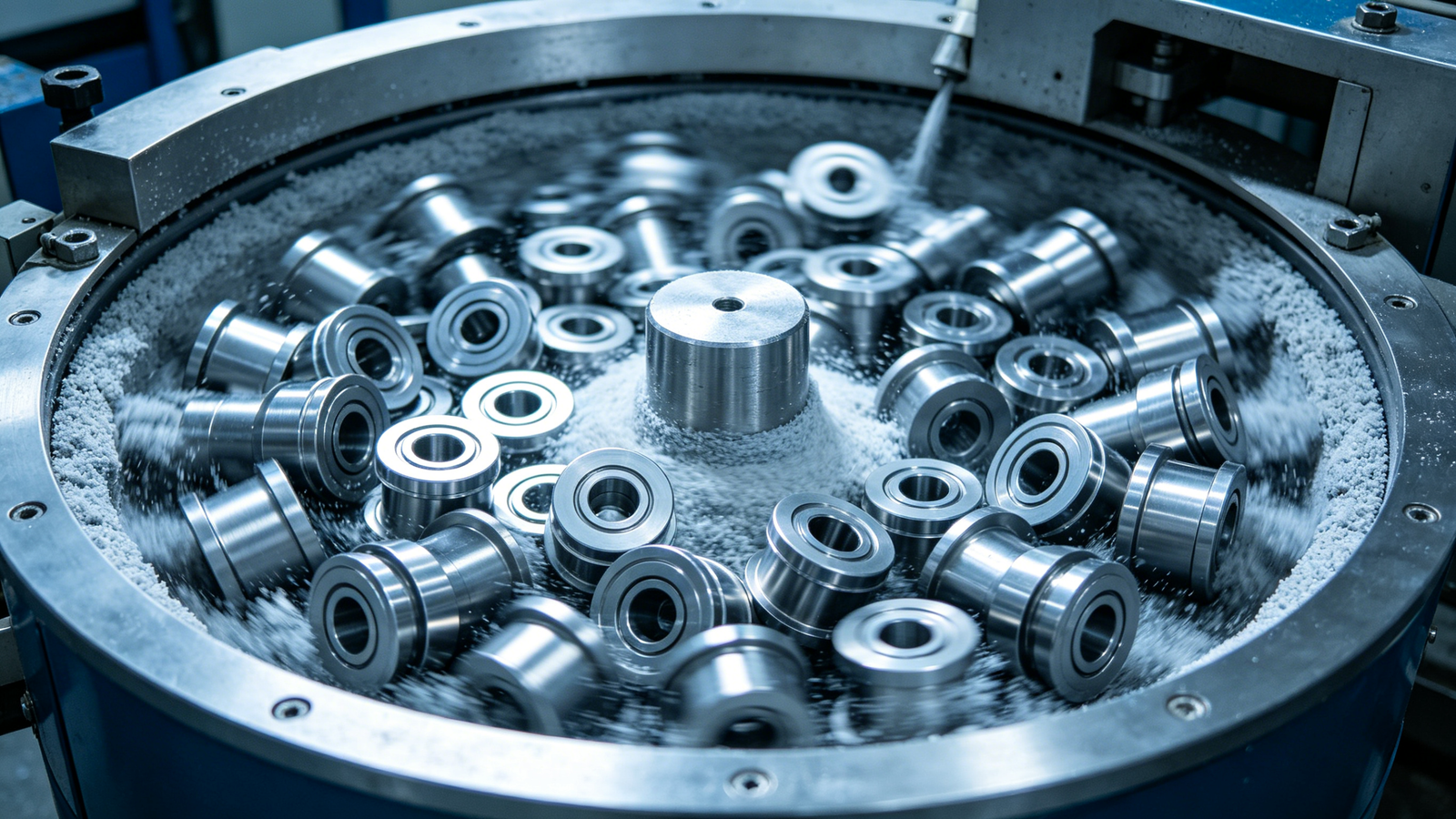
| Vibratory Finishing | Appearance-critical parts | High | Medium |
In Xiamen Ruicheng’s manufacturing system, different deburring combinations are applied based on structural complexity and customer performance requirements for CNC precision milling parts. contact us to receive a tailored deburring and edge finishing solution optimized for your component design
Extended Engineering Value of Burr Control in Supply Chain Management
Burr control is no longer just a post-machining step; it has evolved into a core element of manufacturing system design. Through automated inspection systems and standardized process databases, Xiamen Ruicheng ensures consistent edge quality across different production batches. Edge finish and structural integrity together define the reliability ceiling of precision components.In advanced manufacturing environments, burr removal and edge finishing are increasingly treated as design-stage requirements rather than post-process corrections. This shift enables procurement teams to engage earlier in technical definition, reducing downstream manufacturing risks and improving product consistency.
FAQ
Q: How can buyers verify burr removal quality in CNC parts?
A: Through first article inspection, microscopic examination, and functional assembly testing combined with tactile evaluation of edge conditions.
Q: Is edge finish specification necessary in technical drawings?
A: Yes, defining Ra values and edge break requirements avoids interpretation differences between supplier and buyer.
Q: Do different deburring methods significantly affect cost?
A: Yes, cost and lead time vary depending on process complexity, part geometry, and production volume.
Q: Are all CNC machined parts required to undergo deburring?
A: Functional and assembly-critical parts require strict burr control, while non-critical parts may use simplified standards.
Q: How can batch inconsistency in edge finish be avoided?
A: Through standardized tool management, automated inspection, and controlled machining parameters.
Conclusion
Burr removal and edge finish quality in CNC precision milling parts are not secondary considerations but core determinants of product reliability, assembly efficiency, and market competitiveness. Xiamen Ruicheng applies systematic process control to ensure consistent edge quality from prototype to mass production. High-standard edge finishing is a non-negotiable foundation of precision manufacturing excellence.
For expert assistance in implementing CNC precision milling solutions for your production needs, visit our resource center or contact us. Let’s help you scale up your manufacturing with precision and efficiency!