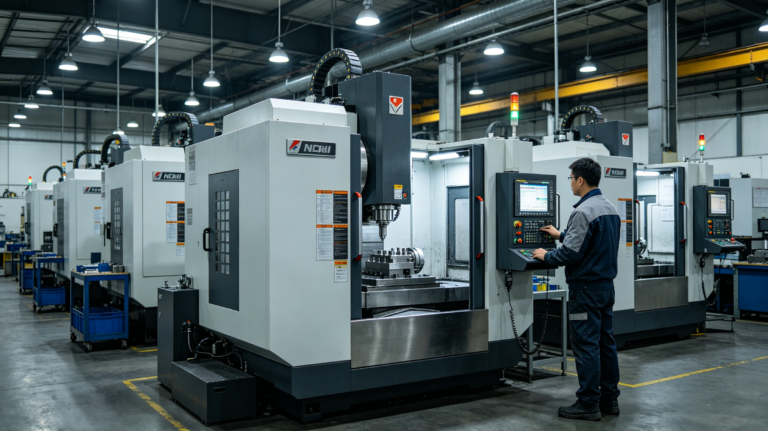
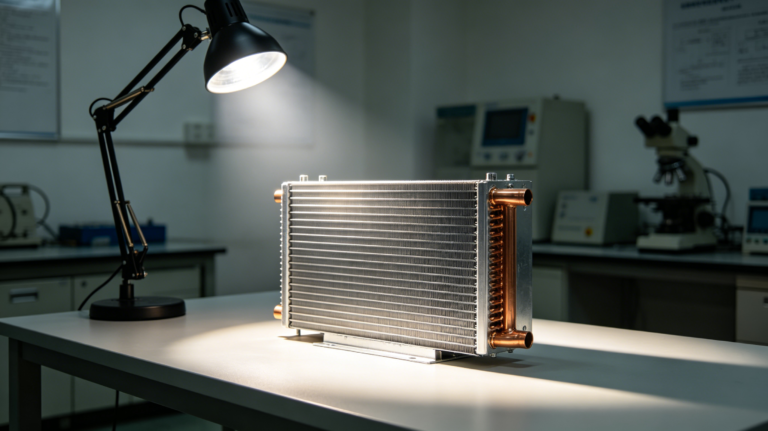
Introduction
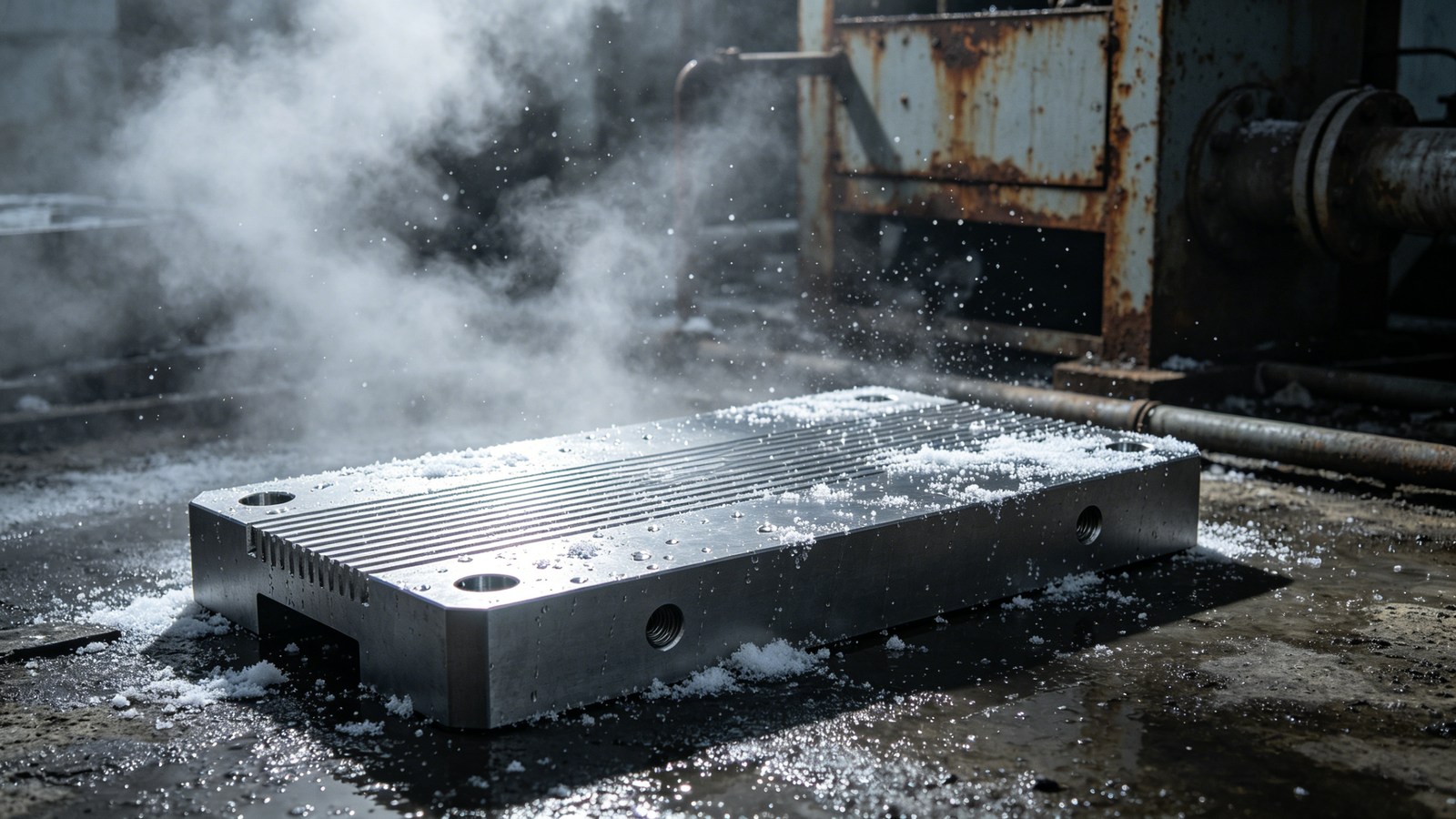
In industrial equipment, automation systems, and outdoor electronic applications, CNC precision milling parts are often exposed to humid environments, salt spray, and chemical contaminants for long periods. The corrosion resistance of the surface directly affects product lifespan, maintenance costs, and long-term operational stability. Xiamen Ruicheng has found that more buyers are now focusing on whether anodized surface treatment can truly improve component durability and reduce after-sales risks. Anodizing has gradually evolved from a decorative finish into a critical industrial corrosion protection solution.
For B2B buyers, dimensional precision alone is no longer enough when evaluating CNC machined components. Surface treatment quality has become equally important in determining product reliability after delivery. Through a stable combination of CNC precision milling and anodizing processes, Xiamen Ruicheng helps customers improve appearance consistency, wear resistance, and oxidation protection while reducing product failure rates and maintenance costs. A reliable anodizing process can significantly extend the service life of precision machined components in harsh industrial environments.
Why Can Anodizing Improve the Corrosion Resistance of CNC Precision Milling Parts?
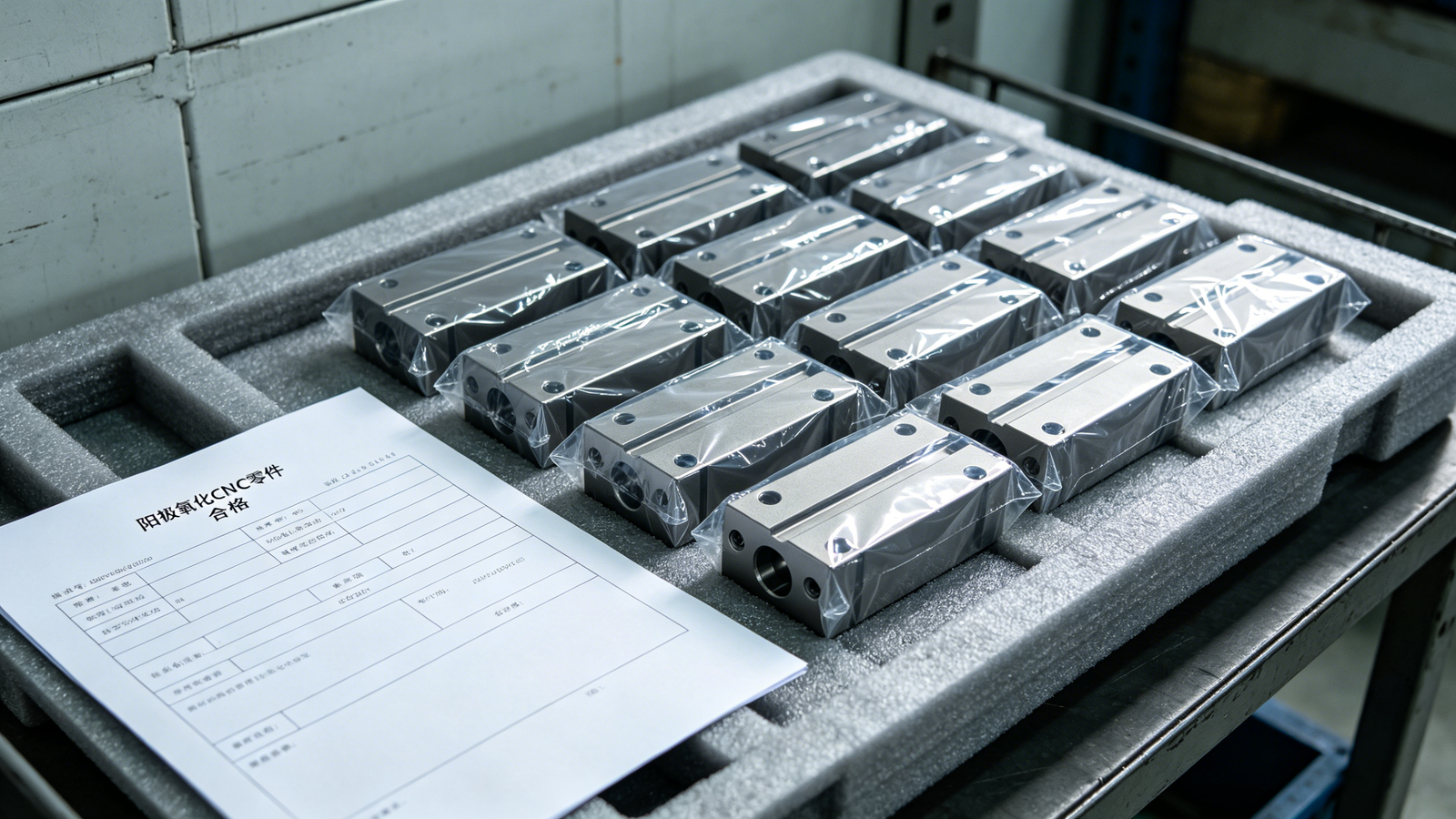
During the manufacturing of aluminum CNC precision milling parts, anodizing creates a dense oxide layer on the metal surface, preventing moisture, oxygen, and corrosive substances from directly contacting the base material. Xiamen Ruicheng carefully controls coating thickness, sealing quality, and surface uniformity to ensure that anodized surface treatment parts maintain stable performance in salt spray, humid, and light chemical environments. A high-quality anodized layer not only improves corrosion resistance but also enhances the overall industrial appearance and market competitiveness of the product. For industrial equipment operating outdoors or frequently exposed to coolant liquids, a stable anodized structure can effectively reduce oxidation spots, discoloration, and surface corrosion issues.
Protective Layer:The oxide coating forms a durable barrier that reduces direct exposure to moisture and oxygen.
Wear Resistance:The increased surface hardness after anodizing helps reduce friction-related damage.
Sealing Stability:A proper sealing process minimizes pores inside the anodized layer and improves long-term corrosion protection.
Appearance Consistency:Industrial anodizing also improves color uniformity and surface texture for high-end equipment applications.
🔧 Stable anodizing technology has become an essential quality guarantee for high-end CNC precision milling parts.
What Factors Affect the Corrosion Resistance of Anodized CNC Precision Milling Parts?
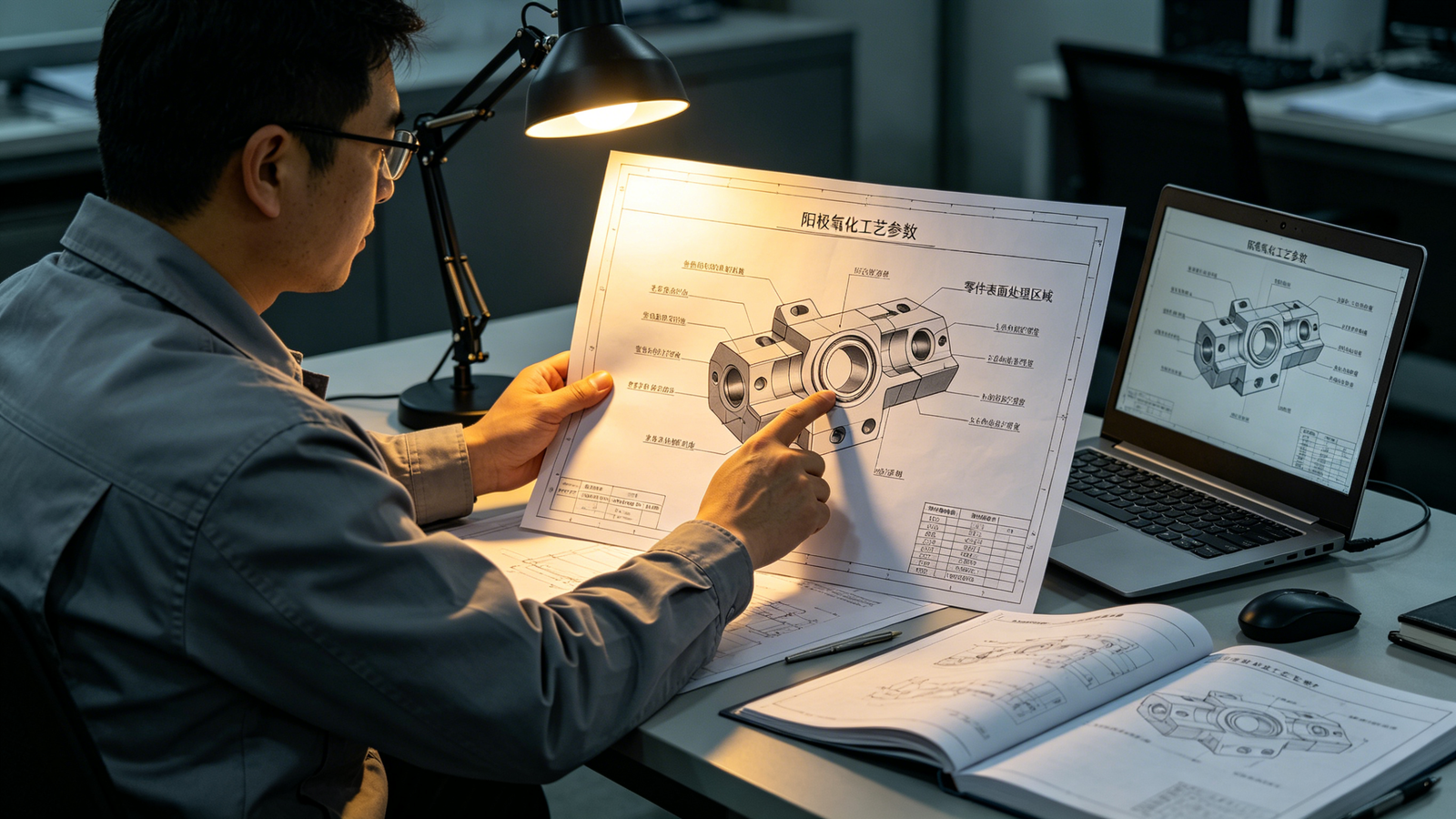
Different materials, coating thicknesses, and processing methods directly affect the final corrosion resistance of CNC machining components, especially in automation equipment and new energy industries. Buyers are increasingly concerned about whether the anodized layer can meet long-term industrial application requirements. Xiamen Ruicheng optimizes aluminum anodizing parameters according to different material characteristics to avoid issues such as weak adhesion, uneven coating thickness, or inconsistent surface color. Reliable corrosion resistance depends not only on the anodizing process itself but also on the quality of the CNC precision milling performed beforehand. If the machined surface contains deep tool marks, burrs, or residual machining stress, the anodized coating may become uneven and lose long-term protective performance.
Material Selection:Different aluminum grades such as 6061 and 7075 produce different anodizing results.
Coating Thickness:Industrial applications require balanced coating thickness to maintain both precision and corrosion resistance.
Surface Preparation:Cleaning, deburring, and polishing directly affect coating adhesion and surface quality.
Process Stability:Fluctuations in voltage, current, or treatment time may lead to inconsistent surface performance.
⚙️ High-quality anodizing performance comes from a complete and stable CNC machining and surface treatment system.
How to Choose the Right Anodizing Solution for Industrial CNC Precision Milling Parts?
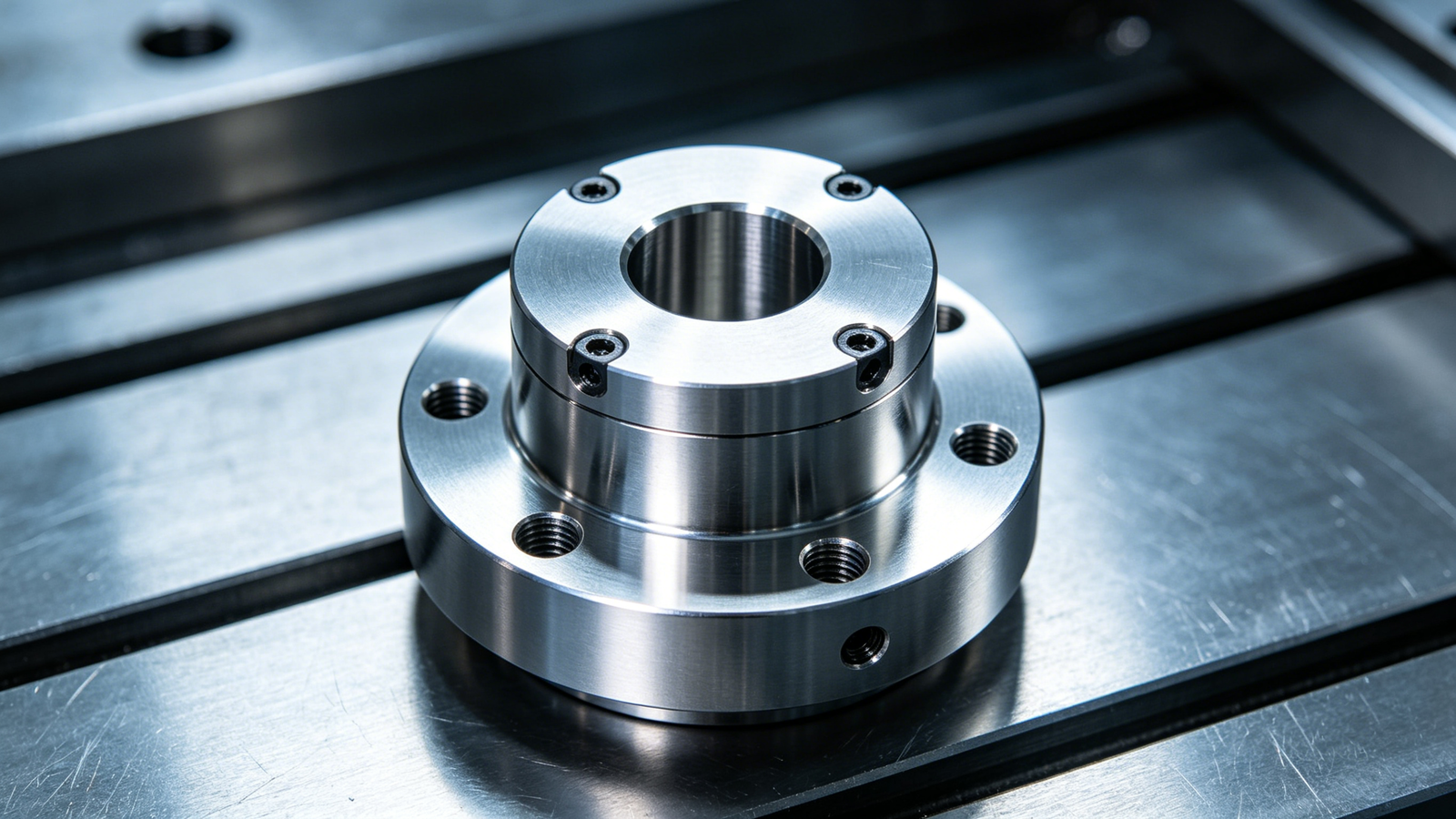
Different industrial environments and product positioning require different precision machining and anodizing solutions. Xiamen Ruicheng provides standard anodizing, hard anodizing, and customized color anodizing services according to the actual application requirements of customers. These solutions help CNC precision milling parts achieve balanced corrosion resistance, wear resistance, and visual consistency. The right anodizing solution helps companies reduce maintenance costs while improving overall product quality and reliability. For industrial equipment exported to overseas markets, stable anodizing quality also makes it easier to pass long-term durability and quality inspections.
Application Matching:Different industrial environments require different coating thicknesses and hardness levels.
Appearance Requirements:High-end equipment places greater emphasis on color consistency and refined surface texture.
Batch Stability:Stable mass production capabilities reduce the risk of quality fluctuations.
Delivery Efficiency:A mature supply chain helps customers shorten development and production cycles.
🚀 Professional anodizing solutions improve not only part performance but also overall brand competitiveness.
Comparison Table of CNC Precision Milling Part Surface Treatments
| Comparison Item | Sandblasting | Standard Anodizing | Hard Anodizing | Xiamen Ruicheng Custom Anodizing |
|---|---|---|---|---|
| Corrosion Resistance | Low | Good | Excellent | Highly Stable |
| Surface Hardness | Standard | Medium | High | Customizable |
| Appearance Consistency | Average | Good | Good | High Consistency |
| Industrial Suitability | Basic Equipment | General Equipment | Heavy Industry | Multi-Industry Applications |
If you are looking for CNC precision milling parts that combine corrosion resistance, machining accuracy, and stable delivery capability, feel free to contact the Xiamen Ruicheng team for professional process recommendations and customized manufacturing support contact us.
How Does Xiamen Ruicheng Help Customers Improve the Long-Term Stability of CNC Precision Milling Parts?
As industrial products continue developing toward higher precision, longer lifespan, and better reliability, more buyers are paying attention to the long-term value of surface treatment technology. Xiamen Ruicheng combines advanced CNC precision milling capabilities with a stable anodizing system to provide one-stop manufacturing solutions, including drawing analysis, process evaluation, prototype production, and mass manufacturing. We focus not only on completing the machining process but also on ensuring long-term performance in real industrial environments. Through strict quality control systems and stable supply chain management, Xiamen Ruicheng helps customers reduce rework rates, minimize after-sales risks, and improve product competitiveness.
1.Process Evaluation:Customized anodizing and machining solutions are developed according to actual application environments.
2.Quality Inspection:Coating thickness tests, salt spray tests, and appearance inspections ensure batch stability.
3.Fast Delivery:Mature production systems support both prototype development and stable mass production.
4.Technical Support:Engineering teams continuously assist customers in optimizing structure design and surface treatment performance.
Frequently Asked Questions About CNC Precision Milling Part Anodizing
Question 1: What are the core advantages of your anodized CNC precision milling parts?
Answer:Xiamen Ruicheng combines stable CNC precision milling processes with mature anodizing systems to provide controlled coating thickness, color consistency, and corrosion resistance levels. Standard products can support salt spray resistance from 48 to 120 hours, along with coating thickness inspection, adhesion testing, and dimensional verification to ensure high precision and long-term durability.
Question 2: What information should we provide to receive a quotation quickly?
Answer:Customers usually need to provide 2D drawings, 3D files, material specifications, surface treatment requirements, and order quantities. Xiamen Ruicheng supports online and email submissions, and our engineering team typically completes a preliminary process evaluation within 12 hours while providing detailed quotations with manufacturing suggestions and delivery schedules.
Question 3: What are the MOQ and lead time requirements for different order quantities?
Answer:Xiamen Ruicheng supports both low-volume prototype orders and large-scale production. Prototype orders generally start from 10-50 pieces, while standard production lead times are usually 7-15 days. For urgent projects or long-term customers, we can optimize production schedules through flexible manufacturing systems.
Question 4: How do you handle quality issues or color inconsistency after delivery?
Answer:All products undergo appearance, dimensional, and surface treatment inspections before shipment. If customers identify coating defects, color inconsistency, or dimensional problems after receiving the goods, Xiamen Ruicheng will arrange fast evaluation, rework, replacement, or reproduction according to inspection results and agreed quality standards.
Question 5: Can you provide customized anodizing colors or special corrosion resistance requirements?
Answer:Xiamen Ruicheng supports multiple anodizing colors and hard anodizing customization services. Customers only need to provide application scenarios, environmental conditions, and appearance requirements, and our engineering team will provide process feasibility analysis and customized recommendations within 3 working days.
Conclusion
The long-term stability of CNC precision milling parts depends not only on machining accuracy but also on the quality of anodized surface treatment. Xiamen Ruicheng provides integrated CNC machining and anodizing solutions that improve corrosion resistance, appearance consistency, and industrial durability for a wide range of applications. Reliable anodizing technology has become a key factor in improving the competitiveness of industrial-grade CNC precision milling parts. For companies looking to reduce maintenance costs, extend product lifespan, and strengthen product quality, choosing an experienced manufacturing partner is increasingly important.
For expert assistance in implementing for your production needs, visit our resource center or contact us. Let’s help you scale up your manufacturing with precision and efficiency!