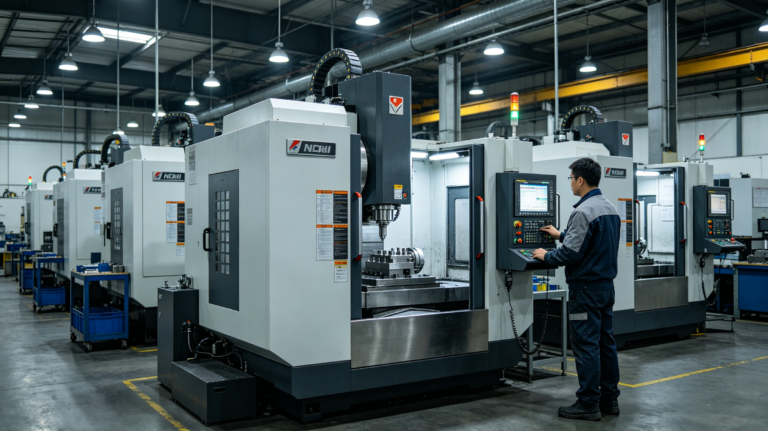
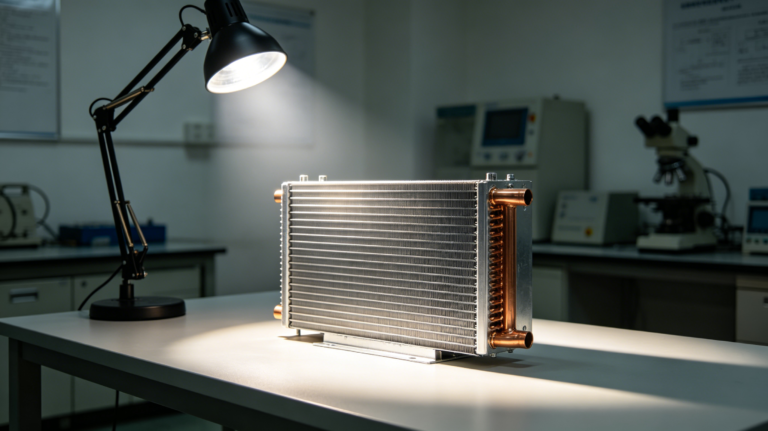
Introduction

With the continuous rise in precision manufacturing demands, sourcing CNC precision milled parts has shifted from simple price comparison to comprehensive compliance evaluation. Buyers are increasingly focused on whether suppliers possess robust quality systems, certifications, and stable process capabilities, as these directly impact product consistency and reliability. Standards and certifications are not just proof of quality, but the foundation of supply chain risk control.
Based on extensive experience serving global industrial clients, Xiamen Ruicheng has observed that many sourcing failures are not due to cost, but due to overlooked certification mismatches. Only by establishing a clear understanding of standards before procurement can companies avoid rework, returns, and delays. Bringing certification requirements forward into the decision-making stage is key to minimizing hidden costs.
What core certifications must be considered when sourcing CNC precision milled parts?
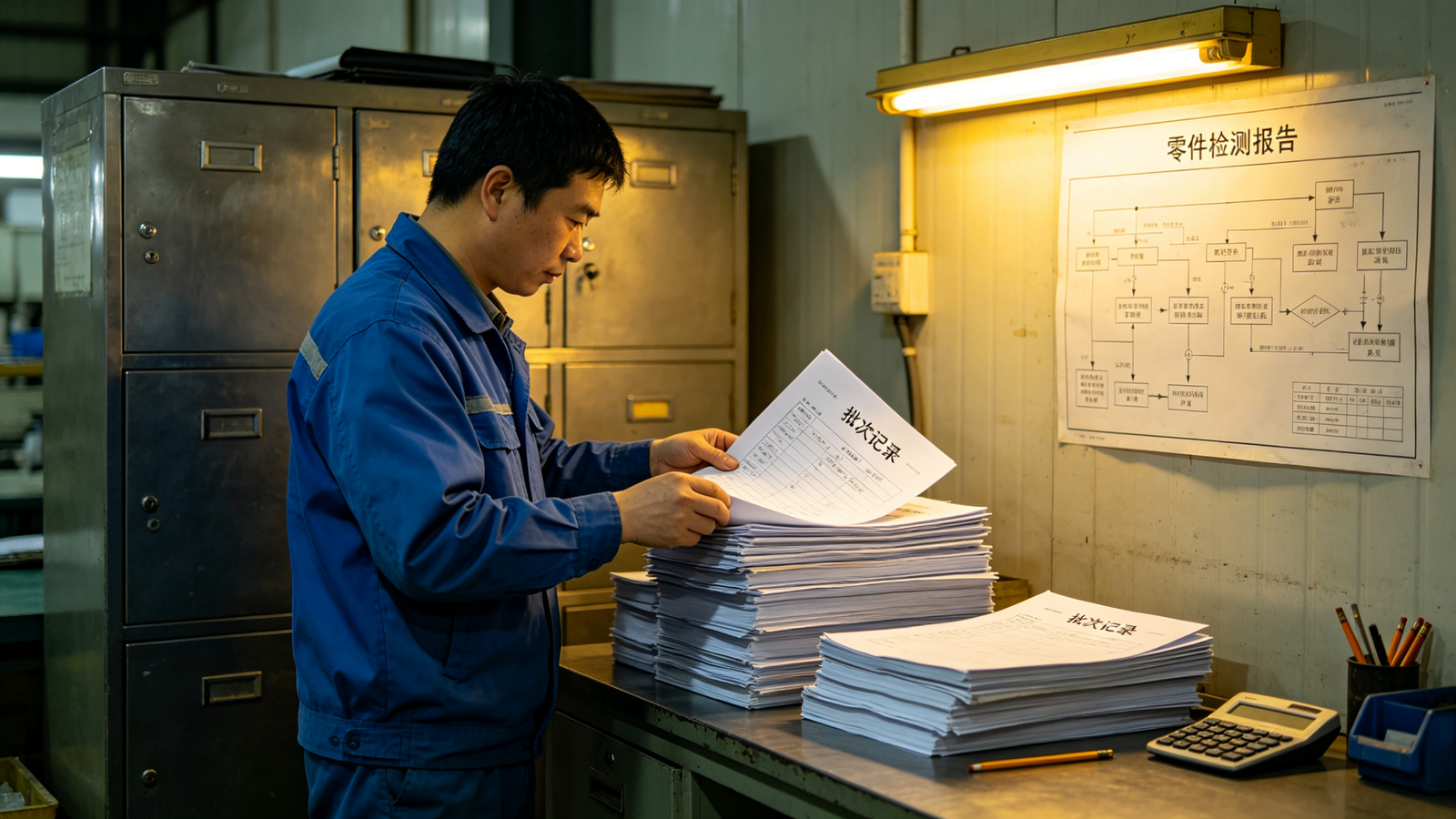
In real procurement scenarios, certification systems serve as the first threshold for evaluating supplier capability, such as ISO 9001 Quality Management System and RoHS Compliance, which reflect a supplier’s baseline in quality control and environmental compliance, while industries like automotive and medical require higher-level certifications; Xiamen Ruicheng integrates multiple certification systems to ensure stable delivery across applications. Certifications not only represent qualifications but determine whether products can enter high-end markets.
Quality system certification: Ensures standardized and traceable production processes.
Environmental compliance certification: Guarantees materials and processes meet export regulations.
Industry-specific certification: Meets high-entry requirements in automotive and medical sectors.
Third-party inspection reports: Provide objective data validation for product quality.
🔍 Certifications define whether a supplier is capable of long-term stable cooperation
How to verify whether a supplier truly implements standards effectively?

Possessing certificates alone does not fully represent manufacturing capability; it is essential to evaluate actual execution through standards such as GD&T tolerancing and surface roughness Ra standards, which determine whether a supplier truly meets precision requirements, and Xiamen Ruicheng ensures standard implementation through internal inspection systems and process control.
True capability lies in execution of standards, not ownership of certificates.
Process validation capability: Confirms machining consistency through trial production.
Inspection equipment setup: Ensures measurement precision meets standards.
Process control system: Stabilizes variation in mass production.
Data traceability system: Enables rapid identification of quality issues.
📊 Execution of standards is the real determinant of product stability
What are the differences in standards across industries for CNC precision milled parts?
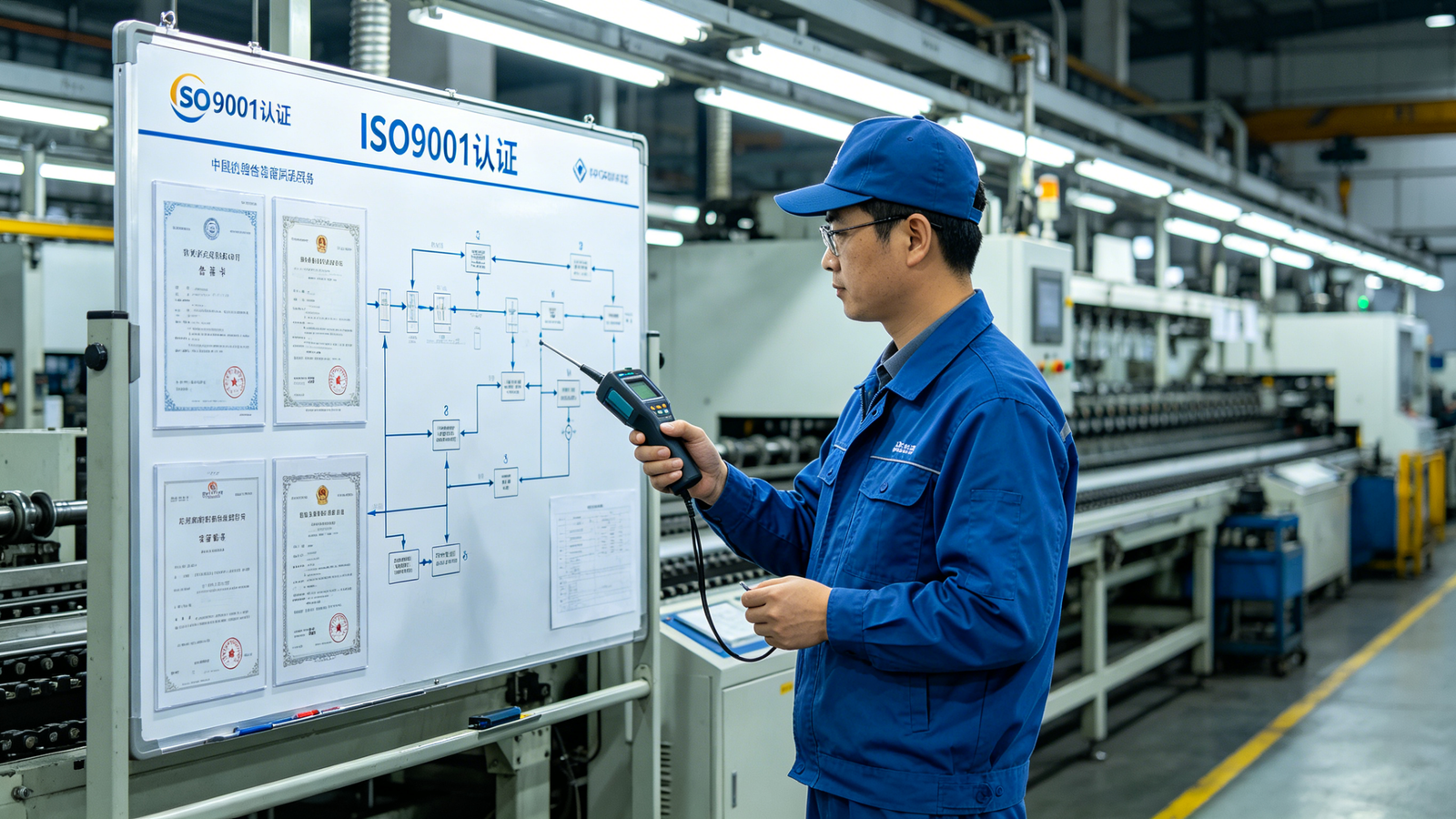
Different industries have distinct requirements for CNC precision milled parts; for example, consumer electronics emphasizes appearance and dimensional consistency, while automotive applications require compliance with PPAP procedures and reliability standards, and medical applications demand strict traceability and biocompatibility, with Xiamen Ruicheng providing customized standard matching solutions for precise sourcing. Industry differences determine that standard selection must be highly targeted.
Consumer electronics standards: Focus on appearance and assembly precision.
Automotive standards: Emphasize reliability and batch consistency.
Medical standards: Require strict traceability and safety.
Industrial equipment standards: Prioritize durability and structural strength.
⚙️ Different industries require completely different standard priorities
Comparison Guide of Certifications and Standards for CNC Precision Milled Parts
| Comparison Dimension | ISO 9001 | RoHS | IATF 16949 | Third-party Testing |
|---|---|---|---|---|
| Core Function | Quality management | Environmental compliance | Automotive quality system | Data validation |
| Applicable Industry | General manufacturing | Export products | Automotive sector | All industries |
| Key Focus | Process control | Material restriction | Supply chain management | Measured data |
| Mandatory | No | Yes (in some regions) | Yes (automotive) | Depends |
| Risk Impact | Quality fluctuation | Export restriction | Project failure | Lack of validation |
| Procurement Value | Basic requirement | Market entry | Industry entry | Decision support |
Want to quickly assess whether your supplier is truly compliant? Get expert support now 👉 contact us
How to Build a Reliable Procurement System for CNC Precision Milled Parts
Building a high-quality procurement system depends not only on standards themselves but on the ability to apply them systematically; Xiamen Ruicheng forms a closed-loop management model covering requirement analysis, certification matching, process validation, and delivery tracking, enabling clients to control risks and ensure stable delivery. Standards are not the end goal, but the starting point of a stable supply chain.
1.Pre-evaluation of standards: Define required certifications before RFQ.
2.Supplier capability validation: Confirm real capability via samples and audits.
3.Process quality control: Ensure consistency in mass production.
4.Long-term optimization: Balance cost and quality continuously.
FAQ
Question 1 (Core Product Evaluation): What are the key quality benchmarks and standards for your CNC precision milled parts?
Answer: All parts from Xiamen Ruicheng are manufactured under ISO 9001 systems, with critical tolerances reaching IT6 level, supported by CMM inspection and SPC process control to ensure consistency for high-end industrial applications.
Question 2 (Collaboration Process): What information do we need to provide to get a quotation quickly?
Answer: Clients should provide 2D/3D drawings, material specifications, surface treatment requirements, and estimated volumes; Xiamen Ruicheng responds within 12 hours with a detailed quotation including process analysis and supports sample validation.
Question 3 (Procurement Execution): What are the MOQ and lead times for different order volumes?
Answer: MOQ starts at 50 pieces for prototyping, while orders above 500 units benefit from optimized pricing; standard lead time is 7–10 days, with flexible production lines enabling 48-hour rush orders.
Question 4 (After-sales & Risk Control): How are quality issues or delays handled?
Answer: Quality re-inspection is supported within 7 days of delivery; confirmed issues are addressed within 48 hours with replacement or refund, and key projects include a 12-month quality guarantee with contractual liability terms.
Question 5 (Customization & Value-added Services): Can you support custom requirements and optimization?
Answer: Yes, customization is available based on application scenarios; clients provide working conditions, and solutions are delivered within 3 working days, with cost adjustments typically between 5%–15%.
Conclusion
In sourcing CNC precision milled parts, standards and certifications are not just entry requirements but critical determinants of project success. Companies must build a systematic evaluation capability from certification identification to execution validation and industry matching to minimize risks and enhance supply chain stability. Choosing a supplier with proven standard execution capability is the foundation for long-term success. Xiamen Ruicheng provides integrated solutions from evaluation to delivery, helping clients achieve precision and reliability.
For expert assistance in implementing for your production needs, visit our resource center or contact us. Let’s help you scale up your manufacturing with precision and efficiency!