Introduction
Landscape lighting fixtures are exposed to UV radiation, rain, and temperature fluctuations for extended periods, placing high demands on material stability. Once fading occurs, it directly impacts both project quality and brand image. Xiamen Ruicheng has found through years of metal processing experience that selecting the right anodized aluminum custom parts is essential for long-term performance. Fading is not caused by a single factor but by the mismatch between material, process, and environment.
In real procurement decisions, buyers often focus too much on parameters while overlooking actual outdoor conditions and lifecycle costs, which leads to irreversible risks later. Xiamen Ruicheng provides integrated solutions covering material selection, process design, and validation. A result-oriented customization approach ensures better long-term performance than parameter comparison alone.
Why Do Landscape Lighting Fixtures Experience Fading After Anodizing?
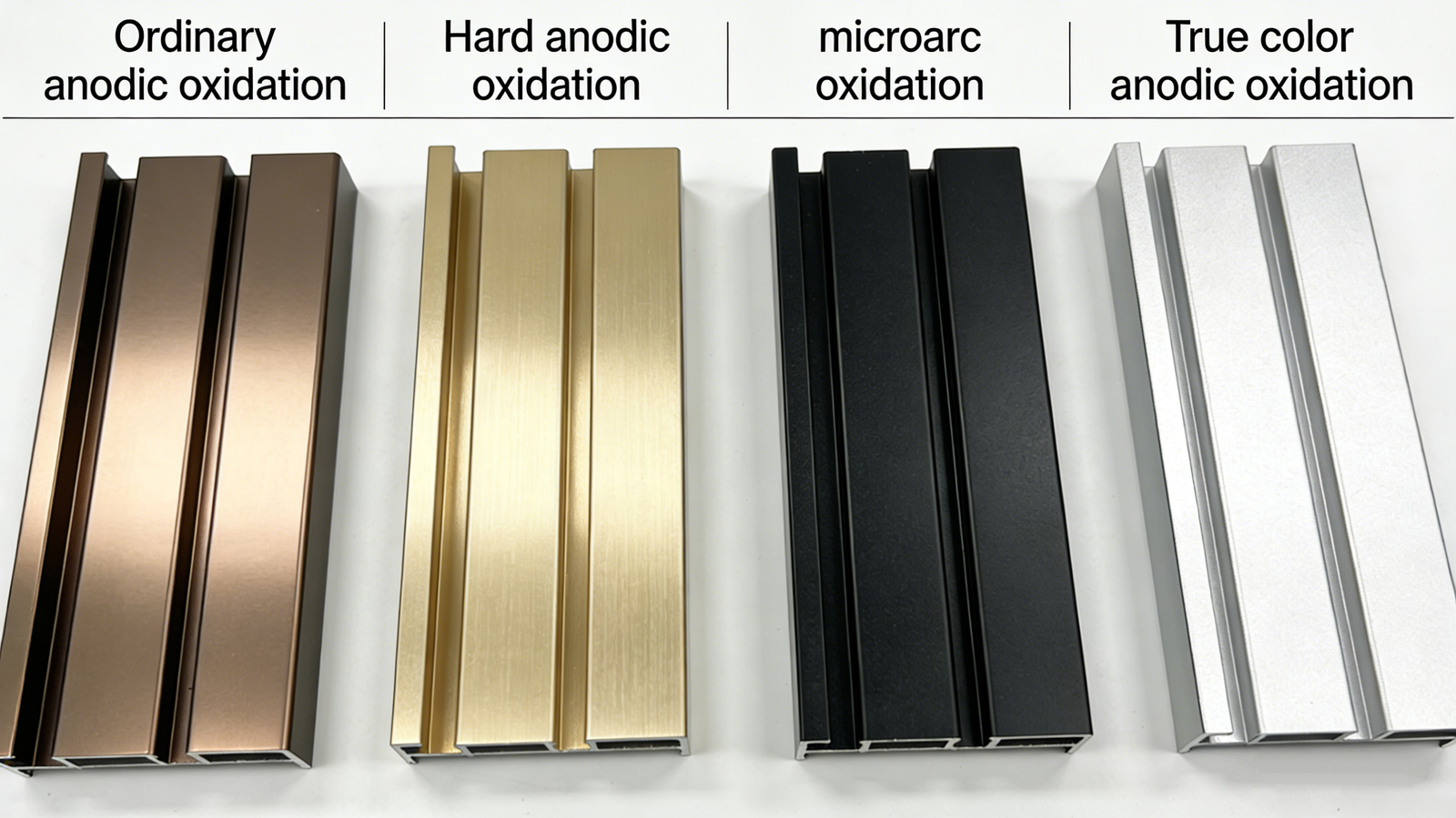
In outdoor environments, anodized aluminum forms a protective oxide layer through anodizing, but insufficient coating thickness or poor sealing can lead to fading under UV exposure and acid rain. Different aluminum alloys also vary in their ability to absorb dyes, causing inconsistent color stability. Environmental stress combined with process inconsistency is the root cause of fading.
Material variation: Alloy composition affects oxide layer uniformity.
Thin coating: Insufficient thickness reduces UV resistance.
Poor sealing: Incomplete sealing leads to dye loss and surface degradation.
Environmental exposure: UV, salt spray, and moisture accelerate aging.
🌞 Fading results from mismatched material and processing conditions.
Which Anodized Aluminum Alloy Is Best for Outdoor Landscape Lighting?
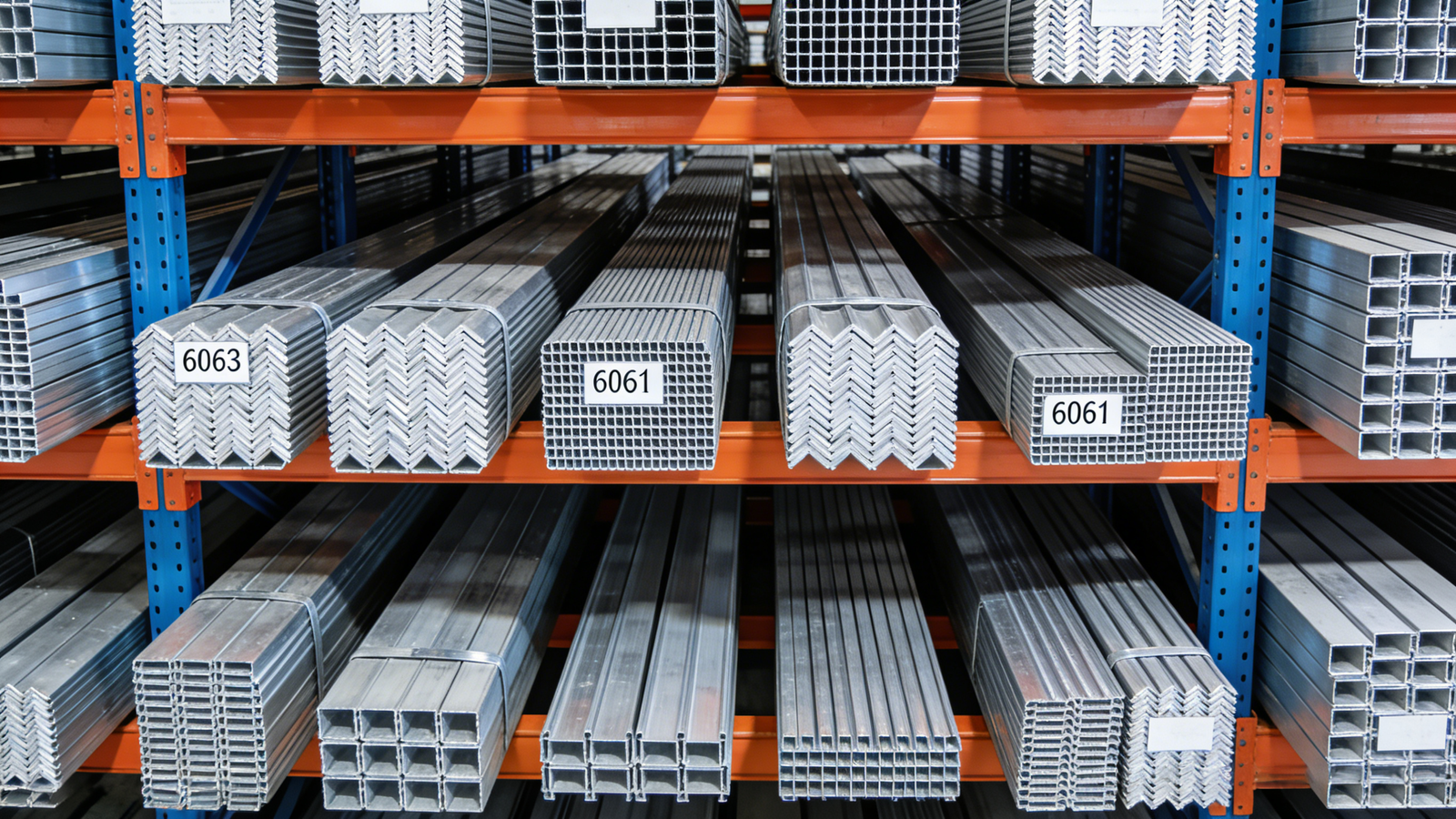
For outdoor applications, 6000-series alloys such as 6063 and 6061 are preferred due to their excellent performance in forming uniform anodic oxide layers. Combined with optimized sealing processes, these alloys provide superior color retention and corrosion resistance. Selecting the correct alloy system is the foundation of fade resistance.
6063 alloy: Offers smooth surface and uniform anodizing results.
6061 alloy: Balances strength and environmental durability.
Coating thickness: Increasing thickness above 15μm improves longevity.
Dye selection: Inorganic dyes enhance UV resistance.
🏗️ Material choice defines the baseline of long-term durability.
How to Ensure Long-Term Fade Resistance Through Process Control?
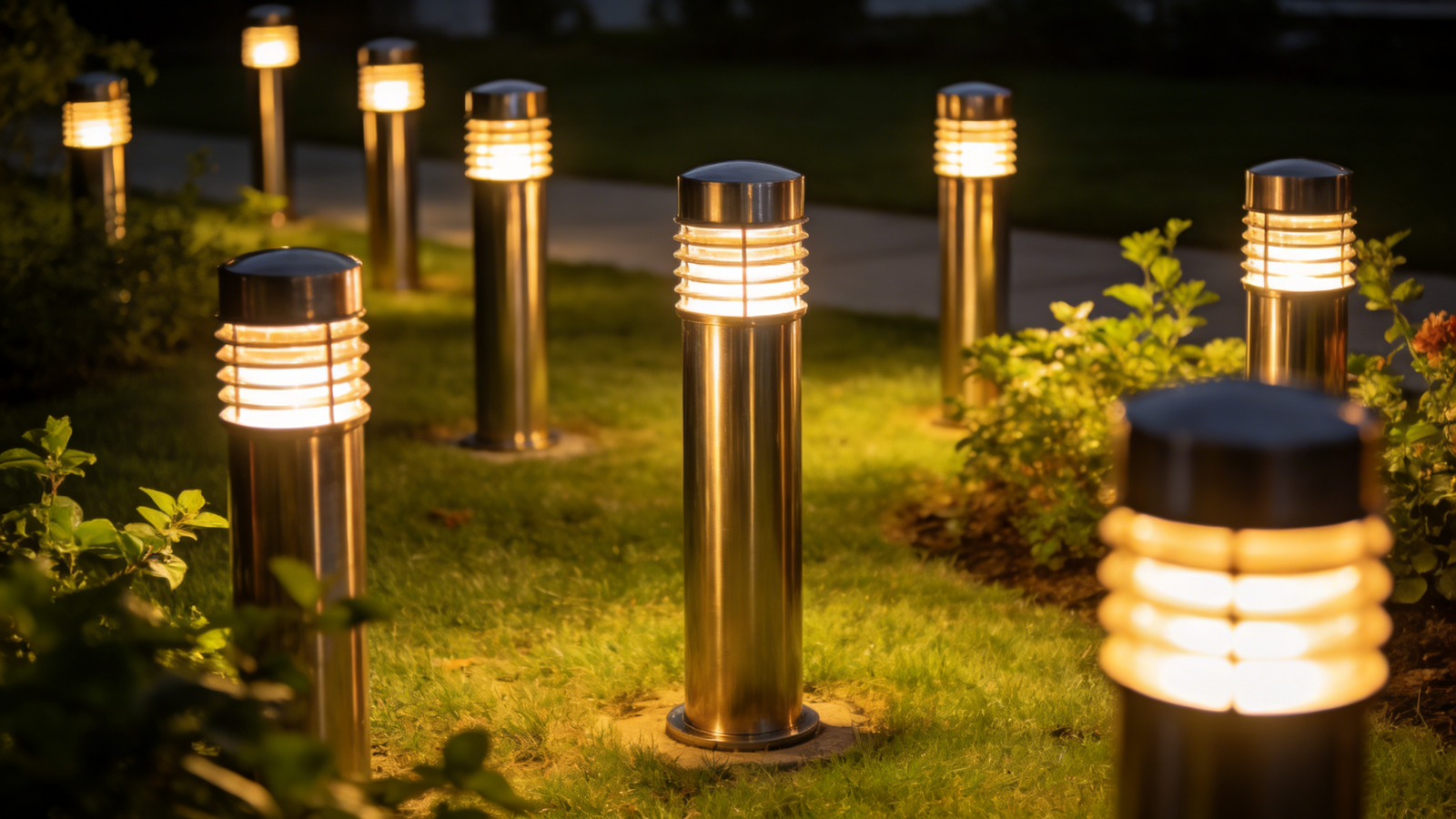
Material selection alone is not enough; strict surface finishing control and validation are required, including electrolyte management, dye consistency, and sealing quality. Additionally, salt spray testing and UV aging simulations help verify long-term performance before deployment. Process stability determines whether the product can truly withstand outdoor conditions.
Current control: Stable parameters ensure even oxide growth.
Color consistency: Controlled dyeing avoids color deviation.
Sealing optimization: High-temperature sealing enhances durability.
Testing validation: Accelerated tests identify risks early.
🔬 Stable processing is the key to preventing fading.
Comparison of Anodizing Solutions for Landscape Lighting
| Item | Standard Anodizing | Dyed Anodizing | Hard Anodizing | Architectural Anodizing |
|---|---|---|---|---|
| Thickness | 5-10μm | 10-15μm | 25μm+ | 15-20μm |
| Weather Resistance | Medium | Low | Excellent | Excellent |
| Color Stability | Average | Prone to fade | Stable | Stable |
| Cost | Low | Medium | High | Medium-High |
| Application | Indoor parts | Decorative | Industrial | Outdoor lighting |
| Recommendation | ★★ | ★★ | ★★★★ | ★★★★★ |
Choosing the right anodizing solution directly impacts lifecycle value and visual quality—optimize your sourcing strategy today, contact us
How Xiamen Ruicheng Ensures Fade-Resistant Solutions
Xiamen Ruicheng provides full-process support from material selection to mass production, ensuring consistent outdoor performance for landscape lighting components. A result-driven engineering approach ensures quality stability from the start.
1.Material guidance: Recommend optimal alloys based on application conditions.
2.Process customization: Design coating thickness and sealing solutions.
3.Validation testing: Provide salt spray and UV test reports.
4.Mass production stability: Ensure consistency through mature production lines.
FAQ (Common Procurement Questions)
Q1: What is the key performance guarantee of your anodized aluminum custom parts?
A: We use 6063/6061 alloys with coating thickness above 15μm, validated by 500+ hours salt spray testing and 1000+ hours UV aging, ensuring long-term color stability.
Q2: What information is required to get a quotation?
A: Provide CAD drawings, application details, and order quantity. We respond within 2 hours with an evaluation and provide a detailed quotation within 12 hours.
Q3: What are the MOQ and lead time for different order volumes?
A: Sample MOQ is 20 pcs with 3–5 days lead time. Mass production MOQ is 200 pcs with 7–12 days standard delivery.
Q4: How do you handle quality or fading issues?
A: We offer a 12-month warranty, respond within 48 hours, and provide replacement or refund after verification.
Q5: Can you support custom colors or enhanced weather resistance?
A: Yes, we support inorganic dyes, custom color matching, and enhanced durability solutions based on your requirements.
Conclusion
Achieving long-term fade resistance in landscape lighting is a systematic process involving material selection, process optimization, and environmental matching. Xiamen Ruicheng delivers reliable and verifiable solutions through integrated engineering capabilities. Only a full-process optimization approach can truly ensure long-lasting outdoor performance. Choosing the right partner ultimately determines both product quality and brand value.
For expert assistance in implementing for your production needs, visit our resource center or contact us. Let’s help you scale up your manufacturing with precision and efficiency!