Introduction
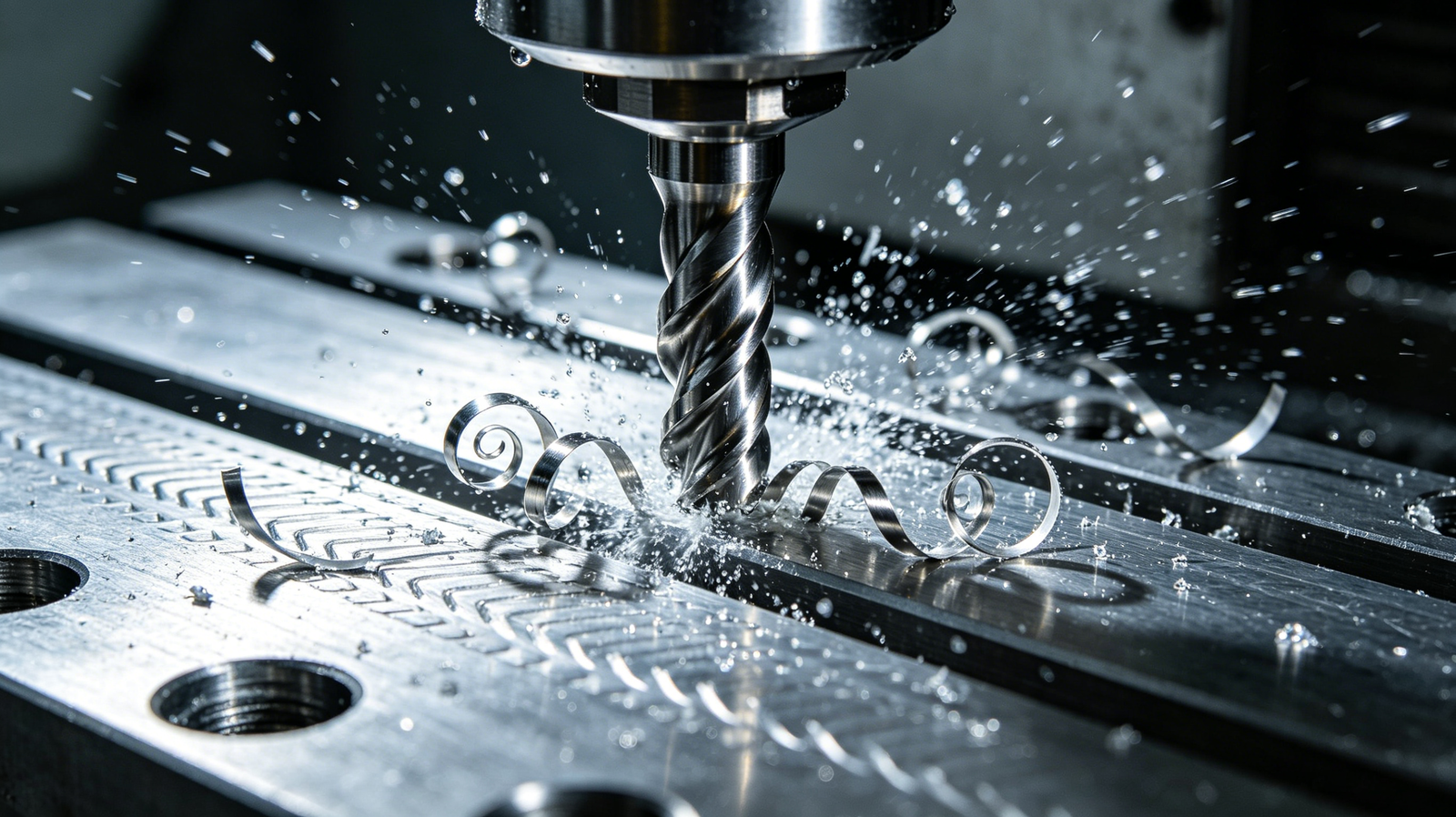
Die cast components are widely used in automotive engine systems, electric motor housings, hydraulic assemblies, transmission housings, and new energy vehicle electronics. Internal porosity, shrinkage cavities, and microscopic defects can compromise sealing performance, leading to coolant leakage, pressure loss, or component failure during operation. For product development teams, leak testing is more than a final quality inspection; it is an essential method for validating part design, die casting processes, and downstream machining operations. Choosing the right leak testing method requires evaluating part geometry, operating media, pressure conditions, allowable leakage rates, and production cycle time.
Different testing methods offer different levels of sensitivity, operating costs, complexity, and suitability for mass production. Underwater bubble testing, pressure decay testing, vacuum decay testing, and helium leak testing are not interchangeable solutions. From an engineering and custom manufacturing perspective, Xiamen Ruicheng recommends defining acceptance criteria early in product development and selecting a testing strategy based on product risk and production requirements. An effective leak testing strategy must detect relevant defects, avoid unnecessary inspection costs, and deliver repeatable, reliable results.
How Do You Choose a Leak Testing Method Based on Part Design and Operating Conditions?
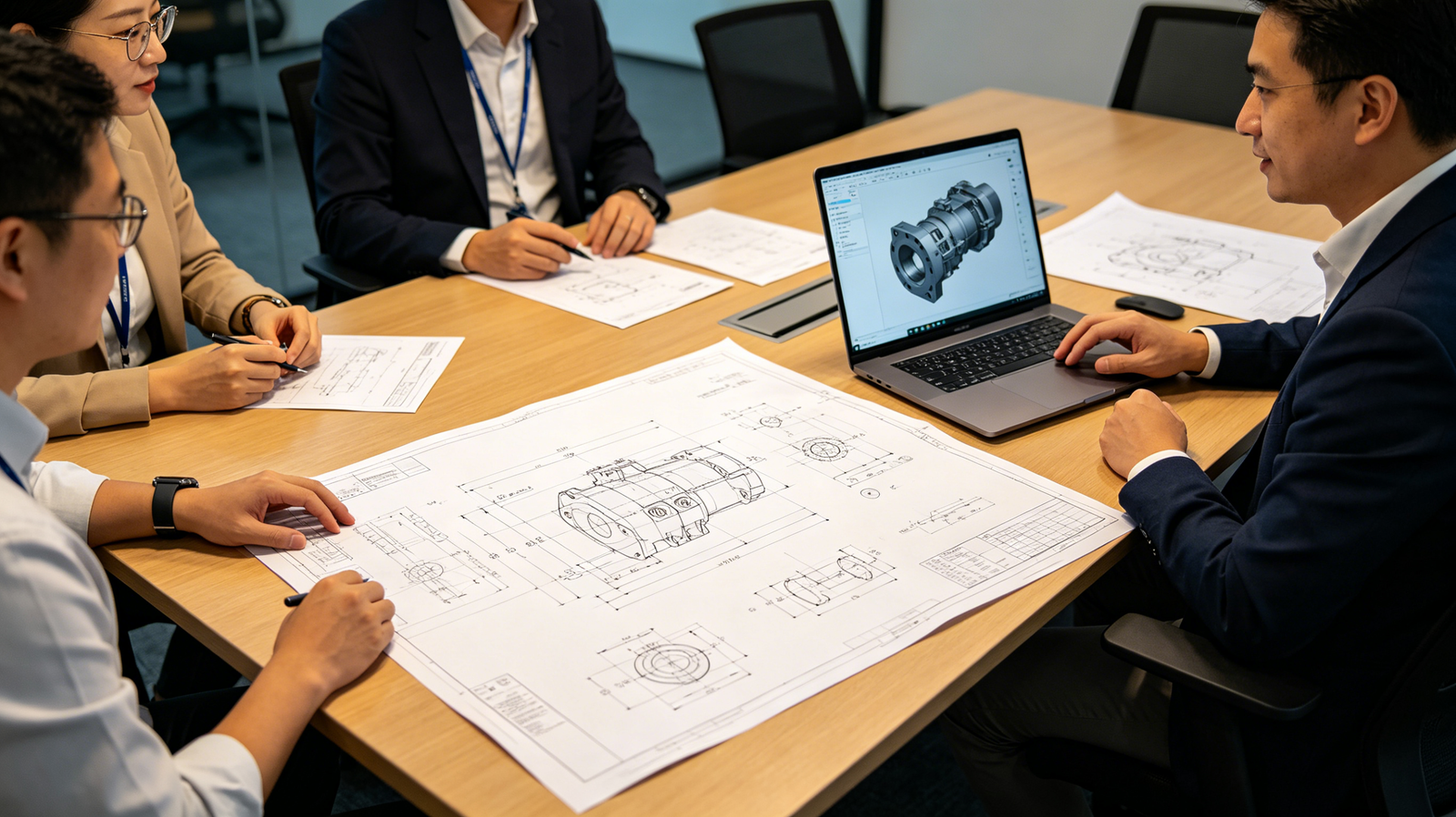
Selecting a leak testing method starts with understanding the component’s function rather than comparing equipment prices alone. Parts designed to contain coolant, lubricating oil, hydraulic fluid, or gas generally require validation under specified pressure conditions, while components used for dust or moisture protection may need different sealing assessments. Xiamen Ruicheng recommends reviewing 3D models, sealing surfaces, operating pressures, and allowable leakage rates during early engineering discussions, while referring to relevant standards such as ISO 20485 for non-destructive testing using leak testing methods when evaluating tracer gas testing requirements. A test conducted under conditions that do not represent the actual application cannot reliably demonstrate long-term sealing performance.
Part Function: Pressure-containing housings, liquid cooling components, and hydraulic parts require acceptance criteria based on operating media and the consequences of leakage, rather than visual inspection alone.
Geometric Complexity: Deep cavities, long internal channels, multiple sealing surfaces, and complex passages can affect fixture design, port accessibility, and gas flow during testing.
Allowable Leakage Rate: The acceptable leakage rate should be defined by product design requirements, operating conditions, and customer specifications. A testing system’s detection limit should not automatically be treated as the product acceptance limit.
Production Stage: Development testing typically focuses on defect identification and design validation, while mass production requires repeatability, cycle-time control, automation compatibility, and low false-rejection rates.
🔎 Define the component’s function, operating conditions, and allowable leakage rate before selecting a suitable testing method.
Which Leak Testing Methods Are Best Suited to Die Cast Parts?
Die cast parts may contain pores that connect to the external surface as well as internal voids that remain completely enclosed. Different testing methods detect different types of defects, so the method must match the component’s failure risks. Underwater bubble testing provides a straightforward way to identify visible leaks, while pressure decay and vacuum decay testing can evaluate sealing performance through pressure changes under controlled conditions. Helium leak testing can provide higher sensitivity for applications with demanding leakage requirements. The final choice should be based on validation results for the actual component, not solely on the maximum sensitivity advertised for a testing system.
Underwater Bubble Testing: The component is pressurized and immersed in water, allowing escaping bubbles to reveal leakage locations. This method is useful for identifying relatively obvious leaks, but results can depend on operator observation and test conditions.
Pressure Decay Testing: Gas is introduced into a sealed component at a specified pressure, and pressure changes are monitored over a defined period. This method is suitable for components with stable test volumes and adequately controlled temperature conditions.
Vacuum Decay Testing: A test cavity is evacuated to a specified vacuum level, after which pressure changes are monitored. It is suitable for components that can reliably achieve the required vacuum conditions.
Helium Leak Testing: Helium is used as a tracer gas and detected by specialized equipment. This method is appropriate for applications requiring high detection sensitivity when the associated equipment and operating costs are justified.
🧪 There is no single best method for every die cast component; the right solution depends on leakage limits, geometry, operating conditions, and production needs.
Why Can Die Cast Parts Still Leak After Passing a Leak Test?
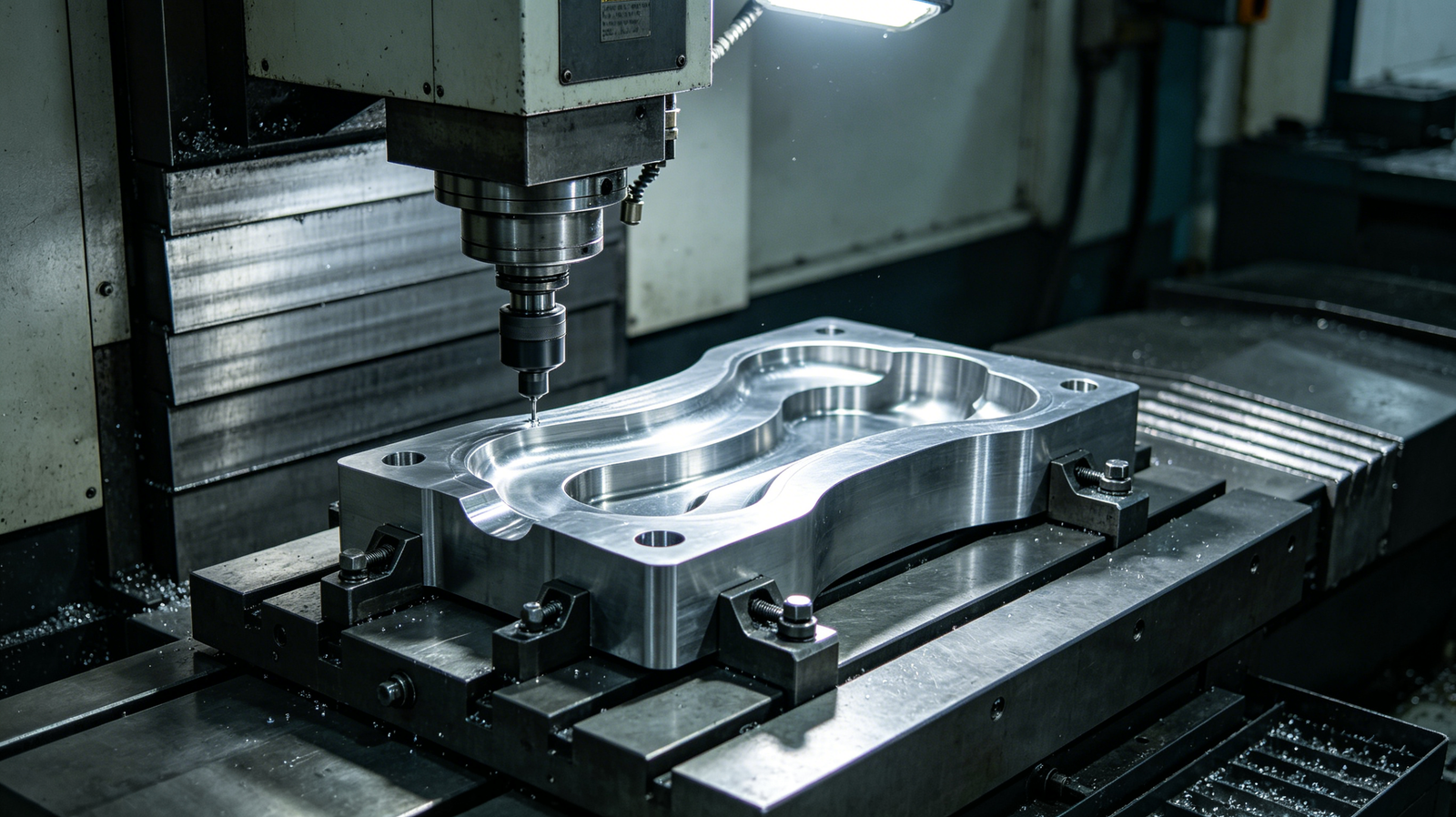
Passing a leak test does not necessarily eliminate every potential sealing risk. Porosity formed during casting may become exposed during machining, dimensional deviations on sealing surfaces can create leakage paths, and poorly sealed test fixtures can produce misleading results. Xiamen Ruicheng recommends evaluating leak testing alongside die casting process controls to investigate potential causes related to mold design, casting parameters, machining, and sealing geometry. When manufacturers rely exclusively on final leak inspection without addressing the root causes, the same defects may continue to appear in subsequent production batches.
Internal Porosity: Gas porosity or shrinkage cavities may create leakage paths in thin-wall regions, pressure-bearing areas, or sections with substantial machining allowances. Inspection strategies should reflect the component’s geometry and the consequences of failure.
Machining Exposure: Drilling, milling, and other machining operations can intersect previously enclosed pores, creating leakage paths that were not present at earlier production stages. Testing plans should therefore account for the component’s final machined condition.
Sealing Failure: Incorrect groove dimensions, damaged sealing surfaces, insufficient gasket compression, or fixture-induced deformation can cause leakage or produce test results that differ from actual assembly performance.
Testing Errors: Temperature fluctuations, test volume, stabilization time, fixture leakage, and sensor condition can influence pressure decay results. Reference standards and repeatability studies should be used to verify the reliability of the testing system.
⚙️ Reliable leak prevention requires control of casting defects, machining risks, sealing design, and measurement-system errors.
How Do Leak Testing Methods Compare for Different Die Cast Applications?
| Evaluation Factor | Underwater Bubble Testing | Pressure Decay Testing | Vacuum Decay Testing | Helium Leak Testing |
|---|---|---|---|---|
| Operating Principle | Visual observation of bubbles | Monitoring pressure changes | Monitoring vacuum changes | Detecting tracer gas |
| Typical Applications | Obvious leak detection and localization | Sealing validation and production inspection | Sealing tests under suitable vacuum conditions | High-sensitivity leak detection |
| Detection Sensitivity | Generally lower; depends on test conditions | Depends on equipment and test conditions | Depends on equipment and test conditions | Can achieve high sensitivity |
| Main Limitations | Operator judgment, immersion, and drying requirements | Sensitive to temperature, volume, and stabilization time | Requires suitable vacuum conditions and fixtures | Higher equipment, gas, and maintenance costs |
| Mass Production Suitability | Suitable for selected inspection tasks | Suitable for validated automated inspection | Suitable for validated automated inspection | Suitable for specialized high-requirement applications |
| Selection Priority | Whether leaks are visually detectable | Repeatability and cycle time | Suitability of vacuum conditions | Sensitivity versus total cost |
This comparison is intended for preliminary selection. Actual performance depends on component volume, test pressure, allowable leakage rate, equipment capability, and test procedures. The method name alone does not establish the final inspection performance.
If you are developing automotive motor housings, hydraulic die cast components, or other custom parts requiring leak validation, Xiamen Ruicheng can help assess manufacturing risks and testing requirements based on your drawings, operating conditions, and quality specifications. Contact our team through contact us to discuss a manufacturing and quality validation plan tailored to your project.
How Can Leak Testing Be Integrated into Mass Production Quality Control?
Leak testing should not be treated as an isolated final operation. Instead, it should form part of the complete quality plan covering product development, process validation, first-article inspection, and mass production. Xiamen Ruicheng recommends defining critical sealing areas, test conditions, acceptance criteria, and nonconformance procedures in project quality documentation while reviewing test accessibility and manufacturability during engineering development. Planning leak testing from the design stage can reduce mold modifications, repeated trial runs, and costly production rework.
1.Define Acceptance Criteria: Establish the operating medium, design pressure, allowable leakage rate, test medium, test duration, and customer-specific acceptance requirements before production validation begins.
2.Validate the Test System: Use calibrated reference leaks where appropriate, reference samples, and repeated measurements to confirm that the equipment, fixtures, and test procedures can consistently distinguish acceptable parts from defective ones.
3.Establish Process Traceability: Link leak test results to component batches, mold identification, critical machining operations, and production records to support root-cause investigations when failures occur.
4.Drive Continuous Improvement: Isolate failed parts, investigate root causes, and adjust casting processes, mold venting, local geometry, or machining procedures as necessary. Revalidate the process after implementing corrective actions.
Frequently Asked Questions About Leak Testing Die Cast Parts
1.How Do I Know Which Leak Testing Method Is Right for My Die Cast Part?
The appropriate method depends on the component’s function, operating pressure, allowable leakage rate, internal geometry, and production volume. Provide the part drawing, operating medium, and customer acceptance requirements so the testing approach can be evaluated and validated against the actual application rather than selected solely from equipment specifications.
2.What Information Should I Provide to Get a Leak Testing Recommendation?
Provide a 2D engineering drawing or 3D model, material information, internal passage geometry, operating pressure, operating medium, allowable leakage rate, annual production volume, and existing inspection requirements. Xiamen Ruicheng can use this information for an initial manufacturability review and discuss how die casting, machining, sealing design, and leak testing should work together.
3.Can the Same Leak Testing Method Be Used for Prototypes and Mass Production?
The same underlying testing principle may be used, but prototype and mass production procedures do not necessarily need to be identical. Development testing typically emphasizes defect localization and failure analysis, while mass production requires repeatability, cycle-time validation, automation compatibility, and controlled false-acceptance and false-rejection risks.
4.What Happens If a Die Cast Part Fails the Leak Test?
First, isolate the nonconforming part and verify fixture sealing, test parameters, and equipment condition to rule out testing-system errors. If the component is confirmed to be leaking, investigate potential causes such as internal porosity, machining exposure, sealing-surface defects, or process variation. Rework, retesting, scrapping, or revalidation should then follow the agreed customer requirements and documented quality procedures.
5.Can Xiamen Ruicheng Support Customized Die Casting and Leak Testing Requirements?
Xiamen Ruicheng can support engineering discussions for custom manufacturing projects, including assessments of casting geometry, machining requirements, sealing surfaces, and quality validation needs. The specific testing equipment, method, detection capability, and reporting format must be confirmed against the project requirements. Where necessary, both parties can establish the test standard, acceptance criteria, and validation plan before production approval.
Conclusion
Selecting the right leak testing method for a die cast part requires an understanding of actual operating conditions and product quality risks rather than simply choosing the most sensitive or least expensive equipment. Underwater bubble testing, pressure decay testing, vacuum decay testing, and helium leak testing each have distinct advantages and limitations, and the final approach should be validated using the actual component. Integrating leak detection with casting process control, machining quality, and production traceability creates a more reliable sealing quality management system. Xiamen Ruicheng supports customers through engineering collaboration and custom manufacturing to identify risks during product development and establish a practical validation strategy for stable production.
For expert assistance in evaluating custom die casting and leak testing requirements for your production needs, visit our resource center or contact us. Let’s help you scale up your manufacturing with precision and efficiency!