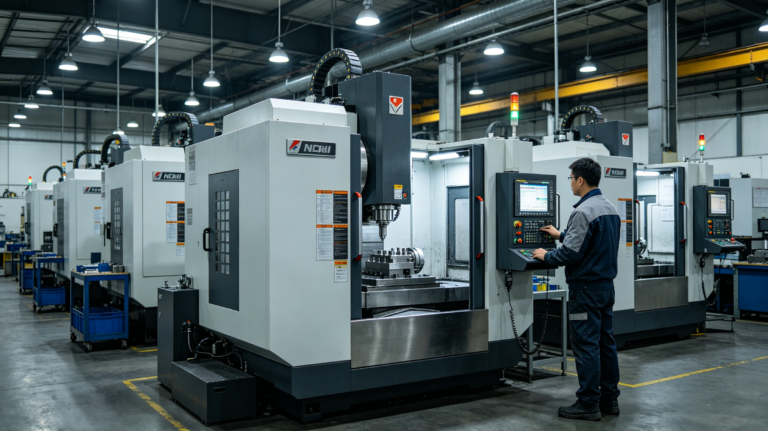
Introduction
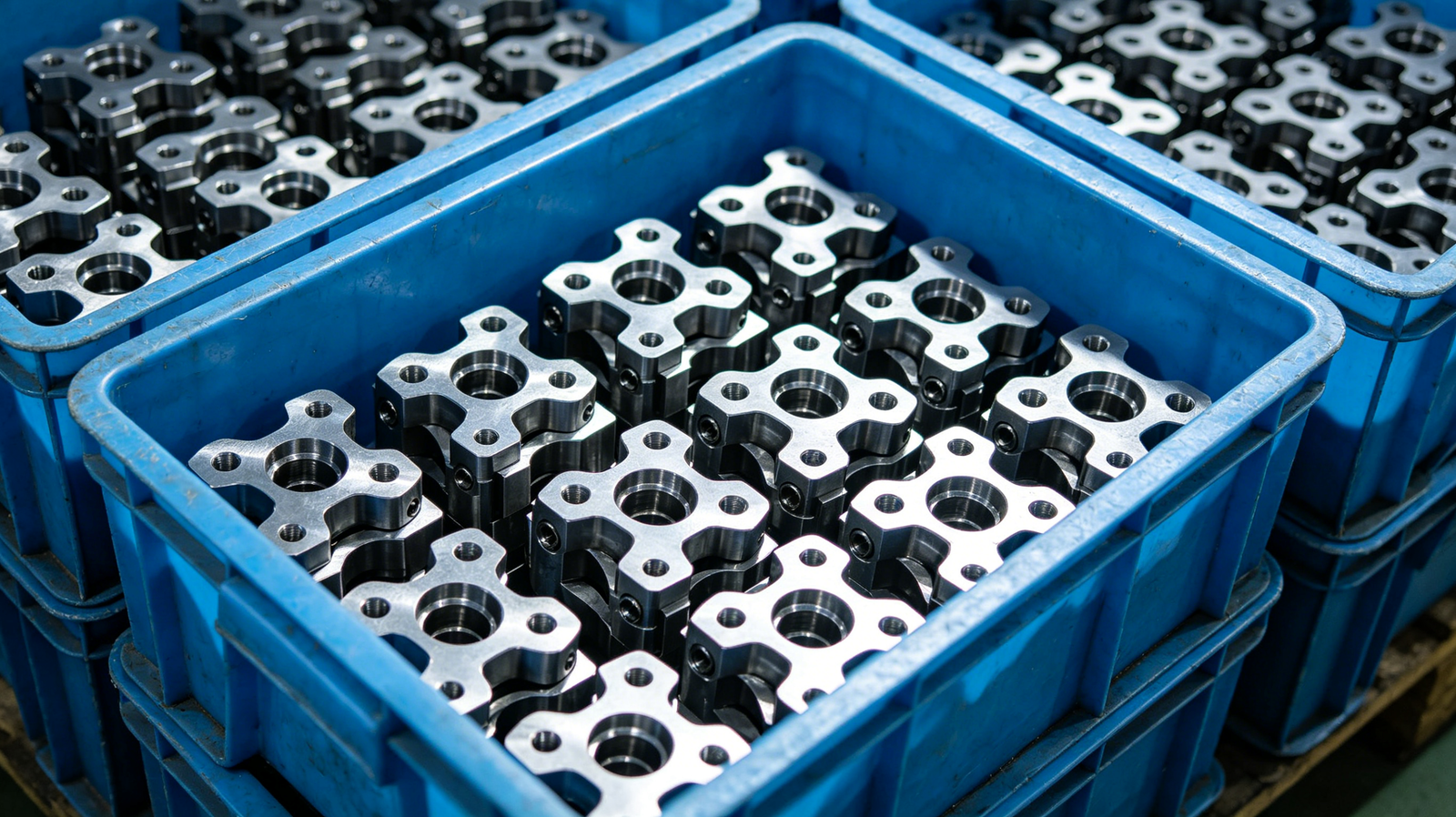
In modern precision manufacturing systems, CNC reverse engineering and mold replication are often confused by customers, but they differ fundamentally in engineering logic, data sources, and production pathways. The former is based on digital modeling and reconstruction from measurement data, while the latter relies on reproducing an existing physical mold structure. Understanding this distinction is the first step to avoiding incorrect product development decisions.
In real projects at Xiamen Ruicheng, many clients from consumer electronics, automotive components, and industrial equipment industries face decision-making challenges when developing new products or replacing legacy parts. Choosing the correct path between CNC reverse engineering and mold replication directly impacts development cycle time and mass production cost structure.
How Does CNC Reverse Engineering Work?
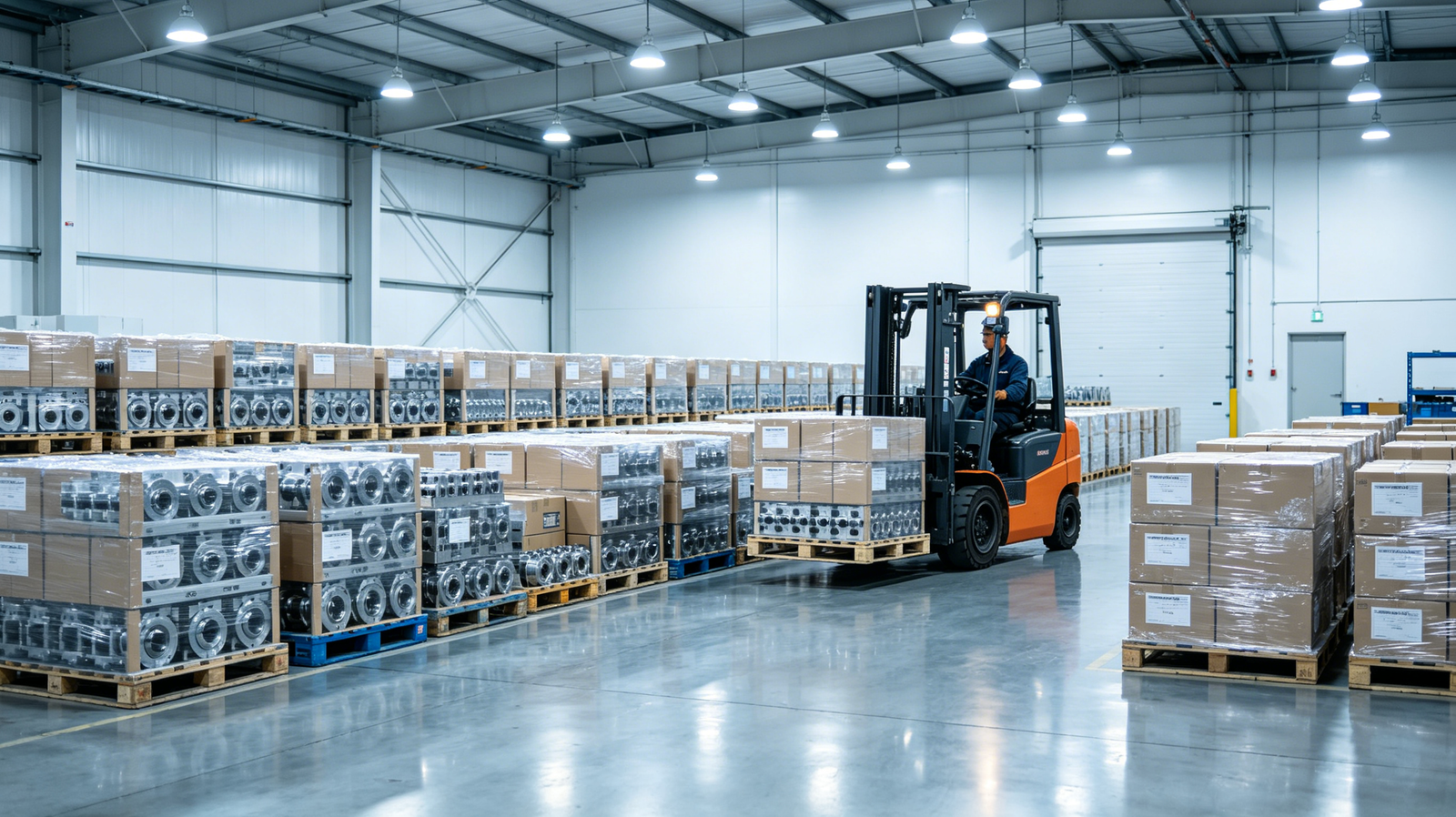
CNC reverse engineering is an engineering method that reconstructs digital models based on physical object data. It typically uses 3D scanning, coordinate measurement, or CT scanning to capture geometric information, followed by CAD reconstruction and CNC machining. In Xiamen Ruicheng’s engineering system, this method is commonly used for legacy part reconstruction or design improvement when original drawings are unavailable. Its core value lies in “deriving design data from physical objects.”
Data Acquisition Stage: Uses 3D scanning technology to capture the geometry of the part as the foundation for modeling.
Model Reconstruction Stage: Engineers use CAD systems to repair surfaces and optimize structures for manufacturability.
CNC Machining Stage: Converts digital models into physical parts through CNC equipment with high precision.
Error Correction Stage: Iterative adjustments are made based on prototype feedback to improve consistency.
📌 The essence of reverse engineering is digital reconstruction, not physical copying.
Why Can’t Mold Replication Replace Reverse Engineering?
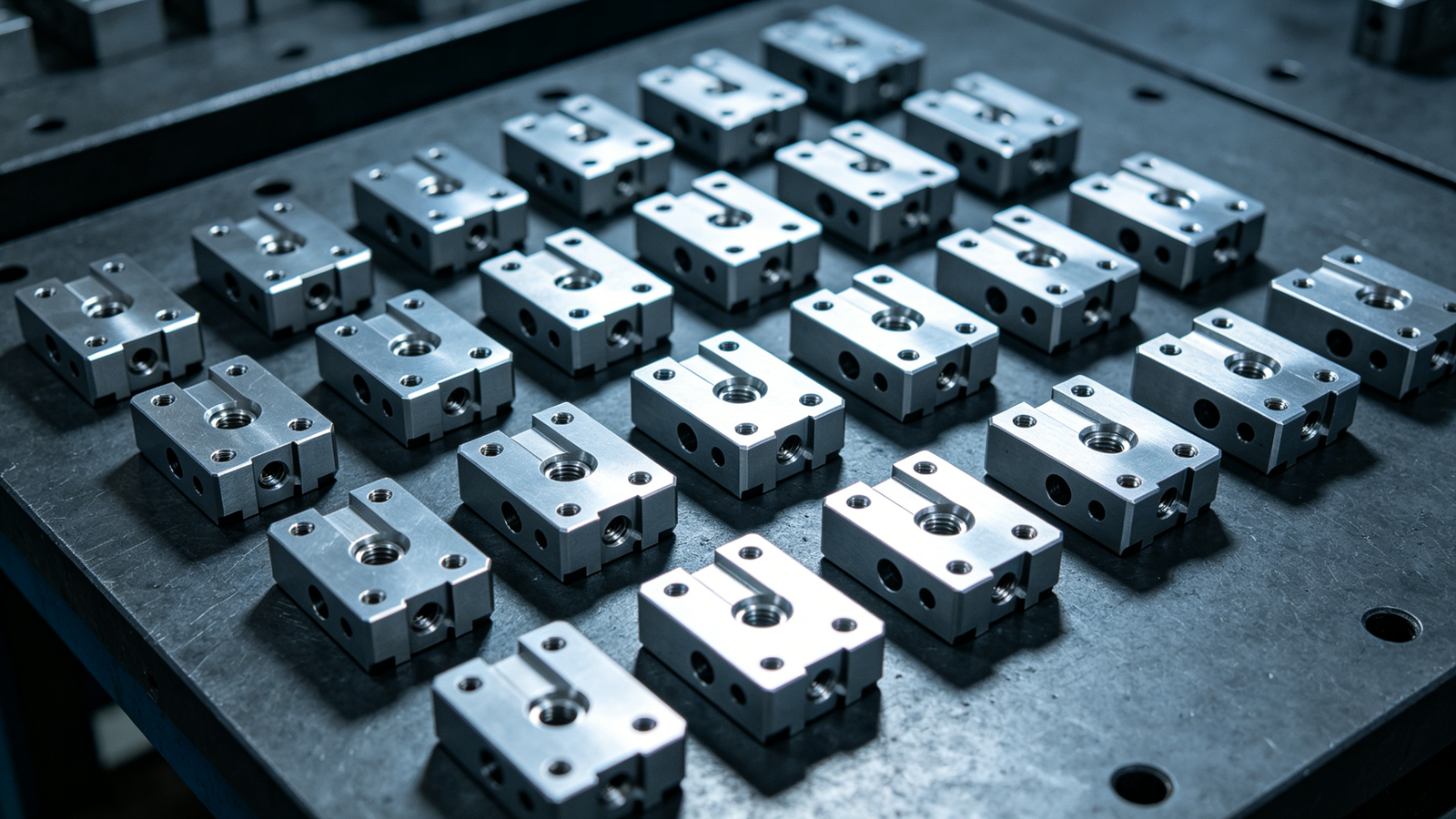
Mold replication refers to reproducing or duplicating products based on an existing mold structure. It relies on physical structures rather than digital reconstruction. While efficient for duplicating mature products at scale, it has clear limitations in complex or high-precision applications. Xiamen Ruicheng typically evaluates product lifecycle and design complexity before selecting this approach. Mold replication is suitable for stable products, not unknown or evolving designs.
Strong Structural Dependence: Requires existing molds or complete structures; otherwise, details cannot be accurately reproduced.
Low Design Flexibility: Difficult to optimize or upgrade product functions; only allows geometric duplication.
Precision Deviation Risk: Mold wear or deformation is directly transferred to all replicated parts.
Limited Application Scope: Mainly suitable for backup or replacement of mature mass-produced products.
📌 Mold replication is physical continuity, not engineering redesign.
What Are the Core Differences in Real Manufacturing?
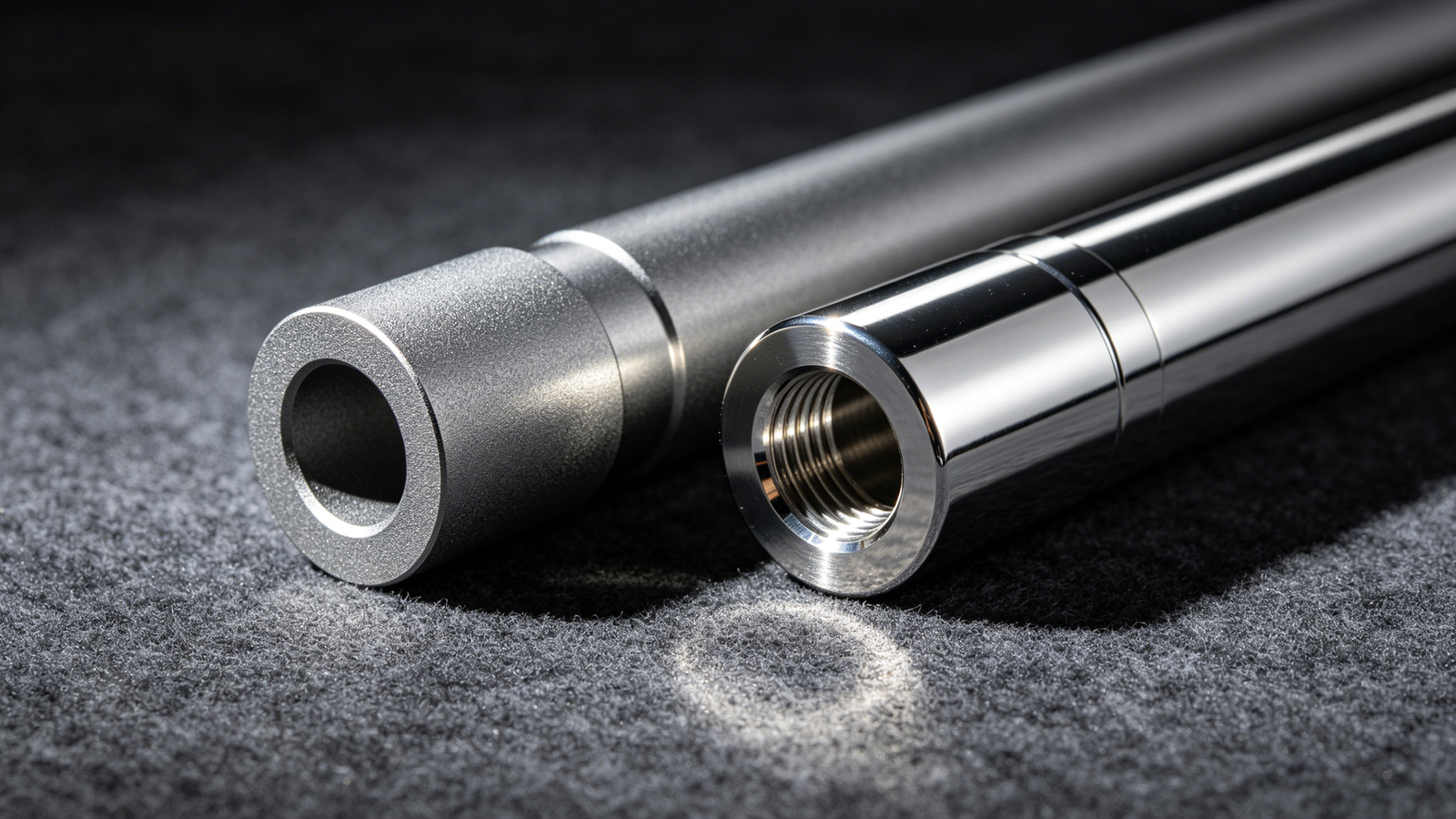
In Xiamen Ruicheng’s engineering evaluation system, the choice between CNC reverse engineering and mold replication often determines the entire product development route. The former emphasizes data-driven reconstruction, while the latter focuses on structural reproduction. By combining CAD/CAM systems with mold manufacturing expertise, the fundamental differences become clear. The key distinction is whether “design redefinition capability” exists.
Data Source Difference: Reverse engineering relies on scanning and measurement data; mold replication relies on existing physical mold structures.
Development Process Difference: Reverse engineering includes modeling and optimization; mold replication skips the design stage.
Cost Structure Difference: Reverse engineering has higher upfront cost but allows optimization; mold replication has lower upfront cost but higher long-term constraints.
Application Difference: Reverse engineering is suitable for customized complex parts; mold replication is suitable for standardized mass production parts.
📌 Choosing the wrong path can lead to both schedule delays and cost overruns.
Technical and Commercial Value Comparison Table
| Dimension | CNC Reverse Engineering | Mold Replication | Impact |
|---|---|---|---|
| Data Source | 3D scanning/CAD reconstruction | Physical mold structure | Determines design freedom |
| Design Capability | Optimizable reconstruction | Limited modification | Affects product upgrades |
| Development Cycle | Medium to long | Short | Affects time-to-market |
| Cost Structure | High upfront, optimized later | Low upfront, limited later | Affects long-term ROI |
| Precision Control | Digital control | Mold-dependent | Affects batch consistency |
| Application Scenario | New/custom parts | Mature product duplication | Determines technical route |
If you are evaluating CNC machining or mold solutions, you can contact Xiamen Ruicheng engineering team for structural analysis support via contact us
How to Choose the Right Manufacturing Path?
In real industrial projects, selecting between CNC reverse engineering and mold replication must consider product lifecycle, cost budget, delivery time, and design complexity. Xiamen Ruicheng typically provides DFM analysis at the early stage to help clients avoid incorrect decisions. Correct decisions significantly reduce rework and modification costs.
1.Availability of Design Data: No drawings → reverse engineering preferred; existing mature molds → replication possible.
2.Need for Structural Optimization: If optimization is required, CNC reverse engineering is necessary.
3.Mass Production Scale: Large-scale stable production is more suitable for mold systems.
4.Time and Cost Constraints: Urgent projects may prioritize mold replication.
FAQ: CNC Reverse Engineering vs Mold Replication
Q1: How can buyers decide between reverse engineering and mold replication?
A: It depends on whether original design data exists and whether structural optimization is needed. If drawings are missing or improvements are required, reverse engineering is preferred.
Q2: Is reverse engineering always more expensive than mold replication?
A: Initial cost is usually higher, but lifecycle cost may be lower if design optimization and production stability are considered.
Q3: Can mold replication guarantee high precision consistency?
A: Yes, if the mold is in good condition, but long-term wear will affect consistency.
Q4: Is reverse engineering suitable for all products?
A: No. It is mainly used for complex parts or products without drawings.
Q5: What engineering support does Xiamen Ruicheng provide?
A: Xiamen Ruicheng provides integrated support including CNC reverse modeling, mold design, and mass production manufacturing to help clients choose the optimal path.
Conclusion
CNC reverse engineering and mold replication represent two fundamentally different manufacturing paradigms: “digital reconstruction” and “physical continuity.” The choice between them directly affects product development efficiency and long-term cost structure. Understanding this distinction is essential for building an efficient manufacturing strategy.In practical industrial applications, Xiamen Ruicheng recommends making decisions based on product complexity and lifecycle rather than cost alone.
For expert assistance in implementing solutions for your production needs, visit our resource center or contact us. Let’s help you scale up your manufacturing with precision and efficiency!