Introduction

In real-world CNC machining production, burrs are not just isolated machining defects but a systemic quality challenge spanning design, machining, and post-processing stages. Especially in automotive components, consumer electronics housings, and industrial assemblies, even micro burrs can affect assembly precision and functional safety. The selection of deburring processes directly determines batch consistency levels.
In precision manufacturing practices, Xiamen Ruicheng has observed that the real pain point for customers is not “whether burrs exist,” but “whether batch-to-batch quality is stable.” Across mass production programs, manual, automated, and thermal deburring methods show fundamentally different stability and cost structures. Process selection is essentially a supply chain stability decision, not just a machining choice.
Why Manual Deburring Is Still Used
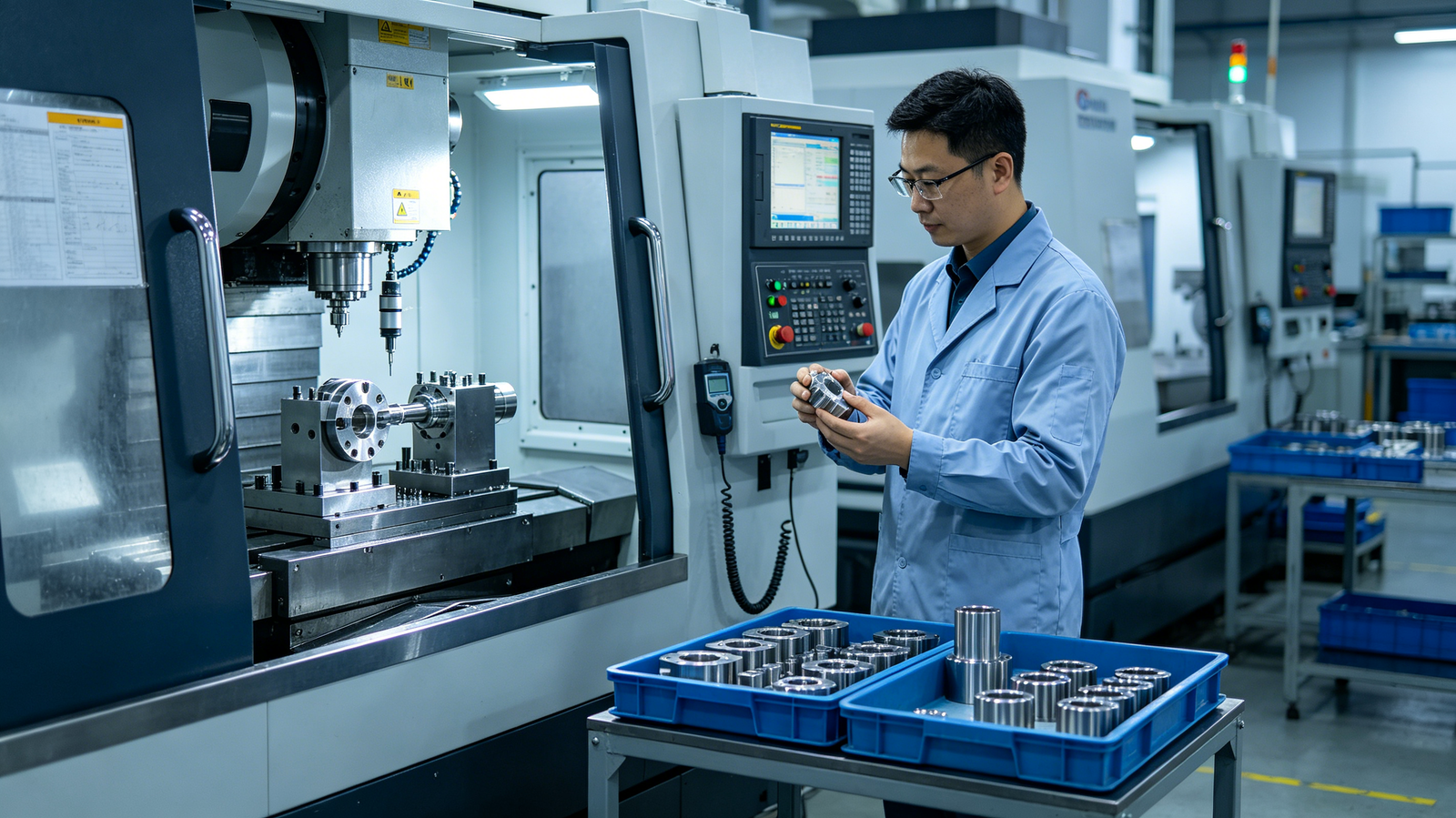
In prototyping and low-volume production, manual deburring is still widely used due to its flexibility and low initial cost. However, in scaled manufacturing, its limitations become clear. The higher the human dependency, the greater the quality variability risk.In Xiamen Ruicheng’s project evaluation system, manual deburring is typically restricted to engineering validation stages rather than final production.
Flexibility advantage: Suitable for complex geometries and early design iterations.
Low upfront cost: No equipment investment required.
Low consistency: Output varies significantly by operator.
Efficiency bottleneck: Becomes a limiting factor in mass production.
📌 Manual deburring delivers flexibility, not stability.
Why Automated Deburring Is Becoming the Standard
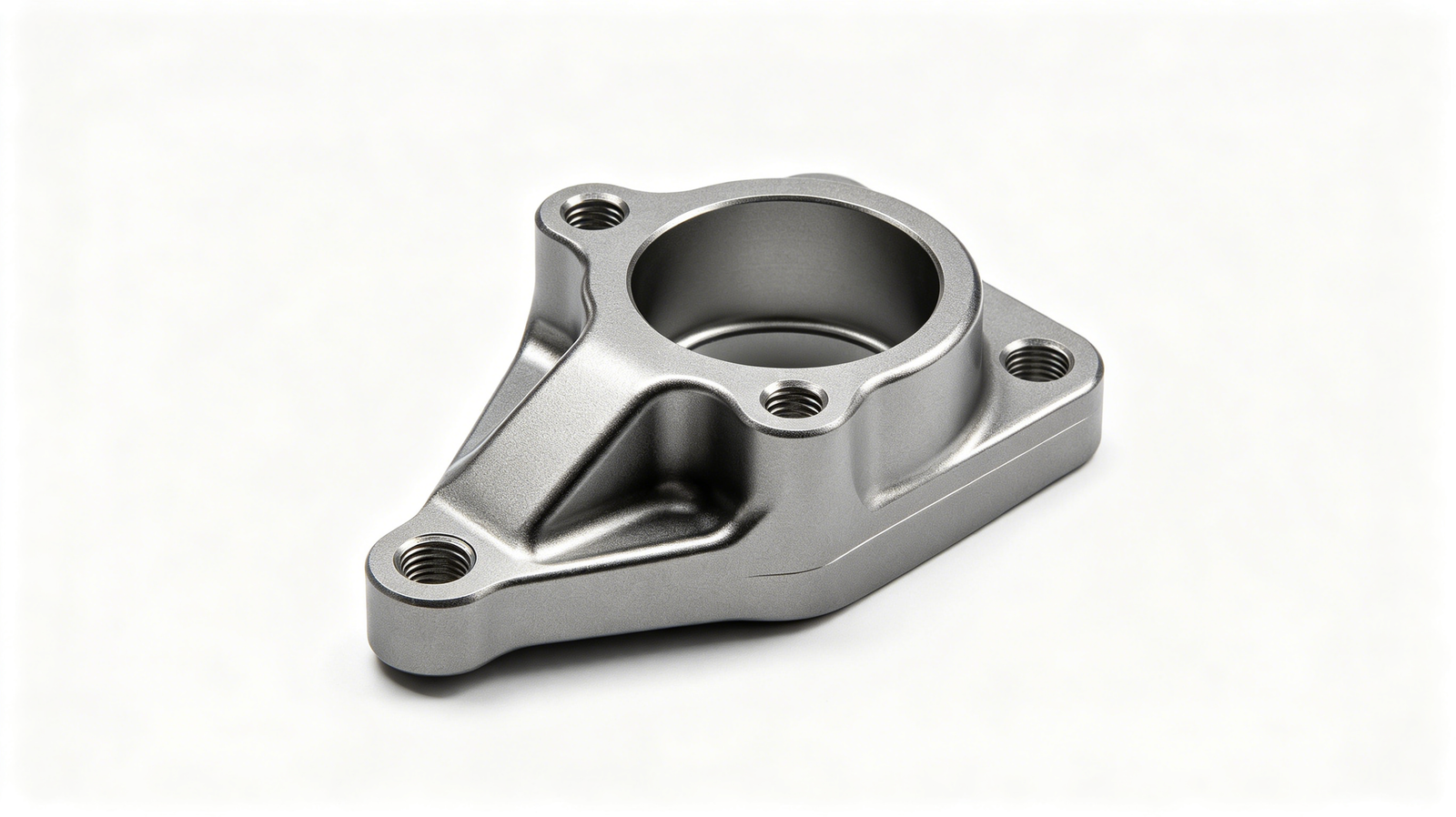
As manufacturing demand shifts toward consistency, CNC deburring processes are increasingly automated, including robotic grinding, CNC brushing systems, and waterjet-assisted deburring. The core advantage is process controllability. Standardized workflows are essential for achieving batch consistency.In Xiamen Ruicheng’s mass production projects, automated deburring is often integrated with inspection systems to form a closed-loop quality control process.
High repeat accuracy: Robotic paths reduce human deviation.
Strong batch stability: Suitable for medium to large-scale production.
Traceability: Parameters can be recorded for quality analysis.
System integration: Can be embedded into CNC production lines.
📌 Automation is becoming the default configuration in mid-to-high-end manufacturing.
Where Thermal Deburring Excels
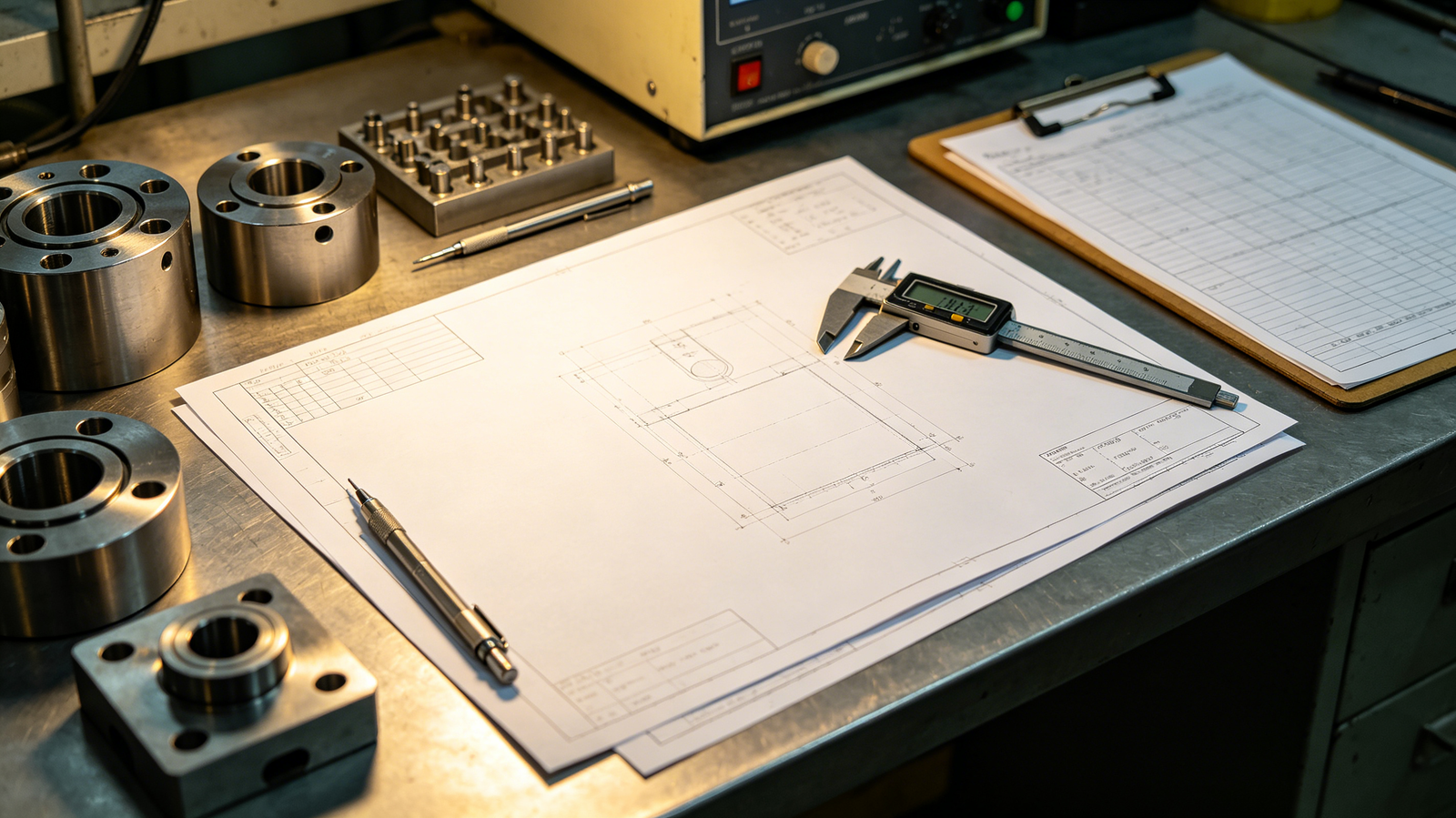
Thermal energy deburring removes micro burrs using instantaneous high-temperature combustion. It is particularly suitable for internal holes, cross-drilled channels, and complex geometries that are difficult to access mechanically. It solves problems traditional mechanical methods cannot reach.In automotive sensor housing projects, Xiamen Ruicheng has applied thermal deburring to significantly improve assembly reliability.
Strong for complex structures: Ideal for internal cavities and intersecting holes.
High efficiency: One cycle can process multiple burr points.
Good consistency: Minimal human influence.
High equipment cost: Suitable for scaled production environments.
📌 Thermal deburring is a complementary high-end manufacturing solution.
Comparison Table of Three Deburring Methods
| Process Type | Cost Structure | Consistency | Application Stage | Automation Level | Risk Control |
|---|---|---|---|---|---|
| Manual Deburring | Low initial cost | Low | Prototype / Trial | Low | High variability |
| Automated Deburring | Medium investment | High | Mass production | High | Medium |
| Thermal Deburring | High equipment cost | Medium–High | Complex mass production | Medium–High | Low |
This comparison shows that no single method is universally superior. Selection depends on part geometry, volume requirements, and quality targets. Xiamen Ruicheng typically applies DFM-based evaluation to determine the optimal hybrid solution.contact us
How to Select the Right Deburring Strategy Early
In engineering decision-making, deburring selection affects not only cost but also assembly yield and supply chain stability. For CNC machined parts, improper post-processing can introduce systemic batch risks. Selection is not about the process itself, but about lifecycle requirements.
Geometry complexity: Complex internal structures favor thermal solutions.
Production volume: High volume favors automation.
Prototype stage: Manual deburring is acceptable.
Quality requirements: High consistency programs should avoid full manual dependency.
📌 Process selection is fundamentally risk management.
FAQ: CNC Deburring
Q1: Which method is best for mass production?
Automated deburring provides the most stable performance for high-volume production due to reduced human variability.
Q2: Is manual deburring obsolete?
No. It is still widely used for prototyping and low-volume validation.
Q3: Does thermal deburring affect material properties?
When properly controlled, it does not affect the base material structure.
Q4: How to evaluate a supplier’s deburring capability?
Focus on process control systems, inspection capability, and batch consistency data—not just equipment list.
Q5: How does Xiamen Ruicheng select deburring methods?
Through DFM analysis combining geometry, volume, and quality requirements.
Conclusion
CNC deburring is not merely a finishing step but a manufacturing strategy decision. Each method has clear boundaries in cost, consistency, and application scope. A reliable manufacturing system must balance efficiency with stability.applies systematic process evaluation and mass production validation to deliver stable deburring solutions from prototyping to full-scale manufacturing.
For expert assistance in implementing CNC deburring solutions for your production needs, visit our resource center or contact us.Let’s help you scale up your manufacturing with precision and efficiency.