Introduction
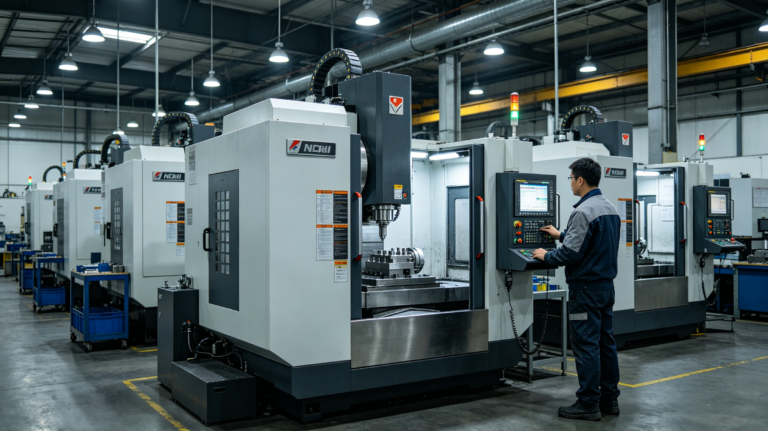
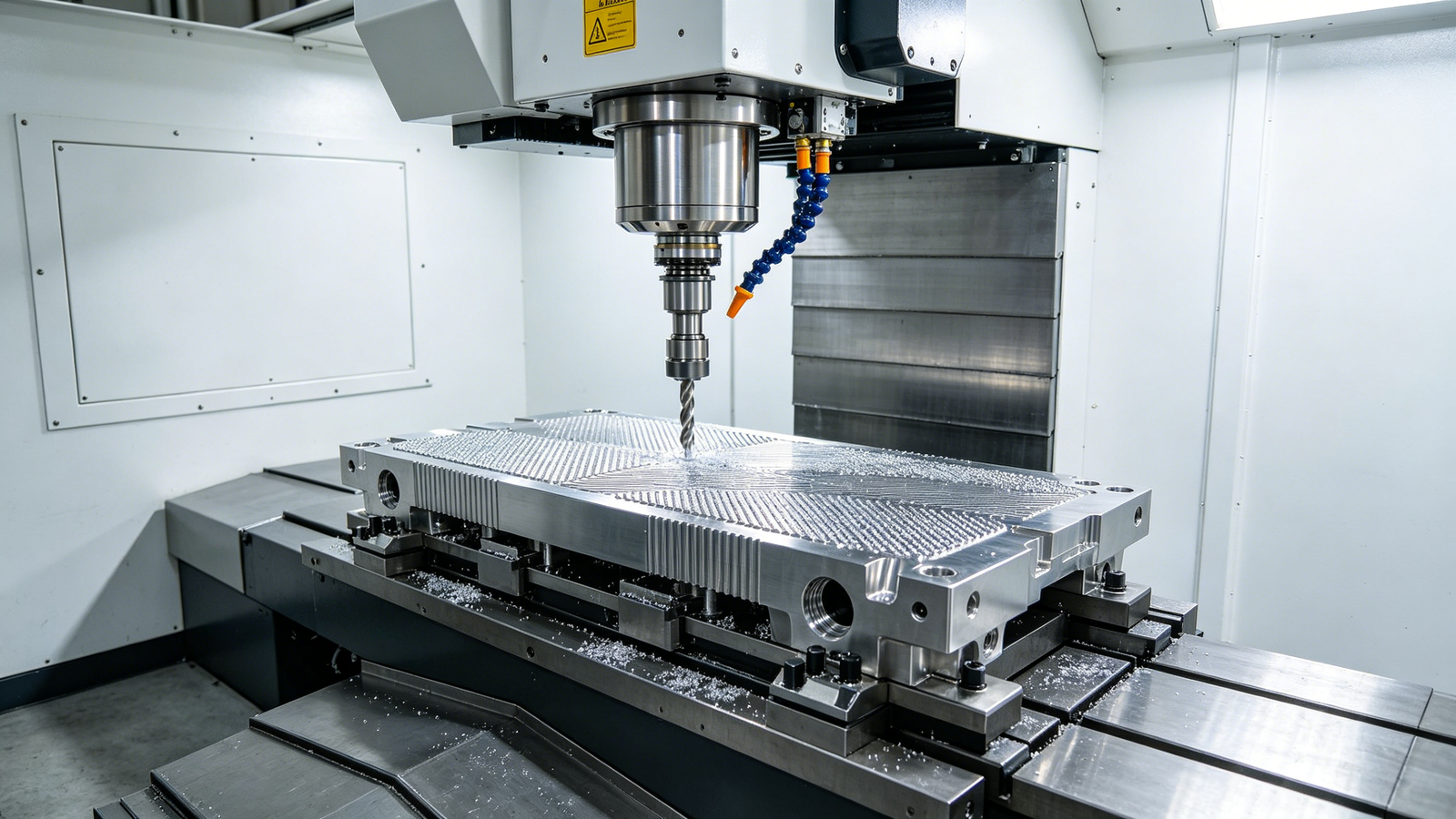
In the procurement of CNC precision milling parts, heat treatment and surface finishing processes directly determine service life, dimensional stability, and overall reliability. From the perspective of Xiamen Ruicheng, a stable manufacturing system must treat process control as a core engineering variable rather than a secondary finishing step. Heat treatment consistency under high-load conditions is the foundation of part reliability.
Surface engineering is not only a protective layer but also a functional extension that influences wear resistance, corrosion resistance, and visual uniformity. Many procurement failures originate not from design issues but from incomplete understanding of the process chain. A complete process chain defines the upper limit of part performance.
How does heat treatment affect the stability of CNC machined parts?
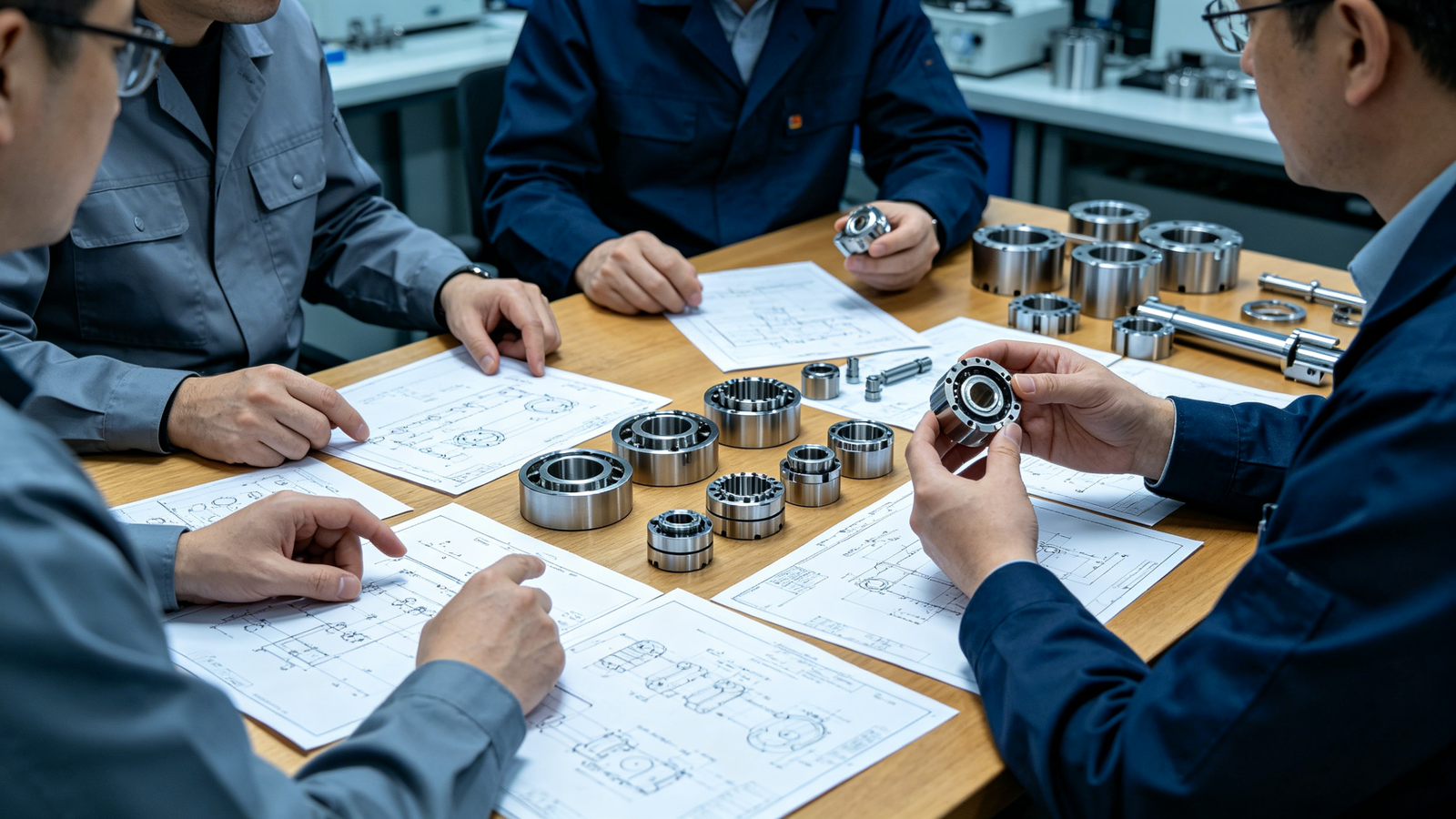
In CNC precision milling parts manufacturing, heat treatment modifies the internal microstructure and residual stress distribution of materials. Processes such as quenching and tempering significantly influence hardness gradients and fatigue resistance while impacting compliance with industry heat treatment standards and material property evaluation systems. Improper heat treatment control can lead to dimensional distortion and structural failure. Procurement teams must verify furnace temperature uniformity reports, process curves, and hardness test records as core supplier qualification evidence. At Xiamen Ruicheng, multi-stage thermal control combined with real-time monitoring ensures batch-to-batch consistency.
Temperature Control Precision: Small fluctuations in thermal cycles directly affect grain structure stability and mechanical performance.
Process Repeatability: Batch consistency is a key indicator of supplier capability in industrial procurement.
Material Response Variation: Different alloys react differently under identical heat treatment conditions.
Failure Risk Management: Lack of control may lead to cracking or reduced fatigue life.
🔥 Heat treatment stability is the foundation of CNC part reliability
How does surface treatment determine service life and appearance consistency?
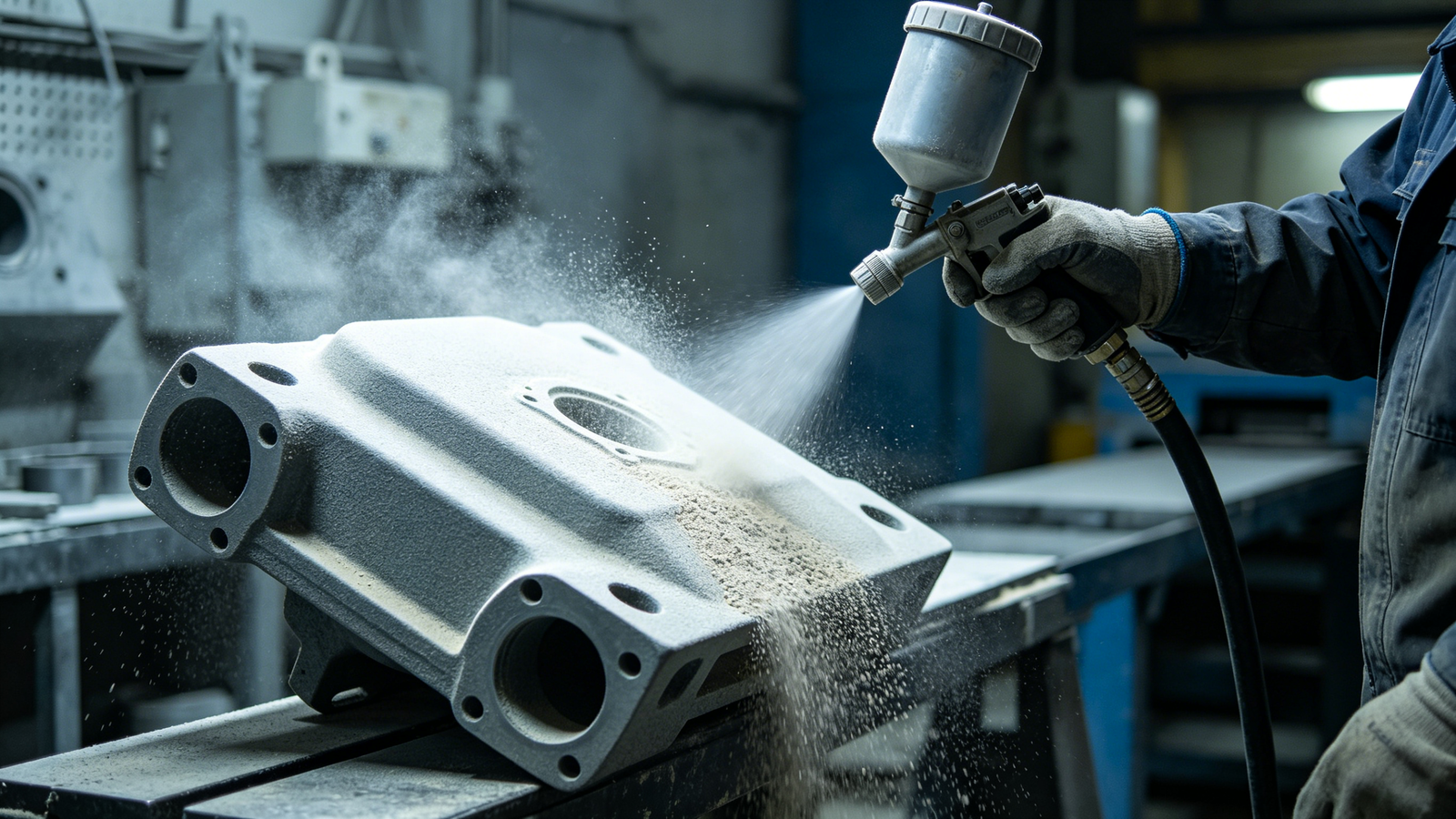
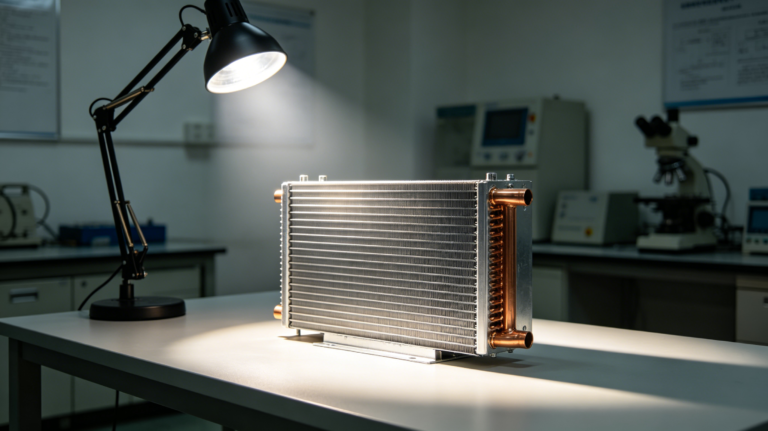
Surface treatment processes such as anodizing, nickel plating, and sandblasting directly influence wear resistance and corrosion protection of CNC precision milling parts. These processes are closely associated with surface engineering standards and corrosion resistance evaluation systems. Surface treatment quality defines the environmental durability ceiling of components. In real production cases at Xiamen Ruicheng, over 60% of quality issues were traced back to coating adhesion failure or process mismatch.
Adhesion Strength Control: Determines whether coating layers remain stable under long-term use.
Environmental Adaptability: Different environments require different protective finishing systems.
Coating Thickness Uniformity: Uneven layers accelerate localized wear.
Appearance Consistency: Critical for brand-level product uniformity in mass production.
🌟 Surface treatment extends both functional and commercial value of CNC parts
How do heat treatment and surface finishing interact in overall performance?
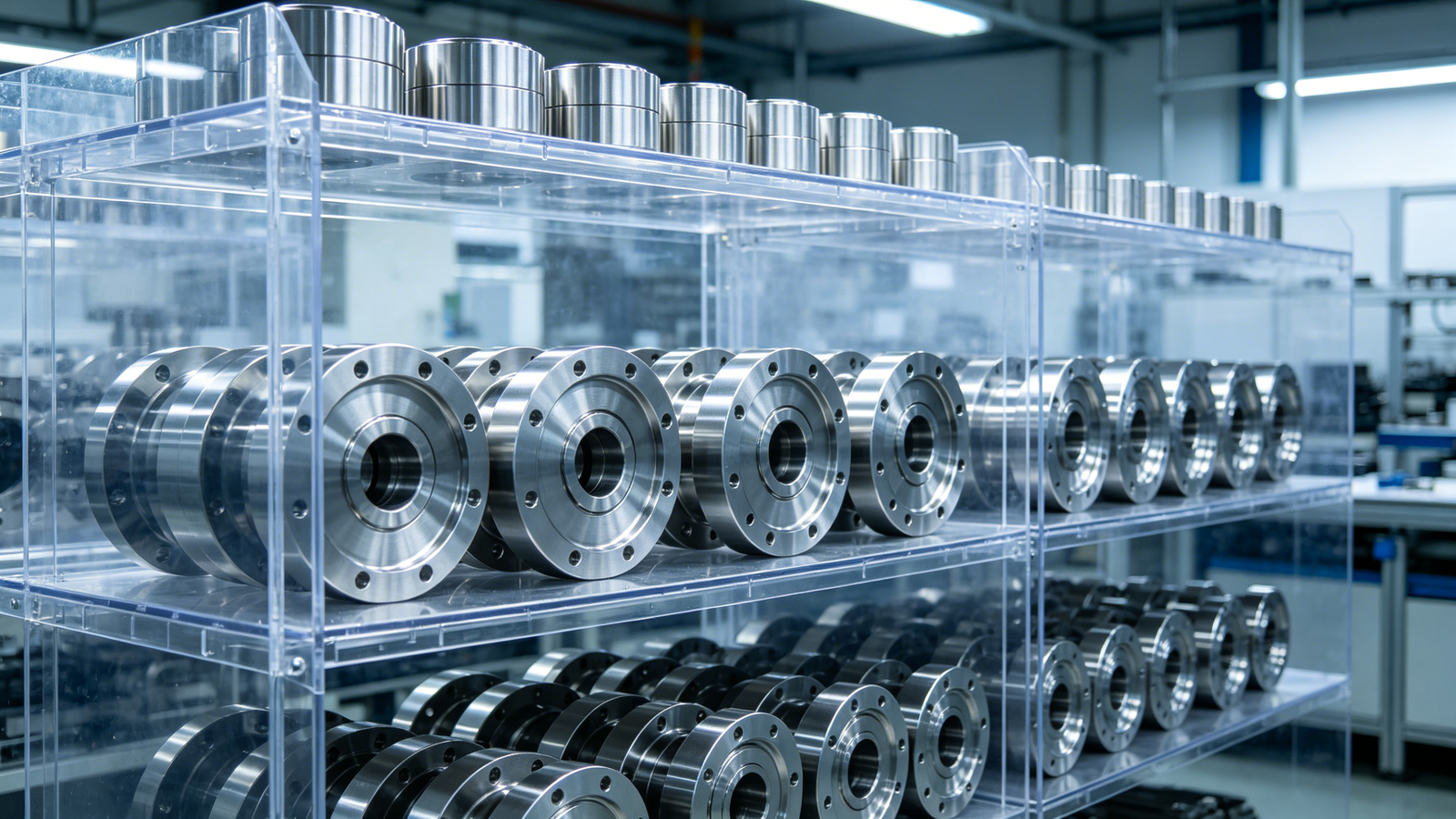
Heat treatment and surface finishing are not independent steps but interconnected systems. Excessive hardness may reduce coating adhesion, while improper surface treatment can weaken the benefits of heat-treated structures. Therefore, process integration must be evaluated systematically using engineering optimization models. Process synergy determines the ultimate performance ceiling of CNC parts. At Xiamen Ruicheng, both thermal and surface parameters are evaluated simultaneously during early-stage process planning to avoid performance conflicts.
Hardness Compatibility: Excessive hardness may reduce coating bonding strength.
Residual Stress Influence: Internal stress affects surface layer stability.
Process Sequence Design: Order of operations significantly impacts final performance.
Validation Mechanism: Prototype testing is required before mass production.
⚙️ Integrated process design is essential for high-reliability CNC manufacturing
Heat Treatment vs Surface Treatment
| Dimension | Heat Treatment | Surface Treatment | Synergy Effect | Procurement Focus |
|---|---|---|---|---|
| Functional Layer | Internal structure | External coating | Dual reinforcement | Process integrity |
| Performance Impact | Strength & hardness | Wear & corrosion resistance | System-level improvement | Stability |
| Control Complexity | High | Medium | High | Engineering capability |
| Cost Influence | Medium | Medium-High | Combined cost structure | Cost-performance balance |
| Failure Mode | Structural failure | Surface degradation | System failure risk | Risk control |
👉 For engineering-level evaluation and process matching support, Xiamen Ruicheng provides full technical assistance. Contact us here: contact us
Key Decision Summary
In CNC precision milling procurement, heat treatment and surface finishing define both the performance ceiling and reliability boundary of components. Xiamen Ruicheng emphasizes a system-level evaluation approach that integrates material selection, process design, and verification testing. Procurement decisions must shift from parameter comparison to engineering process validation.
1.Heat Treatment Control: Ensures internal structural stability and mechanical strength consistency.
2.Surface Protection: Enhances wear resistance and corrosion performance through functional coatings.
3.Process Synergy: Requires coordinated design between thermal and surface engineering stages.
4.Supplier Capability: Xiamen Ruicheng provides full-process validation and engineering support systems.
FAQ Module
Q1: What is the key quality standard for heat treatment in CNC precision milling parts?
A: It requires strict control of hardness range, microstructure uniformity, and residual stress levels, supported by full thermal cycle documentation and metallographic inspection reports. Xiamen Ruicheng ensures compliance through multi-stage furnace monitoring and laboratory verification.
Q2: How to evaluate whether surface treatment is suitable for different working environments?
A: Selection must be based on environmental conditions such as humidity, salt spray, and wear intensity, combined with corrosion resistance test data to ensure suitability.
Q3: Does heat treatment affect dimensional accuracy?
A: Yes, especially in high-hardness processes where micro-deformation may occur, requiring compensation machining and post-processing correction.
Q4: Does surface treatment reduce mechanical strength?
A: Properly controlled processes do not reduce strength; instead, they improve overall service life, while improper application may reduce adhesion and fatigue resistance.
Q5: Does Xiamen Ruicheng support customized process solutions?
A: Yes, customized heat treatment and surface finishing combinations can be developed based on application requirements, followed by prototype validation before mass production.
Conclusion
In CNC precision milling parts procurement, heat treatment and surface finishing processes define the ultimate performance limit and reliability boundary of components. Procurement decisions must move beyond dimensional specifications and focus on process chain validation. Systematic process control is the foundation of high-reliability manufacturing delivery. Xiamen Ruicheng provides integrated engineering solutions covering design, process optimization, and full-scale validation to ensure stable industrial performance.
For expert assistance in implementing for your production needs, visit our resource center or contact us. Let’s help you scale up your manufacturing with precision and efficiency!