Introduction

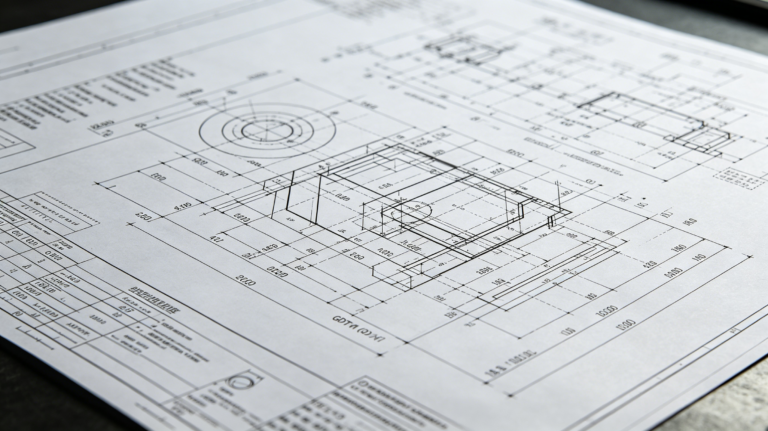
In precision manufacturing, the quality control of CNC machined parts depends not only on machining accuracy but also on whether the drawing tolerances are properly designed. Many companies overlook GD&T planning during the product development stage, resulting in increased CMM inspection items, complicated measurement paths, and longer inspection cycles. A well-designed GD&T strategy helps reduce unnecessary inspections while improving part consistency and production efficiency.
For automotive components, automation equipment, medical devices, and high-precision mechanical parts, inspection costs are often hidden outside the machining process. At Xiamen Ruicheng, we participate in the engineering review stage of CNC precision parts projects and optimize tolerance requirements through manufacturing analysis, allowing machining, assembly, and inspection to work as one efficient system. An excellent manufacturing solution is not about adding excessive precision, but about making quality verification more economical and reliable.
How Can GD&T Design Reduce CMM Inspection Costs?
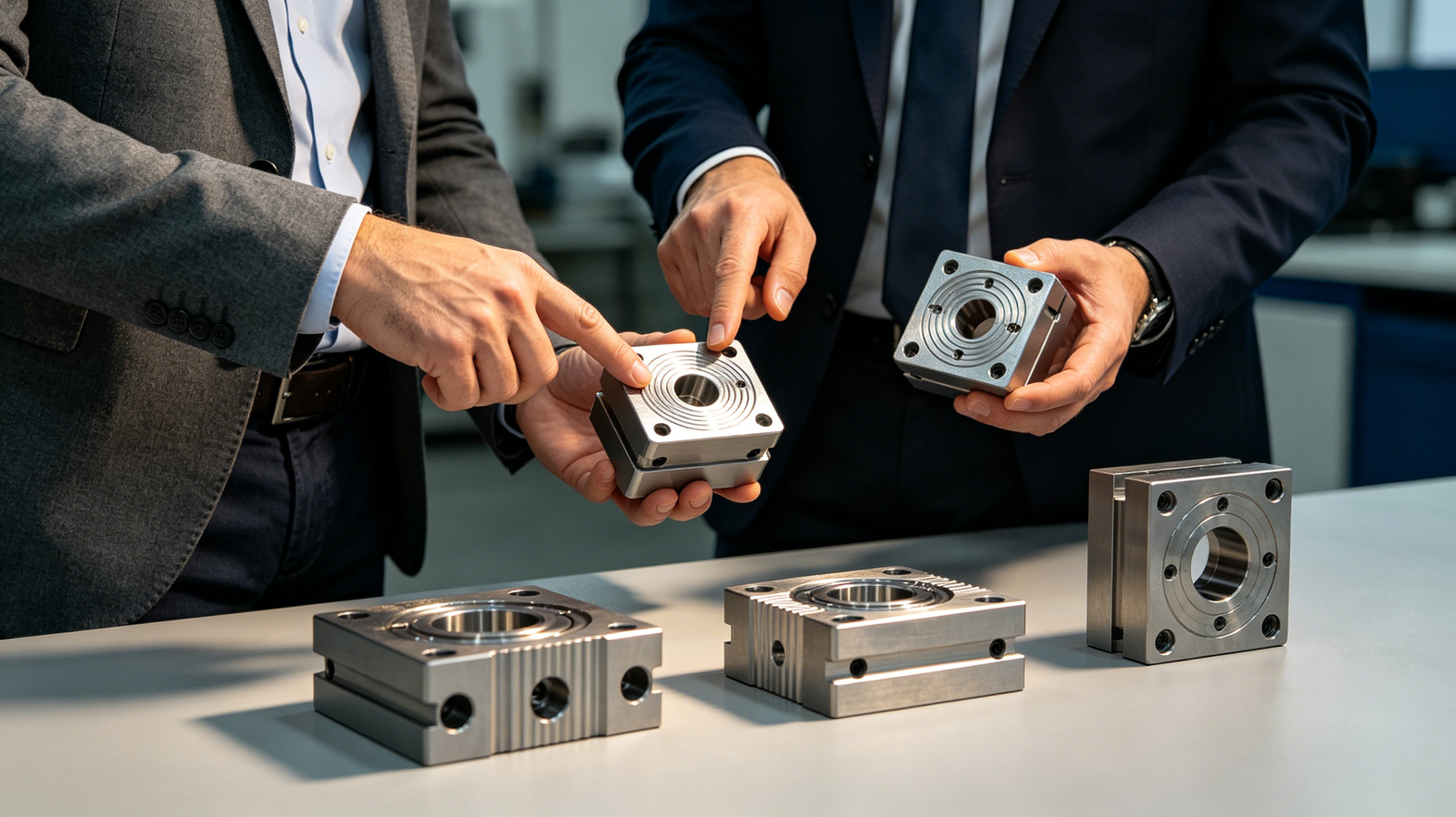
In CNC machining projects, unreasonable dimensional tolerances and geometric requirements can directly increase CMM inspection workload, including repeated measurements, complex datum alignment, and excessive tolerance verification. By applying proper GD&T standards, engineers can define critical functional areas and focus inspection resources on features that truly affect assembly and performance. Xiamen Ruicheng optimizes drawings based on coordinate measuring machine inspection requirements during precision machining projects, helping customers reduce unnecessary measurement tasks. The real value of GD&T optimization is making inspection follow product functions instead of simply checking large amounts of dimensional data.
Datum Planning: Proper datum selection reduces repeated CMM positioning and creates a more stable measurement process.
Tolerance Control: Using geometric tolerances such as position and flatness can replace excessive linear tolerance requirements and simplify inspection.
Inspection Path: Optimized drawings allow CMM programs to reduce unnecessary measurement points and improve inspection efficiency.
Manufacturing Coordination: Early communication between design, machining, and quality teams helps prevent expensive rework.
🔧 GD&T optimization allows CNC machining and CMM inspection to work together as a more efficient cost-control system.
How Can Overly Tight Tolerances Increase Inspection Costs?
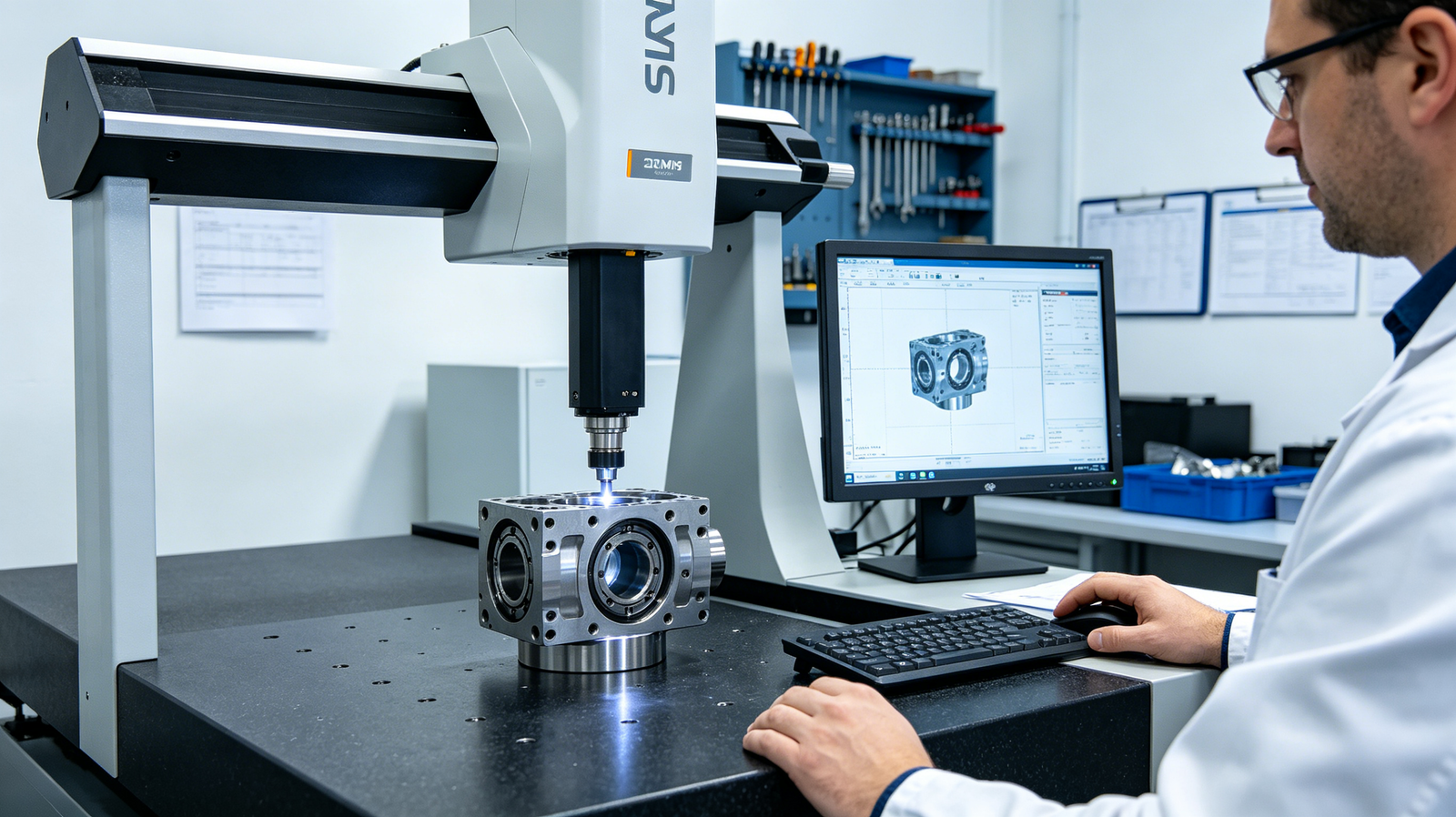
In many CNC custom machining projects, customers often tighten all dimensional tolerances to ensure quality, but excessive requirements do not always improve product value. Instead, they may increase machining difficulty and inspection expenses. By analyzing functional requirements and assigning precision levels only to critical areas, manufacturers can reduce unnecessary production pressure. A proper tolerance strategy must balance part performance, machining capability, and quality verification costs.
Function Analysis: Engineering teams should first identify which areas truly affect assembly and product operation.
Process Matching: Different machining methods have different realistic accuracy capabilities, and tolerance requirements should match manufacturing conditions.
Cost Control: Eliminating unnecessary ultra-tight tolerances helps reduce both machining and inspection costs.
Supplier Collaboration: Early involvement of manufacturing partners helps identify potential cost risks before production.
📐 Reasonable tolerances do not reduce quality standards; they ensure every precision requirement creates real value.
How Can Design Optimization Reduce CMM Measurement Tasks?
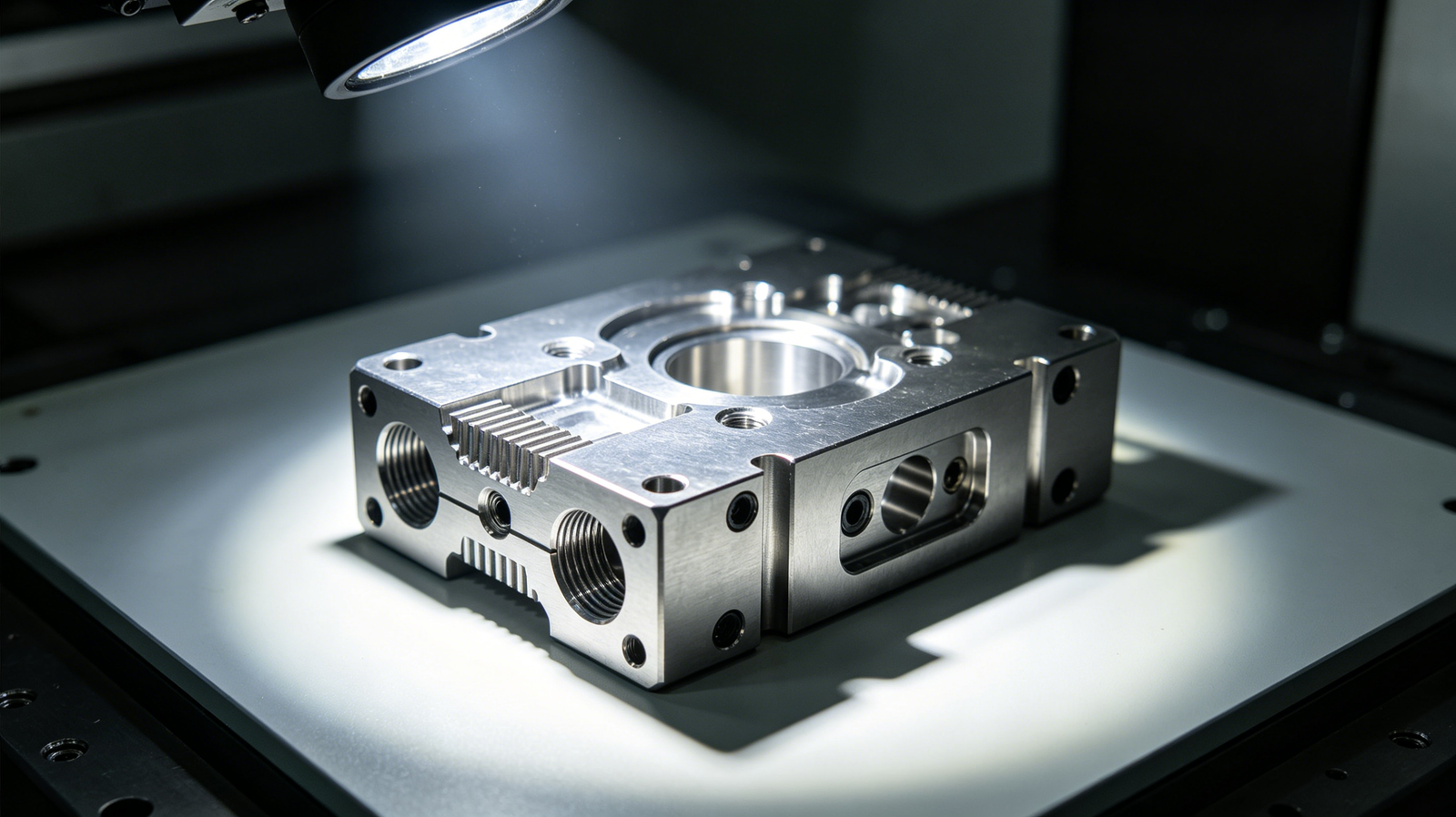
CMM inspection costs usually come from programming time, machine occupation, operator workload, and measurement data analysis. Therefore, reducing unnecessary measurement tasks is one of the most effective ways to control inspection costs. During CNC part manufacturing, Xiamen Ruicheng combines product structure analysis and assembly requirements to optimize inspection plans and make measurement priorities clearer through proper GD&T frameworks. Efficient inspection is achieved through accurate definition, not unlimited increases in measurement quantity.
Measurement Planning: Defining inspection points in advance prevents unnecessary adjustments after machining.
Structure Optimization: Improving part features during design helps simplify complex measurement operations.
Data Application: Inspection results can be used to continuously improve machining parameters.
Quality Management: Stable inspection logic improves consistency in high-volume production.
📊 The key to reducing CMM costs is not reducing quality control, but improving quality control efficiency.
GD&T Optimization Strategies Comparison for CNC Machining
| Optimization Area | Traditional Approach | Optimized Approach | Cost Impact |
|---|---|---|---|
| Tolerance Setting | Strict control everywhere | Function-based control | Lower machining difficulty |
| Datum Selection | Multiple mixed datums | Unified datum system | Shorter inspection time |
| Inspection Method | Full dimensional inspection | Critical feature inspection | Less CMM usage |
| Engineering Communication | Late-stage changes | Early optimization | Lower rework risk |
If you want to optimize GD&T requirements for CNC parts and reduce inspection costs, contact us to get a manufacturing evaluation from Xiamen Ruicheng’s engineering team.
How to Further Improve CNC Machining Quality Management?
Reducing CMM costs in CNC machining requires more than improving the inspection stage. It requires optimization throughout design, manufacturing, and quality control. Through DFM analysis, GD&T application, and structured quality management, parts can achieve better manufacturability from the beginning. A truly efficient manufacturing system creates a balance between machining precision and inspection cost.
1.Optimize During Design Stage:Engineering review helps identify unreasonable tolerance requirements early and reduces machining and inspection challenges.
2.Control During Machining Stage:Selecting proper machining parameters helps achieve stable production and consistent part quality.
3.Plan During Inspection Stage:Inspection strategies should focus on functional requirements instead of wasting resources on unnecessary measurements.
4.Strengthen Supply Chain Cooperation:Working with manufacturers who provide engineering support helps reduce long-term production risks.
GD&T Optimization FAQ
Question 1: What are the key quality advantages of your CNC precision parts?
Answer: Xiamen Ruicheng provides stable precision manufacturing solutions through GD&T analysis, machining process control, and CMM inspection planning while matching production methods with actual tolerance requirements.
Question 2: What information should we provide when requesting CNC machining services?
Answer: Customers usually need to provide CAD drawings, 3D models, tolerance requirements, material specifications, and application conditions so engineers can quickly evaluate the manufacturing approach.
Question 3: How are delivery times arranged for different CNC order volumes?
Answer: Xiamen Ruicheng creates production schedules based on prototypes, small batches, and mass production requirements while coordinating equipment capacity for reliable delivery.
Question 4: What happens if inspection results do not meet requirements?
Answer: The project team analyzes measurement data, identifies root causes, and solves issues through process adjustments, dimensional corrections, or quality verification.
Question 5: Can you optimize machining solutions for special requirements?
Answer: Yes, Xiamen Ruicheng provides customized CNC machining and inspection optimization recommendations based on part structure, precision requirements, and operating conditions.
Conclusion
GD&T in CNC manufacturing is not only a drawing communication method but also a connection between design, machining, and inspection processes. Proper tolerance planning reduces CMM complexity, improves production efficiency, and lowers long-term manufacturing costs. Xiamen Ruicheng helps customers build more efficient precision manufacturing solutions through engineering experience and process optimization.In today’s competitive manufacturing environment, cost reduction does not mean lowering standards. It means achieving stable quality through smarter engineering decisions. Optimizing GD&T design allows every inspection activity to create more value and every machining process to become more reliable.
For expert assistance in implementing CNC GD&T optimization for your production needs, visit our resource center or **contact us. Let’s help you scale up your manufacturing with precision and efficiency!