Introduction
In automotive manufacturing, surface roughness (Ra) is no longer a secondary machining parameter but a critical quality factor that directly influences sealing performance, assembly precision, and long-term reliability. Many procurement teams focus heavily on machine brands or nominal machining accuracy, while overlooking whether a CNC supplier can consistently maintain Ra stability in mass production environments. True automotive-grade suppliers must demonstrate repeatable Ra control across full production cycles rather than relying on sample-level results.
At Xiamen Ruicheng, automotive CNC machining projects are evaluated through a systematic approach covering material behavior, cutting strategy, tool condition, inspection methods, and batch consistency. Automotive components demand a closed-loop quality system that ensures stability from prototype development to high-volume production. Ra consistency in mass production ultimately determines whether a supplier can be considered a long-term manufacturing partner.
How can we determine if a CNC supplier can consistently control Ra requirements for automotive parts?
Surface roughness control in automotive machining must be evaluated based on functional requirements rather than nominal precision claims. Buyers should verify whether the supplier has a complete surface texture measurement system, proven mass production experience, and continuous improvement capability. A capable CNC supplier must demonstrate stable Ra performance across different production batches using real data. At Xiamen Ruicheng, process validation, first article inspection, and batch sampling are used to ensure consistent compliance with customer specifications.
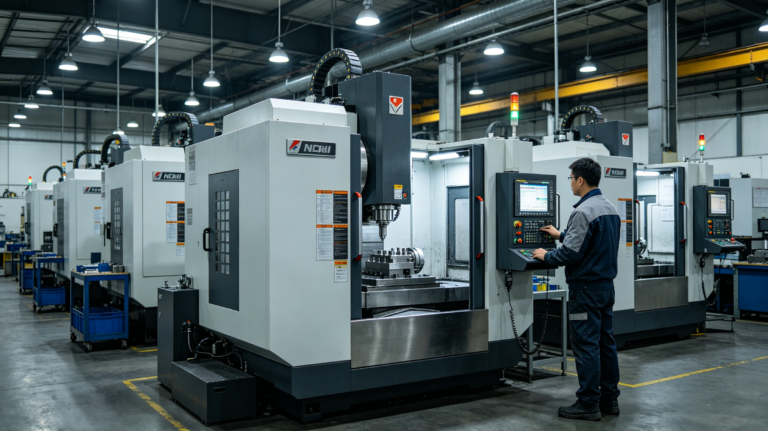
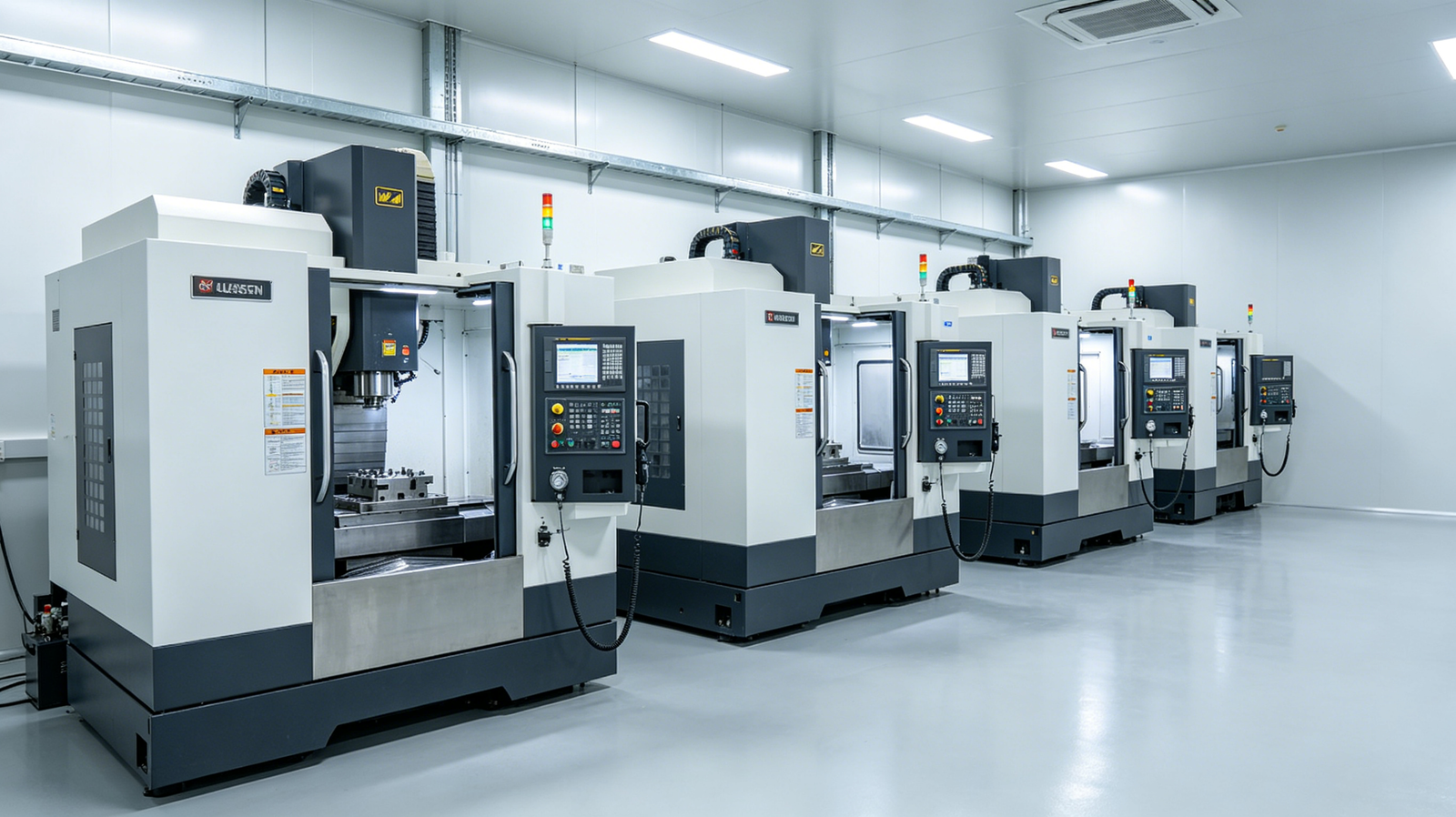
Equipment capability: Multi-axis machining centers, precision milling systems, and stable shop-floor environments reduce surface variation.
Process planning: Optimized tool paths and cutting parameters minimize vibration marks and surface defects.
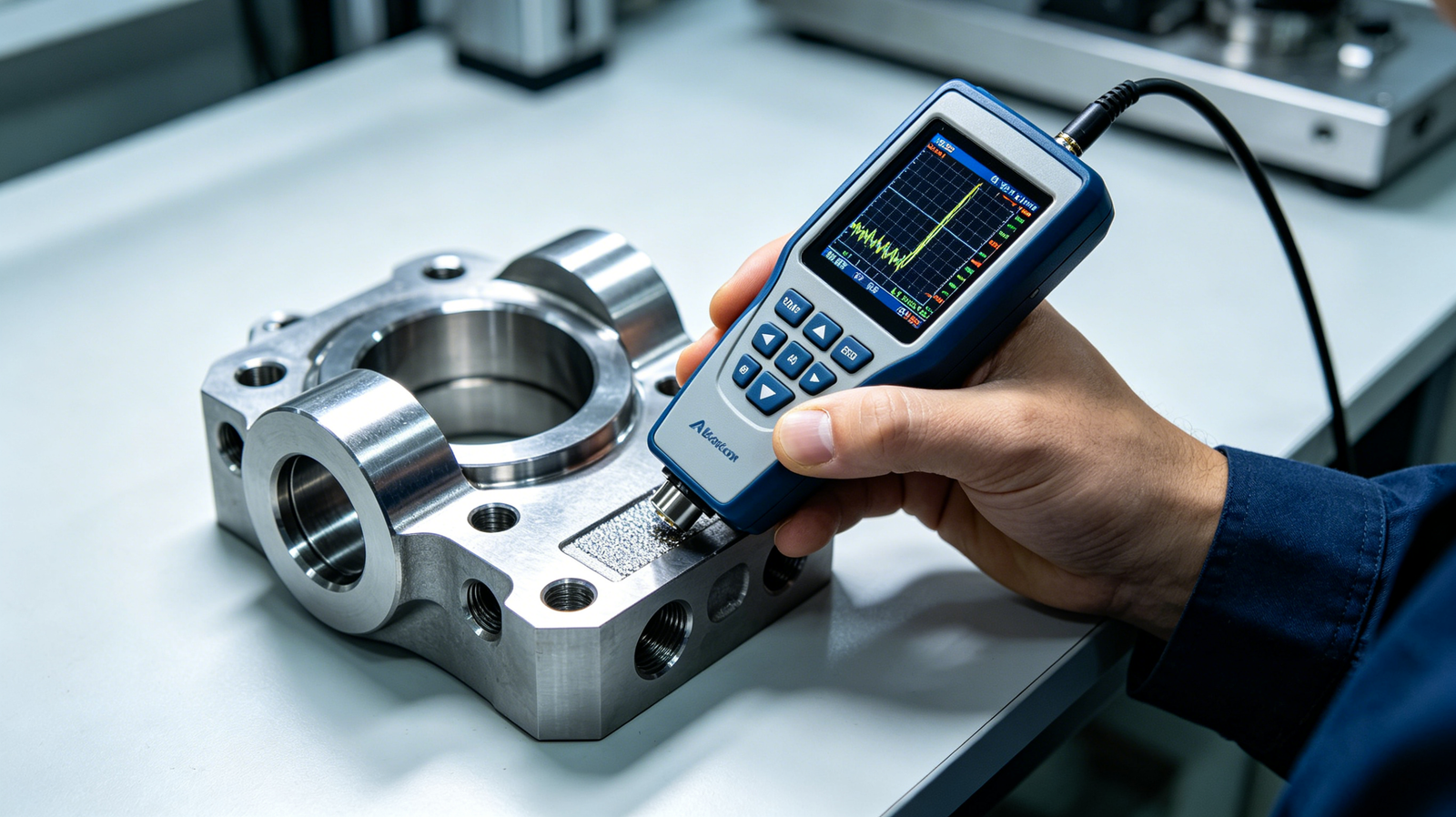
Inspection system: Roughness testers and CMM verification ensure traceable quality control.
Mass production validation: Long-term stability must be proven through continuous production data, not isolated samples.
📌 Supplier evaluation should focus on long-term consistency rather than one-time machining results.
Why is process management critical for Ra stability in automotive mass production?
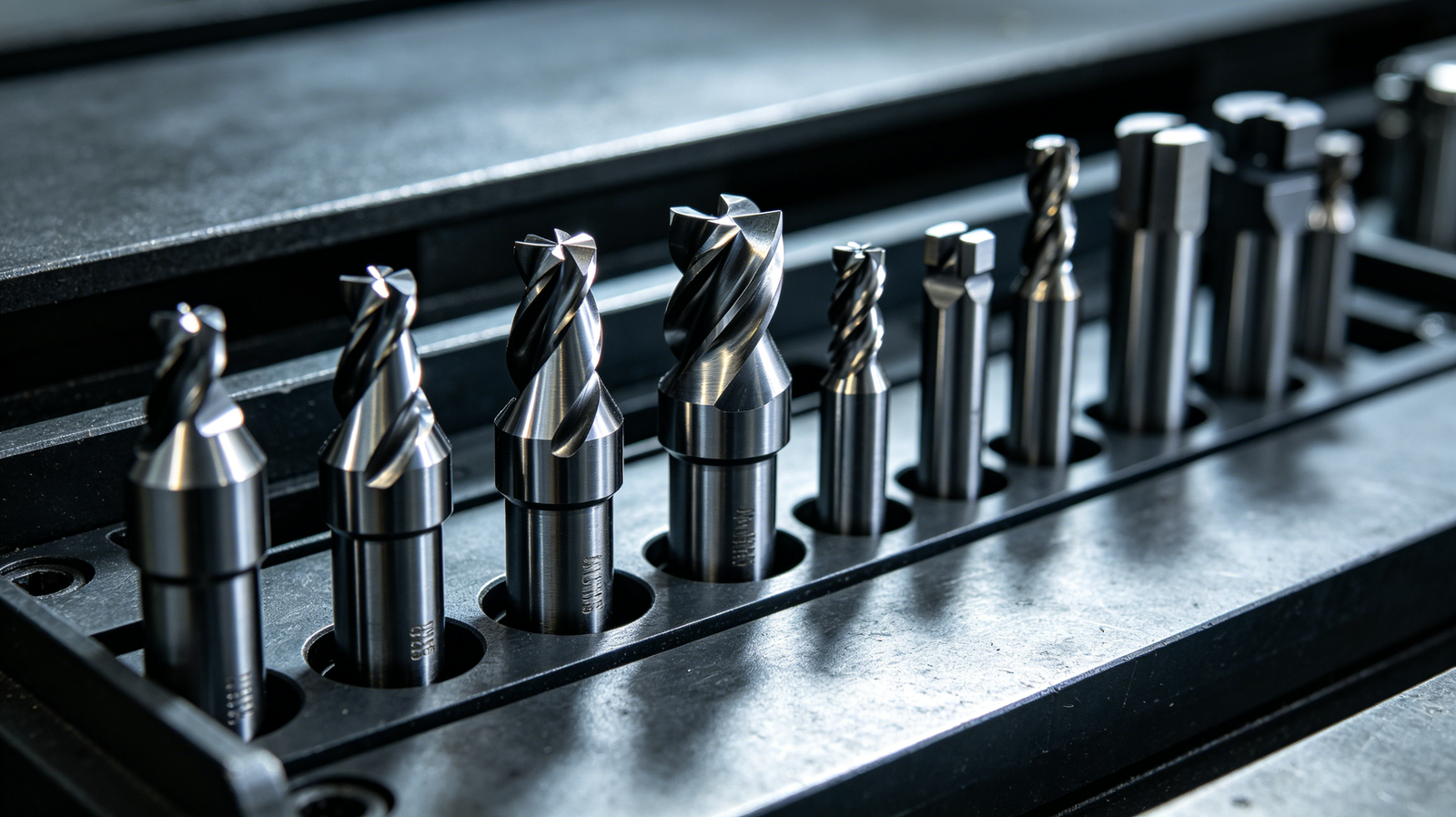
Automotive production requires not only initial compliance but also long-term consistency across large batches. Without a robust quality management system, even suppliers that pass sample inspection may fail in continuous production due to process drift. Surface roughness variation in mass production is usually caused by unstable process control rather than machining capability limitations. Xiamen Ruicheng implements process standardization, tool lifecycle management, and feedback loops to minimize production risk.
Process control: Standardized machining parameters reduce operator-induced variation.
Tool management: Tool wear directly affects Ra stability and must be strictly monitored.
Environmental stability: Temperature and machine condition influence precision machining outcomes.
Data tracking: Full traceability enables rapid root-cause analysis when deviations occur.
📌 Stable Ra performance is achieved through system control, not manual adjustment.
How should suppliers be audited to ensure long-term automotive CNC capability?
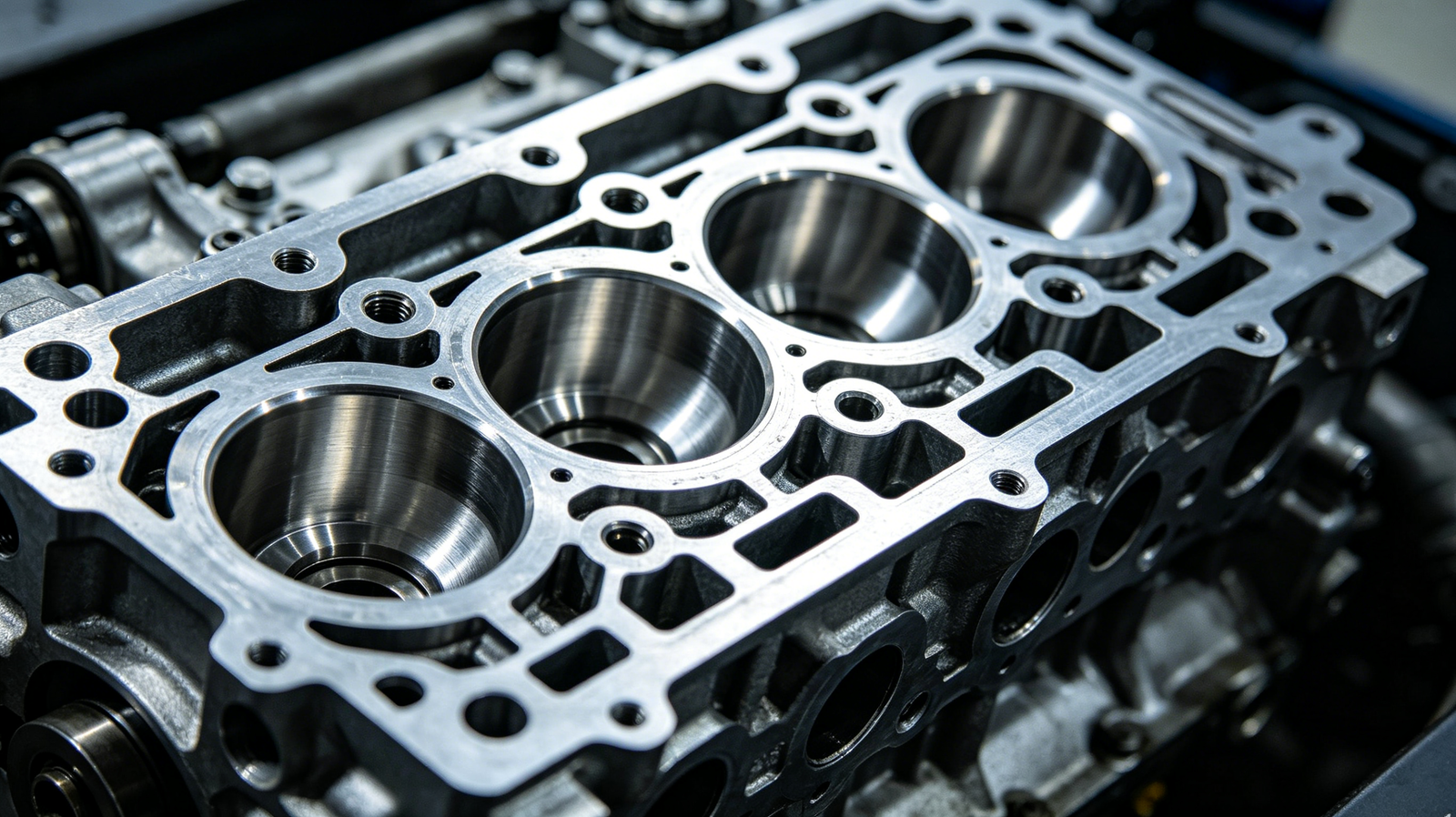
Automotive procurement requires suppliers capable of long-term collaboration, not just initial delivery. Therefore, evaluation should extend beyond machining output to engineering capability, production stability, and experience with similar automotive projects. Suppliers who can proactively identify manufacturing risks are significantly more suitable for automotive development programs. Xiamen Ruicheng participates in early-stage DFM analysis to optimize surface roughness strategy based on geometry, material, and functional requirements.
Project experience: Prior automotive machining experience reduces development uncertainty.
Engineering support: Suppliers should contribute to design optimization, not only execution.
Production assurance: Capacity planning and process stability affect delivery reliability.
Collaboration capability: Long-term success depends on responsiveness and continuous improvement.
📌 Supplier selection should prioritize engineering capability over unit pricing.
Automotive CNC Supplier Ra Capability Comparison
| Evaluation Item | General Machine Shop | Automotive Supplier | Precision CNC Supplier | Xiamen Ruicheng |
|---|---|---|---|---|
| Ra Inspection | Basic measurement | Periodic checks | Full-process control | Production-level tracking |
| Process Control | Experience-based | Standardized | Parameter-based | DFM-driven optimization |
| Batch Stability | Variable | Moderate | Stable | Fully controlled |
| Engineering Support | Limited | Partial | Strong | Full project collaboration |
In automotive CNC sourcing, success depends not only on cost but on the supplier’s ability to maintain consistent surface quality and manage mass production risks.
👉 contact us to get an engineering-driven Ra control solution for automotive CNC parts.
How to Improve Surface Roughness Consistency in Automotive CNC Machining
Surface roughness requirements vary depending on functional zones such as sealing surfaces, sliding interfaces, and structural areas. Suppliers must define machining strategies based on function, material behavior, and operating conditions instead of pursuing unnecessarily low Ra values. Balanced Ra control ensures both performance reliability and manufacturing efficiency.
1.Functional analysis: Define Ra levels based on real operating conditions.
2.Process matching: Select milling, grinding, or finishing based on material properties.
3.Process optimization: Reduce vibration, burr formation, and tool marks.
4.Quality validation: Confirm long-term stability through production data.
FAQ
1.Is lower Ra always better for automotive CNC parts?
No. Surface roughness must match functional requirements such as sealing, friction, or assembly behavior.
2.How can we verify a supplier’s long-term Ra capability?
By reviewing inspection systems, process control records, automotive project experience, and production data consistency.
3.What causes Ra variation in CNC machining?
Common causes include tool wear, unstable cutting parameters, machine vibration, and material inconsistency.
4.Should suppliers provide surface roughness reports?
Yes. For automotive critical parts, inspection reports help ensure compliance and reduce quality risk.
5.Does small-batch testing reflect mass production capability?
No. True capability must be validated through continuous production stability, not isolated samples.
Conclusion
Evaluating a CNC supplier for automotive Ra requirements is not about confirming sample-level compliance but about verifying long-term manufacturing stability. In mass production environments, process control, inspection systems, and engineering capability collectively determine part quality. Only suppliers with robust quality systems and automotive manufacturing experience can reliably support long-term production programs.
At Xiamen Ruicheng, precision machining systems, structured quality control, and engineering collaboration ensure stable CNC production performance for automotive customers. The future of automotive manufacturing is not only about speed but about reliable, repeatable quality across the entire supply chain.
For expert assistance in implementing CNC Ra control strategies for your production needs, visit our resource center or contact us. Let’s help you scale up your manufacturing with precision and efficiency!