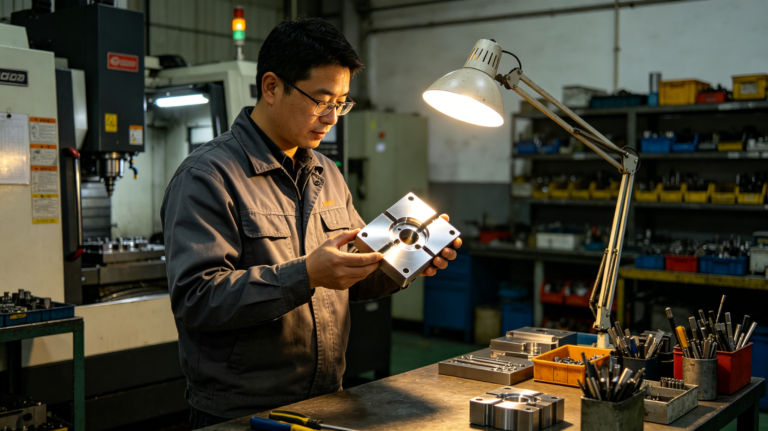
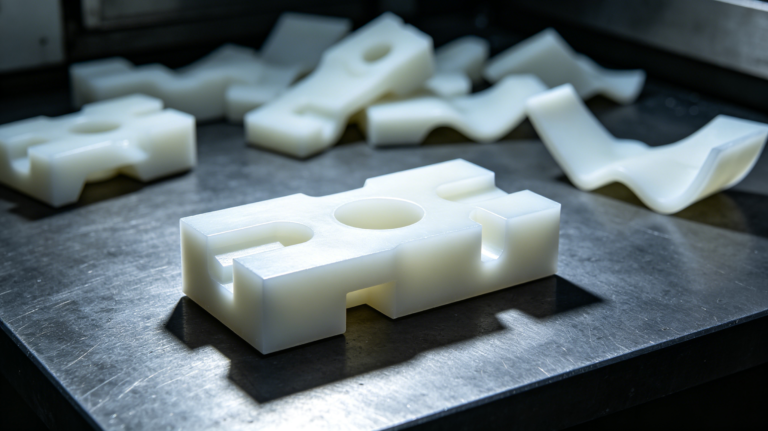
Medical Die Casting Surface Finishing Requirements
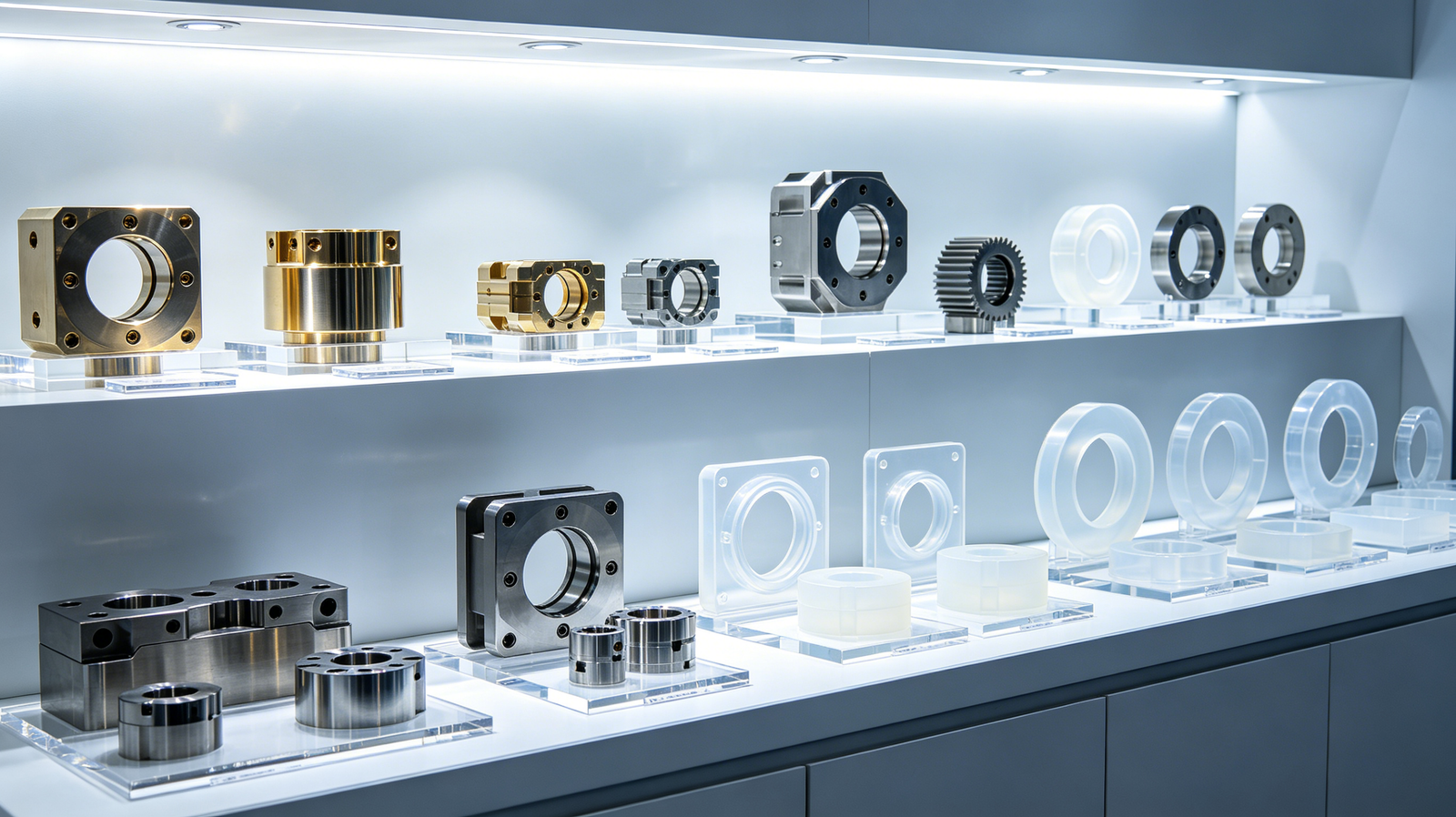
Medical die cast parts are commonly used for structural frames, equipment housings, protective covers, heat dissipation components, and mounting structures. Surface finishing affects more than appearance; it can influence corrosion resistance, wear resistance, cleanability, dimensional stability, and long-term reliability. For medical equipment, surface finishing should therefore be selected according to the actual application environment rather than simply based on color or visual appearance. FDA guidance on medical-device biocompatibility recognizes that materials, manufacturing processes, and surface characteristics can be relevant to biological risk assessment, making surface finishing an important part of the overall product evaluation. (FDA Biocompatibility Guidance)For medical die cast parts, the right finish is not necessarily the most advanced finish, but the one that matches the component’s actual service conditions.
At Xiamen RuiCheng, we evaluate medical die casting projects based on the substrate, functional requirements, cleaning and disinfection methods, appearance requirements, assembly conditions, and validation requirements. For components that directly or indirectly contact the human body, the applicable regulatory pathway and biological evaluation requirements must also be considered rather than relying on a generic coating test report. ISO 13485 establishes quality-management requirements relevant to medical-device manufacturing, making process control and change management important considerations when evaluating a finishing supplier. (ISO 13485)The purpose of surface finishing is to make the die cast part satisfy functional, reliability, appearance, and project compliance requirements simultaneously.
What Should Determine the Surface Finish for Medical Die Cast Parts?
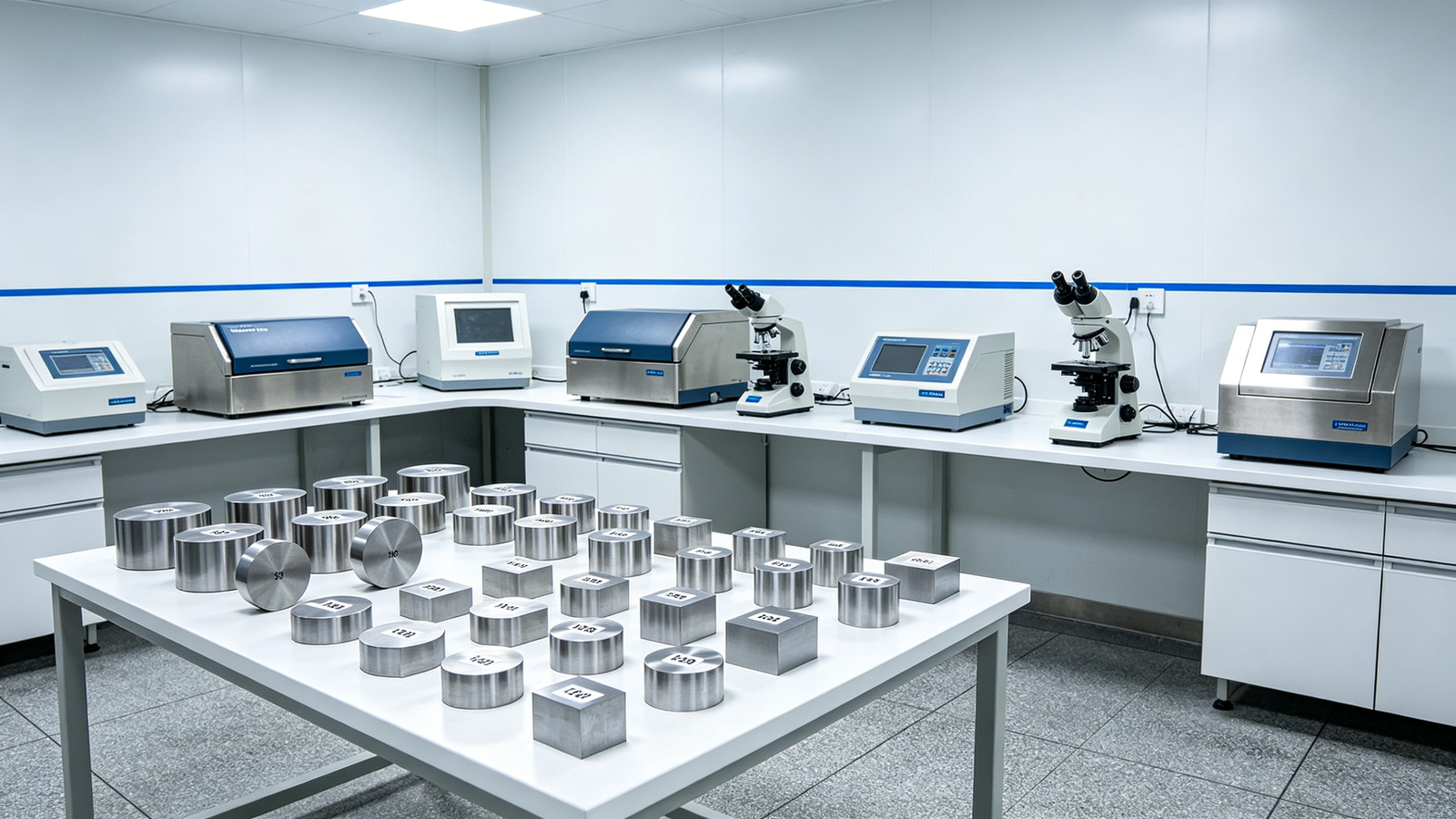
The correct surface finish should begin with the actual service environment rather than with a list of finishing processes available from a supplier. Common options for aluminum die cast parts include anodizing, conversion coating, painting, plating, and other functional coatings, but each process affects corrosion resistance, dimensions, appearance, and assembly differently. A finish suitable for a medical equipment enclosure may not be appropriate for a component that is frequently wiped, disinfected, or exposed to repeated handling. At Xiamen RuiCheng, we first identify the actual failure risks before recommending a finishing process rather than automatically selecting the lowest-cost option. For components involving human contact, the applicable ISO 10993 requirements and the risk assessment of the finished medical device should also be considered.
Service Environment: Determine whether the part will be exposed to moisture, cleaning agents, disinfectants, perspiration, or other corrosive substances.
Contact Conditions: Identify whether the component directly contacts the human body, indirectly contacts it, or remains entirely inside the medical equipment.
Functional Requirements: Select the finishing process based on corrosion resistance, wear resistance, electrical conductivity, insulation, low friction, or cosmetic requirements.
Dimensional Requirements: Surface finishing can alter surface dimensions, so critical mating areas should be considered during both die casting and post-processing tolerance allocation.
🩺 Medical die casting finishes should be selected from real application conditions, with risks identified before the process is finalized.
How Do Different Finishing Processes Compare?
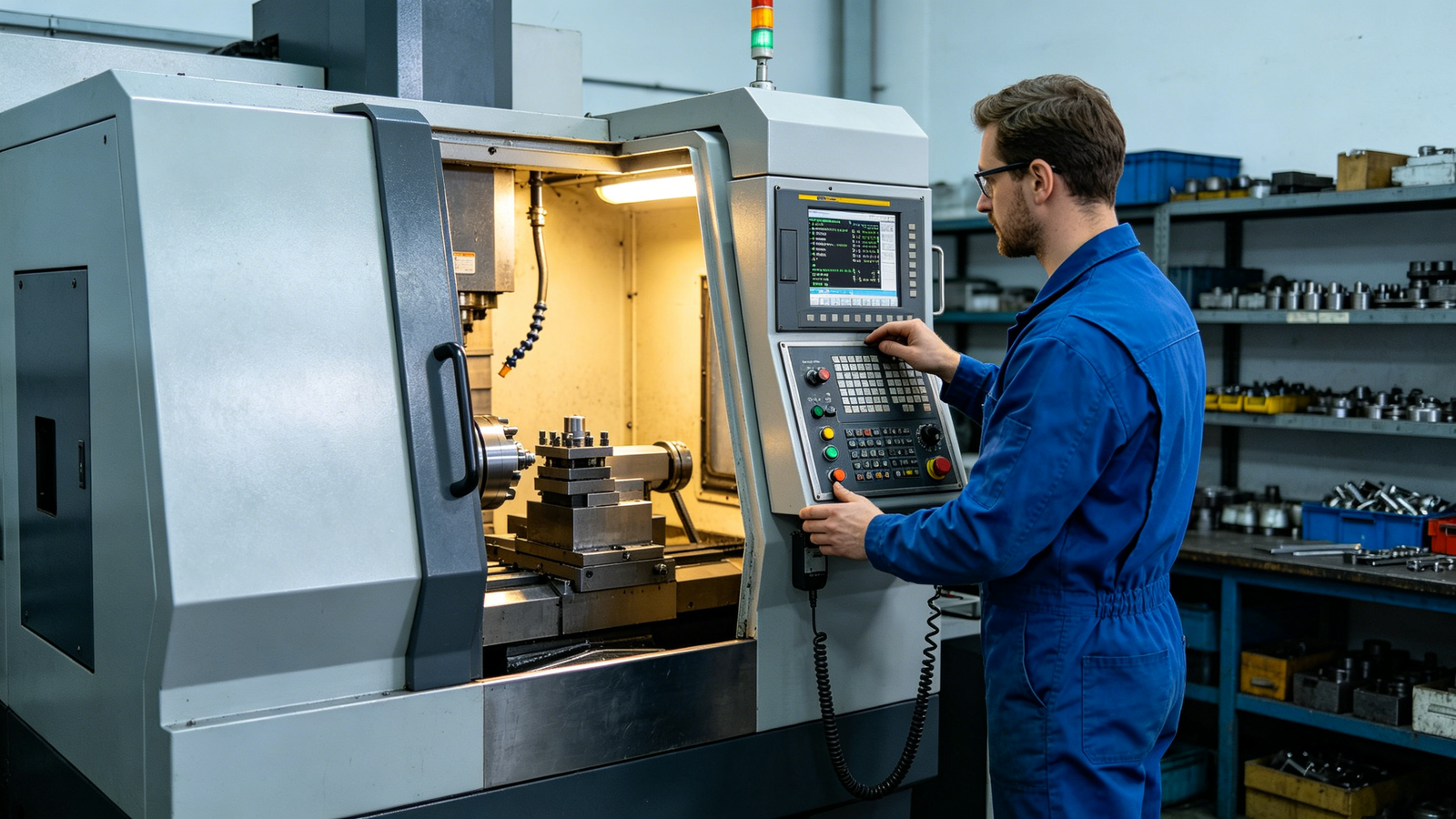
Different finishing processes solve different engineering problems, so a medical die cast part should not be evaluated only by corrosion performance or color. Anodizing is commonly used on aluminum alloys and can improve surface hardness, corrosion resistance, and appearance, but alloy composition, porosity, and the initial die cast surface can affect coating uniformity. Painting can provide strong cosmetic and protective performance, but adhesion, abrasion resistance, and compatibility with cleaning or disinfection chemicals need to be verified. Plating and electroless plating may provide specific wear, conductivity, or decorative benefits, but require careful control of pretreatment, coating uniformity, and potential chemical residues. Xiamen RuiCheng evaluates the relationship between the finishing process and the component’s actual function rather than treating one process as a universal solution for medical die cast parts. Projects involving human contact should also consider the FDA guidance related to ISO 10993-1.
Anodizing: Suitable for many aluminum structural components, providing corrosion resistance, surface hardness, and appearance, while requiring control of die cast substrate defects.
Conversion Coating: Useful for corrosion protection or as a pretreatment layer for subsequent coating, with the specific chemical system requiring application-specific validation.
Painting: Suitable for medical equipment housings requiring specific colors, appearance, and protective performance, but coating adhesion, abrasion resistance, and chemical compatibility must be verified.
Plating or Electroless Plating: Suitable for selected wear-resistant, conductive, or decorative applications, but the more complex process chain requires careful control of pretreatment and coating consistency.
🧪 The process name alone does not determine performance; substrate condition, pretreatment, coating quality, and service environment must work together.
How Should Medical Die Cast Surface Finishes Be Validated?

One of the most common problems in medical manufacturing is that a sample looks excellent but develops discoloration, blistering, peeling, corrosion, or scratching after repeated cleaning, disinfection, or assembly. Supplier evaluation should therefore go beyond visual inspection and define the actual test conditions, methods, and acceptance criteria. For medical devices involving human contact, FDA guidance emphasizes consideration of the finished device and its materials, manufacturing processes, and surface characteristics when assessing biological safety. (FDA Biocompatibility Resource Center)
Medical die cast surface finishing should be validated under conditions that represent actual use rather than being judged solely from an initial sample.
Corrosion Validation: Select corrosion testing based on the actual operating environment and compare performance across relevant production batches.
Cleaning Compatibility: Use the customer’s actual cleaning agents or disinfection methods to evaluate changes in color, adhesion, and surface integrity.
Adhesion Testing: For painted or coated surfaces, verify that the finishing layer maintains stable adhesion to the die cast substrate.
Batch Consistency: Establish controls for appearance, coating thickness, color, and critical performance across production batches rather than validating only the first sample.
📋 A reliable medical surface finish must be demonstrated through repeatable and traceable validation rather than judged from one attractive prototype.
Medical Die Cast Surface Finishing Comparison
| Process | Main Advantage | Main Risk | Typical Application |
|---|---|---|---|
| Anodizing | Corrosion and wear resistance | Substrate defects affect finish | Aluminum structural parts |
| Conversion Coating | Corrosion protection | Chemical process control | Protection and coating pretreatment |
| Painting | Flexible appearance and protection | Adhesion and wear risks | Equipment housings |
| Plating / Electroless Plating | Wear resistance and conductivity | Complex process control | Functional components |
If you are developing medical die cast parts that require repeated cleaning, disinfection, or high surface consistency, Xiamen RuiCheng can evaluate the die cast substrate, machining requirements, and finishing process as one integrated manufacturing solution. Please contact us with your drawings and application requirements.
How to Build Complete Surface Finishing Control
Surface finishing should not be treated as an isolated process performed after die casting. It should be considered during product design and supplier evaluation because porosity, shrinkage, flash, parting lines, surface roughness, and local wall thickness can all influence finishing quality. For medical equipment projects, suppliers should also maintain traceable process records, inspection results, and change-control procedures to support the customer’s quality system. Xiamen RuiCheng treats die casting, machining, and surface finishing as interconnected manufacturing stages to reduce downstream processing risks.
1.DFM Assessment: Review wall thickness, draft angles, holes, sealing areas, and critical cosmetic surfaces before tooling to identify risks that could affect finishing.
2.Substrate Quality Control: Control internal porosity, surface defects, and dimensional variation before die cast parts enter the finishing process.
3.Process Validation: Validate coating performance, appearance, corrosion resistance, and cleaning compatibility using production-representative samples.
4.Production Traceability: Link material batches, die casting parameters, finishing batches, and inspection records for effective root-cause analysis.
Medical Die Cast Surface Finishing FAQ
Question 1: What is your quality standard for medical die cast surface finishing?
Answer: Xiamen RuiCheng does not use coating thickness or color alone as the acceptance criteria for medical die cast parts. We establish quality requirements based on the material, service environment, contact conditions, and customer specifications. For aluminum die castings, options such as anodizing, conversion coating, and painting can be evaluated based on the application, followed by appearance, dimensional, coating, and corrosion testing. For components involving human contact, additional biological evaluation requirements may apply to the finished medical device. FDA guidance recognizes that materials, manufacturing processes, surface characteristics, and use conditions can be relevant to biological safety assessments.
Question 2: What information should we provide to get a quotation quickly?
Answer: We recommend providing the 3D model, 2D drawing, material grade, critical dimensions and tolerances, surface finishing requirements, estimated annual or batch volume, and application environment. If the component will be cleaned, disinfected, or used in contact with the human body, the relevant application information and validation requirements should also be provided. Xiamen RuiCheng can then conduct a preliminary DFM and process-feasibility review before determining the relationship between die casting, machining, and surface finishing.
Question 3: What are the MOQ, lead time, and payment terms for different order volumes?
Answer: Medical die cast projects generally require tooling, trial production, surface finishing validation, and sample approval before mass production. Therefore, lead time should be determined according to tooling status and project validation milestones rather than using a generic standard delivery promise. Prototype and low-volume production normally focus on dimensional and finishing validation, while mass production focuses more heavily on batch consistency and capacity stability. Specific MOQ, tooling lead time, production lead time, and payment terms can be confirmed according to part complexity, annual demand, and finishing requirements.
Question 4: How do you handle surface quality problems after delivery?
Answer: Xiamen RuiCheng first determines whether the issue originates from the die cast substrate, machining process, or surface finishing process by reviewing samples, batch information, inspection records, and production data. Problems such as coating peeling, discoloration, corrosion, or scratching may also require analysis of cleaning chemicals, disinfection methods, assembly friction, or process changes. Medical projects require particular care because changing a finishing material or chemical system without proper evaluation may affect the validation and risk assessment status of the finished product.
Question 5: Can you customize the surface finishing for specific medical applications?
Answer: Yes. Xiamen RuiCheng can evaluate surface finishing based on the component material, service environment, appearance requirements, corrosion resistance, cleaning and disinfection methods, and assembly conditions. For human-contact applications, the contact type, duration, and applicable regulatory requirements should be established before determining whether additional material or biological evaluation is necessary. Customized projects typically begin with drawings and application conditions, followed by DFM analysis, process samples, and validation testing rather than simply applying a standard finishing process.
Conclusion
Choosing surface finishing for medical die cast parts is ultimately a decision involving material compatibility, manufacturing processes, service conditions, and regulatory risk. For medical equipment development teams, the critical question is whether the finish will remain stable throughout the product lifecycle rather than whether a prototype has an attractive color or gloss. A capable supplier should connect die casting quality, surface finishing, validation, inspection, and production traceability into one controlled manufacturing process. Xiamen RuiCheng provides integrated support for medical die casting projects, from manufacturing evaluation and finishing selection to validation and mass production.
For expert assistance in implementing medical die casting and surface finishing requirements, visit our resource center or contact us. Let’s help you scale up your manufacturing with precision and efficiency!