Introduction
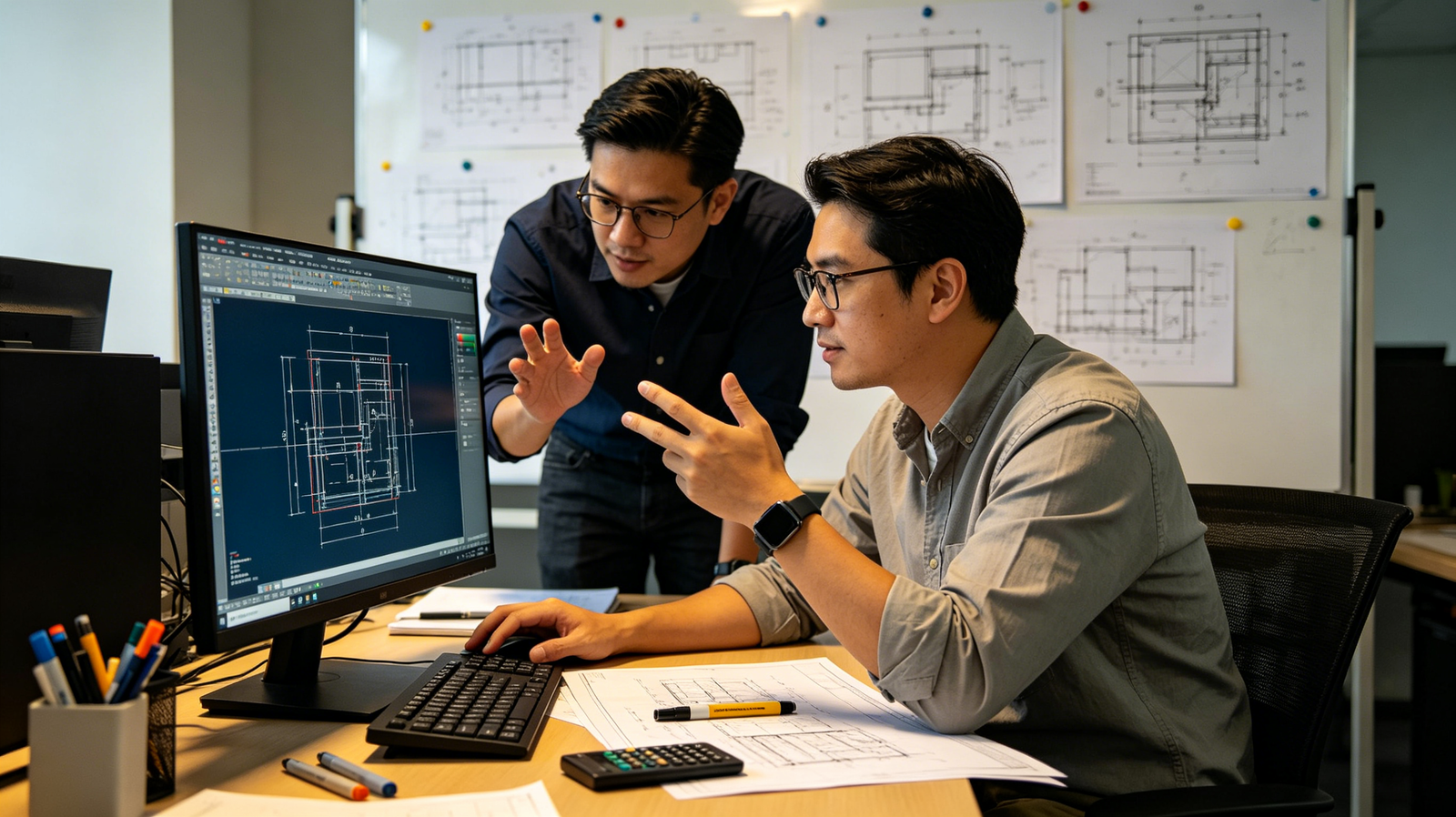
In modern product development, selecting the right manufacturing process directly affects production cost, lead time, product performance, and long-term supply stability. Die casting and CNC machining are two widely used manufacturing solutions for producing metal components, but they serve different application requirements and production strategies.The correct manufacturing process is not determined only by part price, but by balancing design requirements, production volume, precision expectations, and lifecycle cost. At Xiamen RuiCheng, we help customers evaluate whether die casting or CNC machining is the better solution based on actual project requirements instead of simply recommending one process.
Many engineers and product managers face uncertainty when moving from prototype development to mass production. A component that performs well with CNC machining during early validation may not always be the most economical choice for thousands or millions of units, while die casting may introduce tooling investment but provide significant cost advantages at scale.A professional manufacturing partner should help customers understand the trade-offs between different processes and reduce risks before production begins.
Should You Choose Die Casting or CNC Machining Based on Production Requirements?
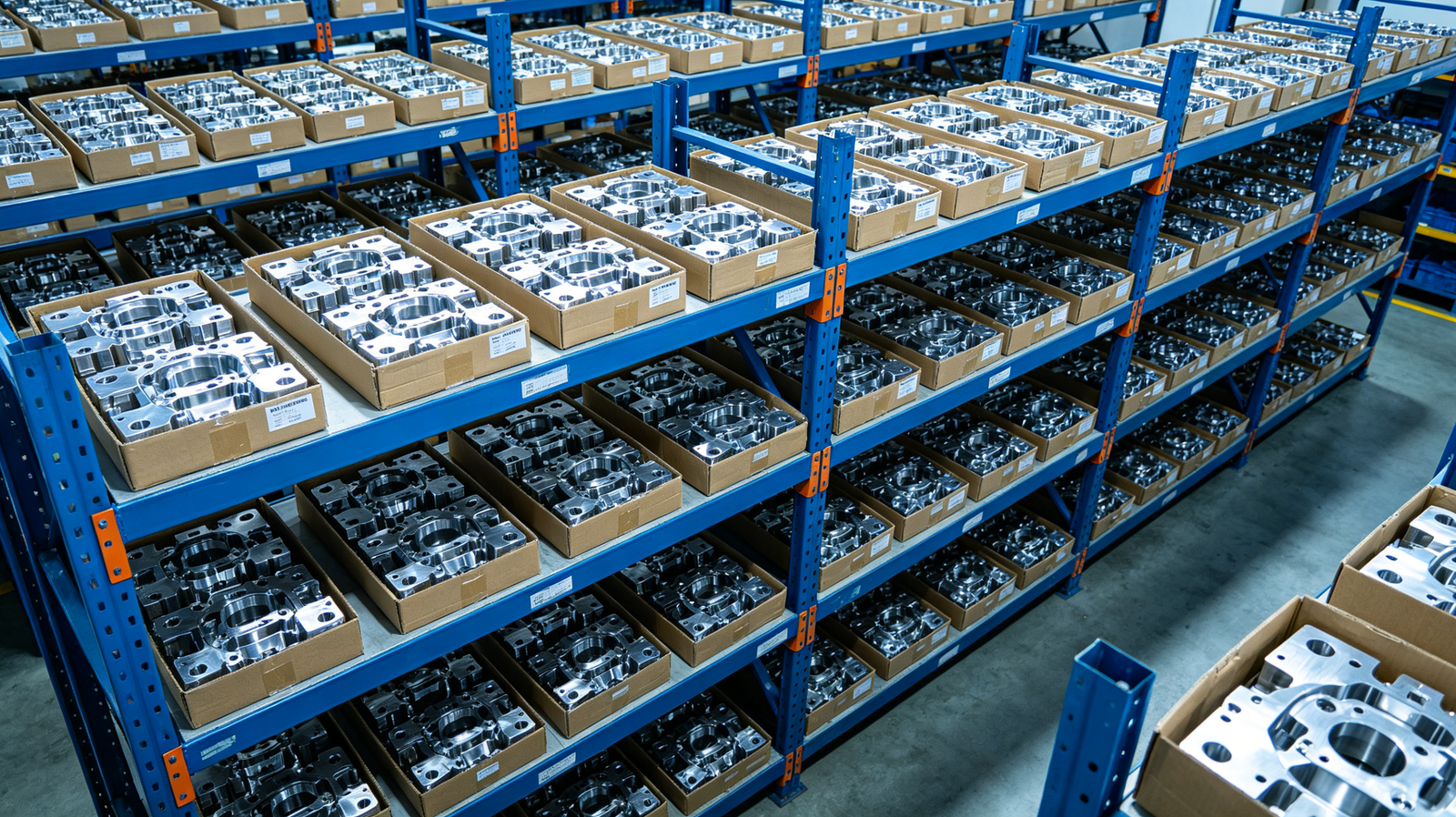
The choice between die casting and CNC machining mainly depends on production volume, part complexity, dimensional requirements, and project budget. CNC machining provides excellent flexibility for prototypes, low-volume production, and complex geometries because parts are created directly from solid metal blocks. In contrast, die casting uses reusable molds to produce large quantities of metal parts with consistent shapes and lower unit costs. The most suitable process is the one that matches your product lifecycle instead of the one with the lowest initial manufacturing cost. Xiamen RuiCheng evaluates project requirements through engineering analysis, DFM review, and production planning before recommending a manufacturing method.
Production Volume Consideration: CNC machining is suitable for small quantities, while die casting becomes more economical for high-volume manufacturing.
Part Complexity Evaluation: Die casting works well for complex shapes requiring lightweight structures and integrated features.
Development Stage Analysis: CNC machining provides faster validation during prototype and early development stages.
Long-Term Cost Planning: Die casting requires tooling investment but reduces per-unit costs during mass production.
🔧 Choosing between die casting and CNC machining requires understanding the complete product lifecycle rather than focusing only on upfront costs.
How Do Precision and Surface Requirements Affect Process Selection?
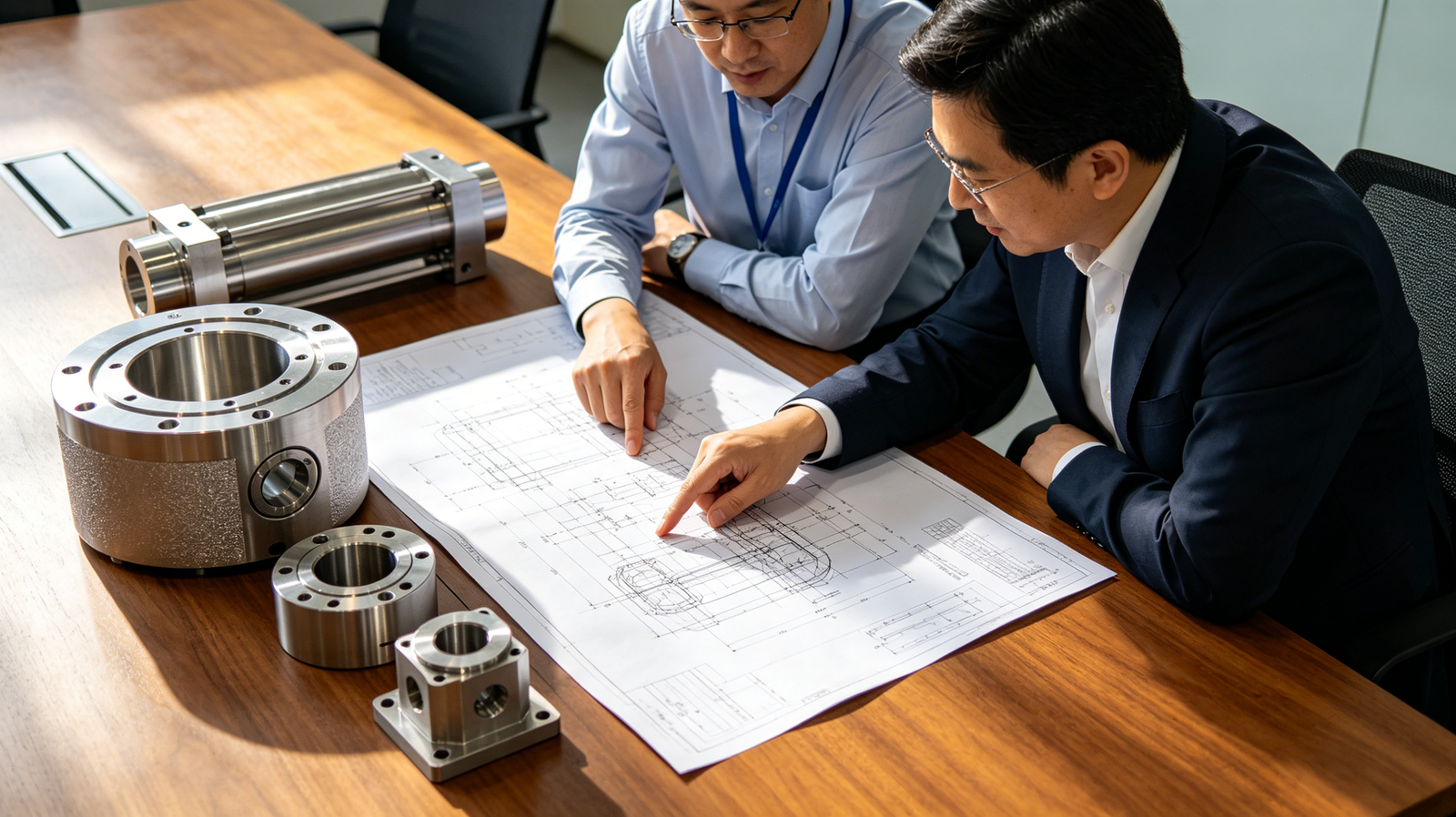
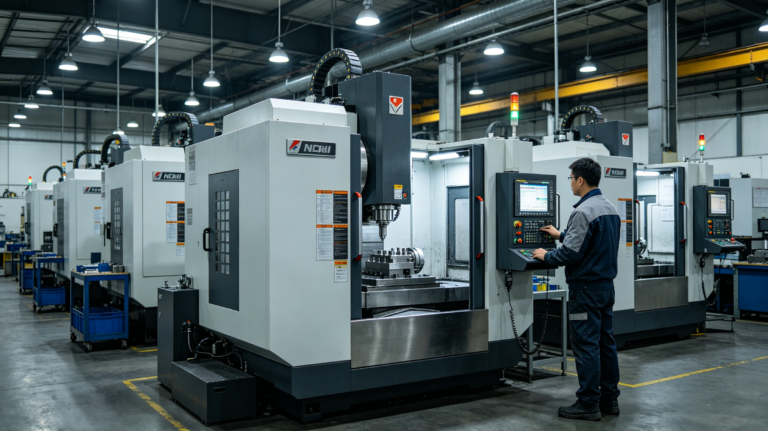
Precision requirements are another important factor when comparing die casting and CNC machining. CNC machining removes material through controlled cutting operations, allowing extremely tight tolerances and excellent dimensional accuracy. Die casting provides good repeatability for large production runs, but additional machining may sometimes be required for critical functional surfaces. Through CNC machining services, manufacturers can achieve complex geometries and high-precision features that may not be practical with traditional casting methods. The best process choice depends on which areas require strict accuracy and which areas prioritize production efficiency. Xiamen RuiCheng combines casting capability with precision machining support to provide optimized manufacturing solutions.
Dimensional Accuracy: CNC machining typically provides tighter tolerances for precision-critical components.
Surface Finish Requirements: CNC machining can directly achieve high-quality surfaces, while die casting may require secondary finishing.
Functional Feature Control: Critical holes, mounting surfaces, and interfaces often benefit from machining operations.
Quality Verification: Both processes require inspection methods such as CMM measurement and dimensional validation.
🔧 Precision requirements determine whether a component should rely on casting efficiency, machining accuracy, or a combination of both.
When Should Companies Select Die Casting for Mass Production?

Die casting becomes highly valuable when companies require large quantities of identical metal components with stable quality and competitive pricing. The initial tooling investment can be significant, but the cost advantage becomes clear when production volume increases. Automotive components, industrial housings, electronic enclosures, and mechanical brackets often use die casting because it supports repeatable mass production. For high-volume projects, manufacturing efficiency and consistency are often more important than minimizing initial tooling expenses. Xiamen RuiCheng supports customers from mold development to production validation, helping reduce risks during the transition to mass manufacturing.
High Production Volume: Die casting provides strong cost advantages when thousands or millions of parts are required.
Stable Product Design: Tooling investment is more suitable when product structures are already validated.
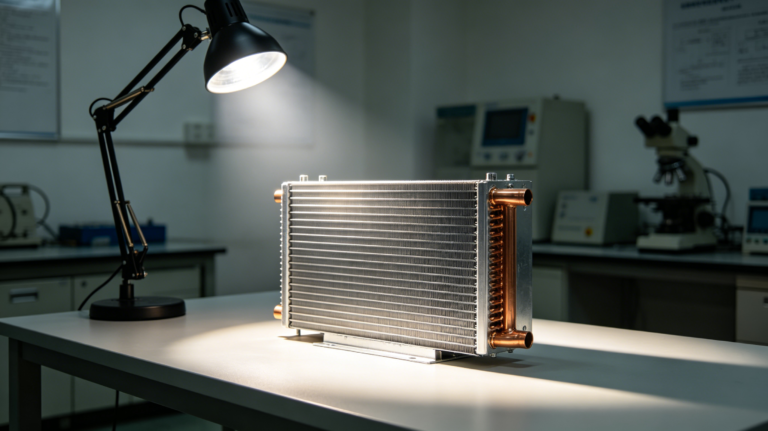
Material Efficiency: Die casting reduces material waste compared with traditional machining processes.
Production Consistency: Automated casting processes improve repeatability between production batches.
🔧 Die casting is an effective solution for companies seeking stable mass production and lower long-term manufacturing costs.
Manufacturing Process Comparison for Metal Component Development
| Factor | Die Casting | CNC Machining | Best Application | Decision Impact |
|---|---|---|---|---|
| Production Volume | High volume | Low to medium volume | Mass production vs prototypes | Cost efficiency |
| Tooling Investment | Higher initial cost | Low setup cost | Different project stages | Budget planning |
| Precision Level | Good repeatability | High precision | Functional requirements | Quality control |
| Design Flexibility | Complex casting shapes | Flexible geometry changes | Development needs | Engineering freedom |
Choosing the right manufacturing process can significantly influence your project success. Xiamen RuiCheng provides engineering evaluation, process recommendations, and customized manufacturing support. Please contact us to discuss the best solution for your metal component project.
How Can Businesses Reduce Manufacturing Risks When Choosing Between Processes?
Selecting a manufacturing process is not only a technical decision but also a business risk management decision. Many companies experience unnecessary cost increases because they select a process without considering future production requirements, supplier capability, and quality control systems. A reliable manufacturer should evaluate the complete project roadmap, including prototype validation, tooling development, production ramp-up, and long-term supply.Supplier experience plays an important role in preventing manufacturing problems before they affect production schedules and budgets.
1.Engineering Review: Analyze part geometry, material requirements, and functional expectations before selecting a process.
2.Prototype Validation: Use CNC machining or rapid manufacturing methods to verify designs before investing in tooling.
3.Tooling Assessment: Evaluate mold design, maintenance requirements, and expected production lifespan.
4.Production Monitoring: Apply quality control systems to maintain stable output during mass production.
Frequently Asked Questions
Question 1: What are the main advantages of your die casting and CNC machining capabilities?
Answer: Xiamen RuiCheng provides both die casting and CNC machining solutions based on different project requirements. Die casting is suitable for high-volume metal components requiring stable production efficiency, while CNC machining supports precision prototypes, low-volume production, and complex parts requiring tighter dimensional control.
Question 2: What information should we provide to receive a manufacturing recommendation?
Answer: Customers should provide 3D CAD files, technical drawings, material requirements, expected production quantity, surface finish requirements, and application conditions. Our engineering team reviews these details and recommends the most suitable manufacturing process.
Question 3: How do production volumes affect manufacturing costs?
Answer: Low-volume projects usually benefit from CNC machining because there is minimal tooling investment. For high-volume production, die casting can significantly reduce unit costs after tooling costs are distributed across larger quantities.
Question 4: How do you ensure quality consistency during production?
Answer: Xiamen RuiCheng uses engineering verification, dimensional inspection, production monitoring, and quality management procedures to maintain consistent product performance. Inspection methods may include CMM measurement, first article inspection, and process validation.
Question 5: Can you provide customized manufacturing solutions combining both processes?
Answer: Yes. Many projects benefit from a hybrid approach where die casting creates the main structure while CNC machining finishes critical dimensions. Xiamen RuiCheng can evaluate the product design and provide an optimized manufacturing strategy.
Conclusion
Die casting and CNC machining are not competing processes with one universal winner. Each manufacturing method has different advantages depending on production volume, precision requirements, product complexity, and cost objectives. For companies developing metal components, the key decision is selecting the process that provides the best balance between performance, investment, and long-term supply reliability.Working with an experienced manufacturing partner helps companies avoid costly process decisions and improve overall project success. Xiamen RuiCheng supports customers with professional engineering analysis, flexible manufacturing capabilities, and complete production solutions from prototype development to mass production.
For expert assistance in implementing die casting and CNC machining solutions for your production needs, visit our resource center or contact us. Let’s help you scale up your manufacturing with precision and efficiency!