How to judge that CNC suppliers have the ability to reverse engineer and copy discontinued auto parts?
Introduction
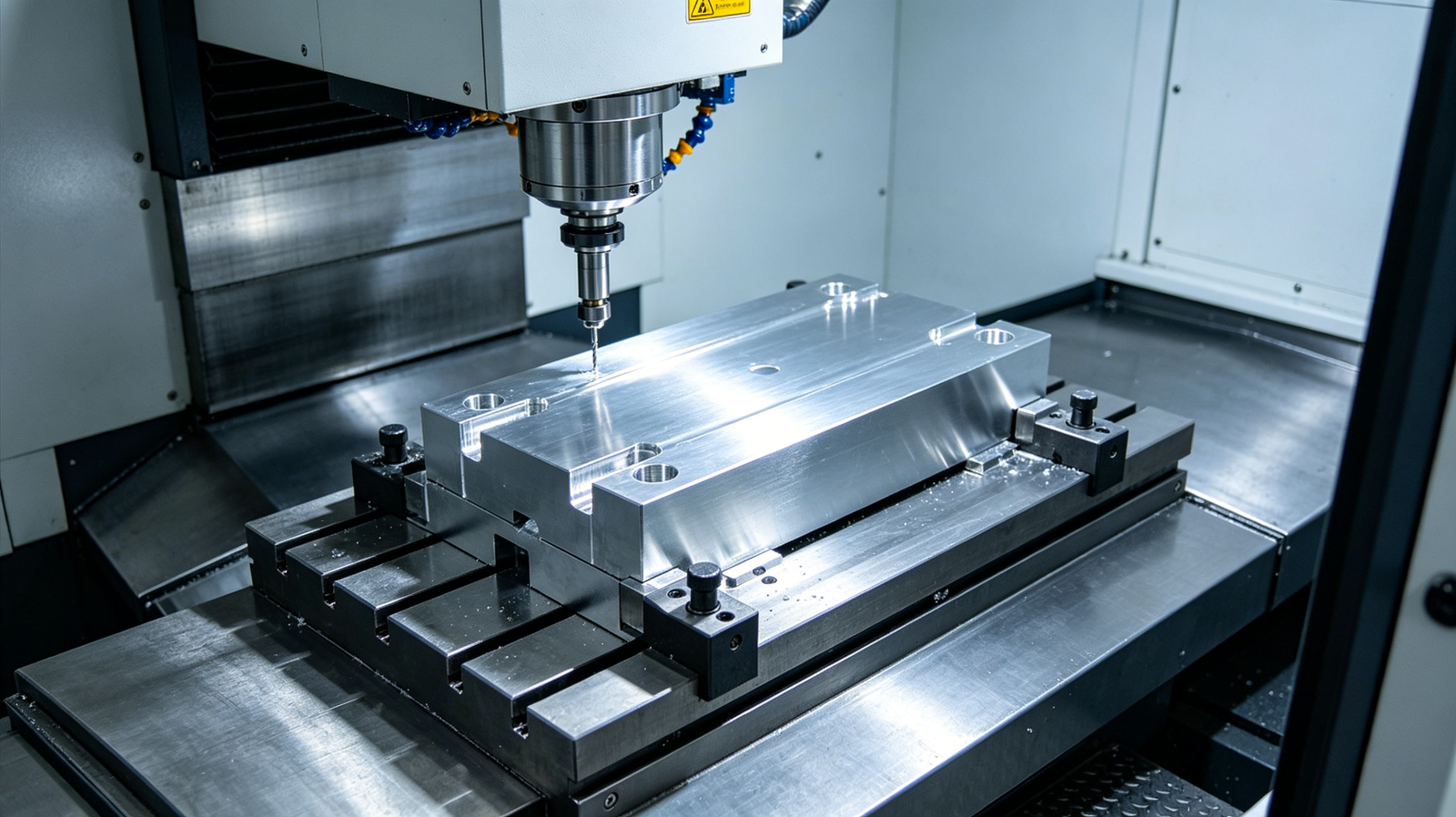
When a discontinued automotive part stops being available, the suppliers who offer to reproduce it are not all doing the same job. Some are engineering organisations with scanning, modelling, machining and metrology in house; others are brokers who will pass the sample to a workshop and return a part that looks plausible. The difference only becomes visible when the replica has to fit, seal, carry load and be ordered again twelve months later, which is exactly when a broker has no process to fall back on. This article is about telling the two apart at RFQ stage rather than after a failed assembly.
At Ruicheng Industrial Design Co., Ltd., reverse engineering, 5-axis machining and CMM inspection are handled as one ISO 9001 workflow, so capability claims can be checked against equipment, documentation and a first article rather than taken on trust. A credible supplier should be able to explain how they reconstruct a worn sample, how they infer material and heat treatment, and how they control the model revision that governs every future batch. The three questions below cover the evidence that separates a real capability from a brokerage, how to test the reconstruction process, and what the deliverable package must contain before production release.
What capability evidence separates a reverse-engineering shop from a broker?
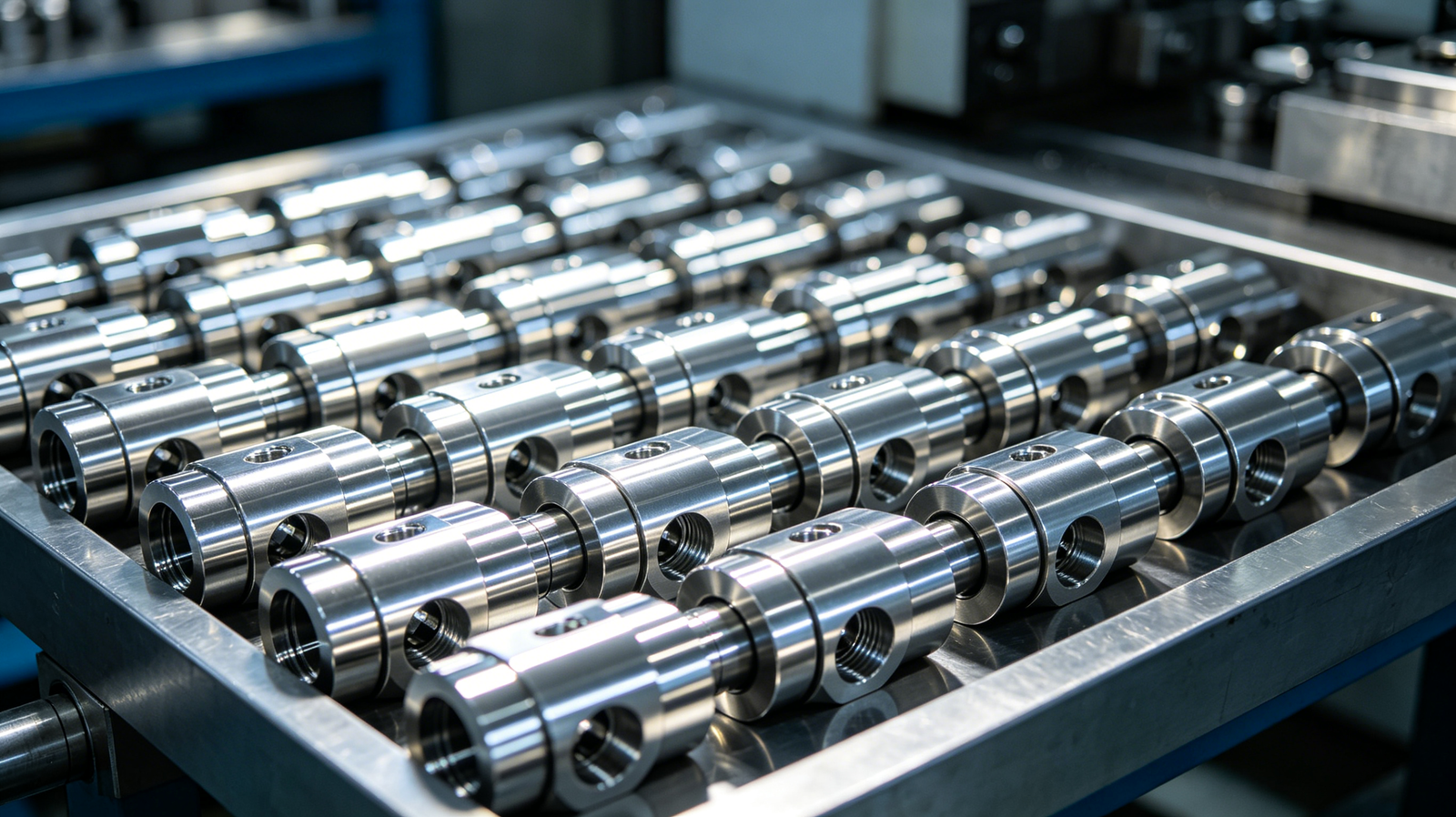
The fastest discriminator is where the work physically happens. A genuine capability has scanning hardware, CAD engineers, CNC machines and metrology under one quality system, and can show you the artifacts each of them produces. A supplier who cannot show a reconstructed model, a measurement report and a machine program for a similar part is describing a service they coordinate rather than a process they control. Coordination is not automatically bad, but it adds handoffs exactly where datum conventions and revision control tend to break.
Ask to see the equipment list: Name the scanner or CMM class, the machine envelope and the software used for reconstruction, then confirm which of these are in house, since a shop that owns its metrology can iterate on a failed first article without waiting on a third party.
Request a comparable case artifact: Ask for an anonymised point cloud, reconstructed model or FAI report from a part of similar complexity, because a portfolio of finished photographs shows output but says nothing about the process that produced it.
Check who answers the engineering questions: A capability shop can put a programmer or metrologist on a call to discuss datum strategy and tolerance assignment, while a broker tends to relay questions and return answers a day later.
Verify the quality system covers the whole chain: Confirm that scanning, modelling, machining and inspection sit under the same documented system, with revision control that links the model, the program and the inspection plan.
A buyer can test this quickly by asking how the supplier distinguishes reverse engineering from mould replication and how they evaluate reverse-engineering capability on discontinued automotive parts in their own process terms. Then review the quality evidence they publish through CMM reporting to see whether measurement is an in-house discipline or a subcontracted certificate. Shops with a real capability tend to be specific about equipment and limits; brokers tend to be fluent about outcomes and vague about method.
🔧 Ask for the model and the measurement report, not the photograph of the finished part.
How do you test the reconstruction process on a damaged sample?
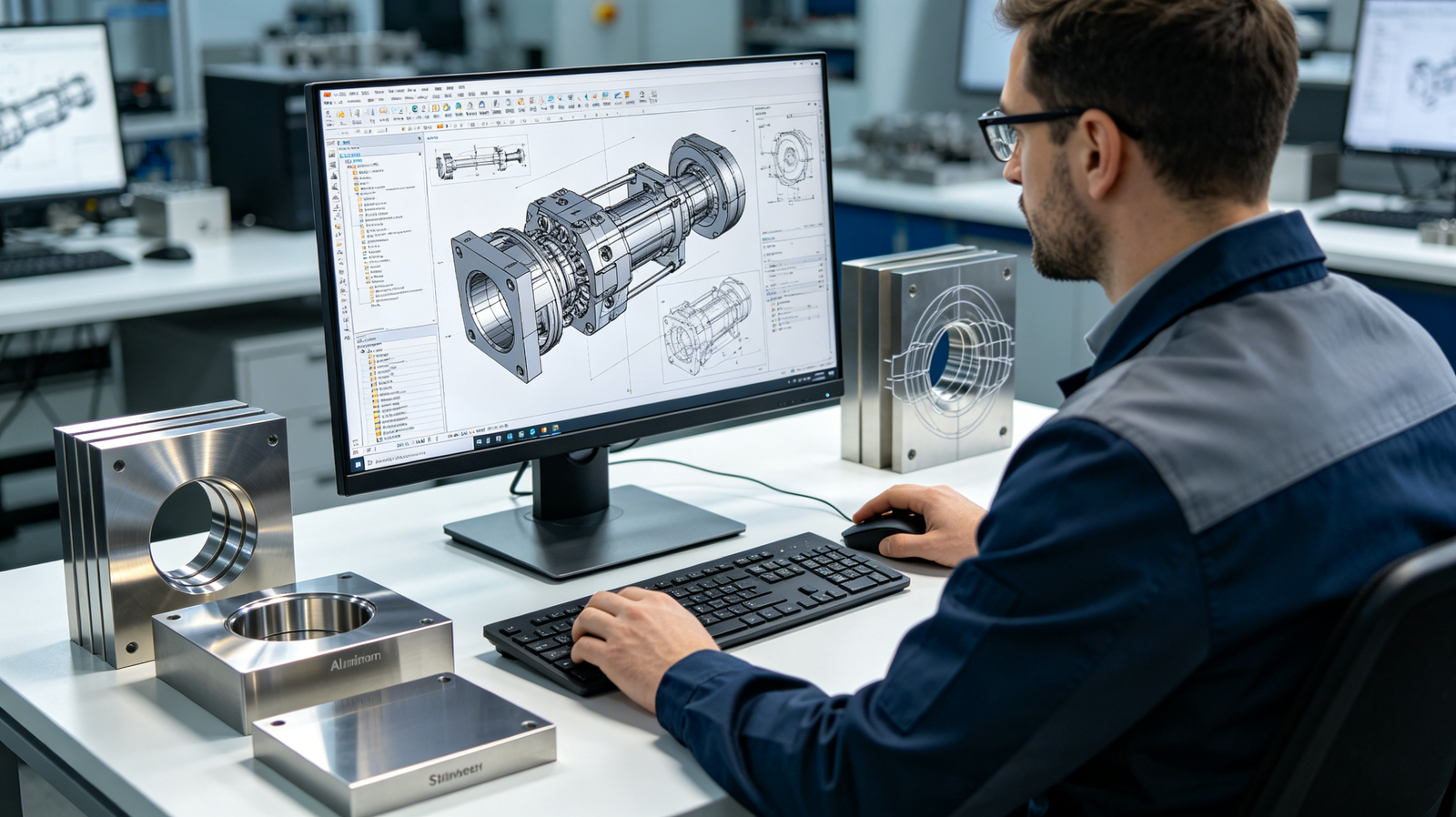
A worn or corroded sample is the honest test of a reverse-engineering capability, because it forces the supplier to make and defend engineering decisions rather than simply trace geometry. Give two candidates the same degraded part and ask each to explain what they treated as design intent, what they attributed to wear, and what they would deliberately correct. The quality of a reconstruction is measured by the assumptions it declares, not by how smooth the resulting CAD model looks. A supplier who cannot distinguish a polished bearing surface from a machined one will reproduce the wear as geometry.
Ask how wear is classified: Require a written classification of corroded, deformed and polished regions, with the reasoning that separates service damage from the original manufacturing geometry.
Probe the datum reconstruction: Ask which surfaces were chosen as primary, secondary and tertiary datums and why those surfaces govern the assembly fit, since a datum chosen for scanning convenience will mislocate every other feature.
Test material and heat-treatment inference: Ask for hardness, conductivity or spectroscopy evidence and the reasoning behind the proposed alloy and temper, because a dimensionally correct replica in the wrong material fails under load or corrosion.
Request a first-article fit check: Where a mating component survives, require the replica to be assembled with it and the result documented, since an isolated CMM pass cannot detect a tolerance stack problem.
The practical way to structure this is to ask each candidate how they document capability through FAI reports on parts with no original drawing, and how they verify dimensional quality through CMM reporting when the reference itself is degraded. A supplier used to aluminium alloy selection for CNC parts will also be able to explain how the material decision interacts with the reconstructed geometry, which is usually where a broker’s answer runs out.
✅ Ask what they chose not to copy; that answer reveals the engineering.
What should the deliverable package contain before production release?
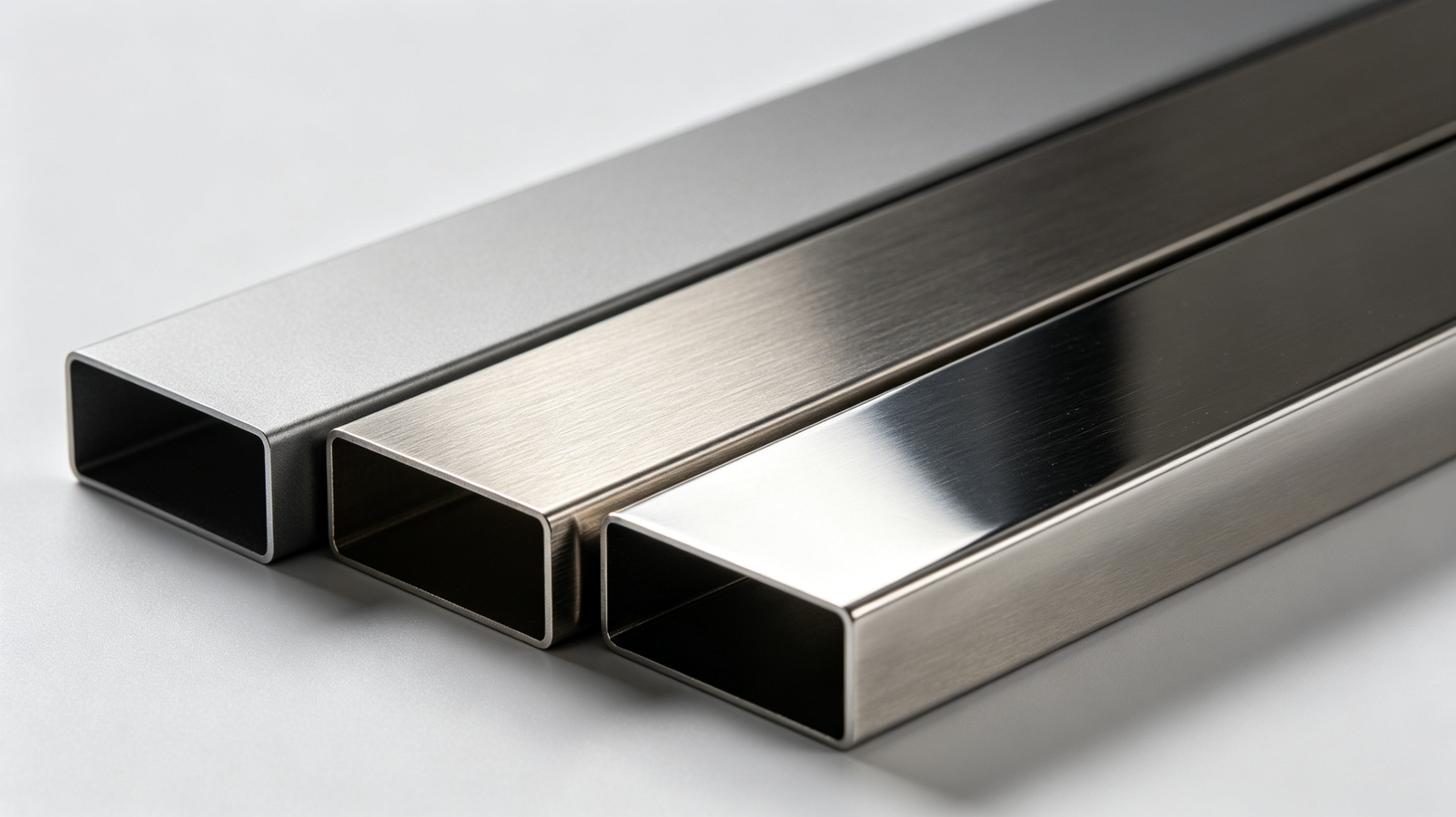
Before a replica enters production, the supplier should hand over something that allows an independent party to understand, inspect and re-order the part. That means a versioned CAD model, a reconstructed drawing with functional tolerances, a first-article inspection report, material evidence and a controlled process record. A supplier who delivers only parts is renting you a dependency; a supplier who delivers the definition of the part is giving you a supply chain. The distinction matters most when the programme runs for years or when a second source is ever needed.
A versioned model and drawing: The reconstructed CAD and an engineering drawing that names datums, functional tolerances and surface requirements, both under a revision number with a written change rule.
A complete FAI package: Characteristic-by-characteristic results with the reference source, measurement method, uncertainty, deviations and dispositions, plus a fit check with the mating assembly where one exists.
Material and process evidence: Alloy or grade verification, heat-treatment state, surface treatment and the machine and program revision used, so a later batch can be reproduced rather than re-invented.
An agreed reorder baseline: A statement of which revision governs future orders, what triggers a new first article, and how changes to the model or program are approved and communicated.
Before release, compare the package against how the supplier approaches replication versus reverse engineering and how they assess capability on discontinued parts in their published process. Our capability overview lists the inspection equipment and documentation format available, so the deliverable list can be written into the purchase order rather than requested after the first batch. A supplier who resists putting the deliverables in writing has usually not built the process that produces them.
⚠️ If the model and inspection plan are not versioned, every reorder is a new first article.
Reverse-engineering supplier maturity across four types
| Evidence dimension | Broker or trading desk | Workshop with scanning | Integrated engineering shop | Released reverse-engineering programme |
|---|---|---|---|---|
| Where the work happens | Subcontracted entirely | Scanning in house, rest outside | Scan, model, machine, inspect in house | One quality system, one revision chain |
| Wear and datum decisions | Not addressed | Informal, operator-led | Documented and reviewed | Agreed with the buyer before machining |
| Material inference | Assumed from appearance | Basic hardness check | Verified with instrument evidence | Recorded with heat-treatment state |
| Deliverables | Parts only | Parts and a model | Model, drawing and FAI report | Versioned baseline with reorder rules |
| Risk to your programme | High, no traceability | Medium, handoff gaps | Low, one accountable process | Lowest, reproducible for years |
For a one-off cosmetic cover the second column may be adequate. For a discontinued automotive part that seals, rotates, carries load or locates an assembly, the fourth column is where a serious conversation starts, because it is the first one that can reproduce the part a year later without re-inventing the decisions.
The right column for a given programme depends on which of these rows you treat as non-negotiable, and a short technical review usually settles it faster than another round of pricing. For production parts where consistency matters more than the first-batch price, the controlled column almost always wins on total cost of ownership. If you want a second opinion on where your part sits, contact us and we will walk through the trade-offs with your drawing in front of us.
A practical qualification sequence for reverse-engineering suppliers
A defensible qualification runs in four passes. Verify where the work happens, test the reconstruction on a degraded sample, require the full deliverable package, and only then compare prices, because a cheap quote without a versioned model is buying the first batch and renting every one after it.
- Verify the equipment and the people: Confirm which scanning, modelling, machining and metrology steps are in house, and speak directly to the engineer who would own your datum strategy.
- Run a controlled sample test: Give two candidates the same worn part and compare how each classifies wear, reconstructs datums, infers material and documents the decisions.
- Specify the deliverables in the order: Write the versioned model, reconstructed drawing, FAI package and material evidence into the purchase order before machining begins.
- Agree the reorder baseline: Name the governing revision, the trigger for a new first article and the change-approval rule, so future batches are a repeat rather than a reinterpretation.
It is worth closing on the commercial shape of the relationship. A supplier who delivers a versioned model, a documented datum frame and a controlled inspection plan is giving up the leverage that comes from being the only party who understands the part, and that is a meaningful signal of how they intend to work over a multi-year programme. A supplier who delivers only finished components is not necessarily acting in bad faith, but the dependency is real and should be priced into the decision. Writing the deliverables into the order makes the trade-off explicit: you are buying both a batch of parts and the ability to buy the next batch on your own terms. For a discontinued automotive component with no alternative source, the second item is frequently the more valuable one.
A short note on how to run the qualification without slowing the programme down: the four passes above do not need to be sequential weeks of auditing. For most discontinued-part enquiries they fit into two conversations and one sample review. Send the worn part and the mating component together, ask each candidate for a one-page reconstruction note explaining their datum choice and wear classification, and hold a single technical call with the engineer who would own the work. The suppliers who can answer precisely in that format are usually the ones whose first article will need no reinterpretation, while the ones who need a week to relay questions have already shown you where the handoffs are. Speed and rigour are not in conflict here; the rigour is what prevents the second, third and fourth rounds of rework that actually consume the schedule.
It is also sensible to agree at the outset what a failed first article will cost and who owns the correction. On a reverse-engineered part, a failed FAI is often a reconstruction error rather than a machining error, which means the right response is to revisit the datum scheme or the wear classification rather than to adjust a tool offset. A supplier with an integrated workflow can do that in a single loop: revise the model, regenerate the program, re-inspect and issue a new report under the same revision chain. A broker has to move the question through two or three organisations, and the delay is usually paid for by the programme rather than by the supplier. Putting the correction loop into the order makes that difference visible before anyone is depending on the delivery date.
A question worth asking early, and one that separates mature suppliers from optimistic ones, is what the programme looks like after the first successful batch. Reverse engineering is often triggered by an urgent shortage, so the conversation focuses entirely on getting one part made, and the reorder question is left for later. Twelve months on, the engineer who reconstructed the datum scheme has moved on, the point cloud lives on somebody’s laptop, and the workshop quotes a part that is subtly different because the reference was never formalised. A supplier with a real capability will raise this unprompted and propose a controlled baseline at the outset, because they have lived through the second order before. A broker rarely does, since there is no process to preserve.
Ownership of the reconstruction data is worth settling in writing as well. Agree who holds the point cloud, the reconstructed CAD model and the inspection plan, in what format they will be delivered, and whether they can be handed to a second source if the programme requires one. This is not about distrust; it is about avoiding a situation where a critical discontinued part can only ever be bought from one workshop because nobody else has the definition of it. A supplier confident in their engineering work is usually comfortable with clear data ownership, and the clauses that specify it tend to be short. Where a supplier resists putting the deliverables into the purchase order, it is often because the deliverables do not exist as controlled documents.
There is also a sensible middle path between a full engineering programme and a simple copy for low-criticality parts. A bracket, a cover or a non-structural spacer that only needs to hold a position can often be reproduced from a scan with a light fit check and no elaborate FAI, and insisting on a full package merely adds cost and delay. The discipline is to classify the part honestly by consequence: what happens if it fails, does it seal, rotate, carry load or locate something else, and can its failure be caught at assembly. Applying the heavy process to the parts that need it and the light one to those that do not is a better qualification strategy than demanding the same evidence from every supplier for every component.
Frequently asked questions from procurement teams
Can a broker be a legitimate choice for a discontinued part?
For a simple, non-critical bracket with no sealing or load requirement, a broker can be perfectly adequate. The risk appears when the part has functional datums, a material specification or a fit requirement, because each handoff adds a datum convention and a revision that nobody owns centrally. Ask where the scanning, modelling and inspection happen and who is accountable when a first article fails.
What is the minimum evidence you would accept before approving a replica?
A reconstructed model under revision control, a drawing with functional tolerances and datums, a first-article inspection report with deviations and dispositions, and material verification. Where a mating component survives, add a documented fit check. Without those, a passed part is a one-off achievement rather than a repeatable supply.
How do you infer material when the original part has no marking?
Start with non-destructive checks such as hardness, conductivity and density, move to spectroscopy where the value of the part justifies it, and cross-check against the part’s function, corrosion environment and visible heat-treatment state. State the conclusion as an assumption with its evidence, and validate it on a first article that sees real load or temperature.
Should we ask for the point cloud and the CAD model?
At minimum ask for the versioned CAD model and the drawing; the raw point cloud is useful when you may change suppliers later, because it preserves the measurement basis. Agree ownership and revision control in the order, since an unversioned model passed between vendors is a common cause of batches that no longer match.
Can you help reproduce a part when only a damaged sample exists?
Yes. We scan the sample, classify wear against design intent, reconstruct datums from the mating assembly where available, infer material with instrument evidence, and produce a first-article package that states every assumption. Ruicheng Industrial Design Co., Ltd. keeps scanning, 5-axis machining and CMM inspection in one workflow, so each assumption can be checked against the actual part.
Conclusion
Reverse-engineering capability is not a claim about equipment; it is a claim about decisions. The supplier worth choosing is the one who can tell you what they chose not to copy, which datums they reconstructed and why, and which revision will govern your reorder in two years. Verify where the work happens, test the reasoning on a worn sample, write the deliverables into the order, and agree the baseline before the first batch. Do that and a discontinued part becomes a controlled supply rather than a recurring emergency.
For expert assistance in implementing CNC reverse engineering and reproduction of discontinued automotive parts for your production needs, visit our resource center or contact us. Let’s help you scale up your manufacturing with precision and efficiency!