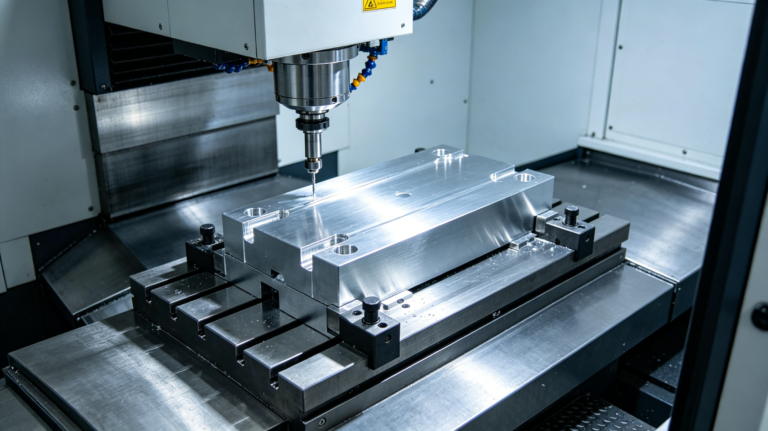
How much does it cost to reverse engineer the discontinued parts, and what is the difference?
Introduction

A discontinued part has a strange economics. The original is gone, the tooling is scrapped or lost, the drawings are somewhere no one can find, and yet the machine on your floor still needs that bracket, that housing or that carrier to keep running. The first question every buyer asks is “how much to copy it,” and the honest answer is that “copy it” hides three different jobs with three different price tags. Reverse engineering a discontinued part is not one service; it is a spectrum that runs from measuring a good sample to recreating the entire design intent, and the cost is set by how far along that spectrum the part actually needs to go. At Ruicheng Industrial Design Co., Ltd., a CNC machining and reverse-engineering supplier operating ISO 9001-certified processes with CMM verification and a documented FAI workflow, the project is scoped from the sample condition and the required confidence level before any price is given, because the cost that surprises a buyer is almost always the cost of a requirement they never stated. Spelling that requirement out at the start is the single highest-return action in the whole project, and it costs nothing but a careful email sent before the quotation is requested.
The reflex is to ask for a per-piece quote on the replacement, but that quote is meaningless until the engineering input is defined. A part reverse-engineered from a single worn sample is not the same deliverable as a part reverse-engineered to the original design intent with full documentation, and the price difference between those two is not a supplier margin, it is a different product. The cost of reverse engineering is mostly the cost of how much you need to know about the part, not how much metal it contains. The sections below break the cost down, separate reverse engineering from mold replication, and explain what moves the number.
How is the real cost of reverse engineering built up?

The first thing to understand is that the visible number — the replacement piece price — is the tail of the cost, not the dog. The body of the cost is the engineering that turns a physical object back into a controllable digital definition. A buyer who receives a quote dominated by “engineering” or “programming” lines is not being overcharged; they are looking at the actual work. Buyers should read the practical explanation of the difference between CNC reverse engineering and mold replication before scoping the project, because the two are priced on completely different logic and mixing them up is the most common source of a painful quote.
Sample condition and availability: A clean, unworn sample with both halves present is cheap to measure, a single worn or broken sample needs restoration assumptions, and a part that exists only as a photograph needs design reconstruction, so the sample you hand over sets the floor of the cost before any scanning begins.
Measurement method and fidelity: Hand measurement with calipers is fast and cheap but limited to simple geometry, a CMM captures hard datums precisely, and a 3D scan captures freeform surfaces at high density, and the method chosen decides both the accuracy and the price, because fidelity is not free and the wrong method produces a part that looks right and fits wrong.
Digital reconstruction and validation: Turning point clouds or measured sections back into a manufacturable CAD model, and then validating that model against the sample, is the largest single block of engineering time, and skipping it to save cost is the classic way to produce a replacement that is close enough to be dangerous.
Documentation and first article: A reverse-engineered part that ships without a CAD model, a CMM report and an FAI is a one-off gamble, while one that ships with full documentation is a reproducible program, and the documentation is where the cost becomes an asset rather than an expense.
A practical first step is to ask the supplier to list exactly what the engineering line includes, because that list is the real scope of the project. A shop that can show a clear distinction between reverse engineering and mold replication and a documented workflow for discontinued automotive parts is signalling that the cost is built from defined steps rather than from a guess, and that distinction is the difference between a managed program and an open tab. The engineering line is not overhead to be minimised; it is the part of the price that becomes a CAD model and a process you can reuse.
🔍 The price of reverse engineering is mostly the price of certainty; buy the certainty you actually need and no more.
What is the difference between reverse engineering and mold replication?
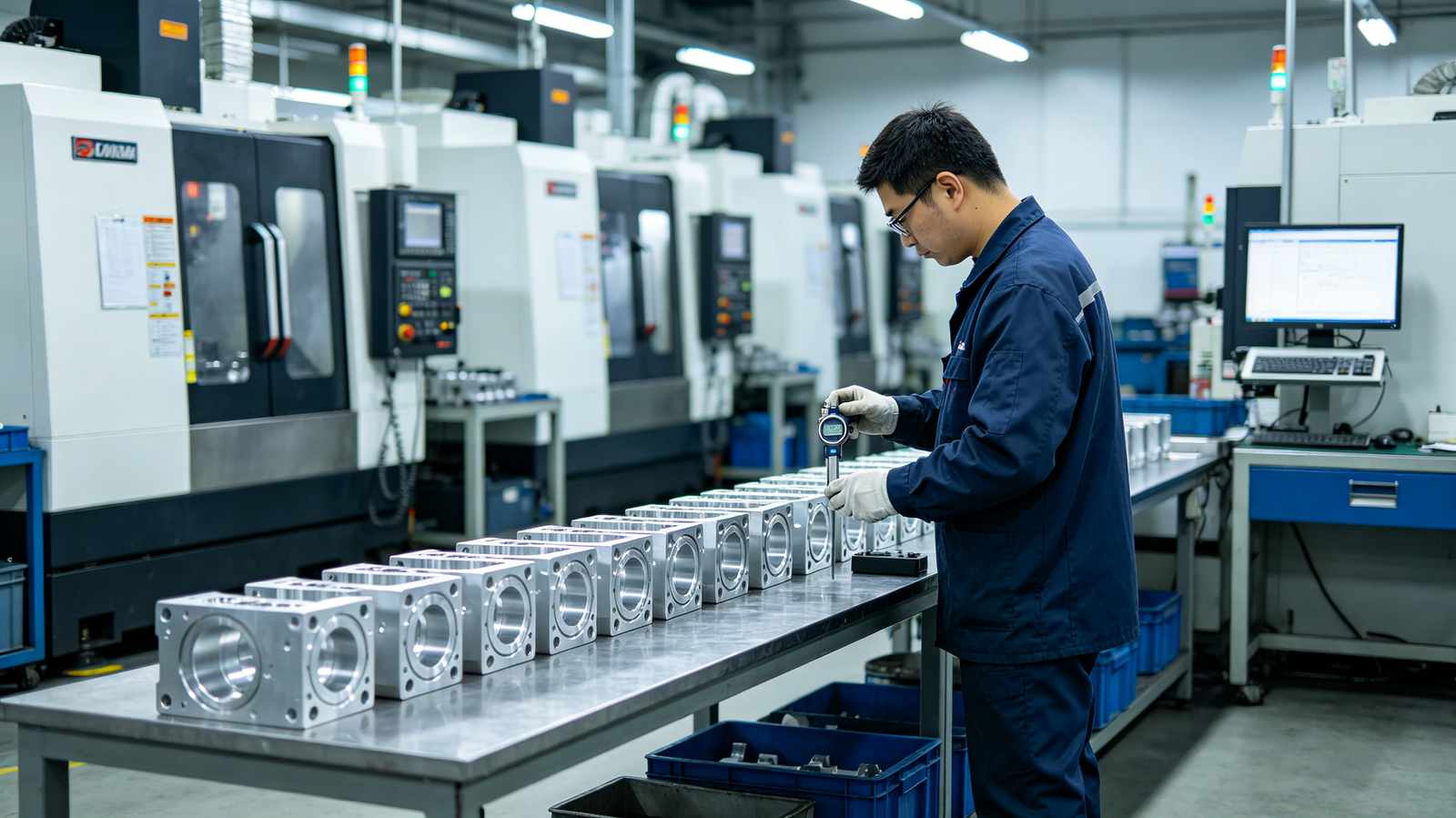
This is the question that most changes the budget, and it is also the one most often confused. Reverse engineering produces a digital definition and then makes parts from it, usually by CNC machining for metal components. Mold replication produces a tool that can make parts by casting or molding, and it is only worth the far higher upfront cost when the volume justifies a tool. Reverse engineering answers “what is this part and how do I make one more,” while mold replication answers “how do I make ten thousand more,” and the cost difference is the cost of the tool, not the cost of the knowledge. The guidance on evaluating a factory’s reverse-engineering capability for discontinued parts is worth reading before you commit, because the capability that matters is the one matched to your volume.
Output and flexibility: Reverse engineering delivers a CAD model and machined parts that can be revised as you learn more, whereas mold replication delivers a fixed tool and a fixed part, so a part whose fit is still being refined belongs in the reverse-engineering column until the design is frozen.
Upfront versus per-piece cost: Reverse engineering carries most of its cost once, up front, and then a modest per-piece machining cost, while replication carries a large tooling cost up front and a very low per-piece cost, so the crossover volume is the real decision criterion, not the headline quote.
Lead time and risk: A reverse-engineered machined part can be in your hands in days once the model is validated, while a replicated tool can take weeks to cut, try and correct, so urgency and risk tolerance belong in the same sentence as the cost.
Fit and material fidelity: Machining from a reverse-engineered model reproduces the as-measured geometry faithfully, while molding reproduces it through shrinkage and tooling allowances that must be compensated, and the compensation is another place where an undocumented assumption becomes your problem.
The decision is easier once the volumes are put next to each other on paper. A buyer who reads a practical overview of our services and a reverse-engineering capability assessment can usually see the crossover point without a spreadsheet, because the per-piece saving from a tool only matters once the run is long enough to pay for the tool. Treating the two as a spectrum rather than as rivals keeps the door open to start with machining and move to replication only when the volume earns it, which is almost always the lower-risk path for a part whose demand is still uncertain.
🧭 Choose reverse engineering when you need tens or hundreds; choose replication when you need thousands and the design is frozen.
How do samples, accuracy and batch size change the price?

The third lever is the specification of the job itself, and small changes here move the number more than buyers expect. Accuracy is not a switch; it is a budget, and every extra tenth of a millimetre of confidence has a cost in measurement, programming and inspection. A buyer who demands aerospace tolerance on a bracket that only needs to locate by a clearance hole is paying for certainty they will never use. The efficient reverse-engineering project is scoped to the fit, not to the maximum the machine can hold, and the batch size decides whether the engineering cost is spread over ten parts or ten thousand. It is worth reviewing how a supplier verifies machining quality through a CMM report, because the inspection plan is where accuracy stops being a promise and becomes a number.
Required accuracy and tolerance band: A functional reverse engineering to plus or minus a few tenths for a locating feature costs far less than a metrology-grade reconstruction to a tight envelope, and the tolerance should match the assembly, not the capability of the machine.
Batch size and spread of engineering: A run of ten spreads the reverse-engineering cost across ten pieces and keeps the per-piece price high, while a run of five hundred spreads it thin and rewards the upfront investment, so the batch size is part of the unit cost, not separate from it.
Material and finish specification: Specifying the exact original alloy and finish costs more than a functional substitute that meets the duty, and a buyer who can accept a documented equivalent usually halves the material risk without changing the function.
Urgency and tryout loops: A project that allows one validation loop is cheaper than one that demands the first piece to be perfect, because the first reverse-engineered part is a hypothesis, and a hypothesis that is allowed one correction is far cheaper than one that is forbidden to be wrong.
The fastest way to control this lever is to state the acceptable fit in plain language before quoting, rather than asking for the best the machine can hold. Reviewing how a supplier verifies machined quality through a CMM report and how it confirms capability through FAI lets you specify the inspection that matches the fit instead of the maximum the equipment can reach, and that single match is where most unnecessary cost is removed. Accuracy scoped to the assembly, not to the machine, is the cheapest professionalism a buyer can ask for.
📐 Scope the accuracy to the fit and the batch to the need; that single decision usually outweighs the choice of supplier.
Cost-component matrix for discontinued-part reproduction
| Cost driver | Measure only | Reverse engineer + machine | Reverse engineer + replicate | Full design-intent rebuild |
|---|---|---|---|---|
| Engineering upfront | Low | Medium | High | Highest |
| Per-piece cost | Varies, low fidelity | Moderate | Lowest at volume | Moderate |
| Best batch range | One-off, simple | Tens to low hundreds | Thousands | When intent matters |
| Risk of fit error | High | Low with FAI | Medium, tool-dependent | Lowest |
| Documentation asset | None | CAD + CMM + FAI | Tool + process sheet | Complete design record |
The right column depends on how many you need and how much you must trust the result, and a short conversation about volume and confidence usually settles the method faster than another round of blended quotes. For most maintenance, spares and legacy-production situations, reverse engineering plus CNC machining is the natural entry point, with replication held in reserve for the volumes that earn the tool.
A practical sequence for scoping a discontinued-part project
A reverse-engineering project is best scoped in four passes, and skipping the first pass is the usual reason a quote comes back unusable. Start by describing the sample you actually have and the confidence the part must carry, then ask the supplier to state the method and the deliverables, then agree the validation loop and the inspection package, and finally price the replacement against the agreed batch rather than against a vague “copy it.” Buyers who treat the first-article and the CAD model as deliverables rather than freebies almost never end up explaining to their plant why the new bracket does not line up. Ruicheng Industrial Design Co., Ltd. keeps scanning, CAD reconstruction, CNC machining and CMM inspection in one workflow, which shortens the loop between a failed fit and a corrected model.
Two pitfalls account for most failed reverse-engineering budgets. The first is treating the sample as better than it is, which pushes reconstruction cost onto the project after the price was agreed; the second is demanding a tool before the design is frozen, which converts a flexible machining program into a rigid commitment at the worst possible moment. Both are avoided by being honest about the sample condition and patient about the volume, and by keeping the first deliverable a validated digital model rather than a finished tool. A capability assessment of the supplier at the scoping stage is the cheapest insurance against either trap, because it forces the method and the deliverables into the open before money changes hands.
- Describe the sample honestly: State what you have, its condition, whether both halves exist, and what the part must do, because a project scoped from an optimistic sample description is a project that discovers its real cost at the first tryout.
- Fix the method to the volume: Choose reverse engineering plus machining for tens to hundreds and replication for thousands, and state the crossover explicitly so the supplier prices the right tool rather than the safe one.
- Agree the deliverables: Require the CAD model, the CMM report and the FAI as part of the price, not as extras, because the documentation is what turns a copied part into a managed spare.
- Define one validation loop: Accept that the first piece is a hypothesis and agree the correction route and who pays for it, so the project has a known end rather than an open tab.
Frequently asked questions from procurement teams
What do you need from us to quote a discontinued part? Send the sample if you have one, or clear photographs and any surviving drawings, plus the material if known, the function and the fit tolerance, the required batch size and the acceptable lead time. The condition of the sample matters more than anything else, because a clean sample is a measurement job and a broken sample is a reconstruction job, and those are priced very differently.
Is reverse engineering cheaper than making a new tool? For low and medium volumes, almost always yes, because the upfront engineering is a fraction of tooling cost and the first parts arrive in days rather than weeks. Replication only wins when the volume is high enough to amortise the tool, and only when the design is frozen, so the batch size is the deciding input, not the unit price.
How accurate can a reverse-engineered part be? As accurate as the sample and the method allow, typically to a few tenths of a millimetre on critical datums when measured by CMM and validated by FAI, but the accuracy should be scoped to the fit rather than maximised by default. Over-specifying tolerance is the most common way to pay for confidence the assembly never uses.
What happens if the first reverse-engineered part does not fit? That is why a validation loop and a correction route should be agreed before the order. The first piece is treated as a hypothesis checked against the original assembly and the CMM report, and the model is corrected before the batch, which is far cheaper than discovering the misfit after a full run. Reviewing how a supplier verifies capability through FAI reports is the quickest way to confirm the loop exists.
Can you also replicate the part by molding if we later need volume? Yes, once the CAD model from the reverse-engineering phase is validated, it becomes the input for a replication tool, so the engineering already paid for is reused rather than repeated. Starting with reverse engineering plus machining therefore keeps your options open and only commits to tooling when the volume justifies it.
Conclusion
The cost to reverse engineer a discontinued part is not a single number; it is the sum of how much of the part’s definition you need to recreate, how faithfully, and how many you need. Reverse engineering and mold replication are different products priced on different logic, and the budget is set by choosing the right one for your volume rather than by negotiating the quote for the wrong one. Scope the accuracy to the fit, spread the engineering across the real batch, and require the CAD model, the CMM report and the FAI as deliverables, and the cost becomes a managed program instead of a surprise. Put the sample condition, the confidence level and the batch size into the RFQ, and the price question answers itself before any metal is cut. Most buyers find that the first reverse-engineered batch pays for the engineering within two or three reorders, after which the part is simply a managed spare rather than a recurring emergency, and that is the real return on scoping the project honestly at the start.
For expert assistance in reverse engineering discontinued parts for your production needs, visit our resource center or contact us. Let’s help you scale up your manufacturing with precision and efficiency!