Medical Device Metal Finishing Supplier Evaluation
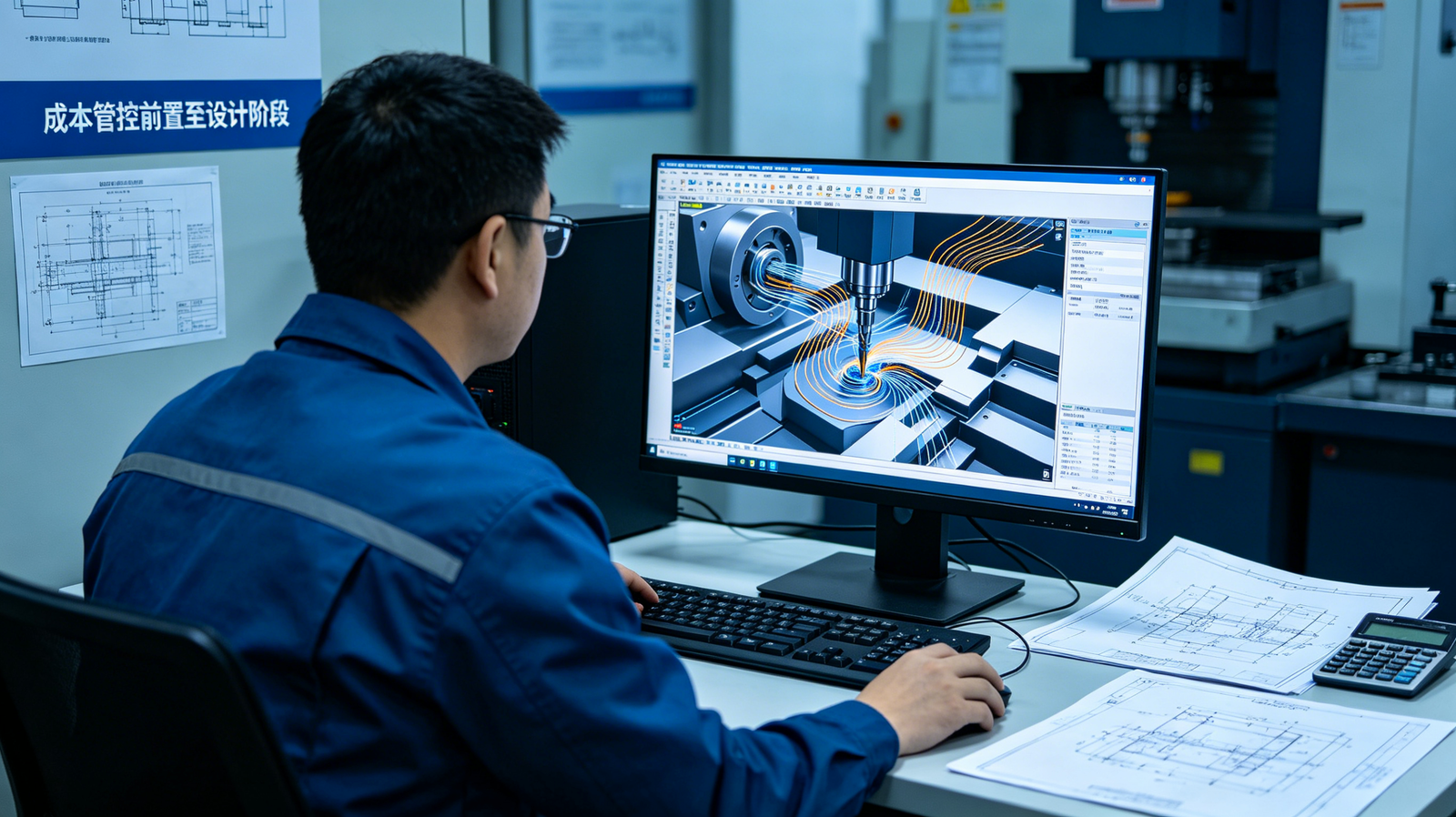
Metal finishing for medical device components is not simply an aesthetic treatment. It can directly affect corrosion resistance, surface cleanliness, wear performance, assembly reliability, and long-term product risk. For stainless steel, titanium, aluminum, and other medical device metals, processes such as passivation, electropolishing, anodizing, and blasting can significantly change the final surface condition. The right supplier is not the one that offers the longest list of finishing processes, but the one that can consistently prove its process results are under control.
Medical device projects also require consideration of design changes, validation, production, and traceability, so supplier evaluation should go beyond price and lead time. FDA’s Quality Management System Regulation (QMSR) became effective on February 2, 2026, incorporating ISO 13485:2016 requirements into the medical device quality system framework under 21 CFR Part 820. This further emphasizes controlled quality management throughout medical device manufacturing. Supplier evaluation should therefore move from “Can you provide this process?” to “Can you consistently demonstrate that this process is controlled?”
How Can a Supplier Prove Medical Metal Finishing Capability?
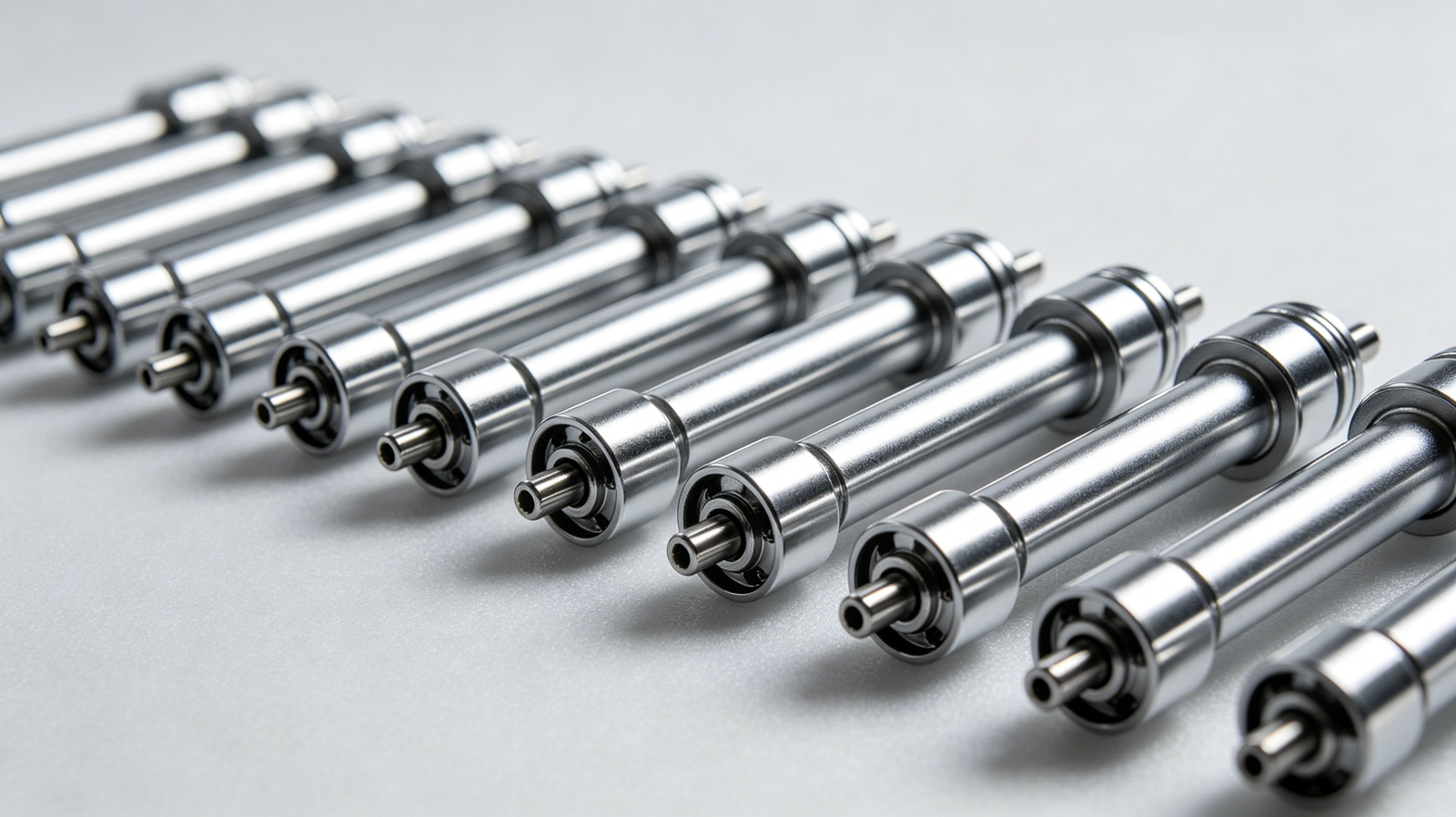
When evaluating a medical device metal finishing supplier, the first step is to determine whether its process capabilities actually match your material, component geometry, and intended application rather than simply reviewing a list of available finishing processes. For stainless steel components, passivation requires attention to cleaning, descaling, removal of free iron, and subsequent verification. ASTM A380/A380M provides practices related to cleaning, descaling, pickling, and passivation of stainless steel, while ASTM A967/A967M covers chemical passivation treatments and related verification methods. At Xiamen RuiCheng, we evaluate medical device metal manufacturing requirements together with the actual component drawings before recommending a finishing route. A capable supplier must be able to translate a “finishing process” into measurable and verifiable quality results.
Process Coverage: The supplier should be able to match stainless steel, titanium, aluminum, and other substrates with appropriate finishing processes rather than applying one process to every metal.
Process Parameter Control: Critical parameters should be managed through controlled procedures covering pretreatment, processing time, temperature, chemical conditions, rinsing, and drying.
Sample Validation: The supplier should be capable of validating samples for appearance, dimensions, surface condition, and corrosion performance before mass production.
Engineering Communication: A qualified supplier should identify potential conflicts between material, component geometry, finishing requirements, and the final operating environment during quotation and engineering review.
🔎 When evaluating a metal finishing supplier, verify whether its processes are truly measurable and whether the results can remain consistent throughout production.
How Can You Determine Whether a Finishing Process Fits Medical Devices?

Medical device finishing cannot be selected independently of the component’s final application. The same metal may require different surface treatment strategies depending on its contact environment, sterilization method, and expected service life. FDA’s biocompatibility guidance emphasizes that evaluation should consider the finished medical device, the nature of contact, and contact duration rather than simply the name of the raw material. Therefore, during supplier evaluation, buyers should require the supplier to explain how the finishing process relates to the final application and whether risks such as chemical residues, corrosion, particles, or surface changes have been addressed. Xiamen RuiCheng evaluates material grade, component dimensions, tolerances, and application conditions during the early engineering stage to reduce the risk of discovering process incompatibility after production begins.
Substrate Compatibility: Different metals respond differently to pickling, passivation, anodizing, electropolishing, and other treatments, so the process should be developed around the actual material grade.
Dimensional Impact: Electropolishing, blasting, anodizing, and similar processes may affect surface condition or dimensions, making pre-treatment allowances important for precision mating areas.
Cleanliness Requirements: Medical device components can be highly sensitive to chemical residues and particles, so cleaning and final packaging should be treated as controlled manufacturing steps rather than secondary operations.
End-Use Conditions: For components involving bodily contact, fluid pathways, or specific sterilization environments, the finishing process should be evaluated as part of the overall device risk management strategy.
🧪 The right finishing process is not simply the one that produces a better-looking surface; it must be compatible with the material, application environment, and risk profile.
How Can You Verify Consistent Supplier Performance?

One of the most overlooked issues in medical device metal finishing is the difference between successfully processing one sample and consistently processing thousands of production parts. Real manufacturing capability must be demonstrated through batch consistency, inspection records, process traceability, equipment maintenance, and corrective action procedures. ISO 13485 emphasizes a quality management system capable of consistently meeting customer and applicable regulatory requirements, meaning supplier evaluation should not stop after first-article approval. At Xiamen RuiCheng, we focus on whether critical finishing processes are standardized, documented, and traceable, especially when abnormalities occur.
Batch Consistency: The supplier should explain how differences in color, roughness, surface condition, and corrosion performance are controlled between production batches.
Inspection Records: Critical quality characteristics should be supported by inspection results so buyers can trace samples, production lots, and abnormal results.
Change Control: Changes to chemicals, equipment, process parameters, or production locations should be evaluated through a defined change-control process.
Nonconformance Handling: When contamination, corrosion, discoloration, or performance failures occur, the supplier should be able to isolate affected batches, identify root causes, and implement corrective actions.
📋 True medical device finishing capability means that every production batch can be explained, verified, and traced.
Medical Device Metal Finishing Supplier Evaluation Matrix
| Evaluation Area | Key Focus | Evidence to Request | Risk |
|---|---|---|---|
| Quality System | QMS and documentation | Certificates and records | High |
| Process Capability | Material-process compatibility | Process documentation | High |
| Testing Capability | Verifiable results | Inspection reports | High |
| Mass Production | Batch consistency | Process data | High |
If you are evaluating a medical device metal finishing supplier, Xiamen RuiCheng can assist with process assessment based on your material, drawings, surface requirements, and expected production volume. contact us for a professional project evaluation.
How Can Supplier Evaluation Become an Actionable Decision?
Selecting a medical device metal finishing supplier is essentially a manufacturing risk assessment rather than a simple price comparison. Buyers should evaluate quality systems, process capability, testing evidence, mass-production stability, and change control within one integrated framework, while completing sample validation and quality requirement confirmation before production release. When a supplier can provide complete process evidence, supplier selection moves from “trusting the supplier” to “selecting the supplier based on evidence.”
1.Review the System: Confirm that the supplier has a quality management system and document-control capabilities appropriate for your target market and project requirements.
2.Evaluate the Process: Ask the supplier to propose a specific process route based on the actual material, geometry, and surface requirements instead of simply listing available processes.
3.Validate the Results: Use samples, inspection reports, surface evaluation, and required performance testing to verify that the finishing process meets project requirements.
4.Confirm Mass Production: Review batch control, traceability, change management, and nonconformance procedures before approving the supplier for long-term production.
Medical Device Metal Finishing Procurement FAQ
Question 1: What are the key quality standards for your medical device metal finishing services?
Answer: Xiamen RuiCheng develops quality control plans according to the material, component geometry, surface requirements, and intended application. For stainless steel passivation projects, applicable ASTM requirements can be incorporated into the process and inspection plan. ASTM A967/A967M includes verification methods involving water immersion, high humidity, salt spray, copper sulfate, and free-iron detection. The specific tests should be selected according to the material and project requirements.
Question 2: What information should we provide to quickly start a medical device metal finishing project?
Answer: We recommend providing 2D or 3D drawings, material grade, finishing requirements, critical dimensions, tolerances, operating environment, contact conditions, sterilization method, and estimated production volume. Xiamen RuiCheng engineers can use this information to evaluate process feasibility and determine whether the finishing process could affect dimensions, appearance, or assembly performance.
Question 3: How are MOQ and lead times determined for different order volumes?
Answer: Medical device finishing projects typically require lead times to be determined based on component size, finishing route, production quantity, inspection requirements, and whether dedicated tooling or fixtures are required. Instead of applying one fixed MOQ or lead time to every project, Xiamen RuiCheng recommends sample or pilot-batch validation for new programs before establishing the full production schedule, reducing the risk of quality problems during mass production.
Question 4: How do you handle surface quality or delivery problems after production?
Answer: Xiamen RuiCheng investigates reported issues using production batch information, process records, inspection data, and sample analysis. Relevant batches can be isolated while the potential causes are reviewed across material preparation, pretreatment, finishing, cleaning, and packaging. Corrective actions are then implemented based on the confirmed root cause.
Question 5: Can you customize the finishing process for our specific medical application?
Answer: Yes. Process feasibility can be evaluated according to material grade, body-contact conditions, contact duration, sterilization method, corrosion resistance, dimensional tolerances, and the intended regulatory market. For medical devices involving patient contact, the finishing process should be considered as part of the overall device risk management and biocompatibility assessment rather than evaluated independently.
Conclusion
Evaluating a medical device metal finishing supplier requires more than checking whether the supplier offers passivation, electropolishing, anodizing, or other finishing processes. The real question is whether the supplier can connect material selection, process control, inspection, documentation, and quality management into a repeatable manufacturing system. For high-requirement medical projects, the strongest supplier is one that can clearly explain why a process was selected, how its results are verified, and how problems can be traced when they occur. Xiamen RuiCheng focuses on the complete manufacturing chain from early engineering evaluation and sample validation to mass production and quality traceability, helping customers reduce supplier and production risks before they become costly problems.
For expert assistance in implementing medical device metal finishing production needs, visit our resource center or contact us. Let’s help you scale up your manufacturing with precision and efficiency!