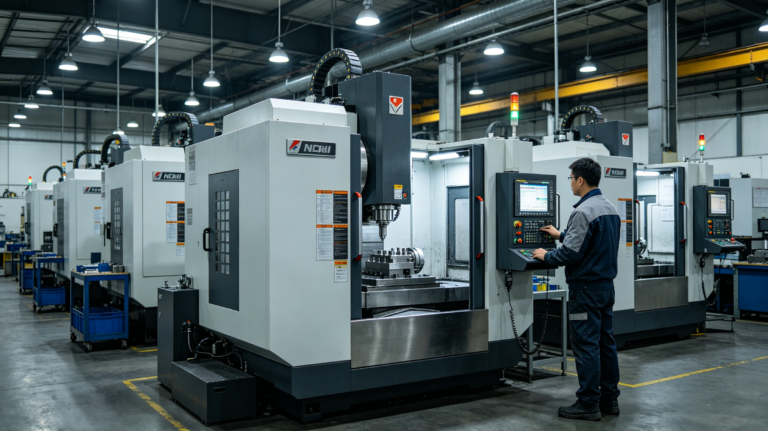
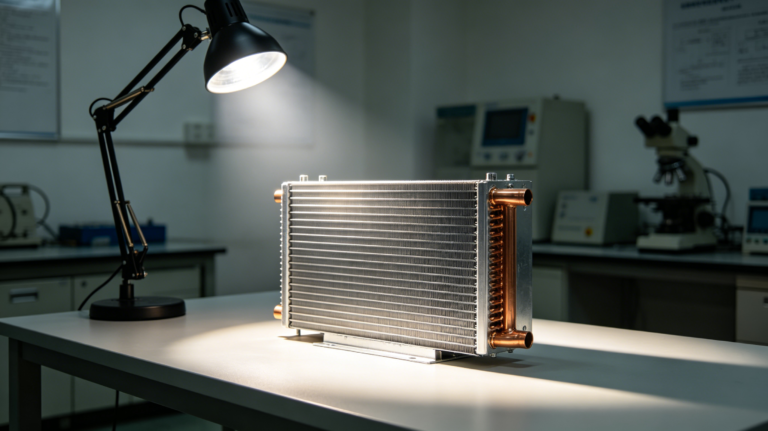
Introduction
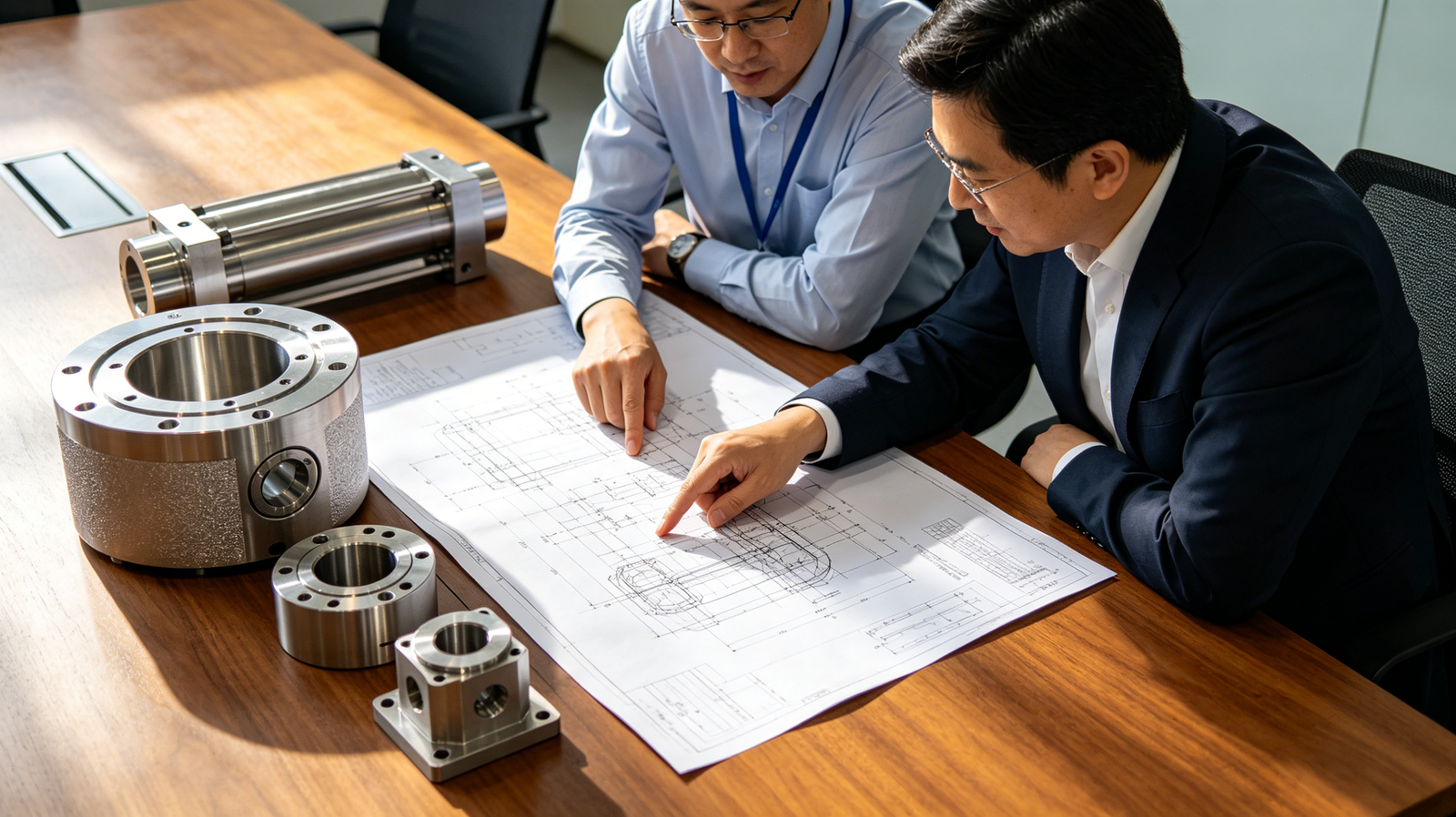
CNC reverse machining is essentially a process of reconstructing a geometric model from physical parts or scanning data and then re-manufacturing it. Therefore, its error chain is significantly longer than that of traditional forward machining. Any minor deviation in any stage can be amplified in the final part, especially in complex surfaces and assembly structures. Error control capability directly determines whether reverse-machined parts are engineering-viable.
In consumer electronics, automotive components, and industrial equipment, reverse machining is commonly used for mold repair, sample replication, or rapid design iteration. In practical projects, Xiamen Ruicheng reduces cumulative errors through data modeling and process compensation methods. Truly reliable reverse machining is not “copying geometry,” but controlling full-chain error propagation.
Where Do Errors in CNC Reverse Machining Come From?
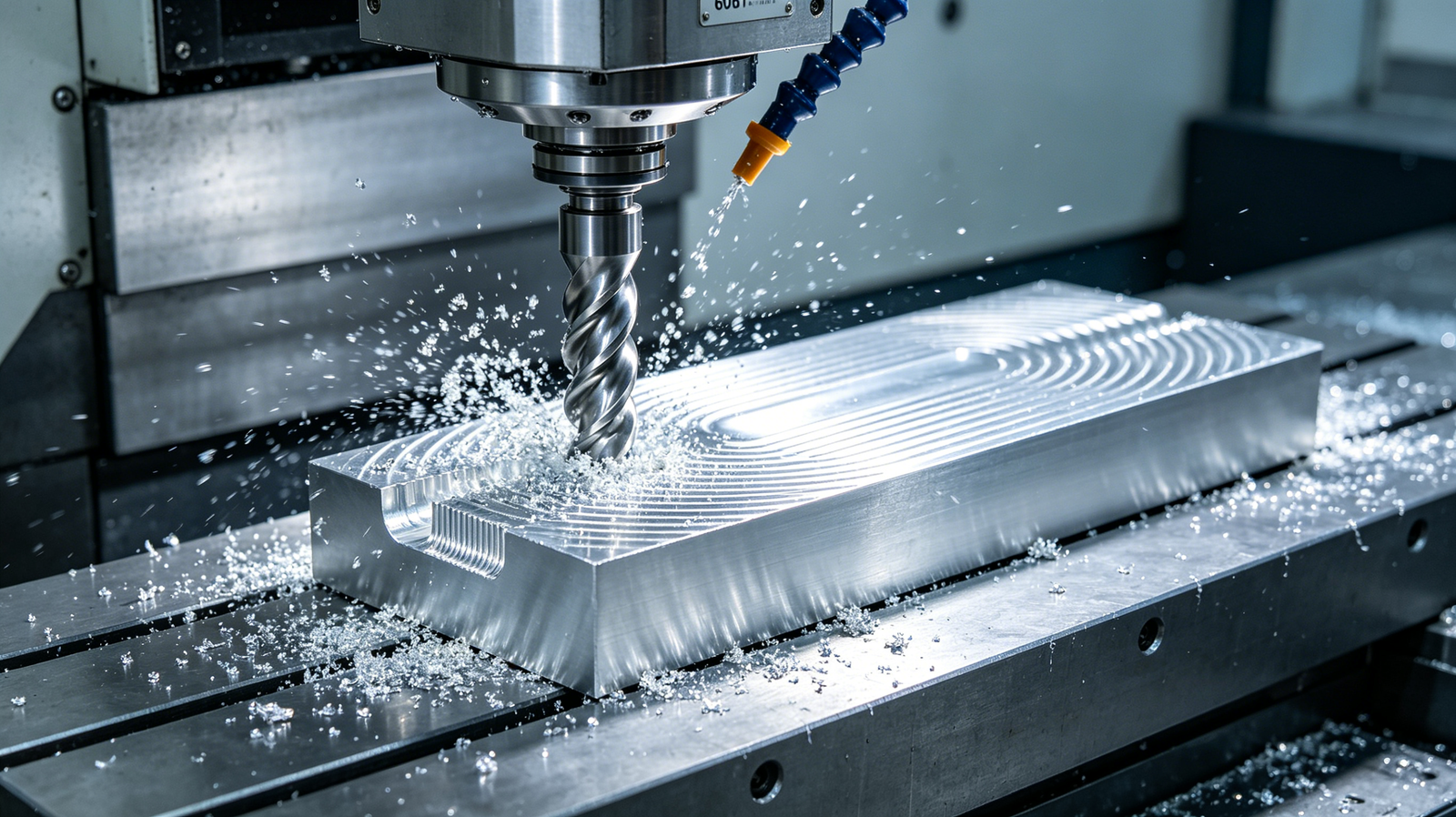
Errors in CNC reverse machining typically originate from multiple stages, including scanning accuracy, point cloud processing, surface reconstruction, and toolpath generation. Each step affects the final outcome. When handling reverse engineering projects, Xiamen Ruicheng classifies and calibrates errors at each stage. Error is not a single-point issue, but the result of cumulative propagation across the entire data chain.
Scanning Data Error: Inaccurate 3D scanning equipment or reflective surfaces may cause point cloud deviation.
Surface Reconstruction Error: Geometric simplification errors may occur during point cloud fitting.
Toolpath Generation Error: Insufficient CAM optimization can cause local contour deviations.
Machining Error: Tool wear and thermal deformation further amplify deviations.
📌 The core issue in reverse machining is error accumulation, not single-stage failure.
How Does Data Modeling Reduce Reverse Machining Errors?
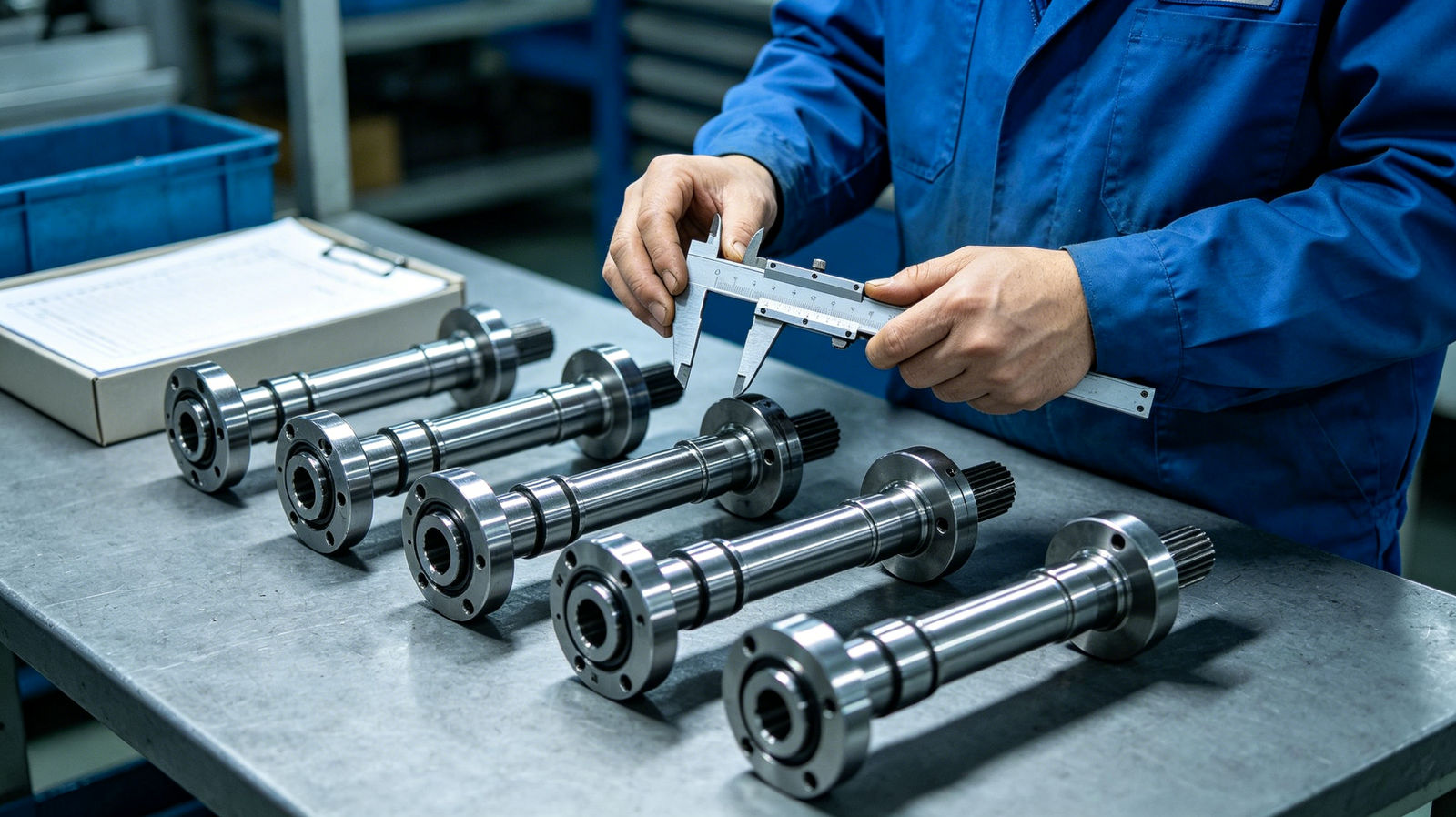
In reverse machining, data modeling is the core stage of error control, especially for complex freeform surface products. High-precision modeling and comparative analysis can effectively reduce geometric deviation. Model quality determines the upper limit of machining accuracy, not the machine tool itself.In Xiamen Ruicheng’s process system, scanning data is repeatedly compared with CAD models, and deviation compensation algorithms are introduced. By integrating CAD/CAM systems, geometric correction can significantly improve consistency.
Point Cloud Optimization: Removes noise and improves data density uniformity.
Surface Fitting Optimization: Uses segmented fitting to reduce global error propagation.
Datum Reconstruction Control: Ensures a unified reference system to avoid cumulative offsets.
Error Compensation Modeling: Improves machining consistency through reverse correction.
📌 The data processing stage defines the “theoretical accuracy” of the final part.
How to Further Control Errors During CNC Machining?
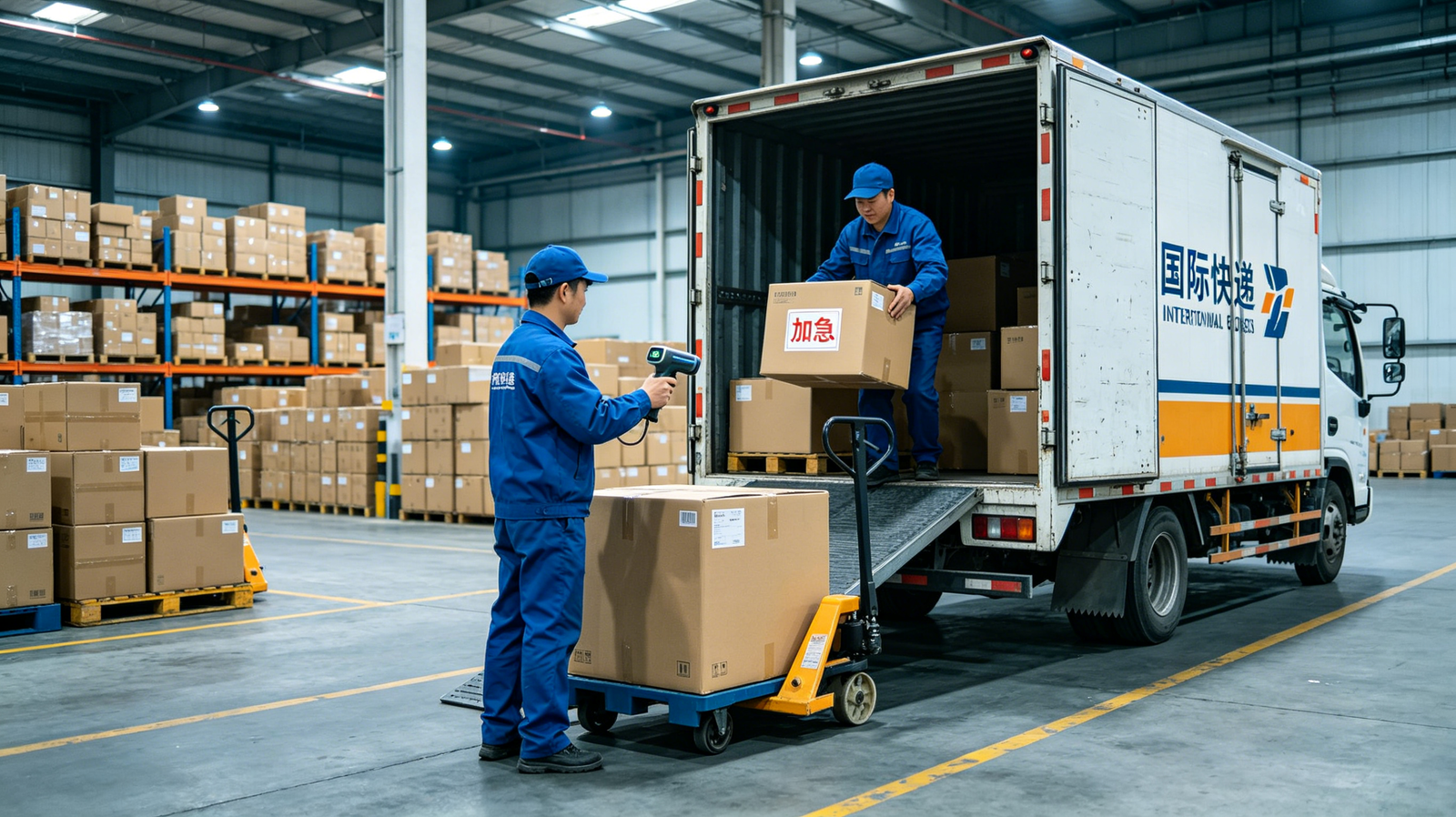
Even with high-precision front-end modeling, CNC machining can still introduce new errors. Therefore, process control is required for compensation. In batch reverse machining, Xiamen Ruicheng applies multi-axis linkage and dynamic compensation strategies. Process stability determines the repeatability of final parts.
Toolpath Optimization: Reduces contour deviation caused by abrupt stops and sharp turns.
Thermal Deformation Control: Reduces machine drift by controlling machining cycles.
Fixture Positioning Control: Uses unified clamping references to avoid positional errors.
Tool Wear Monitoring: Ensures cutting consistency through scheduled tool replacement.
📌 Machining does not create precision; it preserves upstream model accuracy.
Comparison of CNC Reverse Machining Error Control Methods
| Control Stage | Method | Main Objective | Accuracy Impact | Industrial Value |
|---|---|---|---|---|
| Data Scanning | High-precision 3D scanning | Capture raw geometry | High | Sample replication |
| Surface Modeling | CAD fitting optimization | Reduce data deviation | Very High | Mold repair |
| CAM Toolpath | Toolpath optimization | Control machining trajectory | Medium | Mass production |
| CNC Machining | Dynamic compensation | Ensure final consistency | High | Industrial parts |
This system is widely used in automotive parts, electronic structural components, and industrial equipment, forming the foundation for stable reverse manufacturing. For further DFM analysis or error evaluation support, contact us via contact us for engineering evaluation services.
How Does CNC Reverse Machining Improve Overall Engineering Stability?
In complex product development, reverse machining is not only used for replication but also for validating design feasibility and manufacturability. Through systematic error control, batch consistency and engineering reliability can be significantly improved. A stable error control system is the key threshold for moving reverse engineering toward mass production.
1.Improved Replication Accuracy: Ensures complex structures can be reliably reproduced.
2.Reduced Trial-and-Error Cost: Minimizes rework and remodeling cycles.
3.Improved Assembly Consistency: Ensures stable part-to-part fit relationships.
4.Enhanced Mass Production Capability: Enables industrial-grade production stability.
FAQ: CNC Reverse Machining Error Control
Q1: What are the main sources of error in your CNC reverse machining process?
A: Errors mainly come from scanning, modeling, toolpath planning, and machining stages. Segmented control and data calibration effectively reduce cumulative deviation.
Q2: How is dimensional consistency ensured in reverse machining?
A: Through unified datum systems, error compensation modeling, and CNC dynamic compensation systems.
Q3: What industries are suitable for reverse machining?
A: Mold repair, product replication, industrial design iteration, and complex part remanufacturing.
Q4: Can error analysis reports be provided?
A: Yes. Full deviation analysis is available through 3D scanning comparison and CMM inspection data.
Q5: How does Xiamen Ruicheng control reverse machining quality?
A: Through full-process data control, engineering calibration, and in-process inspection systems ensuring stable precision.
Conclusion
The core of CNC reverse machining is not simple replication, but systematic control of error propagation paths. By coordinating scanning, modeling, and machining stages, final part accuracy and consistency can be significantly improved. The real engineering value lies in enabling reverse machining to achieve mass production capability, not just sample reproduction.
For expert assistance in implementing CNC reverse machining for your production needs, visit our resource center or contact us. Let’s help you scale up your manufacturing with precision and efficiency!