Introduction
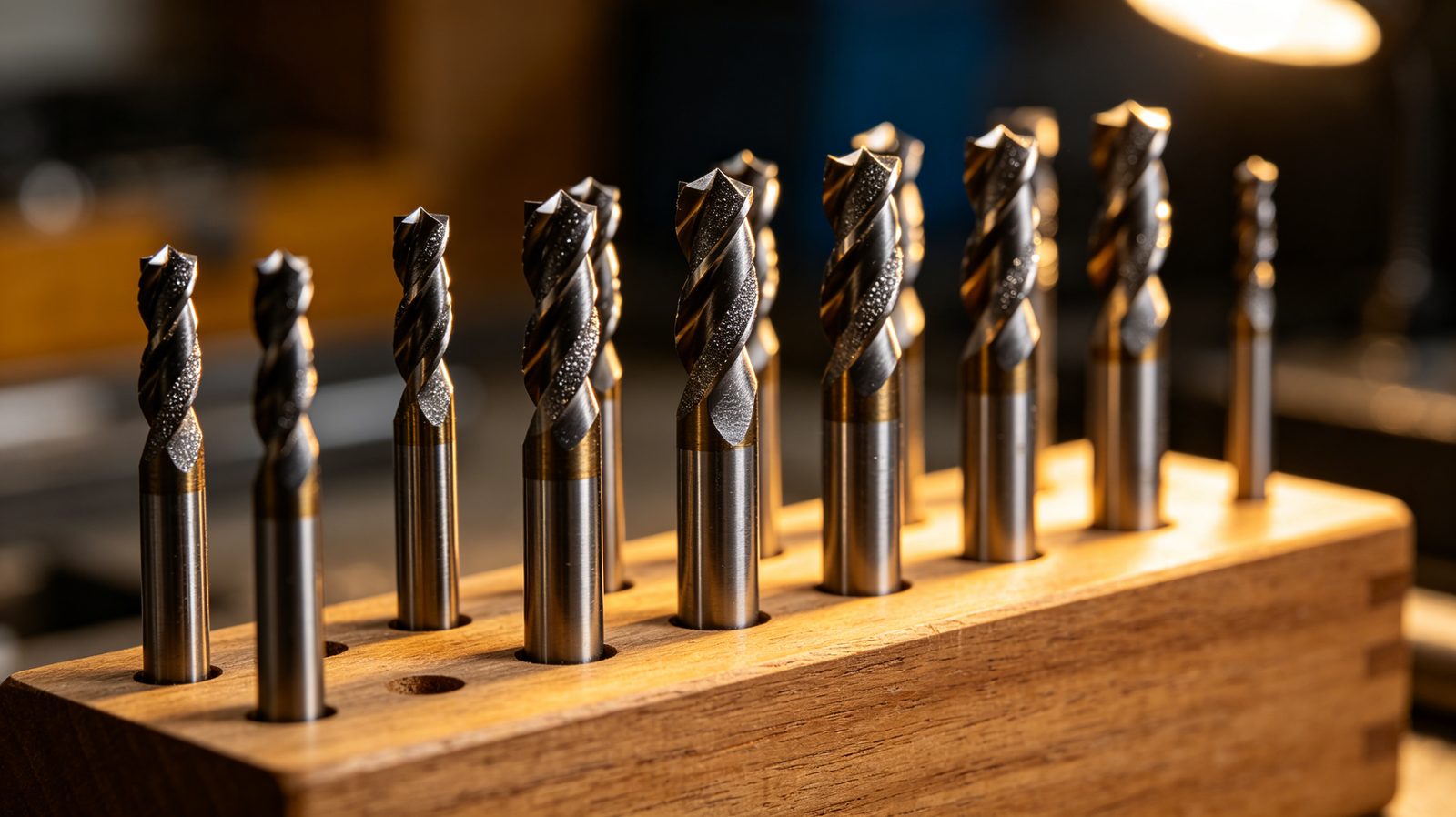
In CNC machining processes, burrs are one of the most common yet often underestimated quality issues. They typically appear at cutting edges, hole exits, or contour transitions, directly affecting assembly precision and surface consistency. For high-precision components, burrs are not only cosmetic defects but can also become functional failure risks. In mass production, burr formation is often a signal of unstable process control.
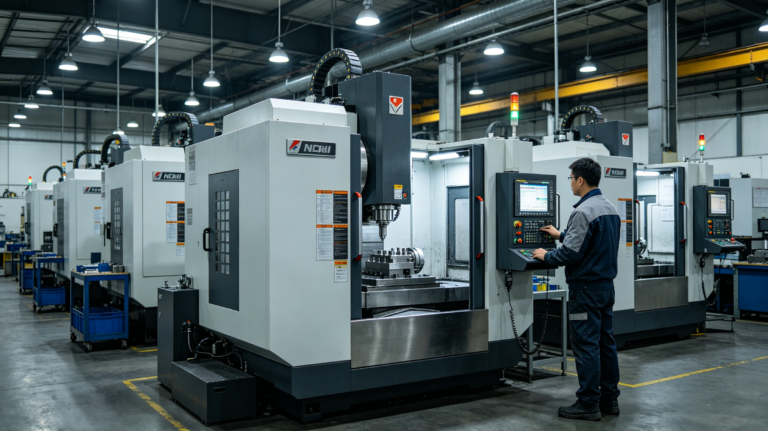
From an industrial application perspective, consumer electronics, automotive structural parts, and industrial components are increasingly demanding tighter edge quality control. In CNC projects at Xiamen Ruicheng, burr formation paths are systematically controlled through process optimization and quality inspection systems. True manufacturing capability is not about whether burrs occur, but about whether they can be consistently controlled and eliminated.
Why Do CNC Parts Produce Burrs?
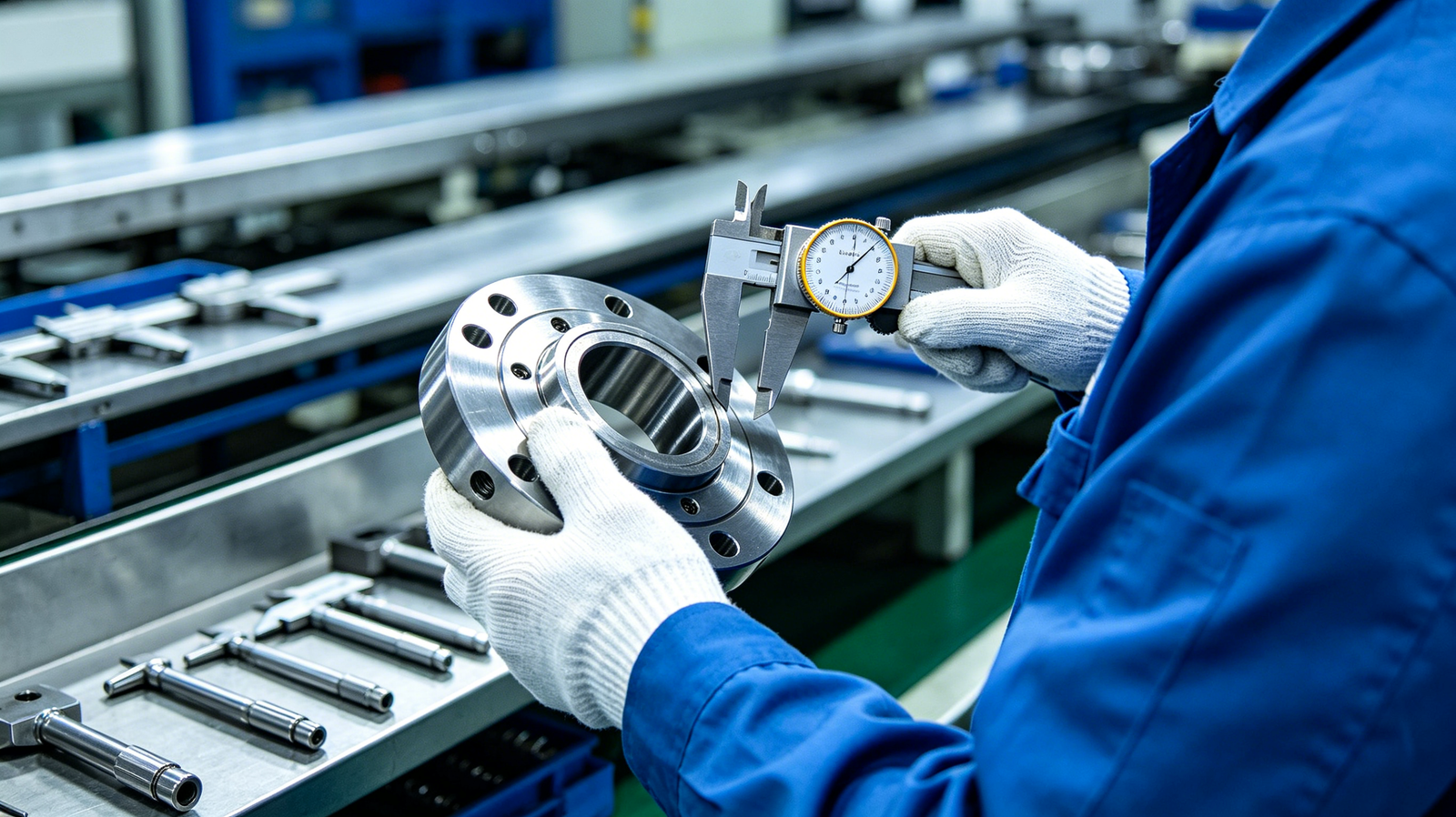
The fundamental cause of burr formation in CNC parts is the combined effect of material plastic deformation and unbalanced cutting forces. When the tool approaches the material boundary, the material is not fully sheared but instead plastically deforms or tears, leaving residual edges. Based on CNC machining principles and machining mechanics, burrs are essentially the result of incomplete material separation. Burrs are not random defects but a manifestation of how cutting energy is released.
Material plastic behavior: Different metals deform differently during cutting, affecting burr size.
Cutting boundary effect: When the tool exits the workpiece, reduced support causes material tearing.
Thermo-mechanical coupling: Local heat reduces material strength, increasing edge deformation.
Process instability: Fluctuations in feed rate and spindle speed amplify burr formation probability.
📌 Burr formation is the combined result of material, tool, and process interaction.
Which Machining Parameters Cause CNC Burrs?
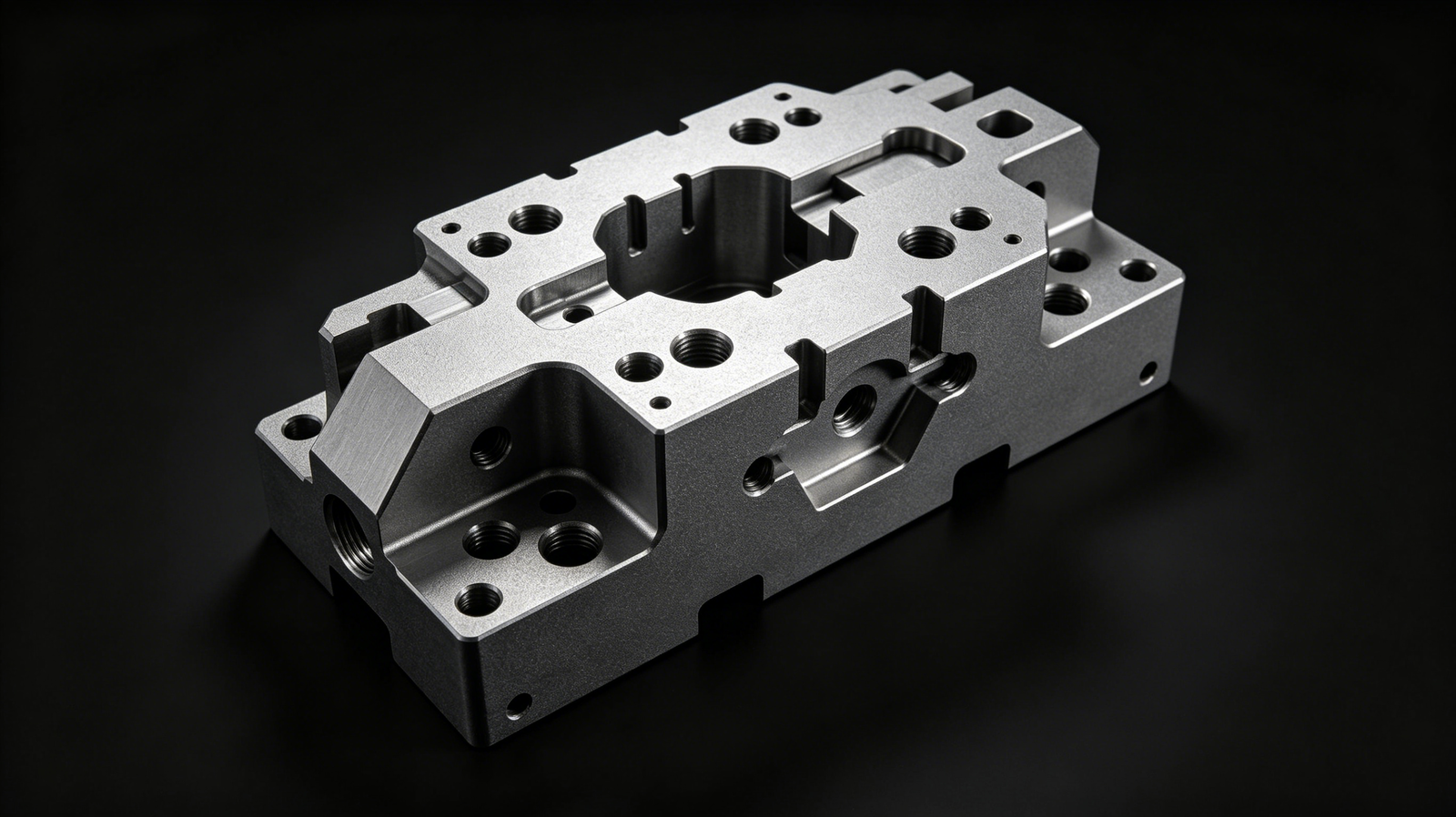
In production, machining parameters are one of the most direct factors affecting burr formation. Variations in feed rate, cutting depth, and spindle speed significantly change the material separation behavior. In practice, Xiamen Ruicheng uses numerical control systems to monitor key parameters in real time, reducing unstable cutting behavior. The higher the parameter fluctuation, the higher the uncertainty of burr formation.
Excessive feed rate: Causes tearing instead of clean cutting.
Improper cutting depth: Increases tool load and edge deformation.
Unstable spindle speed: Leads to periodic cutting force fluctuations.
Insufficient cooling: Softens material, increasing burr formation risk.
📌 The core of parameter control is maintaining continuous and stable cutting energy release.
How to Reduce CNC Burrs from a Process Perspective?
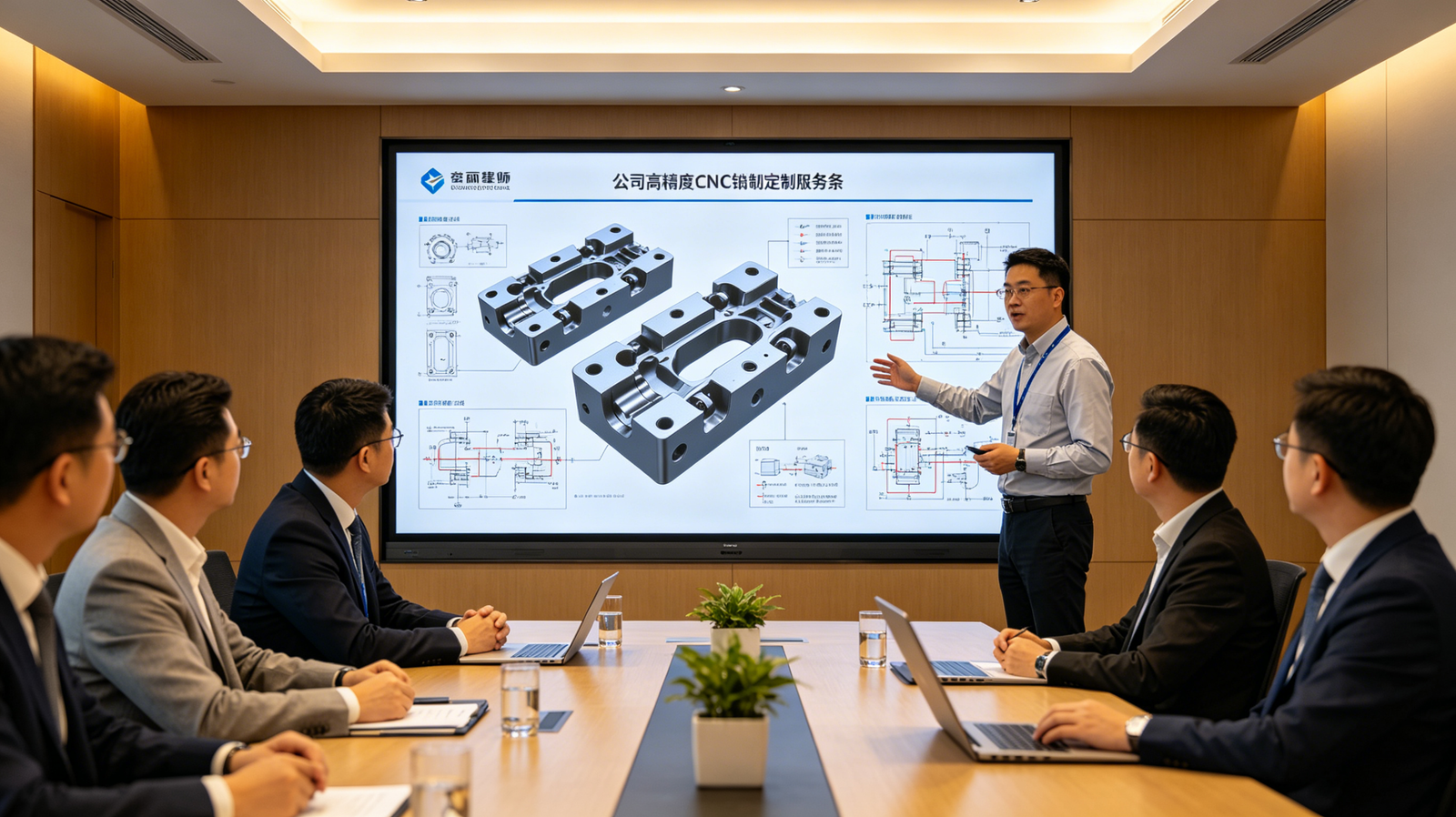
Burr reduction is not only a post-processing issue but a systematic engineering problem covering design, machining, and inspection. By optimizing tool paths, improving fixture rigidity, and adjusting machining sequences, burr formation can be significantly reduced. In precision manufacturing, Xiamen Ruicheng applies DFM process analysis thinking to front-load burr risk control. Effective burr control happens before machining, not after.
Tool path optimization: Reduces sudden stops and directional changes to avoid tearing.
Fixture rigidity improvement: Prevents micro-vibration during machining.
Stepwise machining strategy: Reduces single-pass cutting load.
Edge design optimization: Adds chamfers to reduce burr concentration zones.
📌 Process optimization aims to eliminate the conditions for burr formation.
CNC Burr Control Methods Comparison
| Control Method | Cost | Stability | Application Stage | Batch Consistency |
|---|---|---|---|---|
| Manual Deburring | Low | Low | Small batch | Poor |
| Vibratory Finishing | Medium | Medium | Medium batch | Medium |
| Thermal Deburring | High | High | Precision parts | High |
| Source Process Control | Medium | Very High | Full stage | Very High |
Source control is the most valuable method in modern manufacturing, while post-processing should only serve as a supplement. In Xiamen Ruicheng’s CNC manufacturing system, emphasis is placed on combining front-end process control with production stability. If you want to improve your part quality control system, you can visit contact us for engineering support solutions.
How to Evaluate CNC Supplier Capability for Burr Control?
CNC burr issues are not only equipment-related but also reflect the overall engineering capability of a supplier. A mature manufacturing system should be able to predict burr risks at the design stage and control them consistently during production. When selecting suppliers, focus on process control capability and quality feedback systems. Truly capable manufacturers solve burr problems at the source, not through post-processing.
1.Process engineering capability: DFM analysis and edge optimization experience.
2.Equipment stability: Machine precision and repeatability.
3.Inspection system completeness: Capability for dimensional and edge quality inspection.
4.Batch consistency control: Process data management system.
FAQ: CNC Burr Issues in Procurement Decisions
Q1: Why do CNC parts easily generate burrs?
A: Because materials undergo plastic deformation and incomplete fracture during cutting, especially at edges where support is weaker.
Q2: Can burrs be completely eliminated?
A: No, but they can be minimized to a controlled level through process optimization and parameter control.
Q3: Which materials are more prone to burrs?
A: Ductile materials such as aluminum alloys and low-carbon steel tend to generate more noticeable burrs.
Q4: Is post-processing deburring reliable?
A: It improves appearance but does not solve the root process issue.
Q5: How to choose a reliable CNC supplier?
A: Evaluate process engineering capability, process control system, and batch consistency performance.
Engineering Nature of CNC Burrs and Manufacturing Decision Logic
CNC burrs are not just machining defects but a direct reflection of manufacturing system stability. Under different materials and process conditions, burr behavior varies significantly, requiring a system-level engineering analysis approach. In precision manufacturing at Xiamen Ruicheng, process pre-analysis and production data control are used to improve batch stability. Burr control capability essentially defines the upper limit of manufacturing quality.
1.Root cause identification: Burrs are process-driven, not random.
2.Process-first control: Reduce risk through machining path and parameter optimization.
3.Process stability management: Ensure batch consistency via data systems.
4.Supplier capability evaluation: Select engineering-capable manufacturing partners.
Conclusion
CNC burr issues are typical process control problems rather than simple equipment or operator errors. Through systematic optimization of materials, parameters, and processes, burr formation can be significantly reduced.True manufacturing competitiveness lies in the ability to stably control complex machining challenges. In Xiamen Ruicheng’s manufacturing system, burr control is integrated into the full-process quality management system to ensure batch consistency and engineering reliability.
For expert assistance in CNC precision manufacturing and burr control optimization, visit our resource center or contact us. Let’s help you scale up your manufacturing with precision and efficiency!