Introduction
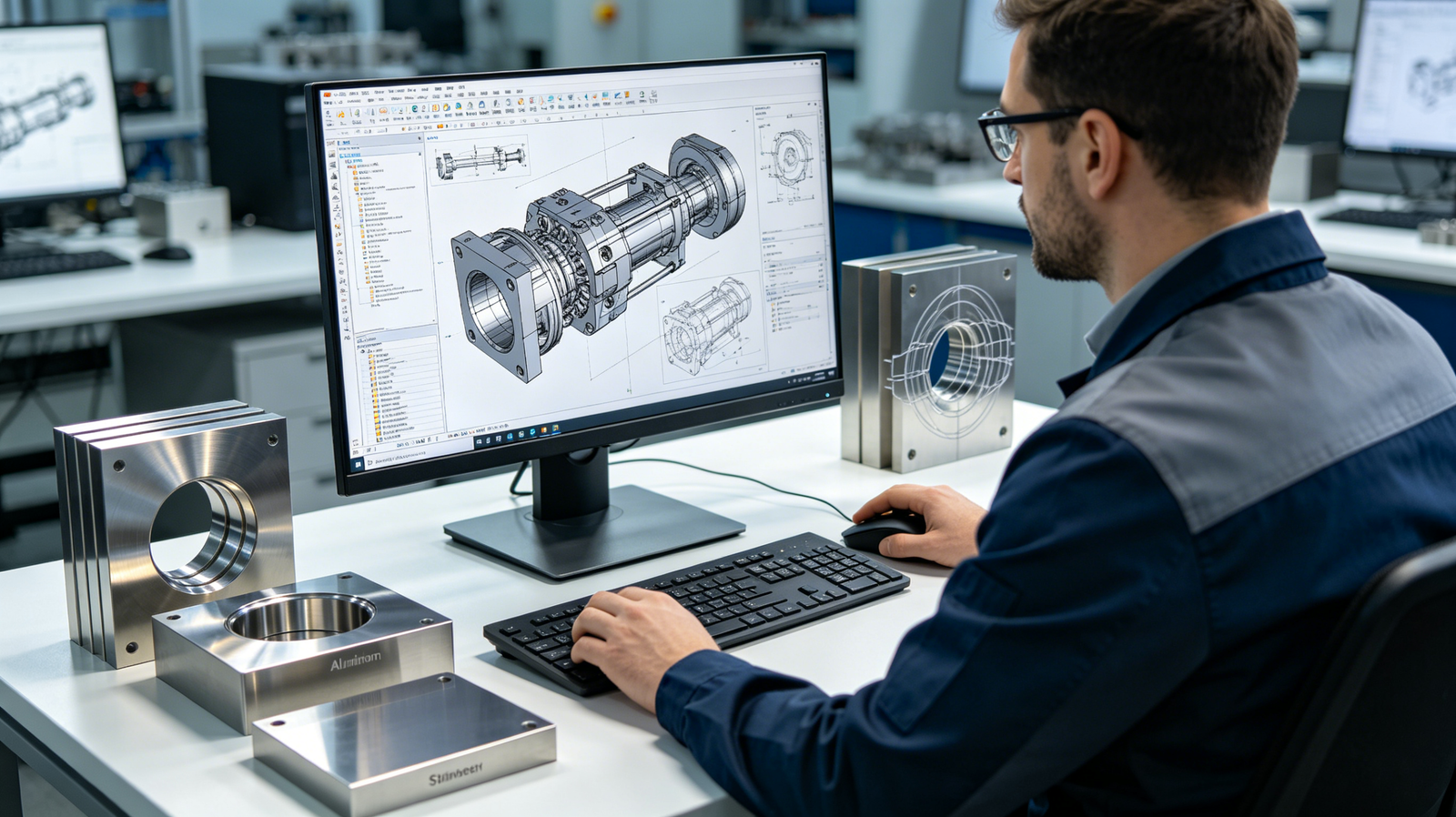
In precision CNC machining, deburring is not just a cosmetic step—it directly affects assembly accuracy and product reliability. Especially in automotive connectors and industrial components, even tiny burrs can cause jamming or functional failure. Deburring quality has become one of the key benchmarks for evaluating CNC machining capability.
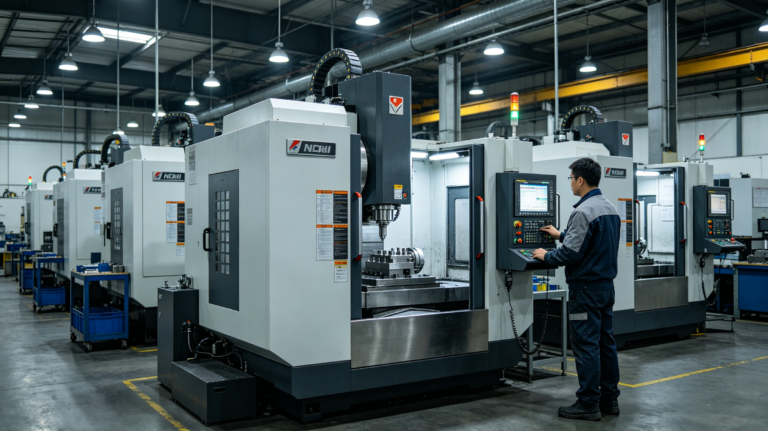
From an engineering delivery perspective, customers increasingly focus on batch consistency rather than single-part qualification. In CNC machining and post-processing, Xiamen Ruicheng improves edge consistency and assembly stability through multi-process integration. Systematic deburring capability directly determines whether a product is suitable for scalable production.
What Are the Mechanical CNC Deburring Methods?
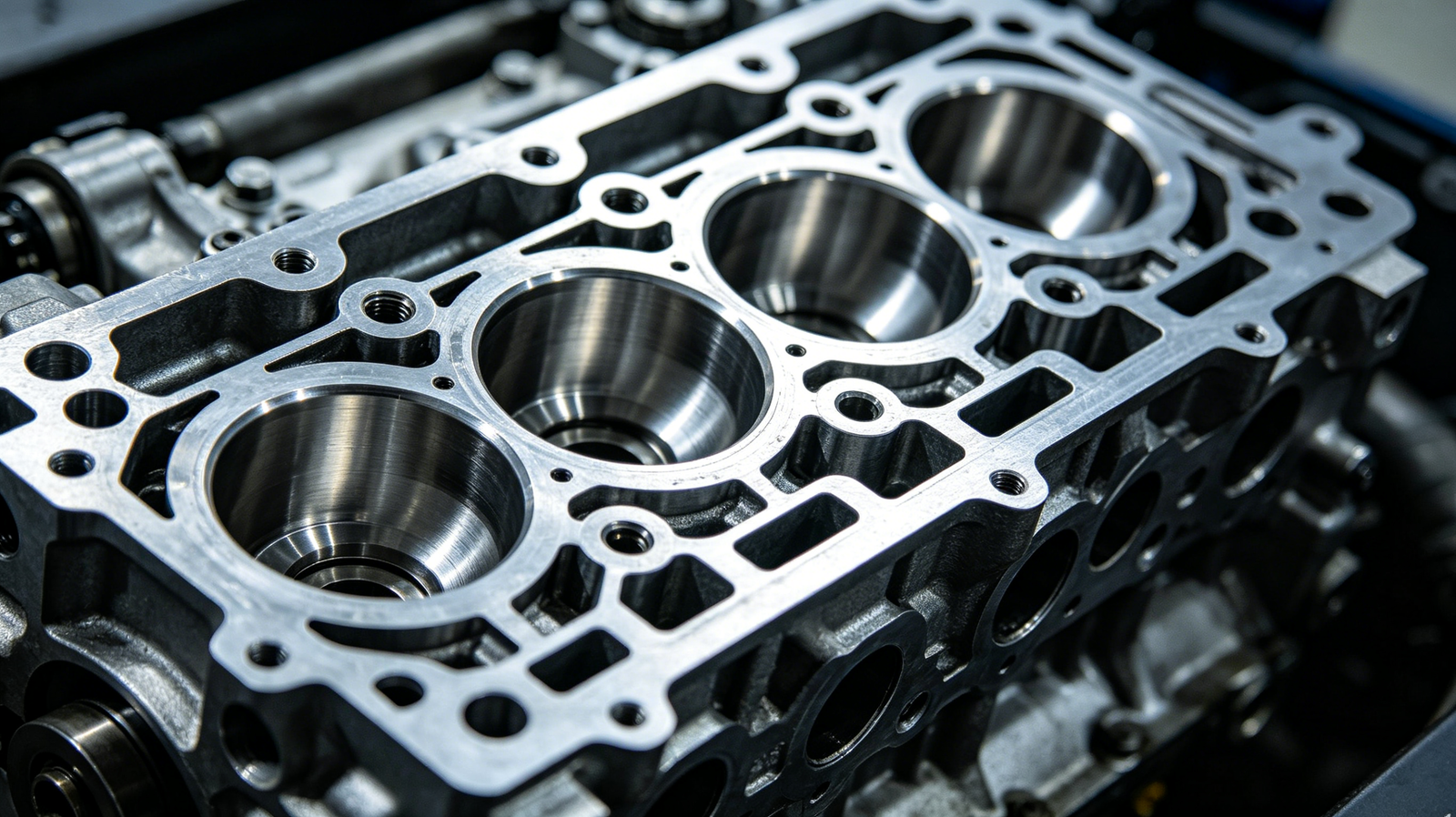
In CNC machining systems, mechanical deburring is the most widely used category, typically achieved through brushing, scraping, or vibration-based processes. Combined with precision CNC machining, mechanical methods are suitable for most metals and some engineering plastics. Its core advantage is controllable cost and suitability for medium-to-high volume production.
Brush Deburring: Uses high-speed rotating brushes to remove edge burrs, suitable for flat and simple curved surfaces.
Vibratory Deburring: Uses abrasive media in a vibrating environment for uniform finishing, suitable for small batch parts.
Scraping Deburring: Uses tools for manual or semi-automatic edge refinement, suitable for high-precision areas.
Tumbling Deburring: Uses barrel rotation and friction to achieve general edge rounding, suitable for simple geometries.
📌 Mechanical deburring is the first choice for balancing cost and quality.
Which Parts Are Suitable for Chemical Deburring in CNC?
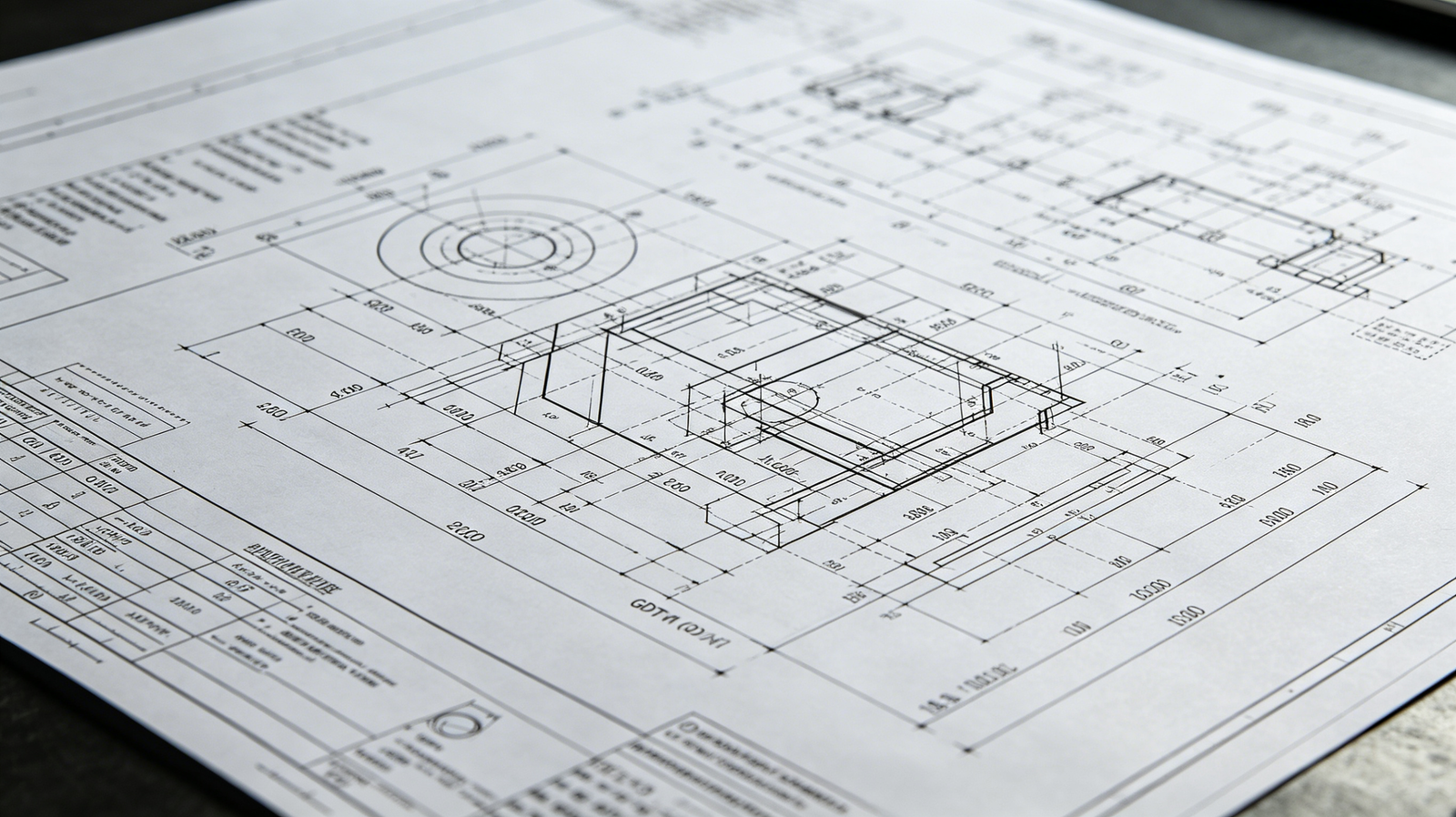
Chemical deburring uses chemical solutions to selectively remove micro-burrs on metal surfaces, making it suitable for complex internal geometries or micro-hole components. Combined with surface treatment processes systems, this method is commonly used in aerospace and precision hydraulic systems. Its key advantage is the ability to process internal burrs that cannot be reached mechanically.
Selective Corrosion Control: Removes micro-burrs without affecting the base material.
Complex Internal Cavities: Suitable for cross-holes, deep holes, and hard-to-reach structures.
Improved Uniformity: Ensures consistent internal edge quality.
High Batch Consistency: Suitable for standardized mass production of precision parts.
📌 Chemical deburring is ideal for highly complex internal structures.
How Does Thermal Energy Deburring Work?
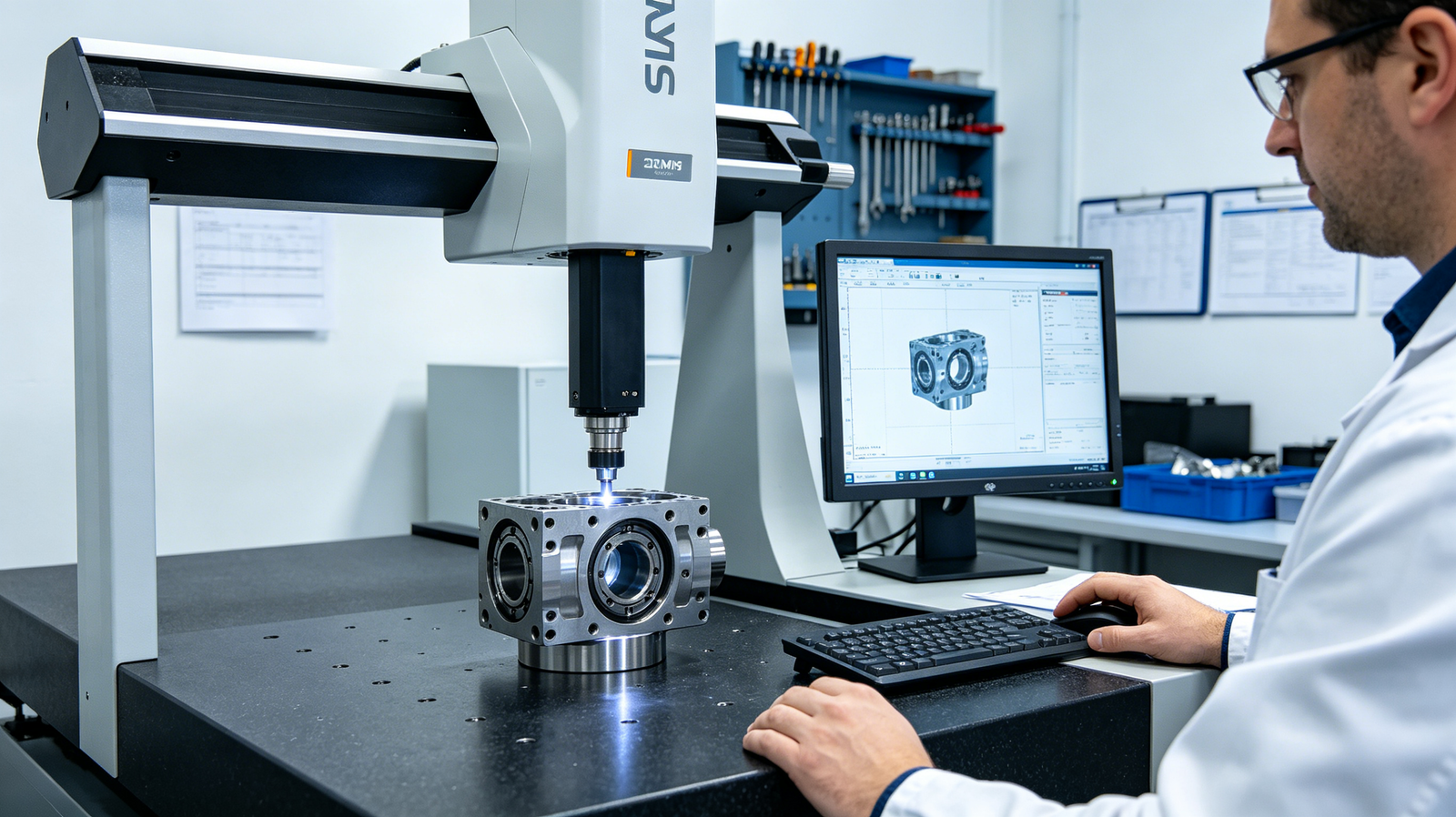
Thermal energy deburring (TEM) uses combustible gas ignition to generate instantaneous high temperature, oxidizing and burning off burrs in a very short time. This method is commonly used for high-precision metal parts in batch processing. Its main advantages are speed and high consistency.
Instant Oxidation Reaction: Removes micro-burrs through high-temperature exposure.
Complex Geometry Coverage: Effective for internal holes and intersecting holes.
Strong Batch Consistency: Suitable for automated mass production environments.
No Mechanical Stress: Does not alter the dimensional integrity of the part.
📌 Thermal deburring is ideal for high-consistency industrial applications.
CNC Deburring Process Comparison Table
| Process Type | Suitable Structure | Precision Control | Cost Level | Batch Suitability |
|---|---|---|---|---|
| Mechanical Deburring | External edges | Medium | Low | High |
| Chemical Deburring | Internal complex structures | High | Medium | Medium |
| Thermal Deburring | Micro burrs | High | Medium-High | High |
| Electrochemical Deburring | Precision metal parts | Very High | High | High |
In Xiamen Ruicheng’s CNC machining system, different deburring solutions are combined based on part complexity and application scenarios to ensure batch stability and assembly consistency. If you are evaluating CNC machining solutions, you can get engineering support via contact us.
How Does CNC Deburring Affect Assembly Quality?
Deburring affects not only appearance but also assembly smoothness and functional reliability. In automotive connectors and industrial equipment, even tiny burrs can cause latch failure or sealing issues. Stable deburring processes are critical for ensuring high assembly success rates in mass production.
Dimensional Interference Control: Prevents increased assembly resistance due to burrs.
Improved Functional Reliability: Reduces contact failure or mechanical jamming.
Enhanced Surface Quality: Improves downstream coating or plating performance.
Batch Consistency Assurance: Reduces variation between production batches.
📌 Deburring quality directly determines engineering-grade reliability.
How to Choose a Suitable CNC Deburring Supplier?
When selecting a supplier, it is not enough to evaluate equipment capability—you must also consider process integration capability and quality control systems. Xiamen Ruicheng provides stable deburring solutions through multi-process integration and full-process inspection systems. A capable supplier can design the optimal deburring strategy based on part geometry.
1.Process Coverage Capability: Availability of mechanical, chemical, and thermal methods.
2.Inspection System Completeness: CMM and microscopic inspection capability.
3.Batch Stability Control: Process data recording and traceability systems.
4.Engineering Support Capability: Ability to provide DFM-stage optimization suggestions.
FAQ: CNC Deburring Processes
Q1: What are the main types of CNC deburring?
A: Mechanical, chemical, thermal, and electrochemical deburring. Each method is suitable for different geometries and materials.
Q2: Which deburring method is suitable for high-precision parts?
A: Electrochemical and chemical deburring are better for high-precision complex parts because they remove burrs without altering dimensions.
Q3: Does deburring affect part dimensions?
A: Proper processes do not significantly affect dimensions, but mechanical methods may cause slight edge changes under aggressive processing.
Q4: How to ensure batch consistency in deburring?
A: Through standardized process parameters, automated equipment, and process quality control systems.
Q5: How does Xiamen Ruicheng control deburring quality?
A: Through multi-process integration, CMM inspection, and process data management to ensure stable and reliable edge quality.
Conclusion
The selection of CNC deburring processes directly impacts part assembly performance and long-term reliability. Different processes are suited to different structures and precision requirements. Systematic process selection and process control are the foundation of high-quality mass production.
For expert assistance in implementing CNC deburring solutions for your production needs, visit our resource center or contact us. Let’s help you scale up your manufacturing with precision and efficiency!