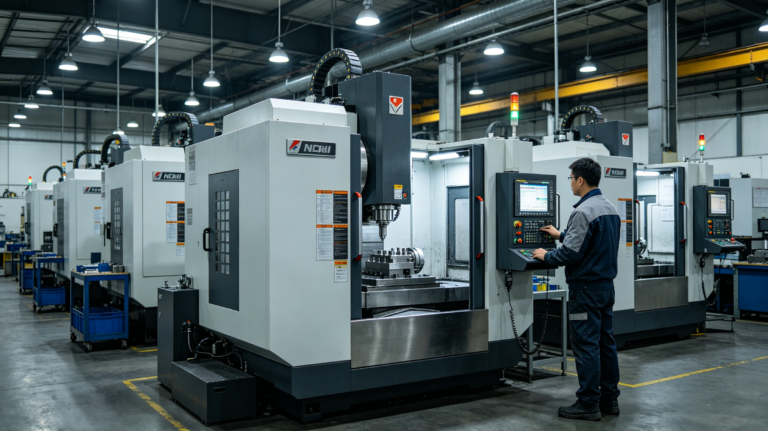
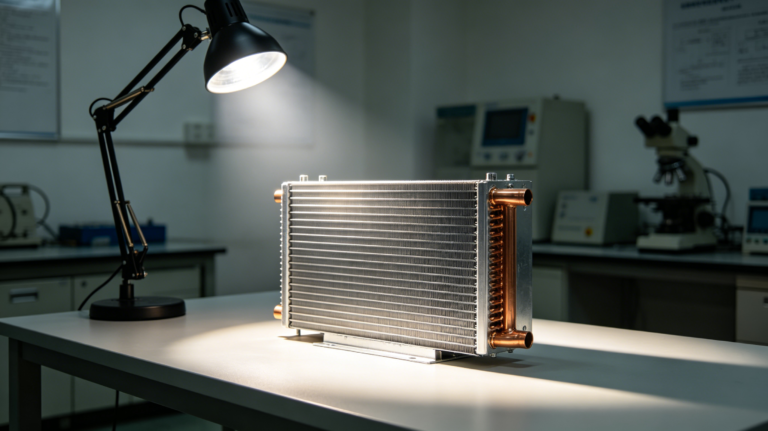
Hidden Causes of EMC Failure
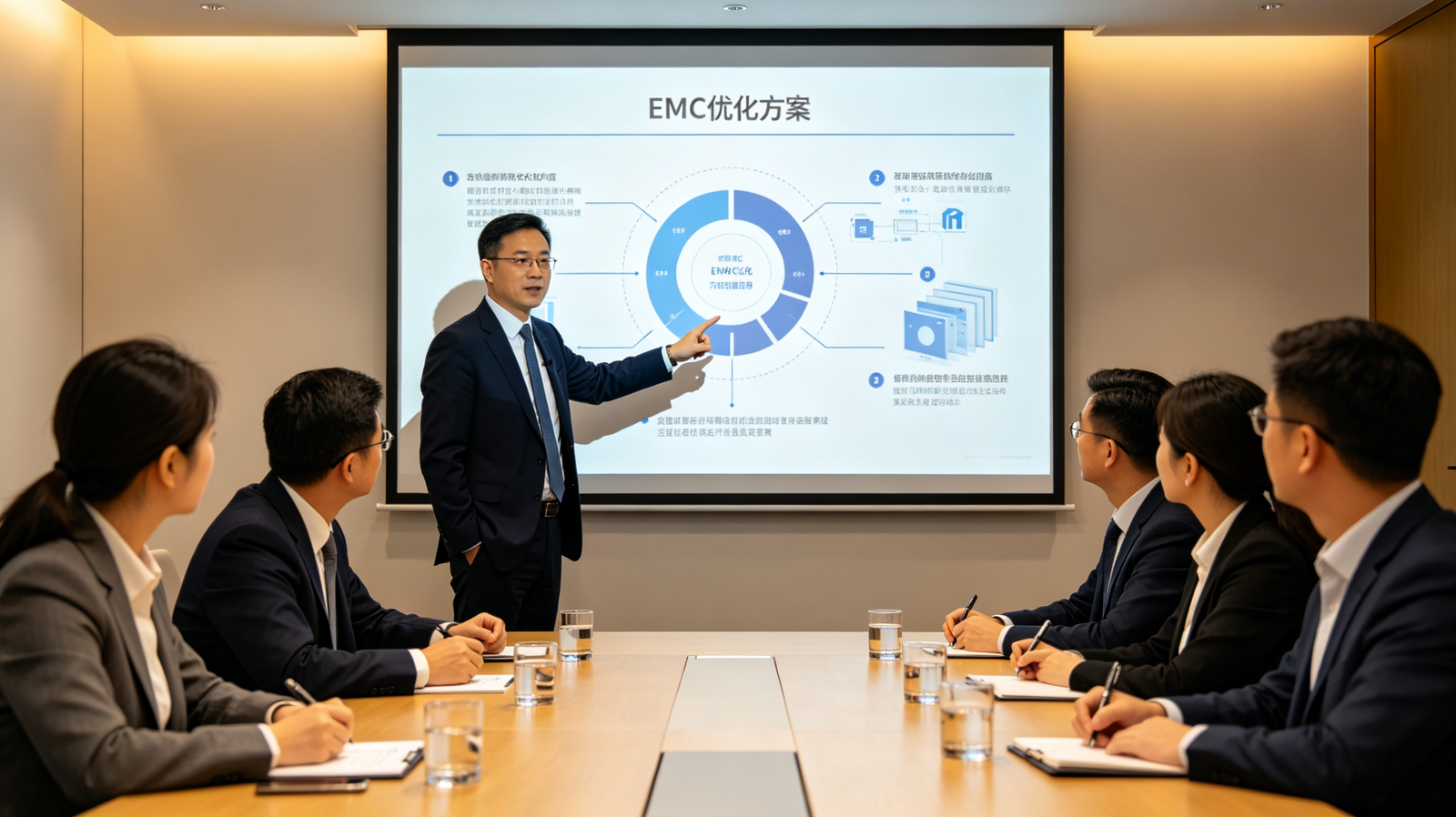
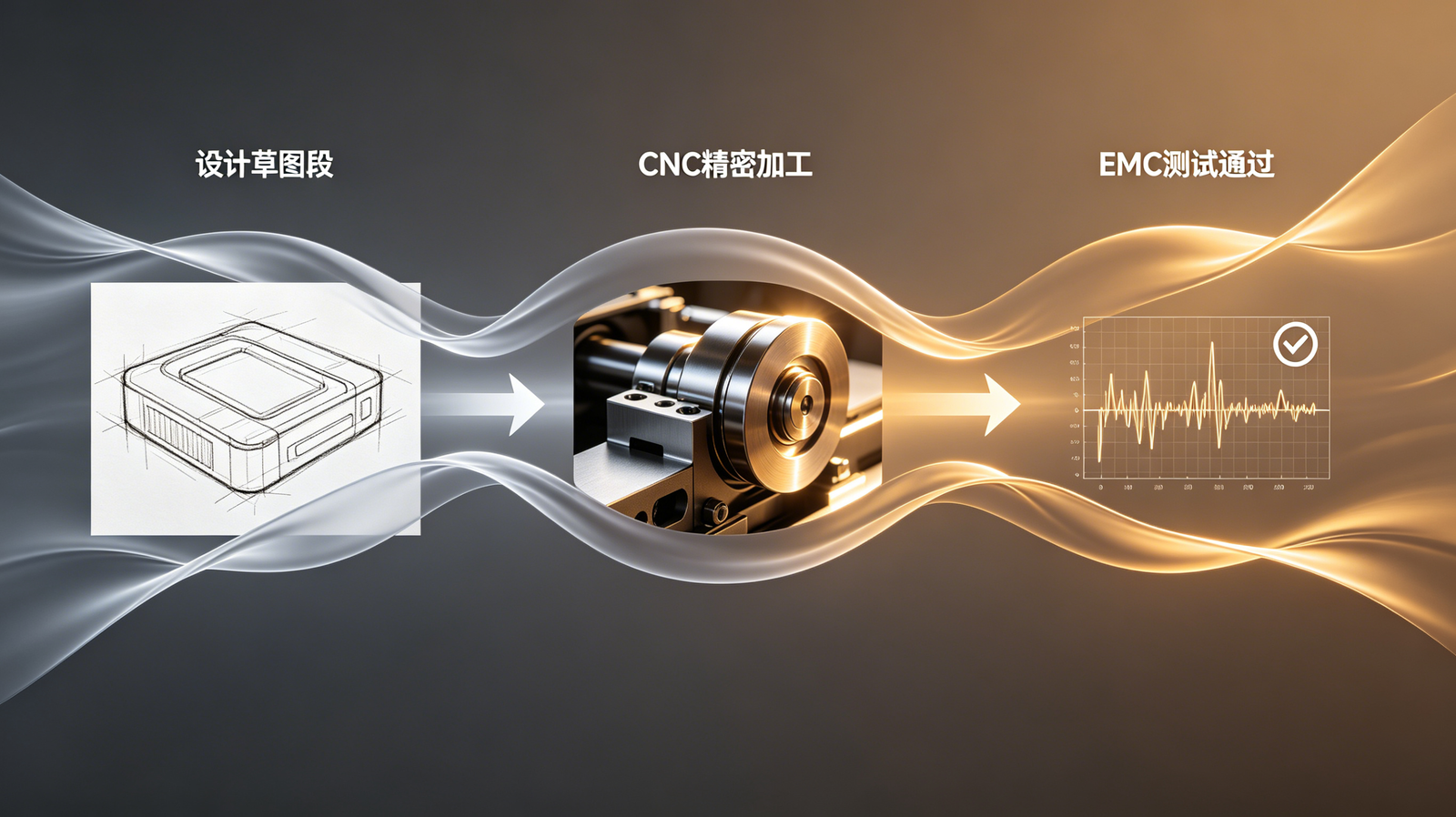
In industrial equipment, medical electronics, new energy control systems, and automation devices, more companies are discovering that EMC test failures are often caused by manufacturing issues rather than circuit design flaws. Metal enclosures, shielding covers, mounting surfaces, and grounding structures all play a critical role in electromagnetic compatibility performance.Many EMC correction projects eventually trace back to CNC machining tolerances and surface finish quality rather than electronic components themselves.
Based on Xiamen Ruicheng’s experience serving industrial customers, more than 70% of metal enclosure EMC improvement cases involve assembly gaps, contact surface roughness, and conductive continuity issues. Controlling these factors during CNC machining is often far more cost-effective than redesigning products after EMC failure.For EMC-critical products, mechanical design and CNC manufacturing capability must be integrated from the beginning of product development.
Why Do CNC Tolerances Affect EMC Test Results?
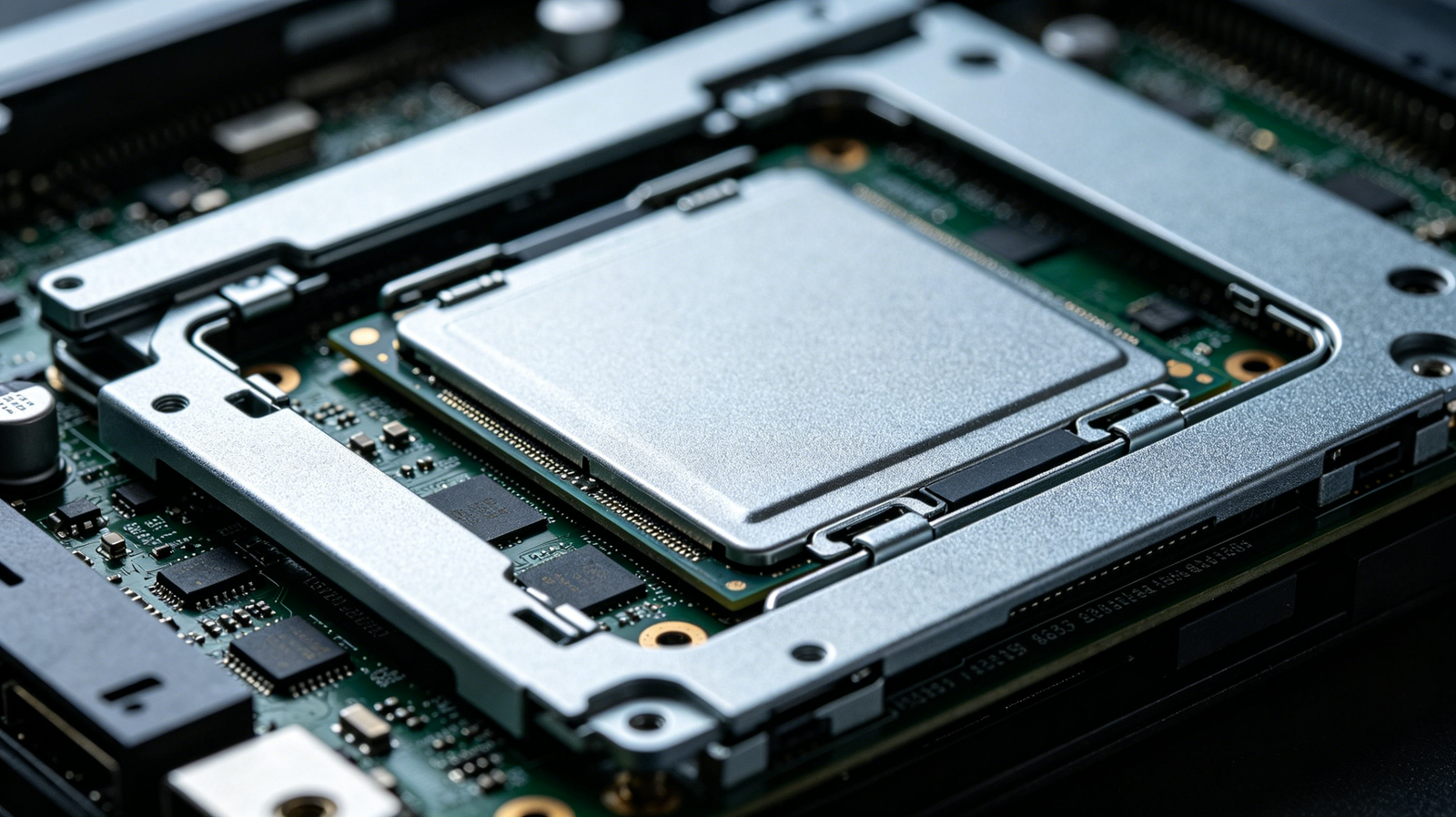
During EMC testing, metal enclosures act as electromagnetic shields. Excessive CNC machining tolerances can create larger assembly gaps, interrupt conductive paths, and increase grounding impedance, resulting in electromagnetic leakage channels. Through numerous EMC testing projects, Xiamen Ruicheng has found that poor dimensional control often prevents effective shielding performance, even when high-quality materials are used. Therefore, strict tolerance management during precision CNC machining is essential. Uncontrolled tolerances often lead directly to shielding continuity failure.
Gap Leakage: Even small assembly gaps can become leakage paths for high-frequency electromagnetic waves.
Grounding Instability: Poor contact surfaces can increase grounding resistance.
Assembly Misalignment: Dimensional variations can compromise shielding integrity.
Inconsistent Results: Batch-to-batch tolerance changes may cause unstable EMC test outcomes.
⚡ Many EMC issues originate from structural tolerance problems rather than electronic design defects.
Can Surface Finish Reduce Shielding Performance?
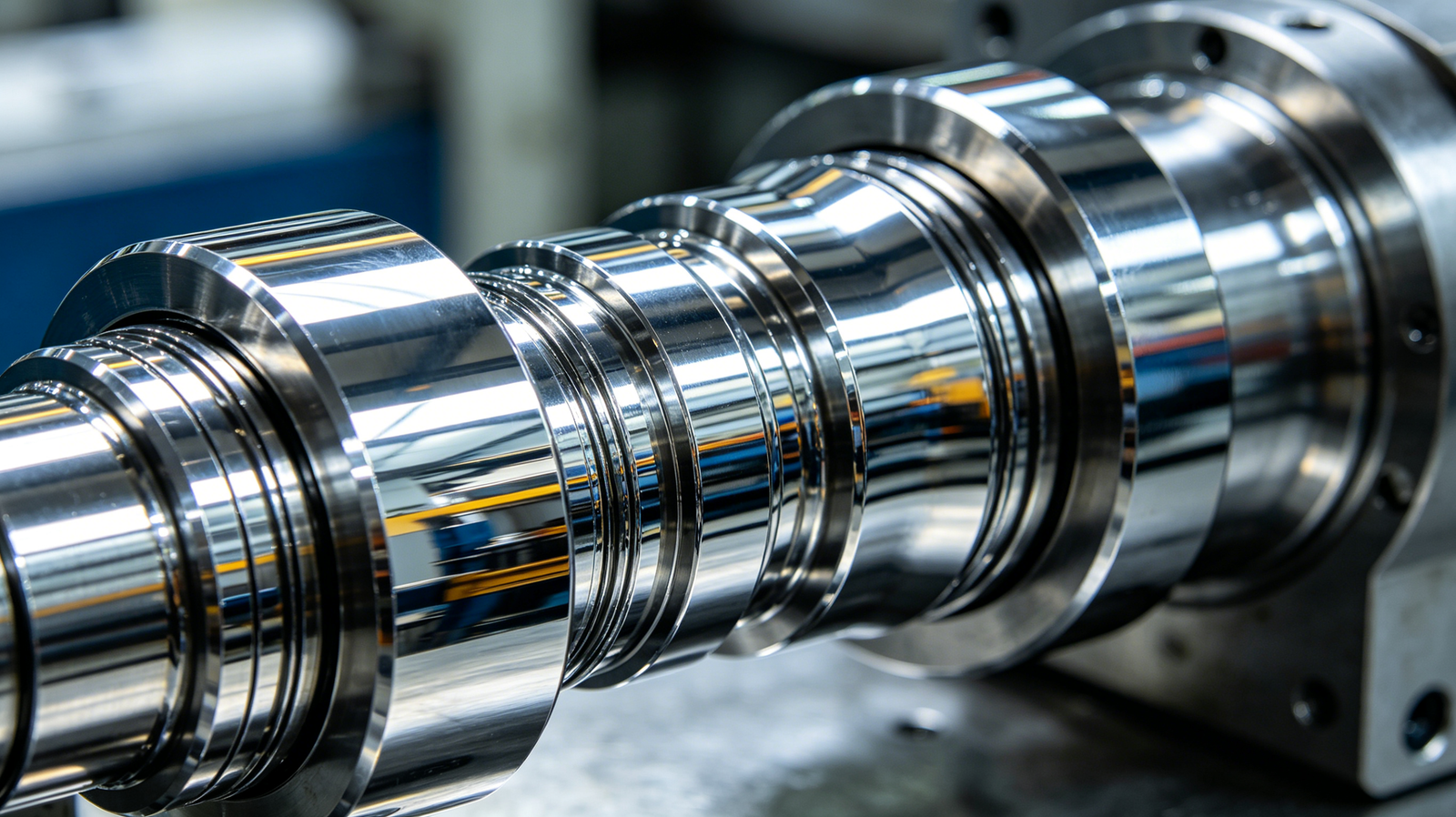
Many manufacturers focus heavily on dimensional accuracy while overlooking the impact of surface finish on EMC performance. Rough machining marks can reduce effective contact area, while excessively thick coatings may increase contact resistance and weaken shielding effectiveness. By optimizing surface roughness and electromagnetic shielding contact interfaces, Xiamen Ruicheng helps customers achieve more consistent EMC certification results. The quality of conductive contact surfaces directly determines whether a continuous current path can be maintained throughout the shielding structure.
Contact Area: Smoother surfaces provide more reliable conductive contact.
Coating Control: Improper coating thickness may negatively impact conductivity.
Conductive Continuity: Critical contact regions must maintain uninterrupted metal-to-metal contact.
Long-Term Stability: Proper surface treatment reduces oxidation and performance degradation.
🔧 Surface finish influences not only appearance but also EMC shielding effectiveness.
How Do You Choose a CNC Supplier That Supports EMC Compliance?
For industrial equipment manufacturers, selecting a CNC machining partner with EMC expertise is far more valuable than simply choosing the lowest-cost supplier. A qualified supplier can identify potential EMC risks during the design review stage and help prevent future certification failures. Through DFM analysis, critical tolerance verification, and conductive surface inspection, Xiamen Ruicheng assists customers in reducing EMC risks before production begins. Combined with expertise in DFM design and machining, we help optimize enclosure performance and manufacturability. A reliable CNC supplier contributes to EMC success long before testing begins.
Early Evaluation: Potential shielding weaknesses are identified before machining starts.
Critical Inspection: Grounding surfaces and key dimensions receive focused quality control.
Process Coordination: Manufacturing processes are aligned with EMC requirements.
Production Consistency: Mass production maintains the same EMC performance achieved during prototyping.
🚀 A qualified supplier delivers EMC confidence, not just machined parts.
Key CNC Parameters for EMC-Friendly Manufacturing
| Comparison Item | Standard Machining | Precision Machining | EMC-Optimized Machining | Xiamen Ruicheng Solution |
|---|---|---|---|---|
| Dimensional Tolerance | ±0.1 mm | ±0.05 mm | ±0.02 mm | ±0.01~0.02 mm |
| Contact Surface Control | Basic | Good | Optimized | Dedicated Control |
| Surface Roughness | Ra3.2 | Ra1.6 | Ra0.8 | Ra0.4~0.8 |
| EMC Stability | Low | Medium | High | Excellent |
If your product is currently undergoing EMC troubleshooting, the root cause may not be the electronics but the manufacturing process itself. Contact Xiamen Ruicheng today through contact us for a professional EMC-focused machining assessment.
How Xiamen Ruicheng Improves EMC Pass Rates
As EMC requirements continue to become stricter across industrial equipment, medical devices, and new energy products, CNC machining is no longer just a manufacturing process—it has become a key factor in product reliability. Xiamen Ruicheng integrates design review, tolerance planning, surface treatment optimization, and production inspection into a comprehensive quality control system that helps customers identify EMC risks early. Our focus is not simply producing parts but ensuring customers achieve EMC compliance successfully. Through close collaboration among design engineers, manufacturing specialists, and quality teams, we help reduce costly redesigns and certification delays.
1.DFM Analysis: Identify shielding-related structural risks before production.
2.Critical Tolerance Control: Apply dedicated standards to EMC-sensitive features.
3.Surface Process Optimization: Balance appearance requirements with electrical conductivity.
4.Production Consistency Assurance: Maintain stable EMC performance throughout mass production.
Frequently Asked Questions (FAQ)
What Are the Core Advantages and Quality Standards of Your EMC-Focused CNC Machining Services?****
Xiamen Ruicheng prioritizes tolerance control, conductive contact quality, and assembly precision for EMC-sensitive applications. Standard projects achieve ±0.02 mm tolerances, while demanding applications can reach ±0.01 mm. These capabilities are supported by CMM inspection and dedicated quality verification procedures.
What Information Should We Provide to Receive a Fast Quote?
We recommend submitting STEP, IGES, or PDF drawings along with application details and EMC requirements. After receiving the documentation, Xiamen Ruicheng can perform a DFM review and typically provide preliminary manufacturing feedback and pricing within 12 hours.
What Are the MOQ, Lead Time, and Payment Options?
Prototype projects support low-volume production with lead times typically ranging from 3–7 days. Medium-volume orders generally require 7–15 days, while large production runs are scheduled based on capacity planning. Flexible payment arrangements are available depending on project scope and cooperation stage.
What Happens If Quality Issues or Delivery Delays Occur?
Xiamen Ruicheng maintains a complete traceability system throughout production. In the event of dimensional deviations, surface quality concerns, or delivery delays, our team initiates immediate root-cause analysis and provides corrective actions, replacement solutions, or compensation measures according to the agreed terms.
Can You Provide Customized EMC-Oriented CNC Manufacturing Solutions?
Yes. We support customized solutions for medical equipment, industrial controllers, communication systems, and new energy applications. Customers simply provide drawings, operating conditions, and EMC objectives, and we can deliver feasibility recommendations and manufacturing plans within three working days.
Conclusion
EMC test failures do not always indicate problems with electronic design. In many cases, CNC machining tolerances and surface finish quality are the real causes behind certification issues. Dimensional precision, conductive contact integrity, and grounding continuity all contribute directly to shielding effectiveness. Integrating EMC requirements into CNC machining processes from the beginning significantly reduces redesign costs and improves project success rates. By combining advanced machining expertise with EMC-focused engineering support, Xiamen Ruicheng helps customers build more reliable products and achieve smoother certification outcomes.
For expert assistance in implementing CNC machining solutions for your production needs, visit our resource center or contact us. Let’s help you scale up your manufacturing with precision and efficiency!