Aluminum Steel Titanium Copper
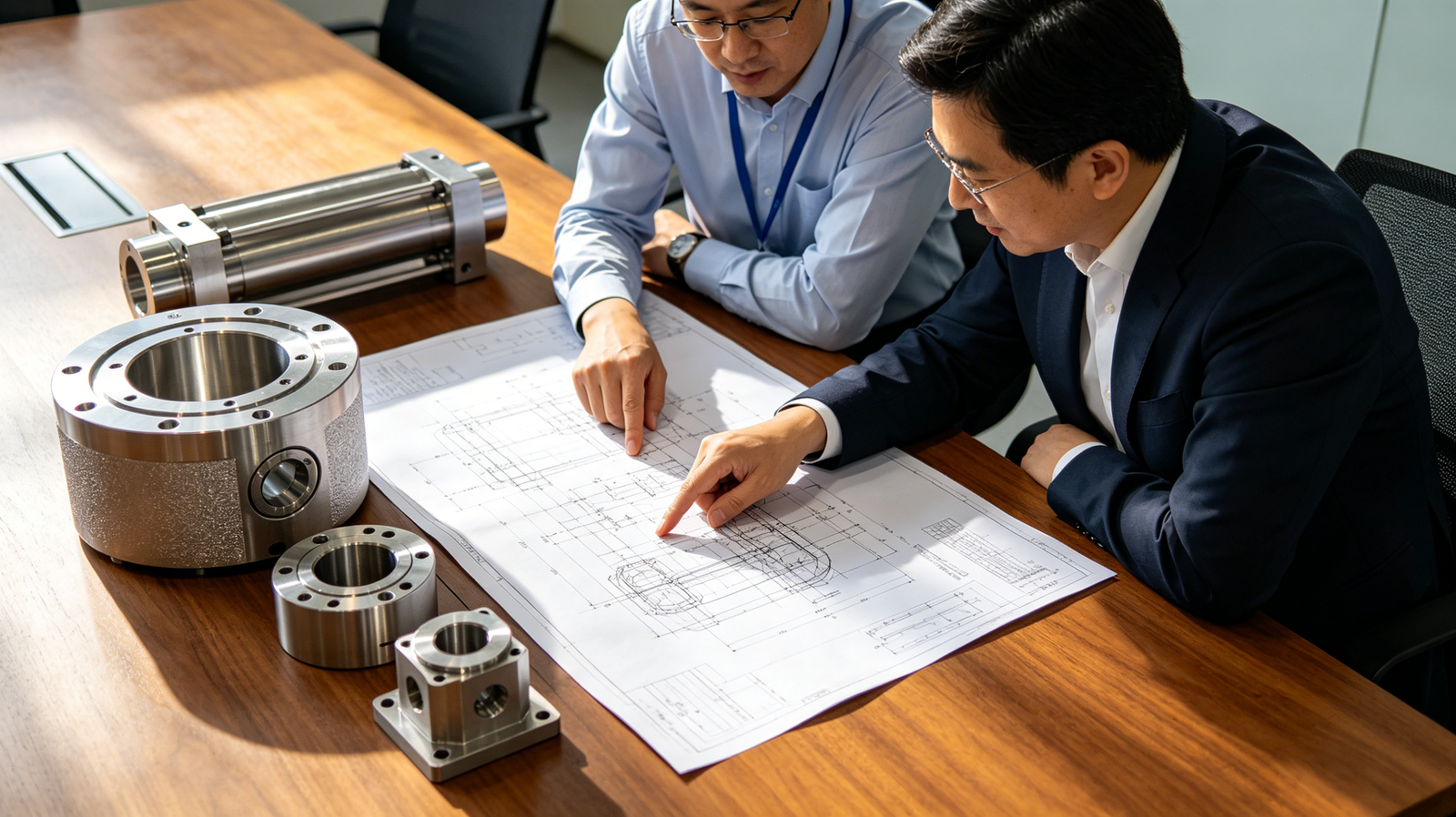
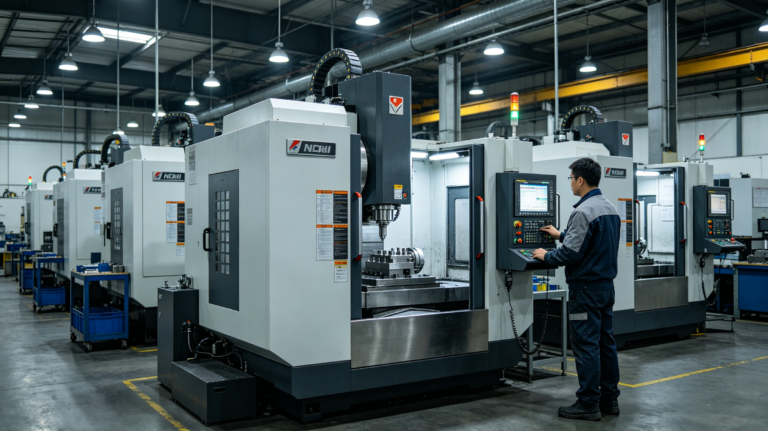
In the precision manufacturing industry, different metal materials directly affect machining efficiency, dimensional stability, and assembly reliability of CNC milled parts. Based on long-term experience serving automotive, medical, electronics, and automation industries, Xiamen Ruicheng has found that many production issues are not caused by drawings themselves, but by mismatches between material selection and machining processes. The compatibility between material properties and machining strategies often determines the final yield rate and delivery stability of CNC milled parts.
High-strength steel, lightweight aluminum, corrosion-resistant titanium alloy, and conductive copper all show major differences in cutting heat generation, tool wear, surface finishing, and tolerance control. Xiamen Ruicheng develops customized machining solutions according to actual application conditions, production volumes, structural complexity, and cost targets to reduce rework risks and product failures from the beginning. Reliable CNC milled part manufacturing is not simply about producing components, but about helping customers control manufacturing risks throughout the project lifecycle.
Why Do Different Metals Affect CNC Milled Part Precision?
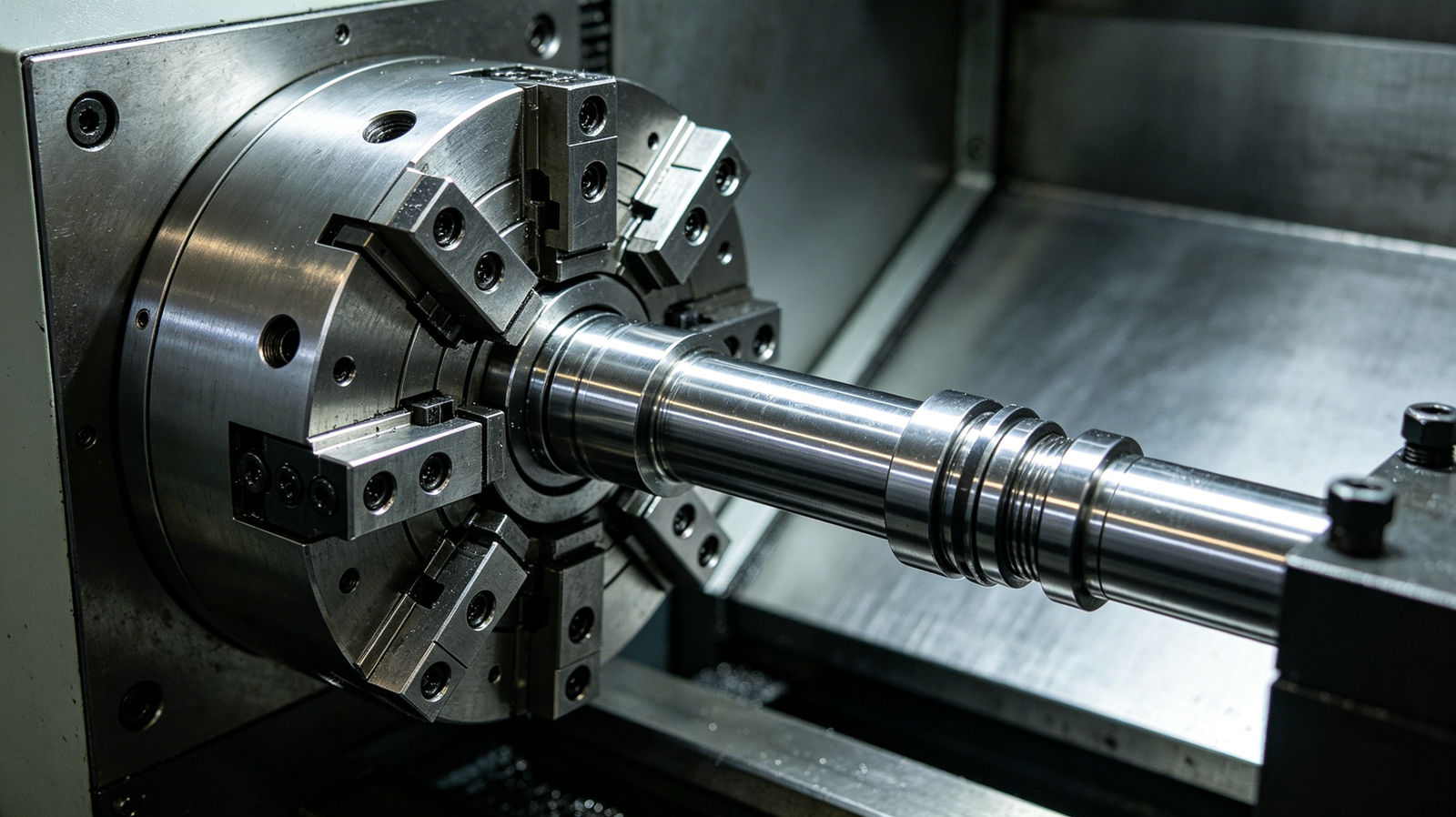
Different metal materials vary greatly in hardness, ductility, thermal expansion, and heat conductivity, which directly impacts the cutting condition during CNC machining. Aluminum alloys are easy to machine but may deform slightly during high-speed cutting, while stainless steel tends to cause work hardening that accelerates tool wear. Titanium alloy materials often generate built-up edges under high temperatures, affecting surface finish and dimensional consistency. Xiamen Ruicheng optimizes tool paths, cutting parameters, and fixture structures according to material characteristics to maintain stable tolerances during mass production of high-precision CNC milled parts. For industries such as medical equipment, automotive structures, and automation modules, material machining differences often determine whether final assembly can proceed smoothly.
Aluminum Efficiency: Aluminum alloys support high-speed machining and fast delivery for lightweight components.
Steel Stability: High-strength steel offers superior structural stability for long-term load-bearing applications.
Titanium Difficulty: Titanium alloys require stronger machine rigidity and advanced tool management because of poor heat dissipation.
Copper Control: Copper materials are prone to burr formation and require more precise spindle speed and tool optimization.
⚙️ Different machining characteristics of metals directly define the quality limits of CNC milled parts.
How Should You Select the Right Metal Material for Different Applications?
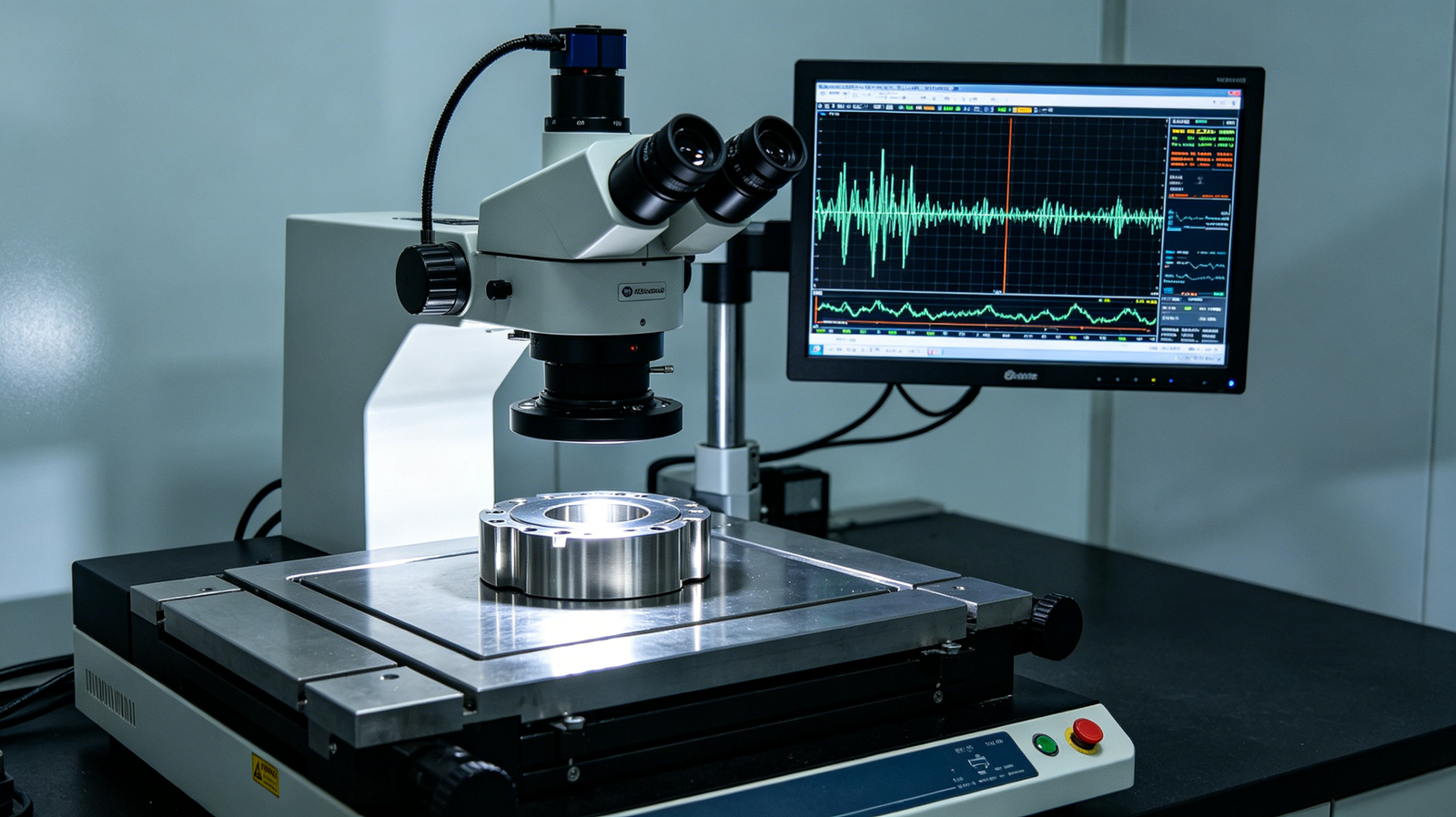
Material selection for high-precision CNC milled parts should consider product functionality, operating environment, weight requirements, and surface treatment compatibility at the same time. During project evaluation, Xiamen Ruicheng compares the performance differences among Stainless steel, Aluminum alloy, copper alloy, and titanium alloy materials to help customers avoid making decisions based solely on cost. Many product failures are not caused by insufficient machining precision, but by selecting materials that cannot withstand real working conditions. For example, new energy vehicle structural components focus more on lightweight performance and fatigue resistance, while medical devices prioritize corrosion resistance and long-term stability. Material selection therefore must rely on actual application requirements and validation data.
Automotive Industry: Automotive structures usually prioritize lightweight aluminum and low-deformation steel materials.
Medical Equipment: Medical industries place greater emphasis on corrosion-resistant titanium and stainless steel materials.
Electronic Devices: Electronics manufacturers often prefer copper alloys for conductivity and heat dissipation performance.
Automation Systems: Automation modules require excellent dimensional stability during long-term operation.
🔍 The right material choice should balance performance, cost, and long-term reliability together.
How Can High-Precision CNC Milled Parts Reduce Mass Production Risks?
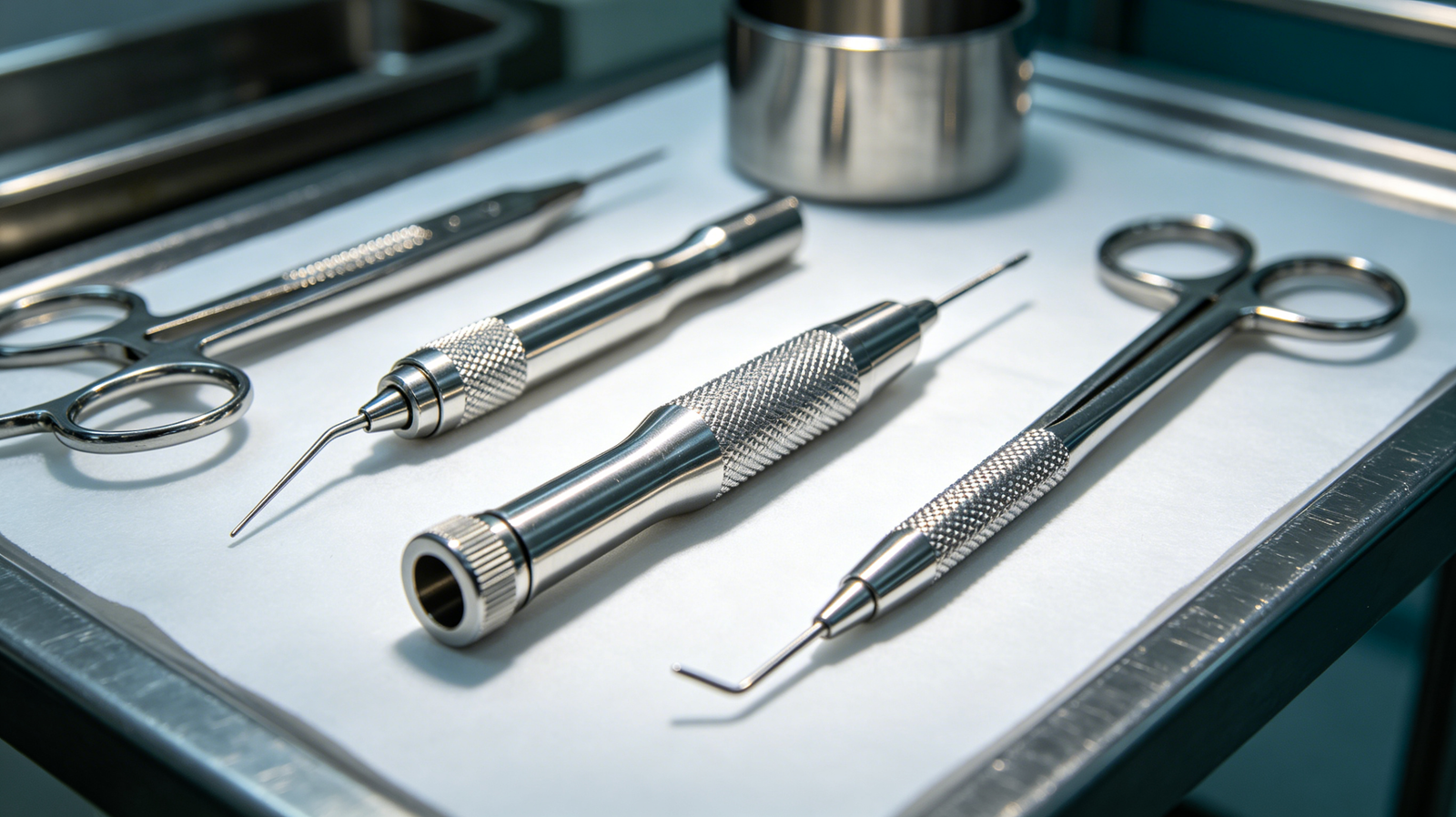
During mass production of CNC milled parts, material differences can amplify dimensional deviation, tool wear, and thermal deformation problems, making process stability far more important than prototype success. Xiamen Ruicheng helps customers maintain consistent quality across different metals through optimized Tool path strategies, in-process inspection, and controlled Surface finishing procedures. The true challenge of high-precision CNC milled parts lies not in producing one qualified sample, but in achieving long-term stable production consistency. In industries such as automotive electronics, industrial automation, and aerospace components, there is often a large process gap between prototype development and mass production, making early-stage risk validation essential.
Fixture Optimization: Stable clamping systems help reduce vibration and dimensional deviation during machining.
Tool Management: Different metals require dedicated tooling materials and strict tool life monitoring.
Online Inspection: In-process inspection helps identify dimensional drift before defects expand.
Process Validation: Production validation before mass manufacturing minimizes thermal deformation and consistency risks.
🛠️ Stable mass-production capability is far more valuable than simply pursuing faster machining speeds.
Comparison of Common CNC Machining Metals
| Material Type | Machining Difficulty | Tool Wear | Surface Quality | Main Applications |
|---|---|---|---|---|
| Aluminum Alloy | Low | Low | Excellent Finish | Lightweight Automotive Parts |
| Stainless Steel | Medium | Medium-High | Durable Surface | Medical Equipment |
| Titanium Alloy | High | High | Superior Strength | Aerospace Components |
| Copper Alloy | Medium | Medium | Excellent Conductivity | Electrical Systems |
If you are evaluating suitable metal materials for CNC milled parts, Xiamen Ruicheng can provide more practical manufacturing recommendations based on your drawings, application conditions, and budget goals. Feel free to contact us
How Xiamen Ruicheng Helps Customers Match Materials With Processes
Xiamen Ruicheng does not simply provide basic CNC milling services. Instead, we focus on helping customers reduce risks during product development and mass production stages. For different metal materials, we analyze machining hardness, thermal deformation tendencies, tool lifespan, and post-processing compatibility in advance to minimize uncertainties before production begins. For high-precision CNC milled parts, the real cost driver is not the unit price itself, but the losses caused by rework, unstable delivery schedules, and assembly failures. That is why we establish more reliable machining validation systems according to customer industries and application requirements, helping customers achieve better balance among performance, cost, and production stability.
1.Process Evaluation: Xiamen Ruicheng plans machining paths and fixture structures according to material characteristics.
2.Risk Validation: Production risks such as thermal deformation, burr formation, and dimensional drift are verified before mass production.
3.Quality Control: In-process inspection and process management improve batch consistency.
4.Long-Term Cooperation: Continuous optimization helps customers improve machining efficiency and production reliability over time.
Frequently Asked Questions About CNC Milled Parts
What Are the Core Advantages and Quality Standards of Your CNC Milled Parts?
Xiamen Ruicheng can maintain critical dimensional tolerances within ±0.005mm for high-precision CNC milled parts. We establish dedicated machining parameters and inspection procedures for different metal materials. Coordinate measuring machines, surface roughness inspection, and batch sampling processes are applied throughout production to ensure stable quality for automotive, medical, and automation industries.
What Information Should We Provide to Receive a Fast Quotation for CNC Milled Parts?
Customers typically need to provide 2D drawings, 3D models, material requirements, surface finishing specifications, and estimated order quantities. After receiving the files, Xiamen Ruicheng will conduct manufacturability analysis based on material complexity and machining difficulty. Initial quotations and machining recommendations are usually provided within 12 hours.
What Are the MOQ, Lead Time, and Payment Terms for Different Order Volumes?
Prototype projects usually support flexible low-volume production quantities. Standard lead times for CNC milled parts are typically 7–12 days, while large-volume projects will follow phased delivery schedules according to production planning. Xiamen Ruicheng also supports multiple payment methods and long-term supply cooperation for stable customers.
How Do You Handle Quality Issues or Delivery Delays?
Xiamen Ruicheng reviews issues according to technical drawings and inspection reports. If machining defects are confirmed, rework or replacement arrangements will begin within 48 hours. For long-term projects, we also establish traceability systems to improve future process stability and minimize repeated risks.
Can You Provide Customized CNC Milled Part Solutions for Special Working Conditions?
Yes. Xiamen Ruicheng supports customized solutions for high-temperature, corrosive, and high-vibration working environments. Customers only need to provide operating conditions, lifespan requirements, and assembly specifications, and we will recommend optimized materials and machining processes accordingly.
Conclusion
The manufacturing difficulty of high-precision CNC milled parts lies not only in machine accuracy, but also in understanding the machining logic and production control requirements of different metal materials. Xiamen Ruicheng helps customers establish better balance among material selection, process stability, and mass production efficiency through extensive project experience. A truly reliable CNC milled part supplier should help customers reduce long-term manufacturing risks from the source of the machining process. For companies pursuing stable quality and long-term cooperation, early-stage material and process matching can significantly reduce future rework costs and procurement pressure.
For expert assistance in implementing for your production needs, visit our resource center or contact us. Let’s help you scale up your manufacturing with precision and efficiency!