Introduction

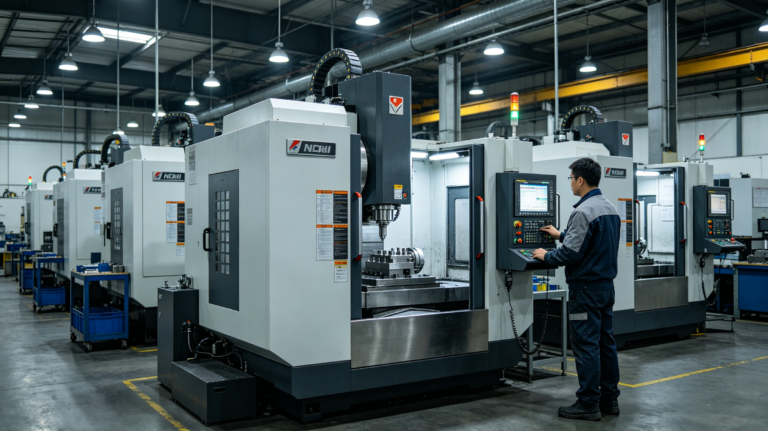
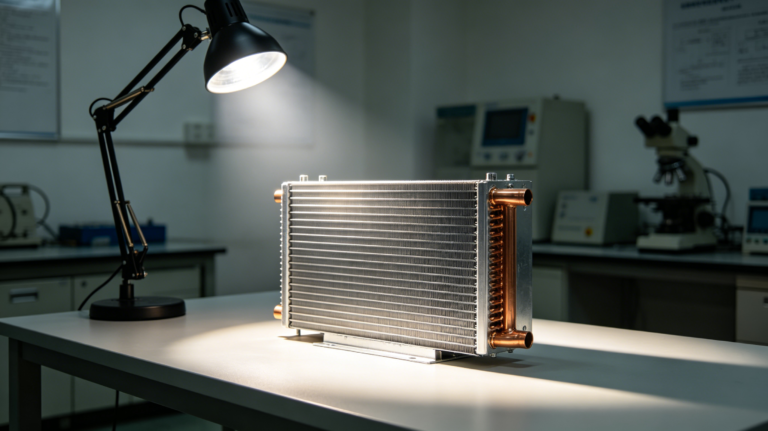
In modern automated production lines, CNC precision milling parts play a critical role in ensuring equipment stability and operational efficiency, while material selection often determines long-term performance outcomes. Different materials influence not only machining precision but also machine load, vibration behavior, and lifecycle reliability, making them a key factor in procurement decisions. Incorrect material choices rarely cause immediate failure but gradually amplify operational risks over time.
From Xiamen Ruicheng’s perspective, helping buyers understand the relationship between materials and equipment performance is essential for successful sourcing. Based on extensive project experience, the right material can significantly enhance efficiency while reducing maintenance costs and downtime. Building a correct material selection mindset early is the foundation of stable automated production.
How Do CNC Precision Milling Part Materials Affect Equipment Stability?
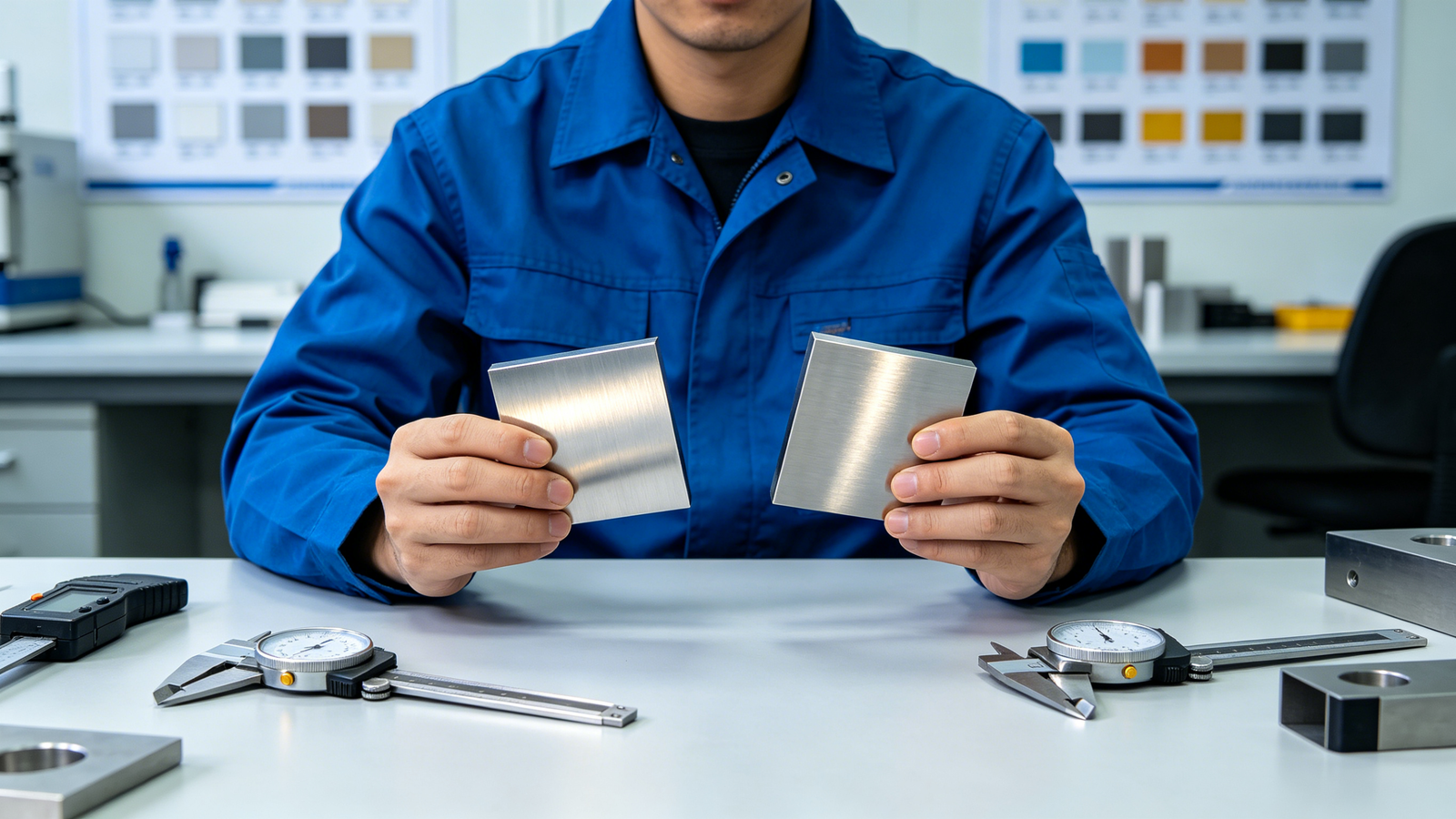
In automated production systems, the material of CNC precision milling parts directly impacts vibration control, thermal deformation, and long-term operational stability, as differences between materials like aluminum alloy and stainless steel influence rigidity and weight, which in turn alter machine dynamics and performance boundaries. Material properties fundamentally define the operational stability limits of equipment. Additionally, thermal expansion coefficients and heat conductivity significantly affect precision consistency in high-speed production lines, and Xiamen Ruicheng has successfully reduced vibration errors through optimized material selection in real-world applications.
Rigidity Matching: Material stiffness determines load-bearing capacity and vibration absorption.
Thermal Stability: Heat transfer and expansion properties influence dimensional accuracy.
Weight Optimization: Lightweight materials help reduce system load and energy consumption.
Fatigue Resistance: Material durability defines long-term operational reliability.
✨ Material selection sets the ceiling for equipment stability and performance.
How Do Different Materials Affect Machining Accuracy and Tool Life?
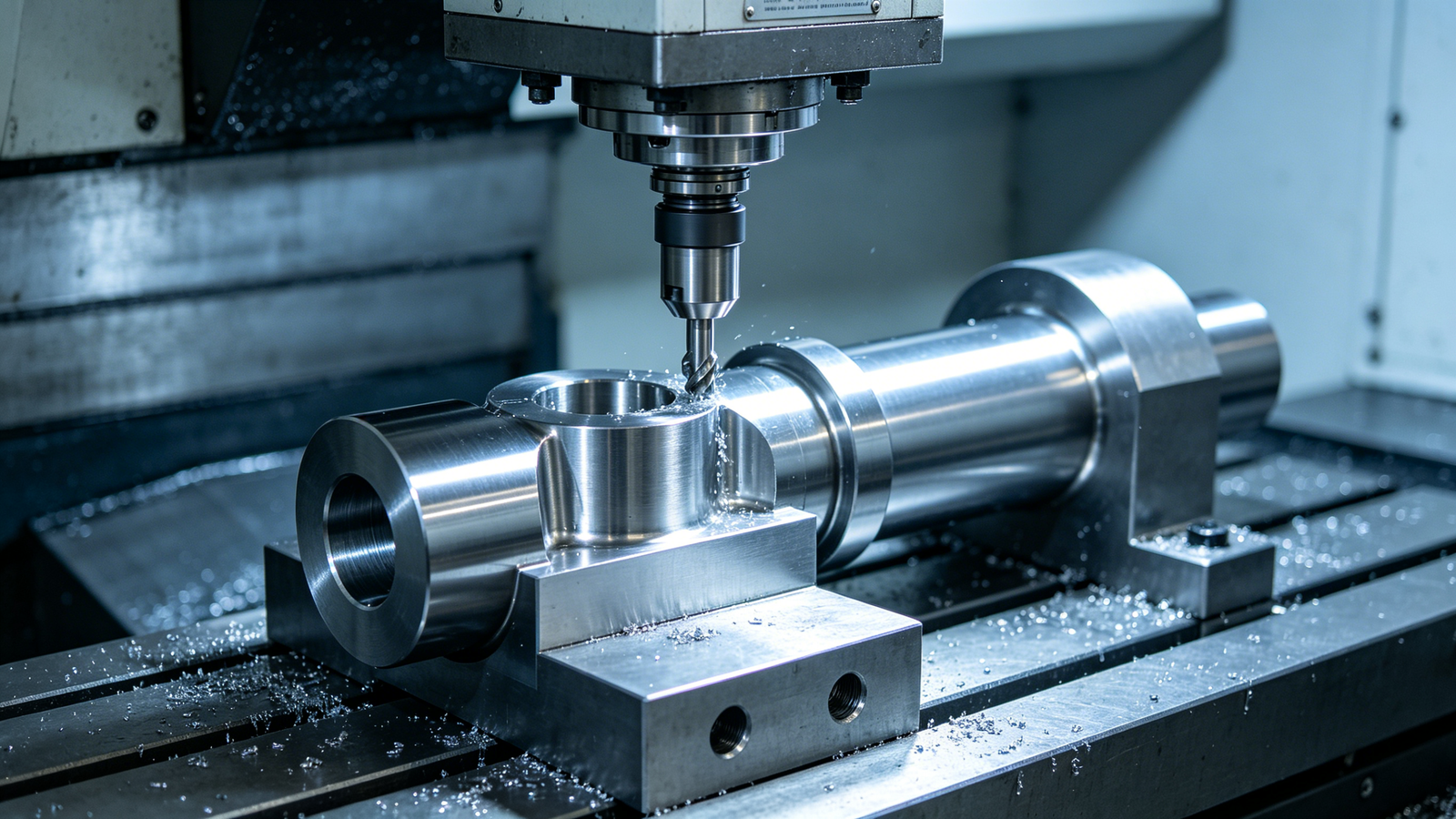
During CNC machining, material hardness and cutting characteristics directly influence machining accuracy and tool wear, for example differences between carbon steel and engineering plastics lead to variations in cutting resistance, tool wear rate, and surface finish quality, ultimately affecting production consistency and cost efficiency. Material choice not only impacts a single machining result but also multiplies cost differences in mass production. Xiamen Ruicheng helps clients optimize both material selection and machining parameters to reduce tool replacement frequency while maintaining high precision.
Cutting Difficulty: Harder materials increase machining resistance and reduce efficiency.
Tool Wear: Different materials significantly affect tool lifespan.
Surface Finish: Material properties determine final surface quality.
Production Consistency: Stable materials improve batch uniformity.
🛠️ Choosing the right material is the key to long-term cost control.
How Should Procurement Beginners Select the Right Material Based on Equipment Needs?
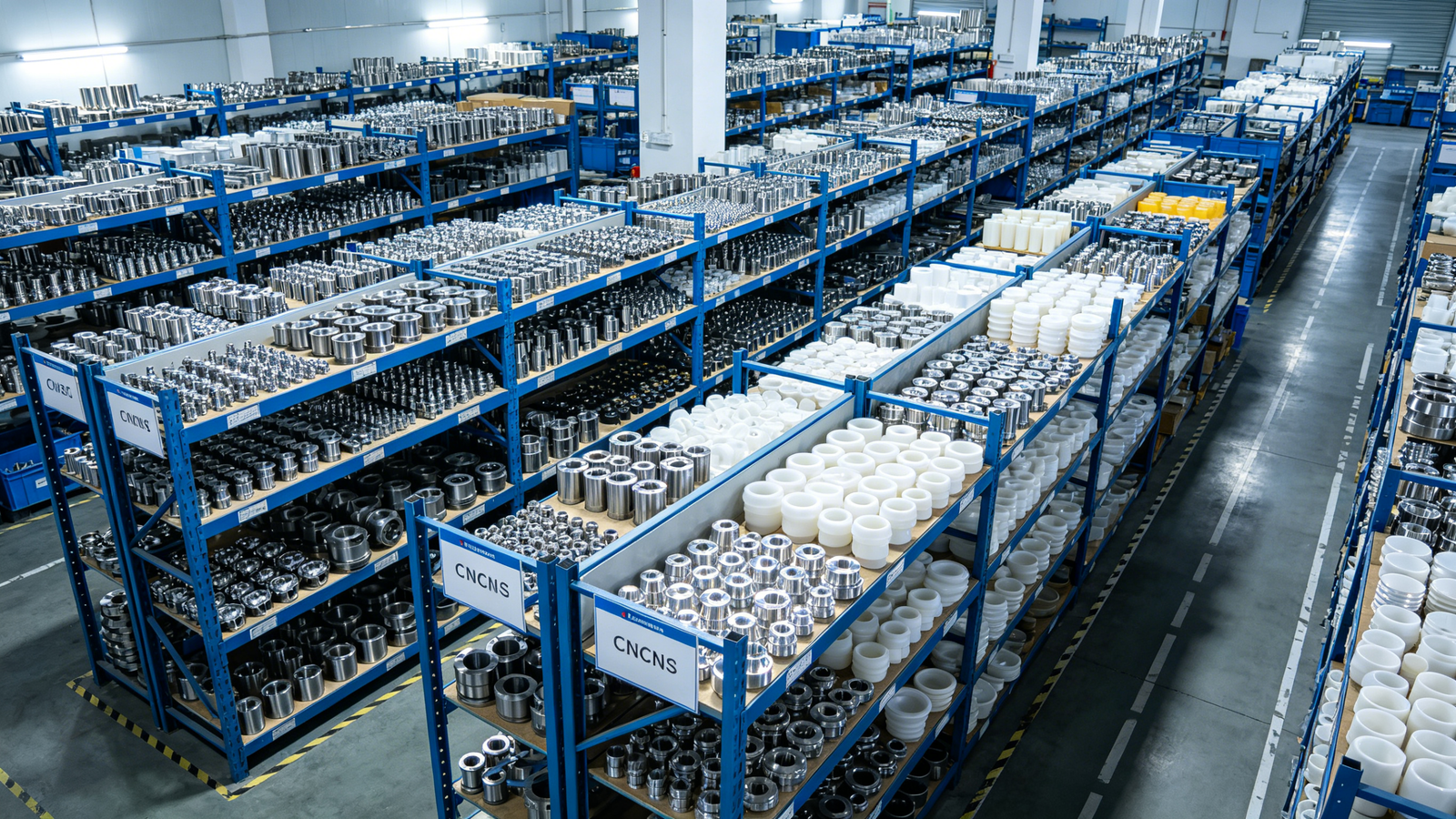
For procurement beginners, understanding the relationship between operating conditions and material performance is essential, for instance alloy steel is preferred in high-load environments while aluminum is ideal for lightweight applications, and mismatches between material and application can lead to significant performance issues. Effective material selection must be based on precise alignment between equipment requirements and material properties. Xiamen Ruicheng supports clients with structured selection processes and engineering guidance to identify optimal material solutions early in the procurement stage.
Operating Condition Analysis: Identify load, speed, and environmental requirements.
Performance Prioritization: Define whether rigidity, weight, or wear resistance is critical.
Cost Balance: Achieve a balance between performance and budget.
Supplier Capability: Ensure consistent quality and delivery through reliable partners.
📊 Material selection is a structured decision, not a guess.
Comparison of CNC Precision Milling Materials for Automation Equipment
| Material Type | Rigidity | Weight | Machining Difficulty | Cost Level | Typical Applications |
|---|---|---|---|---|---|
| Aluminum Alloy | Medium | Light | Low | Medium | High-speed automation |
| Stainless Steel | High | Heavy | High | High | High-strength systems |
| Alloy Steel | Very High | Heavy | Very High | High | Heavy-duty machinery |
| Engineering Plastics | Low | Very Light | Low | Low | Lightweight applications |
If you’re evaluating the best material solution for your production line, get expert advice now 👉 contact us
How to Build a Systematic Material Selection Strategy for CNC Parts
In automated production procurement, establishing a structured material selection strategy can significantly reduce risks and improve overall equipment performance. Xiamen Ruicheng recommends evaluating materials from three dimensions: operating conditions, performance requirements, and cost control, while also validating supplier capabilities and quality systems. This structured approach enables procurement teams to move from experience-based decisions to data-driven strategies. A systematic selection framework is the key step from “buying parts” to “controlling production performance.”
1.Condition Identification: Clearly define load, speed, and environment.
2.Performance Mapping: Translate equipment needs into material parameters.
3.Solution Comparison: Evaluate real-world performance differences.
4.Supplier Verification: Confirm manufacturing capability and quality assurance.
FAQ – Procurement Decision Guide
Question 1: What are the core advantages and quality standards of your CNC precision milling parts?
Answer: Xiamen Ruicheng provides CNC precision milling parts with tolerances up to ±0.01mm, supported by ISO-certified quality systems and multiple inspection processes to ensure high-performance reliability.
Question 2: What information do we need to provide to receive a quotation quickly?
Answer: Please provide 2D/3D drawings, material specifications, application scenarios, and quantity details. Xiamen Ruicheng can deliver a detailed quotation within 12 hours.
Question 3: What are the MOQ and lead times for different order volumes?
Answer: Prototype MOQ ranges from 1–10 pieces, while mass production starts from 100 pieces, with standard lead times of 7–15 days and expedited options available.
Question 4: How do you handle quality or delivery issues?
Answer: Xiamen Ruicheng offers full after-sales support including inspection, traceability, and rapid re-production to ensure uninterrupted production.
Question 5: Do you support customized materials and machining solutions?
Answer: Yes, we provide tailored material selection and machining optimization based on specific working conditions, with solutions typically delivered within 3 working days.
Conclusion
In automated production line procurement, material selection for CNC precision milling parts has evolved into a strategic decision that impacts equipment performance, machining efficiency, and long-term cost control. Xiamen Ruicheng helps clients achieve smarter sourcing decisions through engineering expertise and structured evaluation methods. Efficient procurement is not about choosing the lowest price, but selecting the most suitable material solution. With a systematic approach, companies can significantly reduce risks and maximize long-term value.
For expert assistance in implementing for your production needs, visit our resource center or contact us. Let’s help you scale up your manufacturing with precision and efficiency!