Introduction

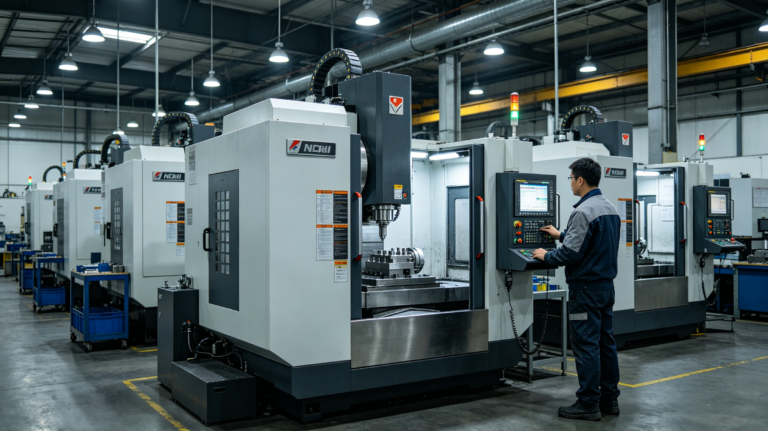
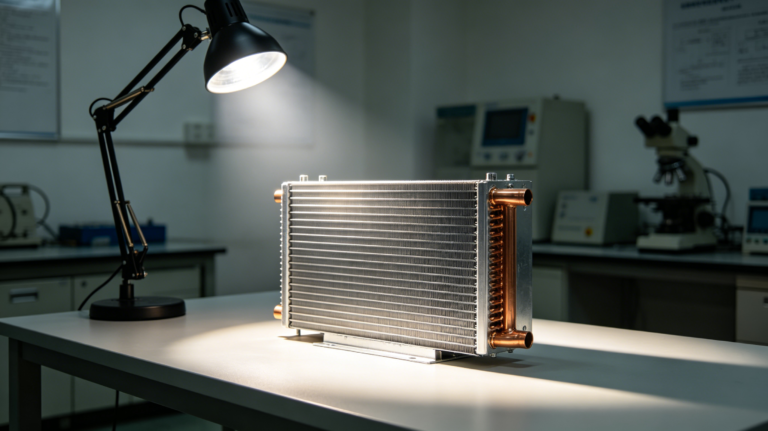
In high-end manufacturing and precision component production, deep-hole and complex geometries place significantly higher demands on electroless nickel plating processes. Variations in coating thickness inside blind holes or narrow channels can directly affect product lifespan and assembly stability. Xiamen Ruicheng has found through extensive project experience that coating uniformity is not just a process issue, but a reflection of overall engineering capability. Stable coating thickness is the foundation for ensuring functional reliability and long-term performance.
From a procurement perspective, customers are increasingly concerned about repeatability and scalability rather than single-sample success. Xiamen Ruicheng transforms technical challenges into verifiable solutions, building a closed-loop system from prototyping to mass production. Through standardized process control and real-time monitoring, we ensure consistent output from samples to full-scale production. Coating consistency from prototype to mass production defines the true capability of a supplier.
How Do Deep-Hole Structures Affect Coating Uniformity?
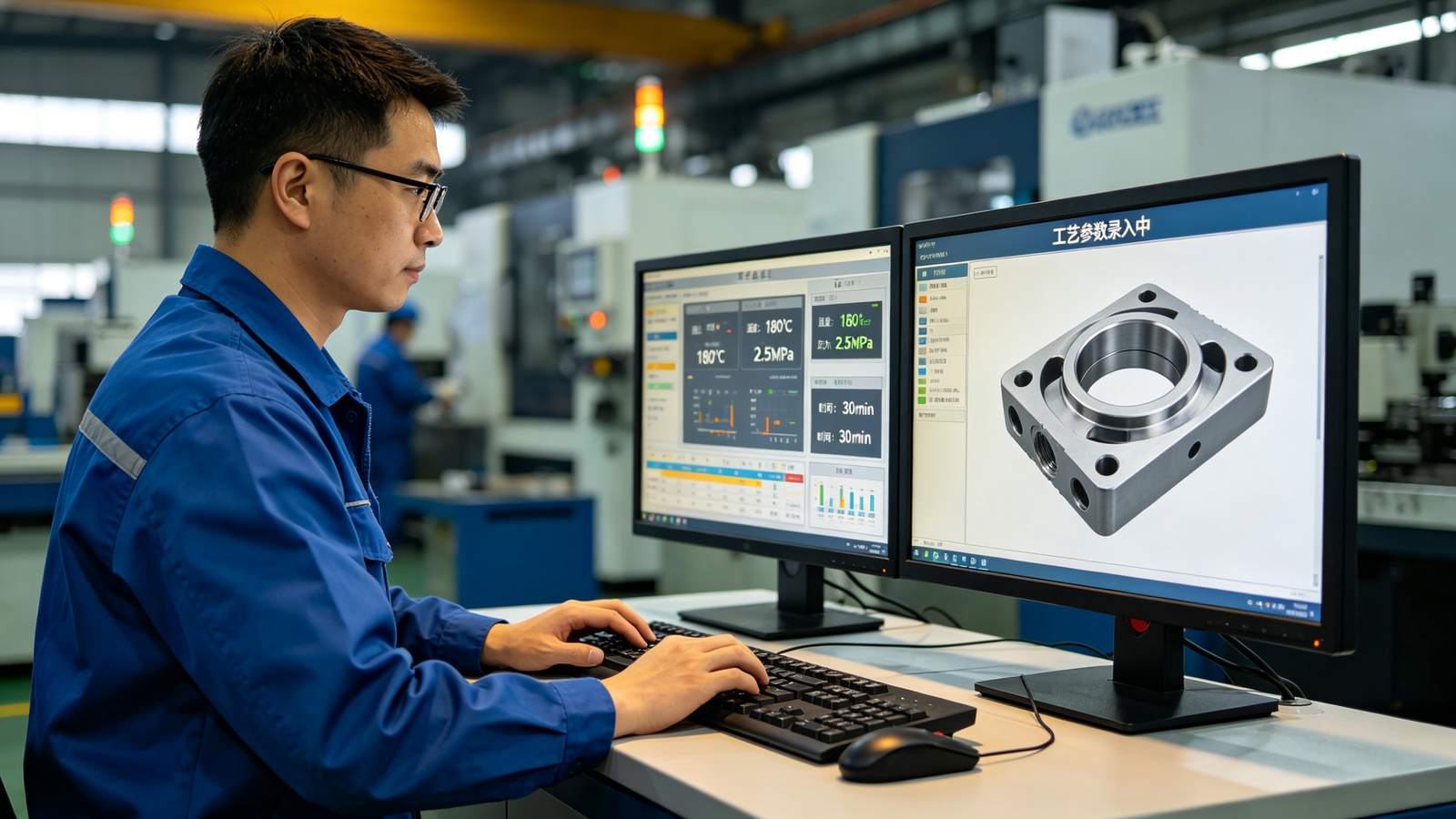
During electroless nickel plating, deep-hole geometries restrict solution exchange and create localized reaction differences, often resulting in thinner coatings inside holes or uneven deposition. This issue is especially critical in electroless nickel plating, where chemical reactions depend heavily on fluid dynamics, and is further influenced by challenges in surface finishing processes. The flow efficiency of plating solution inside deep holes directly determines coating uniformity. Xiamen Ruicheng minimizes these risks through structural analysis and optimized pre-treatment strategies.
Restricted Flow: Limited solution exchange leads to unstable deposition rates.
Gas Entrapment: Air bubbles trapped inside holes disrupt coating continuity.
Reaction Variance: Local temperature and concentration differences affect thickness.
Cleaning Blind Spots: Incomplete pre-treatment reduces adhesion and uniformity.
✨ Deep-hole challenges are essentially fluid control problems—solve flow, solve uniformity.
How Can Process Design Improve Coating Consistency?
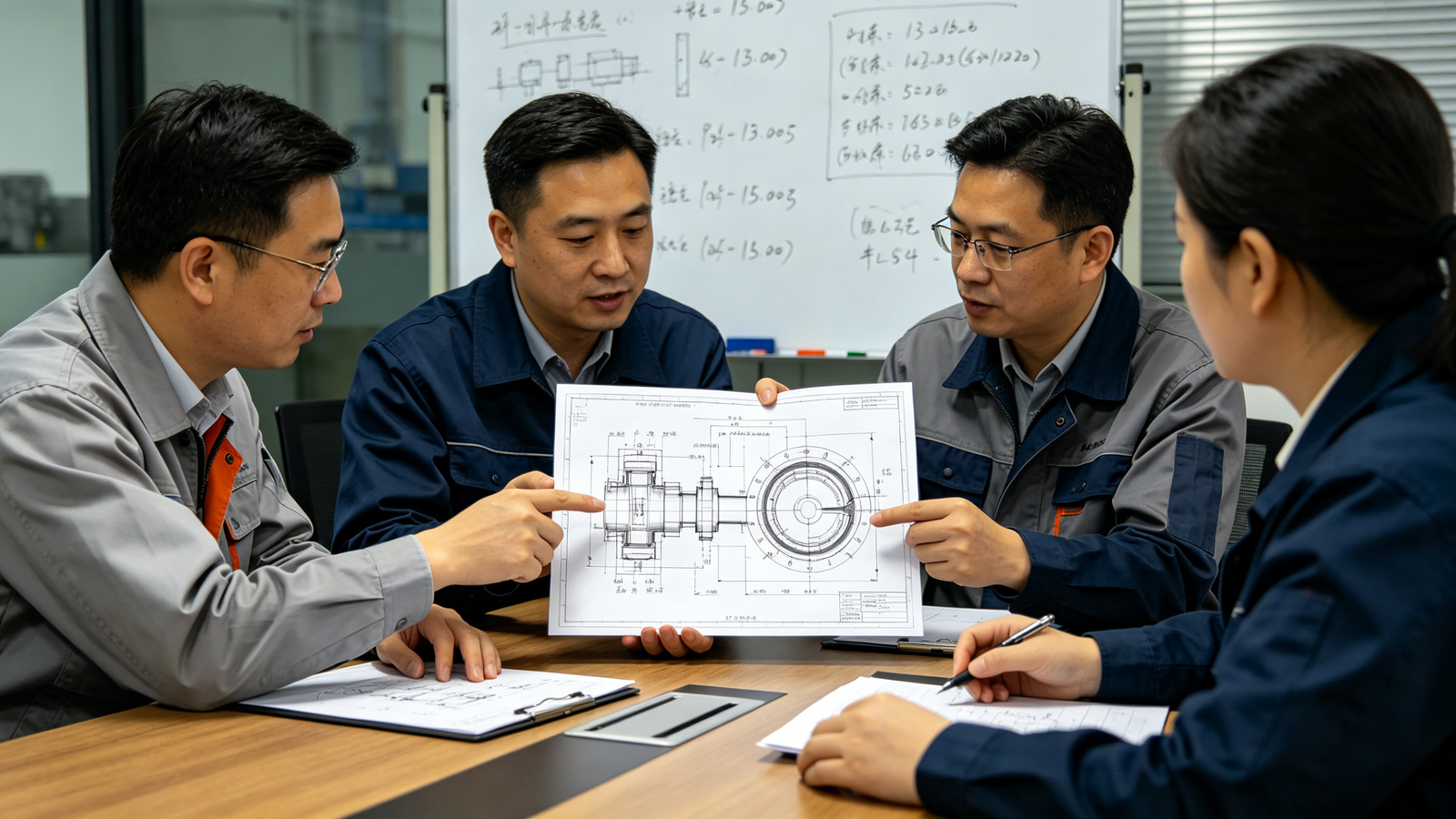
Standard plating parameters alone cannot meet the requirements of deep-hole complex parts; systematic process design is essential. By integrating forced circulation, ultrasonic assistance, and directional flow control—along with principles from electroplating optimization and fluid dynamics—uniform coating can be achieved. More than 80% of coating consistency is determined during the process design stage. Xiamen Ruicheng validates flow paths and parameters during prototyping to avoid trial-and-error in mass production.
Enhanced Circulation: Forced flow improves solution exchange efficiency.
Position Control: Adjusting part orientation helps release trapped air.
Stable Temperature: Consistent environment prevents localized variation.
Time Matching: Controlled deposition time ensures uniform thickness growth.
⚙️ The earlier the process is optimized, the lower the risk in production.
How to Maintain Stable Coating Uniformity in Mass Production?
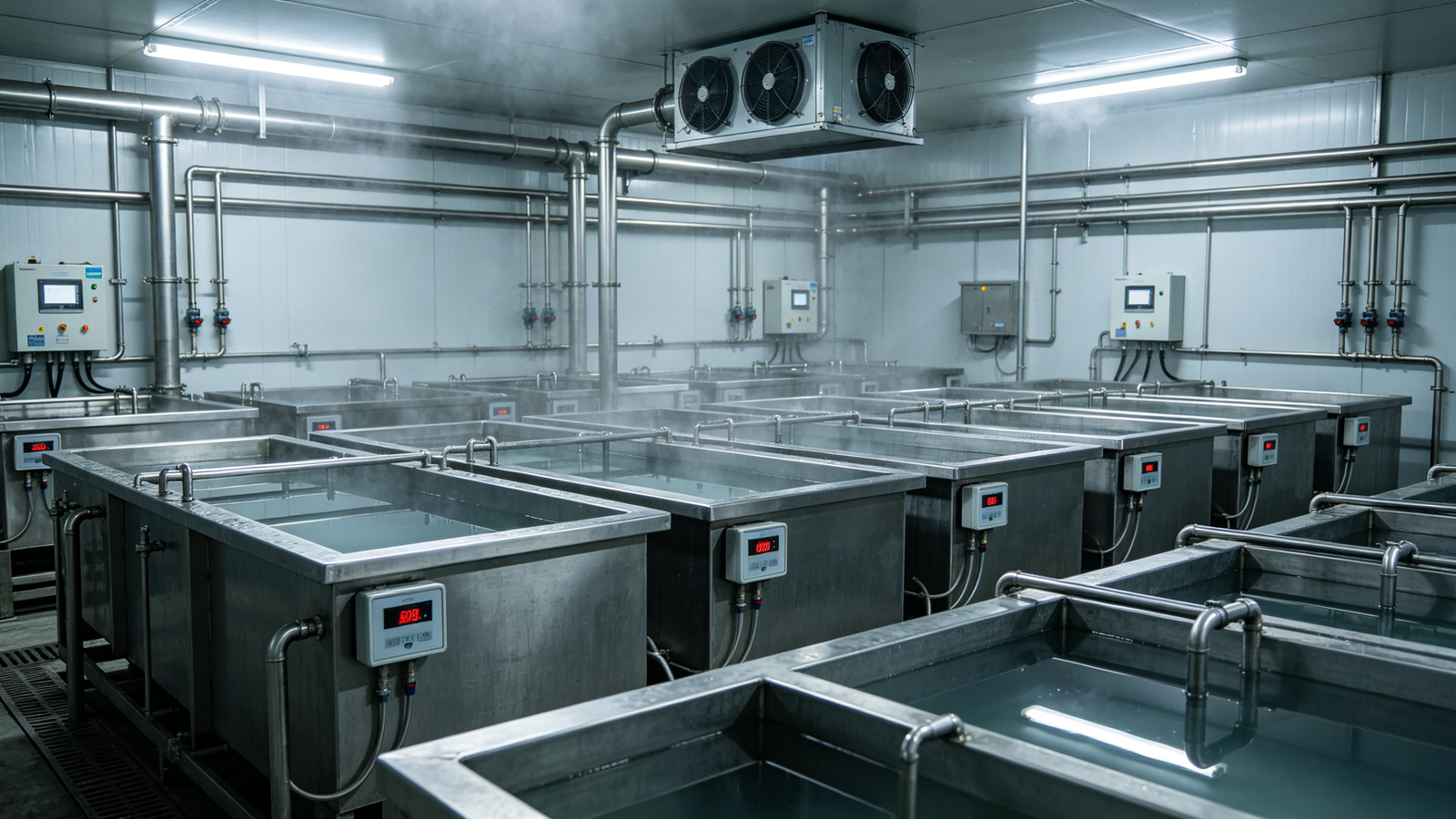
In mass production, coating inconsistency is more often caused by process fluctuations rather than isolated defects. A complete quality control system is essential, including real-time monitoring, periodic inspections, and standardized procedures. By integrating ISO 9001 quality systems and non-destructive testing, full-process control can be achieved. Stable mass production depends on continuous monitoring rather than one-time optimization. Xiamen Ruicheng uses data-driven management to control coating variation within micron-level tolerances.
Real-Time Monitoring: Tracks solution composition and temperature continuously.
Batch Traceability: Records every batch for full traceability.
Standard Operations: Reduces human variability through unified procedures.
Regular Calibration: Ensures equipment stability over time.
📊 Consistency in mass production comes from systems, not experience.
Key Comparison of Deep-Hole Plating Control Strategies
| Control Aspect | Conventional Process | Improved Process | Xiamen Ruicheng Solution | Customer Value |
|---|---|---|---|---|
| Fluid Control | Natural diffusion | Assisted flow | Directed forced circulation | More uniform thickness |
| Pre-treatment | Basic cleaning | Enhanced degreasing | Multi-stage deep cleaning | Better adhesion |
| Monitoring | Manual inspection | Sampling control | Full-process monitoring | Lower defect rate |
| Production Stability | High variation | Moderate stability | Data-driven control | Scalable consistency |
Looking to achieve stable delivery for complex geometries? Get your tailored solution today 👉 contact us
How to Replicate Coating Consistency from Prototype to Mass Production
In real procurement decisions, customers care more about consistency replication than single-sample success. Xiamen Ruicheng ensures that validated parameters from prototyping are standardized and replicated in mass production. The real capability lies in turning one successful sample into consistent large-scale output. This is achieved through standardized workflows, accumulated data, and engineering expertise, giving customers predictable quality and delivery timelines.
1.Parameter Standardization: Convert prototype data into fixed production parameters.
2.Process Replication: Ensure every batch follows identical procedures.
3.Data Accumulation: Use historical data to optimize future production.
4.Risk Prevention: Identify and eliminate potential fluctuations early.
FAQ – Common Procurement Questions
Question 1 (Product Evaluation): What are the core advantages and quality benchmarks of your deep-hole electroless nickel plating service?
Answer: Xiamen Ruicheng controls coating thickness within ±1μm tolerance using multi-point inspection and real-time monitoring systems, ensuring consistent quality even in complex geometries for high-precision assembly needs.
Question 2 (Collaboration Process): What information is required to get a quotation quickly?
Answer: Please provide 2D/3D drawings, material specifications, surface requirements, and expected quantity. Submit via our website or email, and our engineering team will respond within 12 hours with a detailed quotation and process analysis.
Question 3 (Order Fulfillment): What are the MOQ and lead times for different order volumes?
Answer: Prototype orders support 1–10 pieces with a lead time of 5–7 days. Mass production typically takes 10–15 days, with expedited options available within 72 hours.
Question 4 (After-Sales Support): How do you handle coating defects or quality issues?
Answer: We provide inspection support upon delivery. If a quality issue is confirmed, we initiate rework or replacement within 48 hours, with full traceability and inspection reports included.
Question 5 (Customization): Can you support special structures or high-demand applications?
Answer: Yes, we support complex geometries including deep-hole ratios over 10:1. Provide your application requirements, and we will deliver a customized process solution within 3 working days.
Conclusion
Ensuring coating uniformity in deep-hole electroless nickel plating is a comprehensive capability that combines process design and production control. Xiamen Ruicheng achieves consistent results by integrating early-stage engineering support with full-process monitoring. Choosing a supplier with systematic control capability is the key to long-term quality stability. As component complexity increases, only a controllable and repeatable process system can support scalable manufacturing success.
For expert assistance in implementing for your production needs, visit our resource center or contact us. Let’s help you scale up your manufacturing with precision and efficiency!