Introduction
In high-load applications, the reliability of custom irregular fasteners directly affects the overall structural integrity, especially under complex stress and assembly conditions where coating adhesion becomes a critical factor. Many buyers tend to focus on price and lead time while overlooking the underlying plating process capability, which often leads to premature coating failures. Stable coating performance comes from systematic process control rather than isolated parameter adjustments.
As manufacturing precision continues to evolve, irregular geometries impose stricter requirements on coating uniformity and adhesion, particularly in edges, recesses, and curved surfaces where peeling risks are amplified. Based on extensive project experience, Xiamen Ruicheng has identified that most coating failures originate from improper pre-treatment and process mismatch rather than material defects. Early-stage DFM evaluation can eliminate over 90% of coating-related risks before production.
Why are irregular zinc-plated fasteners prone to coating peeling?
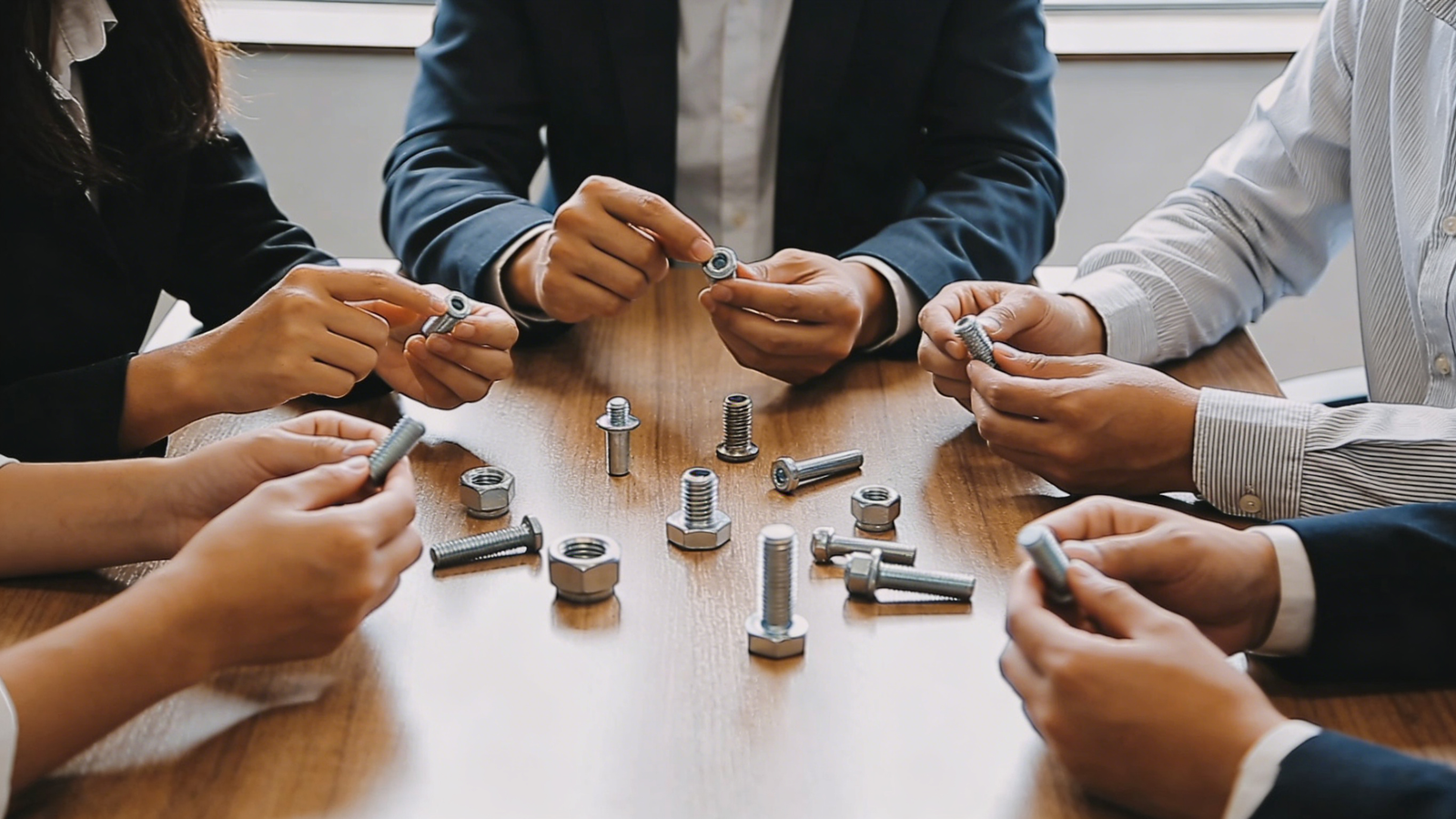
Irregular geometries often create uneven current distribution and solution flow dead zones during plating, resulting in inconsistent coating thickness and weak adhesion in localized areas, while improper electroplating process control further amplifies these risks, and insufficient surface treatment in pre-treatment stages directly impacts coating bonding performance. The complexity of irregular parts makes coating quality highly dependent on process compatibility.
Geometry impact: Complex shapes lead to uneven current density distribution.
Pre-treatment issues: Residual oil or oxide layers weaken adhesion.
Process deviation: Instability in current, voltage, or timing affects coating integrity.
Post-treatment gaps: Inadequate passivation or baking increases peeling risk.
✨ Irregular structures amplify differences in process control capability.
How to improve zinc coating adhesion through process optimization?
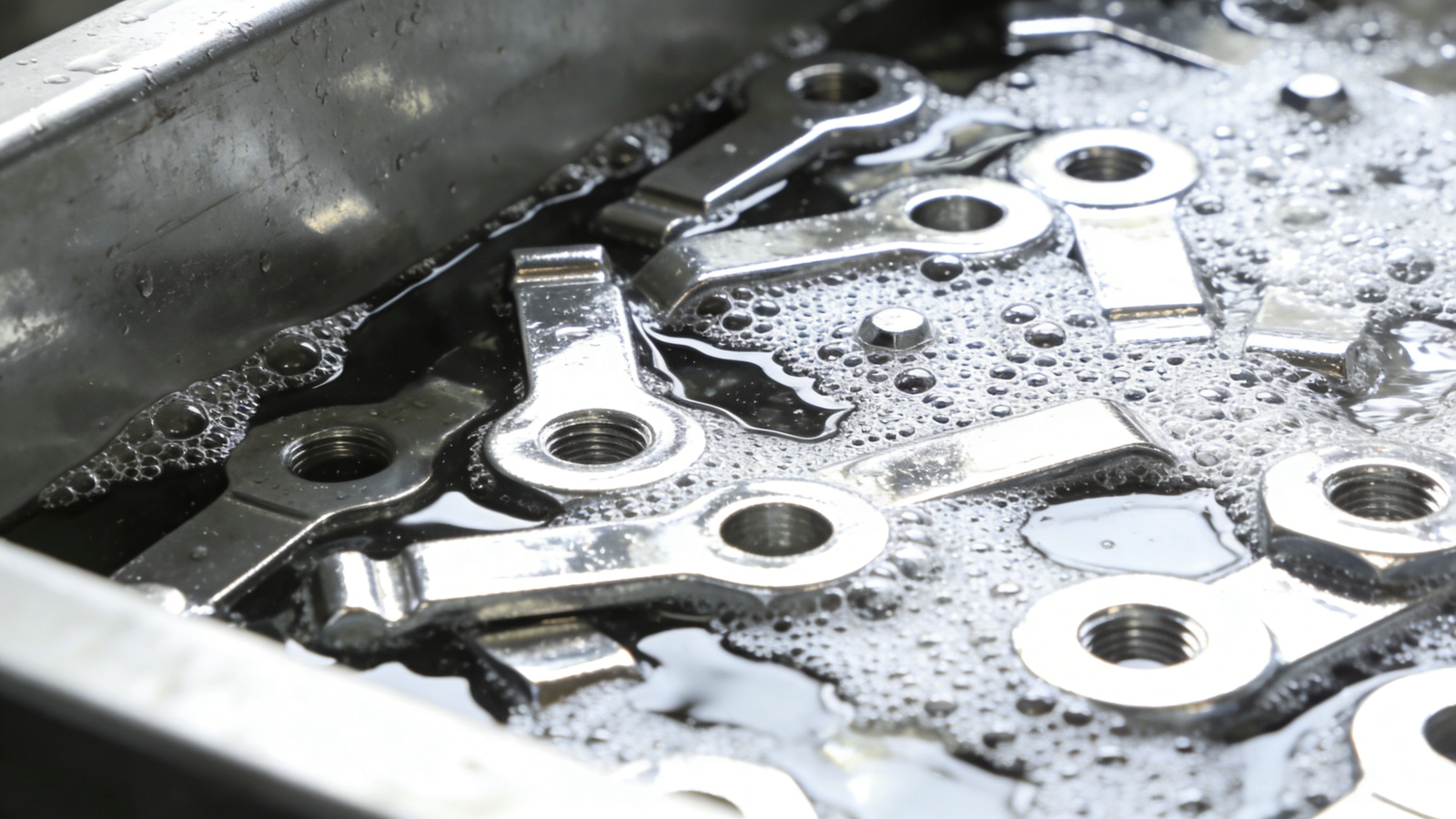
Improving coating adhesion requires a closed-loop control system covering pre-treatment, plating, and post-treatment stages, where precise acid cleaning removes oxide layers, and stable current density ensures uniform deposition, while Xiamen Ruicheng leverages a mature parameter database to dynamically adjust settings based on geometry. A systematic process approach is the foundation of strong coating adhesion.
Enhanced pre-treatment: Multi-stage cleaning ensures full substrate activation.
Plating control: Precise current density control ensures uniform coating.
Fixture optimization: Custom racks improve plating consistency for irregular parts.
Post-treatment improvement: Baking and passivation stabilize coating structure.
🔧 Process integration is the key to consistent coating performance.
How to eliminate coating failure risks at the design stage?
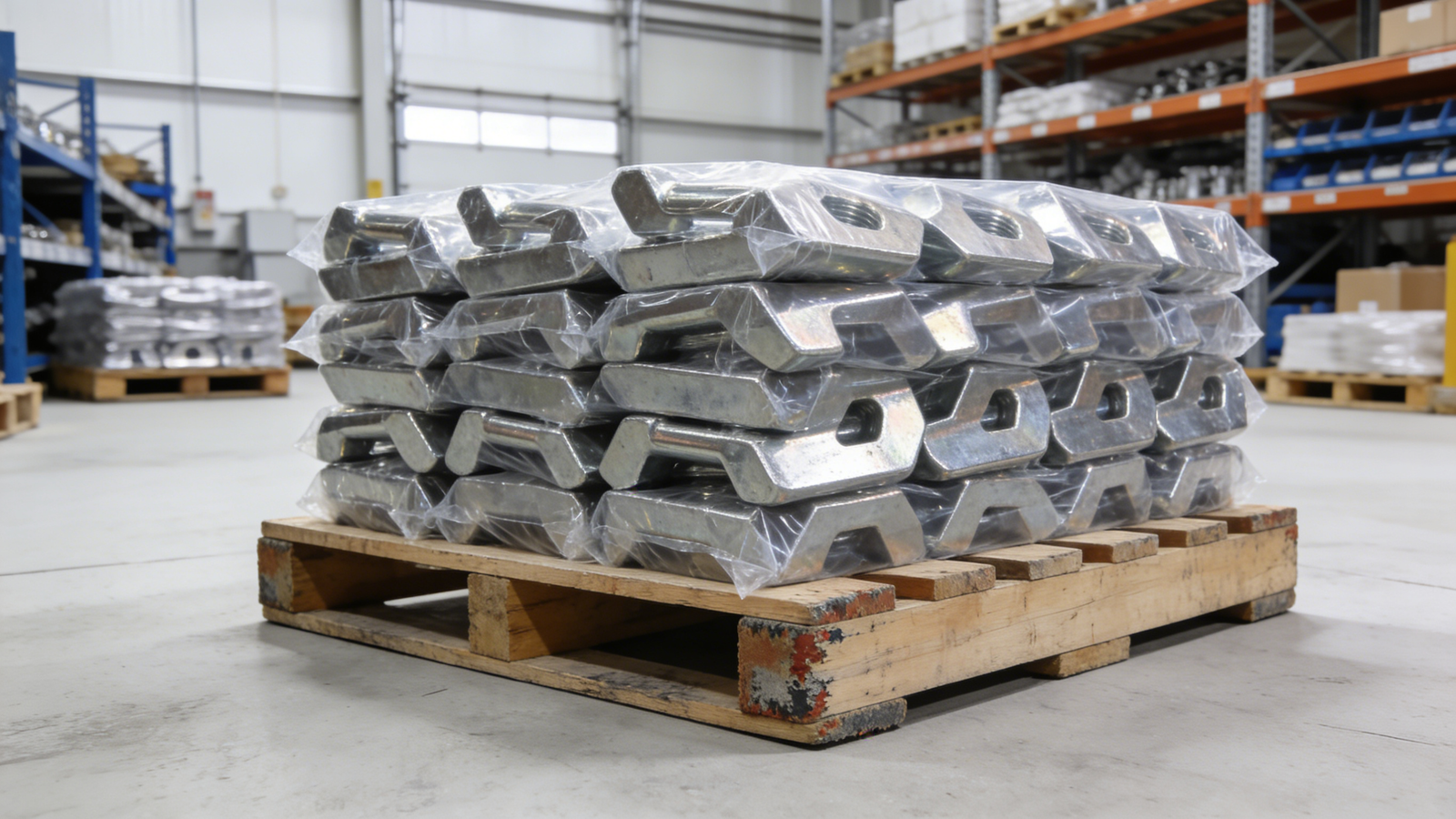
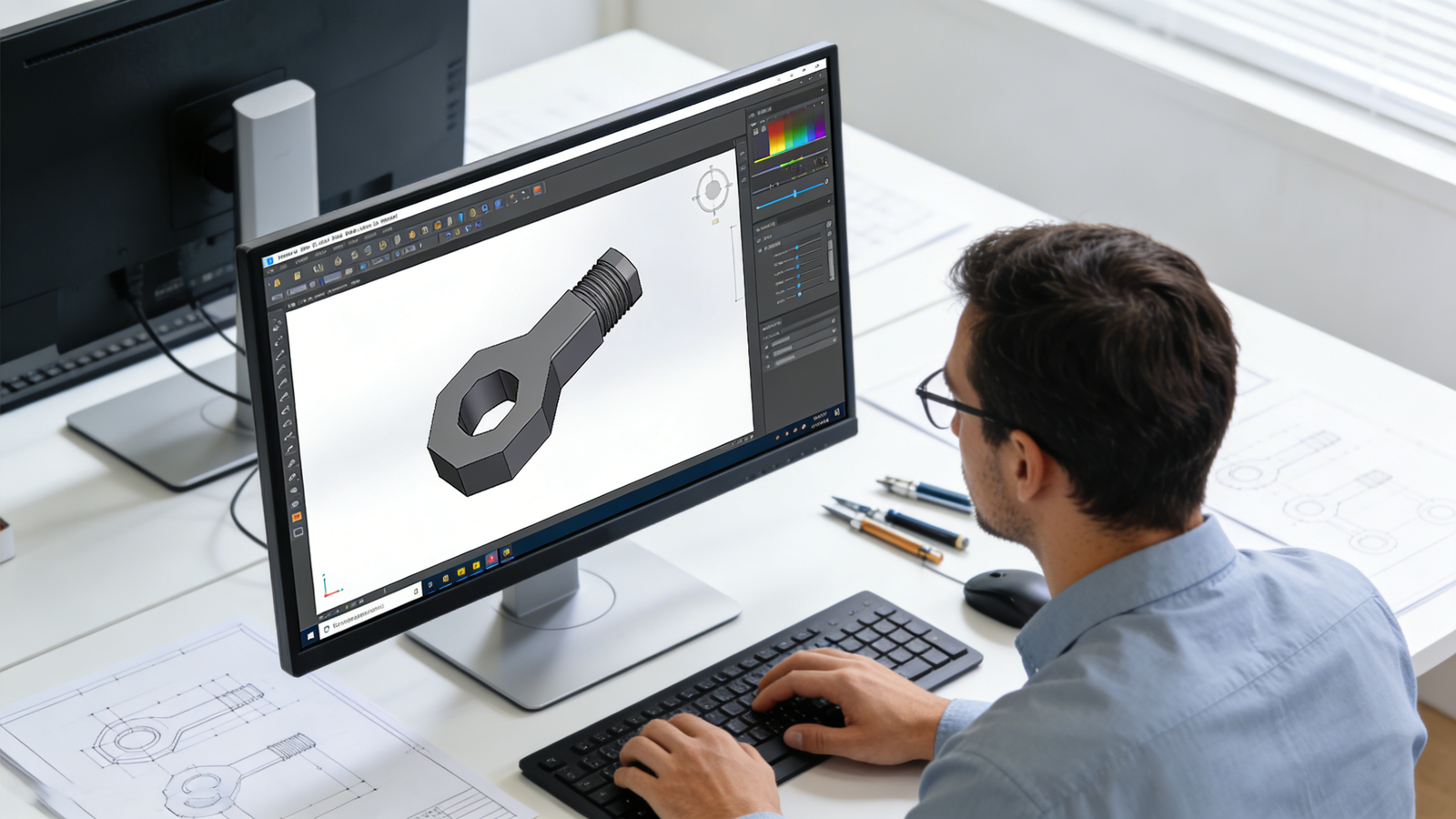
Integrating DFM analysis and process evaluation during customization allows early identification of high-risk geometry areas, enabling optimization of chamfers, fillets, and hole positioning to reduce plating difficulty, while combining Design for Manufacturability principles with salt spray testing ensures reliability validation before mass production, as practiced by Xiamen Ruicheng. Design-stage optimization is far more cost-effective than post-production correction.
Geometry optimization: Reduces sharp edges and dead zones for better coating flow.
Process simulation: Predicts plating performance before manufacturing.
Sample validation: Confirms real-world coating durability.
Production control: Establishes standardized process parameters.
📊 Early design decisions determine long-term quality stability.
Comparison of zinc plating processes for irregular fasteners
| Process Type | Adhesion Performance | Geometry Suitability | Cost Level | Stability | Application |
|---|---|---|---|---|---|
| Alkaline Zinc Plating | High | Medium complexity | Medium | Stable | General industrial |
| Acid Zinc Plating | Medium | Simple geometry | Low | Moderate | Cost-sensitive |
| Mechanical Plating | High | High complexity | High | Very high | Precision equipment |
| Hot-Dip Galvanizing | Very high | Large structures | High | Stable | Outdoor corrosion |
Get your customized plating solution and validation support today: contact us
Why choosing a full-process capable supplier matters
In real procurement scenarios, supplier value goes beyond machining capability and lies in process integration and risk control, where Xiamen Ruicheng provides end-to-end services from design validation to mass production, helping clients eliminate coating risks at the source and improve overall reliability. A supplier with full-process capability significantly reduces hidden quality costs.
1.Process integration: Aligns design and manufacturing seamlessly.
2.Quality system: Ensures consistent batch performance.
3.Fast response: Shortens development and validation cycles.
4.Long-term value: Continuously optimizes cost and performance.
FAQ
Question 1: What is the coating adhesion standard for your custom fasteners?
Answer: Xiamen Ruicheng follows ASTM B633 standards, with adhesion verified through cross-hatch and bending tests, and salt spray resistance reaching 240–500 hours, ensuring durability in demanding applications.
Question 2: What information is required to request a quotation?
Answer: Please provide 2D/3D drawings, application conditions, and estimated order quantity; our team will complete process evaluation within 12 hours and provide a detailed quotation with optimization suggestions.
Question 3: What are the MOQ and lead time for different order volumes?
Answer: Sample MOQ starts at 50 pieces, with standard production lead time of 7–15 days, and flexible lines available for urgent orders within 48 hours.
Question 4: How do you handle coating quality issues after delivery?
Answer: Quality issues can be reported within 7 days of delivery, with verification followed by rework or replacement within 48 hours, backed by up to 12 months warranty.
Question 5: Do you support highly customized or complex designs?
Answer: Yes, we support complex geometries and special application requirements; feasibility analysis is provided within 3 working days with cost adjustments of 5%–15% depending on complexity.
Conclusion
The stability of zinc coating on custom irregular fasteners depends on the synergy of design, process, and supply chain capabilities rather than a single manufacturing step. Buyers should prioritize suppliers with integrated solutions to minimize long-term risks and maintenance costs. Choosing a partner with systematic process control is the most effective way to ensure product reliability. Early-stage optimization combined with full-process quality control significantly enhances performance while reducing development time.
For expert assistance in implementing for your production needs, visit our resource center or contact us. Let’s help you scale up your manufacturing with precision and efficiency!