Introduction
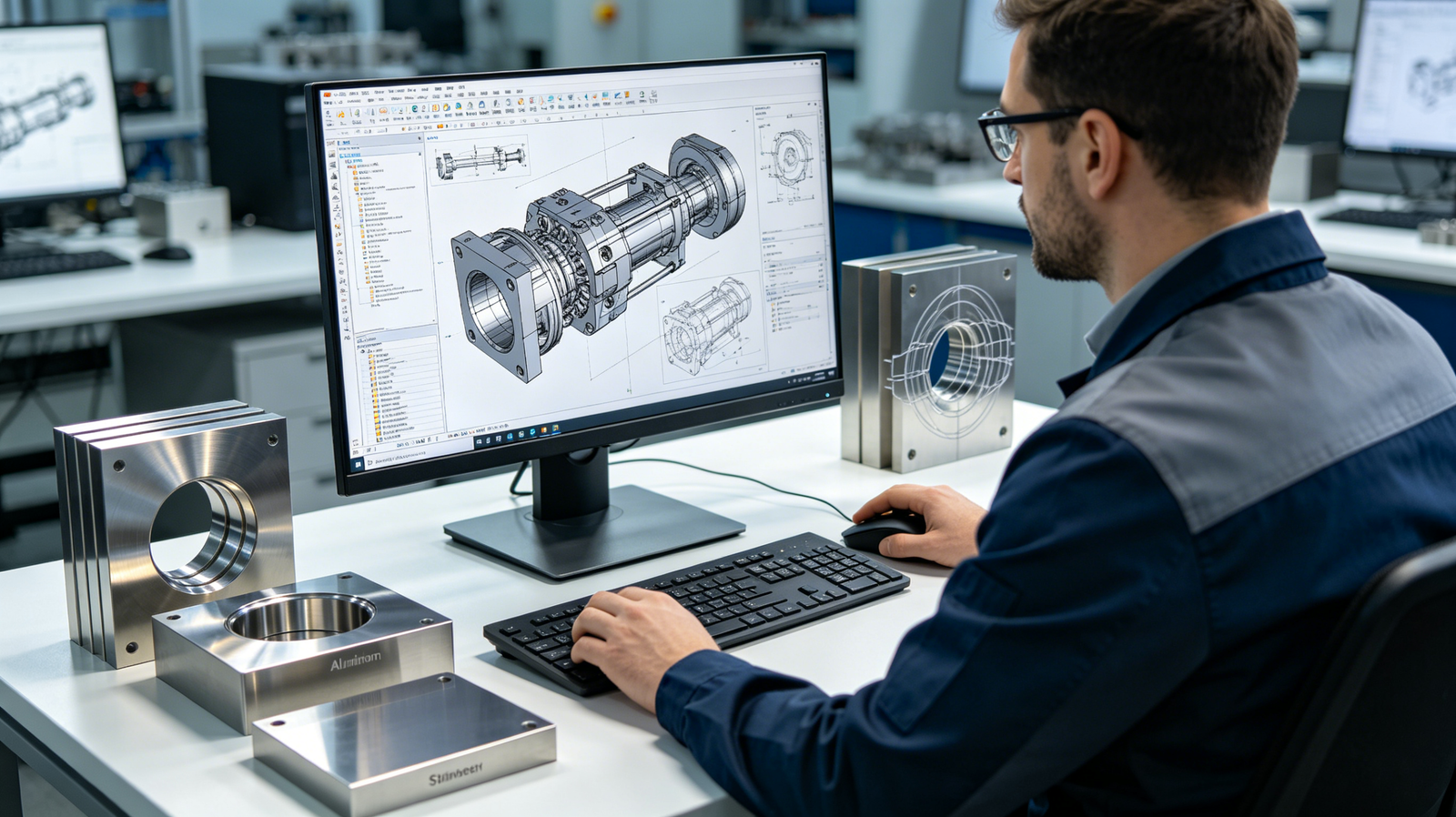
When developing custom CNC machined parts, material selection is not simply about comparing hardness or price. Engineers need to evaluate application requirements, structural loads, and long-term reliability to determine the most suitable material solution. Different metals have significant differences in strength, density, machinability, and cost, which directly affect the final performance of components. The right CNC material selection helps reduce part weight while maintaining sufficient structural strength.
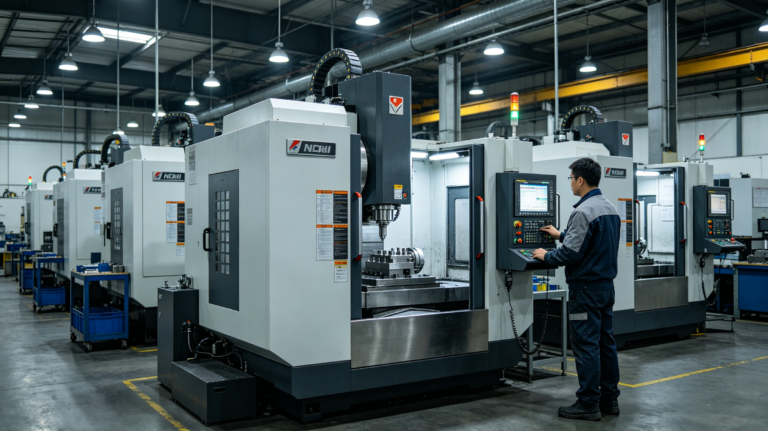
For OEM manufacturers and product engineers, material decisions influence machining stability, component lifespan, and overall production costs. During CNC manufacturing projects, Xiamen Ruicheng evaluates customer requirements, machining processes, and supply conditions to recommend practical material solutions. A proper material match can reduce design risks and improve the efficiency of product development.
Why Does CNC Material Selection Need to Balance Strength and Weight?
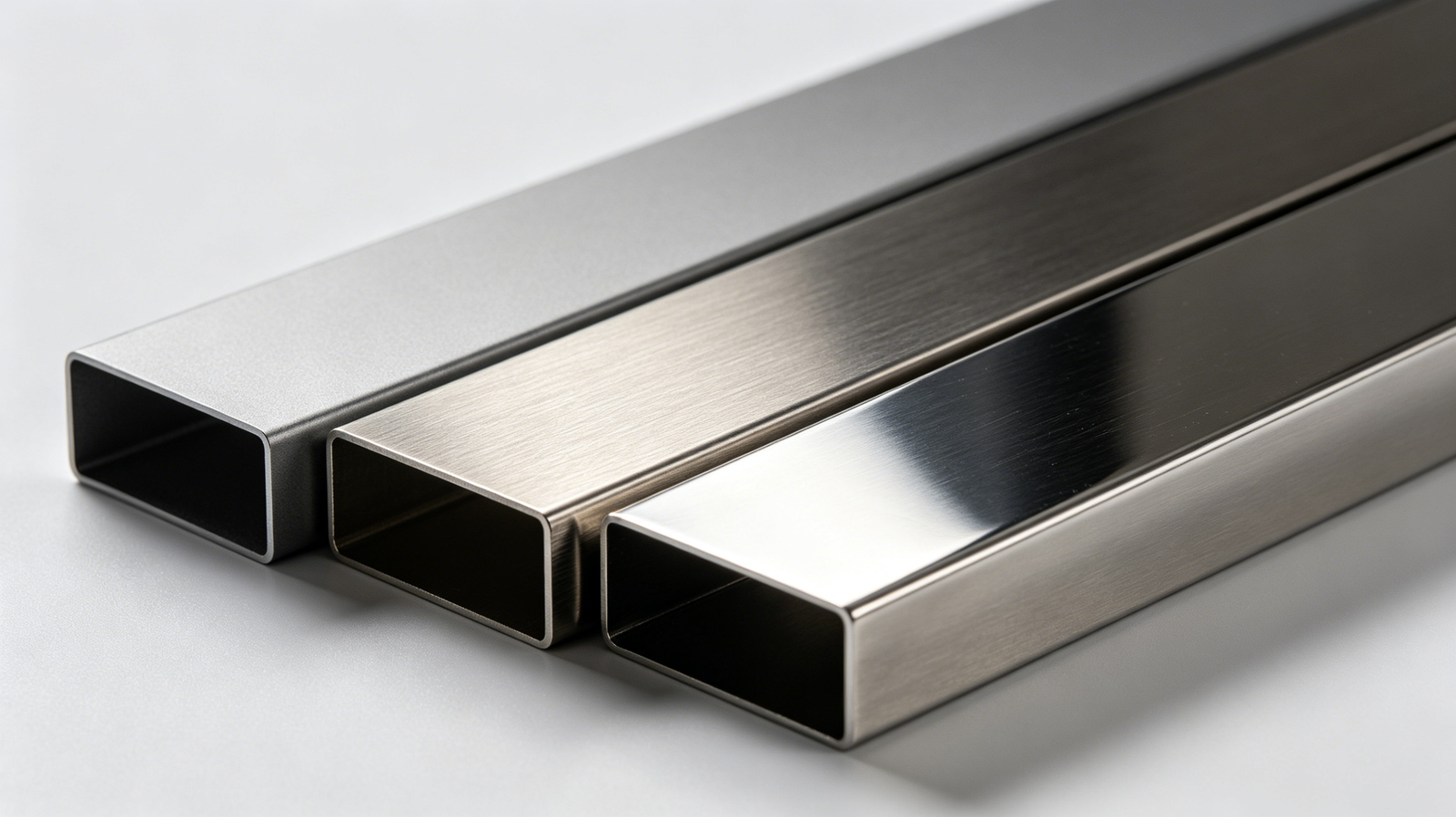
Selecting CNC materials requires balancing mechanical performance and product requirements instead of focusing only on maximum strength. Many engineering projects overlook the impact of material density during early design stages, which can lead to excessive weight, higher costs, or longer machining cycles later. The balance between strength and weight is a key factor affecting overall part performance. In practical manufacturing, CNC machining needs to consider material properties, part structure, and operating conditions rather than relying only on material datasheets.
Lightweight Design: Lightweight components require materials with high specific strength while meeting load requirements.
Structural Strength: Different applications require different levels of tensile strength, yield strength, and fatigue resistance.
Machining Performance: Material hardness and toughness influence tool life, cutting speed, and surface finish.
Cost Management: Material prices and machining difficulty together determine the final manufacturing cost.
💡 Material selection affects not only part weight but also machining efficiency and product competitiveness.
How Do Aluminum, Titanium, and Stainless Steel Affect CNC Part Performance?
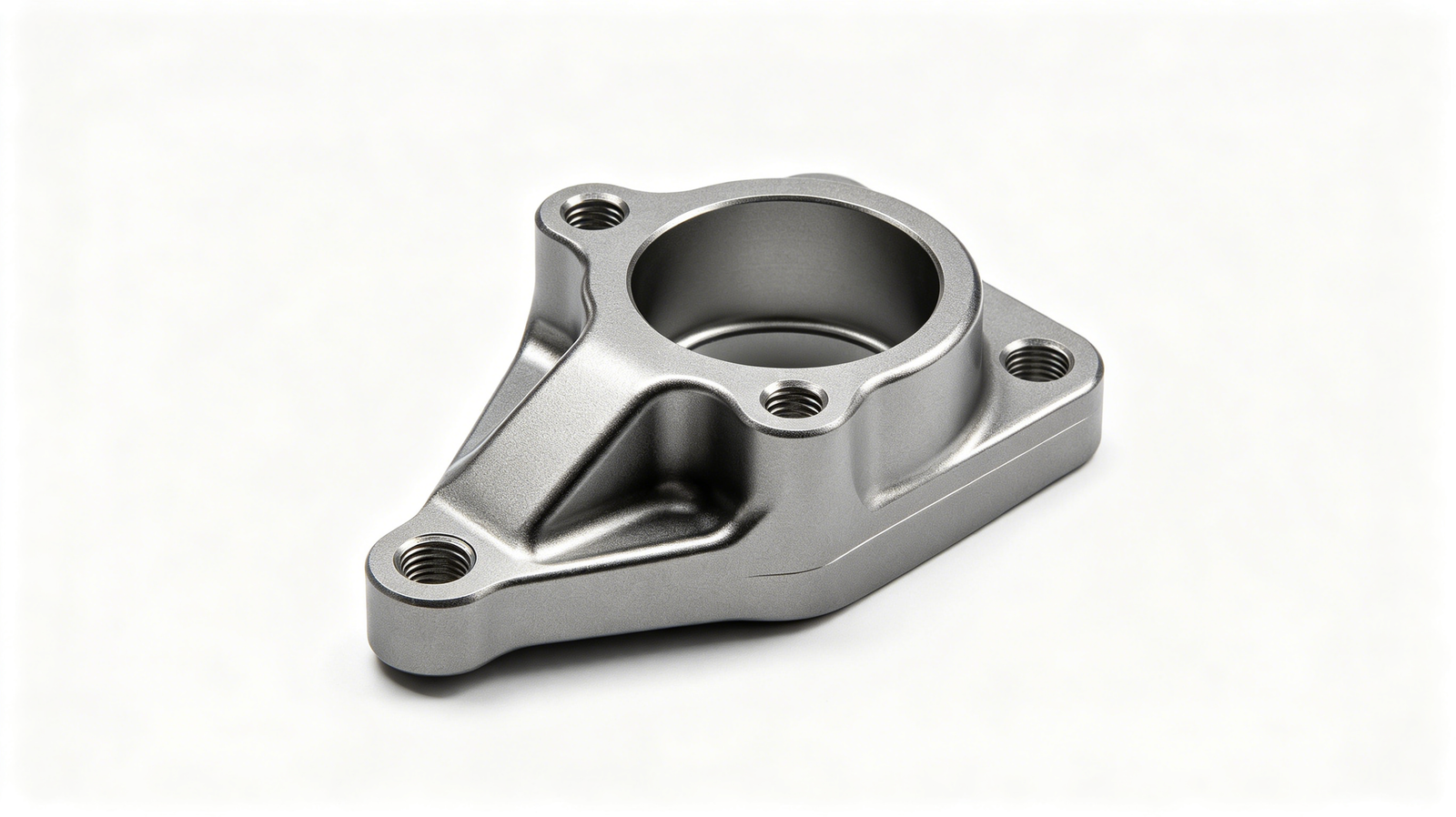
Different metals perform differently during CNC machining. Aluminum is commonly selected for lightweight structures, titanium is used for high-performance applications, and stainless steel is preferred when corrosion resistance and durability are critical. Engineers should select materials based on actual requirements instead of assuming the strongest material is always the best option. Matching material performance with application needs creates greater manufacturing value. For example, aluminum CNC machining is widely used for lightweight and fast-development parts, while demanding environments may require higher-grade materials.
Aluminum Benefits: Aluminum alloys provide low density and good machinability, making them suitable for lightweight components.
Titanium Features: Titanium offers excellent strength-to-weight performance but requires more advanced machining processes.
Stainless Steel Applications: Stainless steel is suitable for wear resistance, corrosion protection, and long-term structural stability.
Material Combination: Some products use multiple materials to optimize performance and manufacturing costs.
💡 Choosing the right material is more valuable than simply selecting the highest-performance material.
How Should CNC Materials Be Selected Based on Product Requirements?
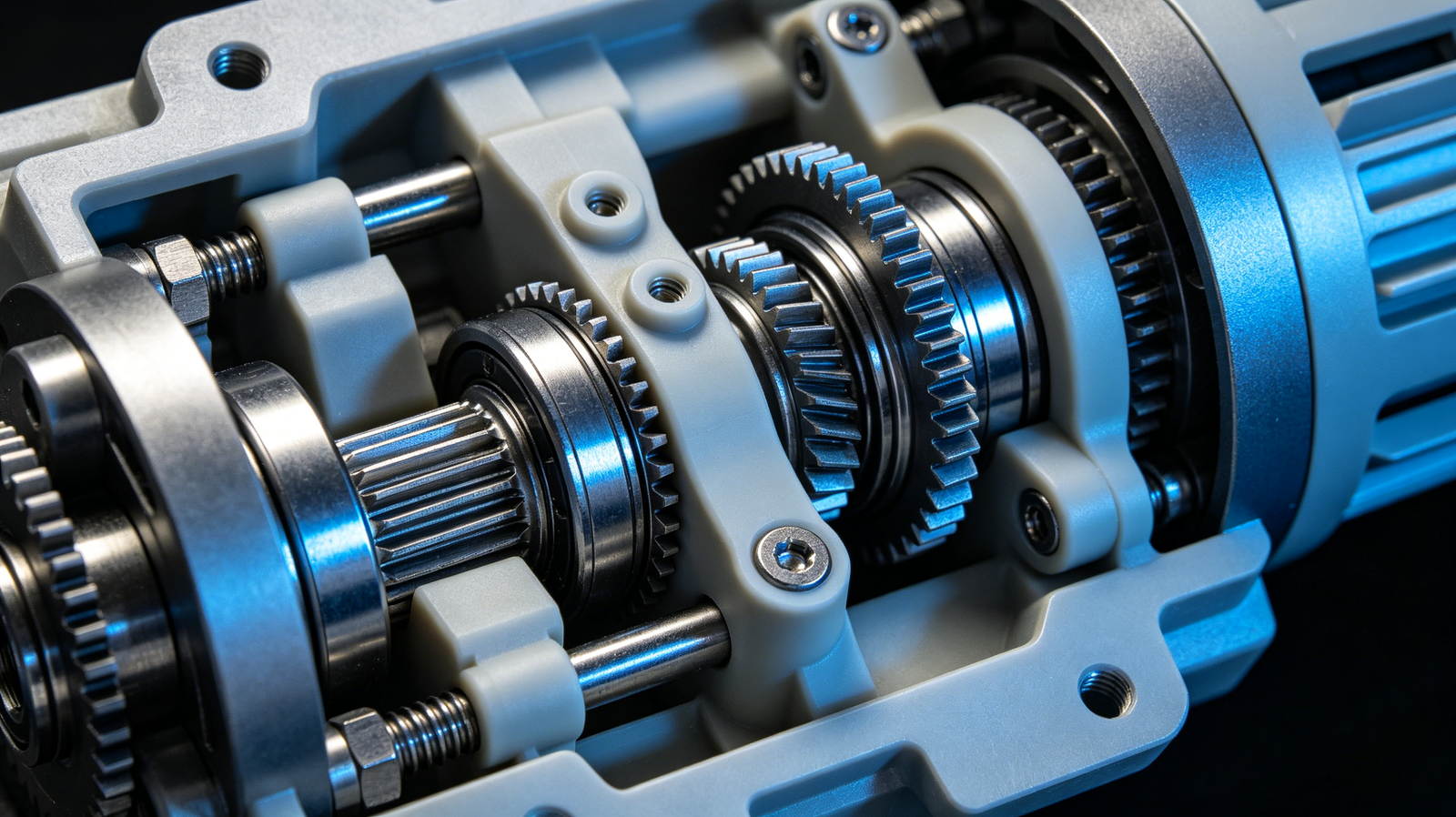
CNC material selection should start from product functions, including load requirements, temperature conditions, corrosion exposure, service life, and production needs. Engineers should analyze how the part performs in real working environments instead of evaluating materials separately. A successful material solution must satisfy both design requirements and manufacturing feasibility. Xiamen Ruicheng evaluates customer drawings, application scenarios, and machining capabilities to support material selection and process planning.
Operating Environment: High temperatures, moisture, or chemical exposure can significantly influence material decisions.
Mechanical Loads: Parts under pressure, impact, or fatigue conditions require suitable material grades.
Production Requirements: Mass production requires stable material supply and consistent machining performance.
Service Life: Long-term applications need materials with reliable durability and performance.
💡 Material decisions should consider the entire product lifecycle, not only initial machining costs.
What CNC Supplier Capabilities Matter for Material Selection?
After selecting the material, supplier machining capability determines whether the final component can achieve the expected performance. Different materials require different tooling strategies, cutting parameters, and inspection methods. Even the correct material can fail to meet requirements if the supplier lacks machining experience. A reliable CNC supplier needs both material expertise and precision manufacturing capability.
Machining Experience: Skilled engineers understand different material behaviors and reduce trial-and-error during production.
Quality Inspection: Advanced measurement processes ensure parts meet dimensional requirements.
Process Optimization: Proper machining parameters improve surface quality and production consistency.
Engineering Support: Suppliers should participate early to reduce potential design and manufacturing risks.
💡 Professional manufacturing capability allows material advantages to become real product performance.
CNC Material Strength and Weight Comparison for Decision Making
| Material Type | Strength Characteristics | Weight Performance | Common Applications |
|---|---|---|---|
| Aluminum Alloy | Medium to high strength | Excellent lightweight advantage | Aerospace, electronics, equipment structures |
| Titanium Alloy | High strength and performance | Outstanding strength-to-weight ratio | Medical, aerospace, advanced equipment |
| Stainless Steel | Stable and durable | Higher density | Industrial parts, mechanical structures |
| Brass | Good machinability | Medium weight | Precision components, connectors |
When selecting CNC materials, strength and weight are only part of the decision. Machining capability, delivery requirements, and quality assurance should also be considered. If you are evaluating the right material solution, contact us for professional CNC material selection support.
How Can CNC Material Selection Improve Product Development Efficiency?
During product development, material selection often determines the direction of future optimization. Choosing the right material range early can reduce machining trials, improve prototype validation efficiency, and prevent performance issues during mass production. Earlier material decisions help reduce overall project risks.
1.Design Stage: Define strength, weight, and environmental requirements to avoid redesign caused by incorrect material choices.
2.Machining Stage: Adjust machining parameters based on material characteristics to improve manufacturing stability.
3.Validation Stage: Use testing results to optimize material solutions and confirm actual performance.
4.Mass Production Stage: Stable material supply and mature processes reduce long-term production risks.
FAQ
Question 1: What are the key advantages of your CNC material selection service?
Answer: Xiamen Ruicheng evaluates part applications, structural requirements, machining methods, and quality standards to recommend materials that balance strength, weight, and cost.
Question 2: What information should we provide to quickly receive a CNC machining quotation?
Answer: Customers usually need to provide CAD drawings, material requirements, quantities, tolerances, and application conditions. Xiamen Ruicheng reviews these details and provides suitable manufacturing recommendations.
Question 3: How are delivery schedules arranged for different CNC production volumes?
Answer: Production schedules depend on material type, machining complexity, and order quantity. Prototype projects and mass production orders follow different manufacturing plans.
Question 4: How do you handle quality issues after receiving CNC parts?
Answer: Xiamen Ruicheng analyzes quality concerns through inspection records, dimensional verification, and process evaluation to ensure parts meet customer requirements.
Question 5: Can you provide customized material recommendations for special applications?
Answer: Yes. Customers can provide operating conditions, load requirements, and performance targets. Xiamen Ruicheng will recommend suitable materials and machining solutions based on engineering experience.
Conclusion
CNC material selection is not only about choosing the strongest material. It requires balancing weight, machinability, operating environment, and manufacturing cost. For different products, the best material solution comes from combining engineering requirements with production capabilities. A scientific material selection strategy helps companies reduce development risks and improve long-term product reliability.With CNC machining experience, material evaluation capability, and quality control systems, Xiamen Ruicheng helps customers achieve stable production from design to manufacturing. A well-planned material strategy enables products to achieve a better balance between performance, cost, and delivery.
For expert assistance in implementing CNC material selection for your production needs, visit our resource center or contact us. Let’s help you scale up your manufacturing with precision and efficiency!