Introduction
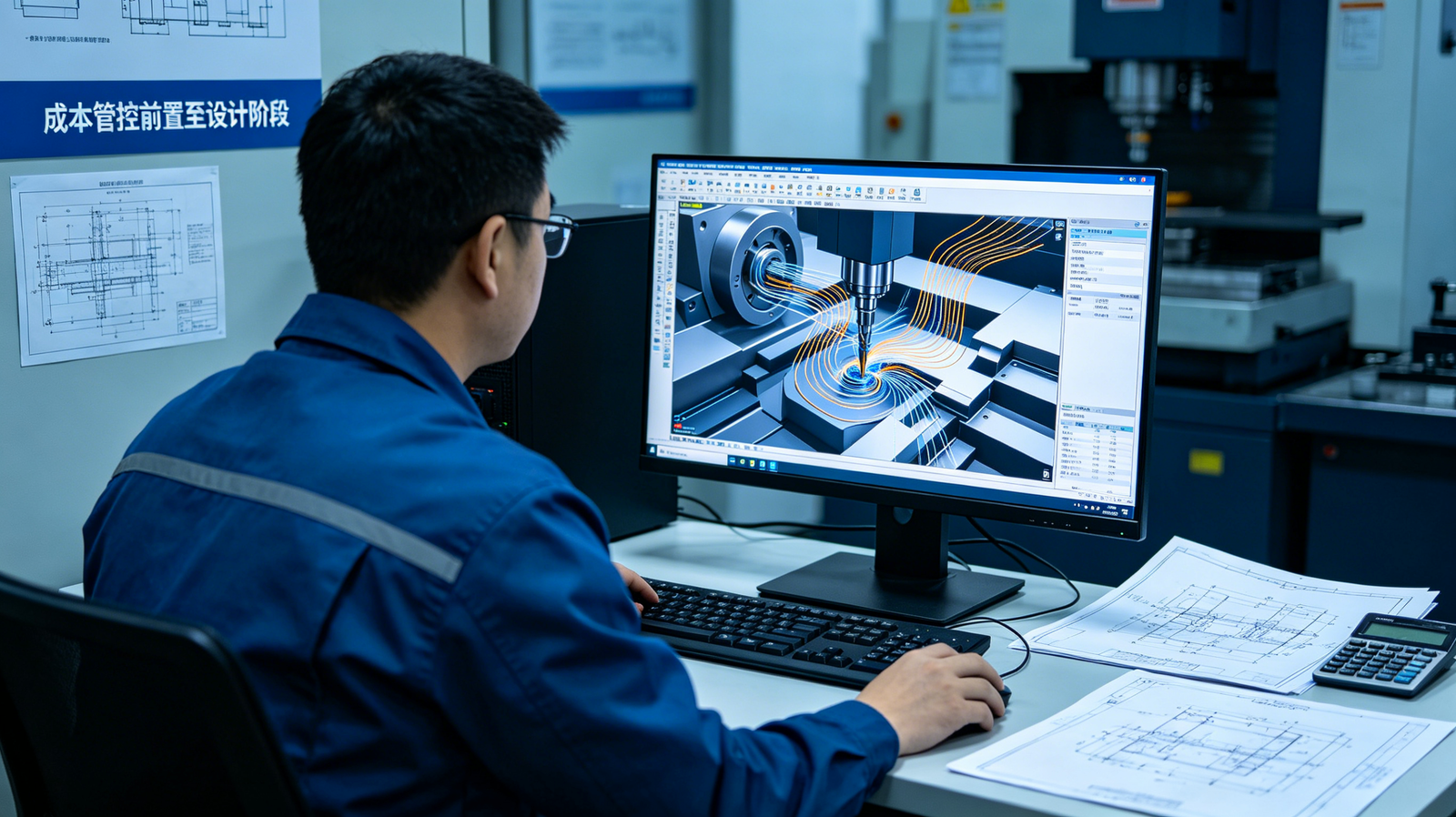
Complex geometry parts are widely used in aerospace equipment, automotive components, industrial machinery, and precision mechanical systems. These components often include deep cavities, thin walls, multi-surface features, and strict dimensional requirements, creating higher challenges for manufacturing processes. Machining failures in complex parts are usually caused by multiple accumulated factors rather than a single equipment issue.
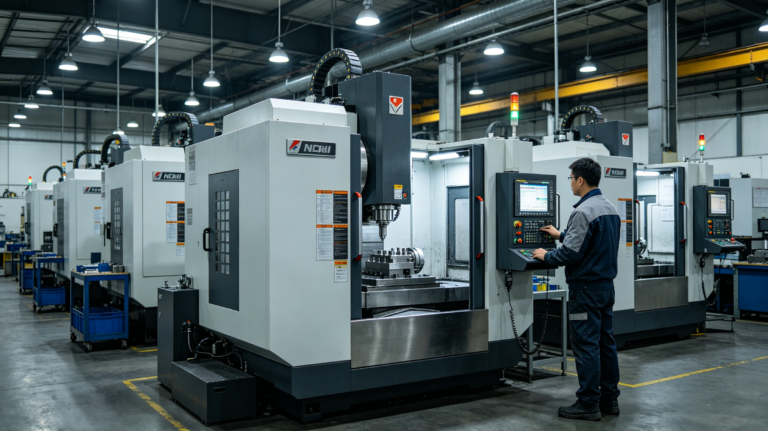
At Xiamen Ruicheng, we understand that customers are not only concerned about whether a part can be manufactured, but also whether production can remain stable, repeatable, and cost-effective. Through engineering evaluation, CNC machining process control, and advanced inspection systems, potential risks can be identified before production begins. A reliable manufacturing partner should help customers prevent failures before they happen instead of solving problems after parts are rejected.
Why Do Complex Geometry Parts Experience Dimensional Accuracy Problems During CNC Machining?
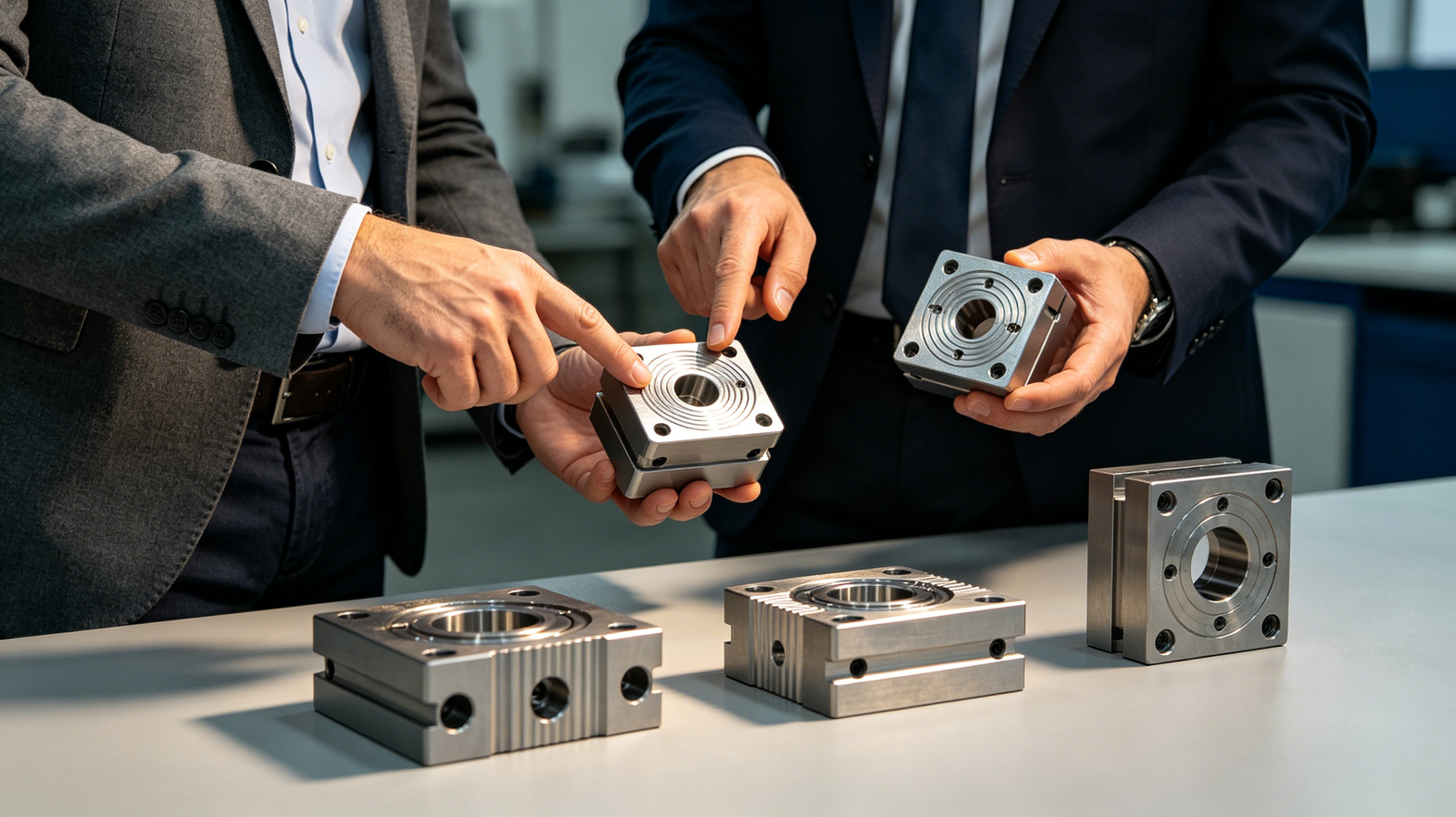
Complex geometry parts are more sensitive to machining conditions because factors such as tool deflection, machine vibration, thermal expansion, and improper tool paths can directly affect final dimensions. At Xiamen Ruicheng, we evaluate machining challenges through engineering analysis and apply 5-axis CNC machining solutions to improve accuracy for difficult geometries. Dimensional stability depends on the complete machining system working together, not only the precision of the machine itself.
Tool Deflection Risk: Long and slender cutting tools may bend during deep cavity machining, causing dimensional errors.
Thermal Deformation Effects: Continuous machining generates heat that may influence machine and workpiece stability.
Improper Tool Path Planning: Poor machining strategies can increase cutting load and reduce surface quality.
Insufficient Inspection Process: Without proper verification, dimensional issues may remain until final delivery.
📌 Complex part manufacturing requires complete process control from design analysis to final inspection.
What Manufacturing Issues Commonly Cause Complex Geometry CNC Machining Failures?
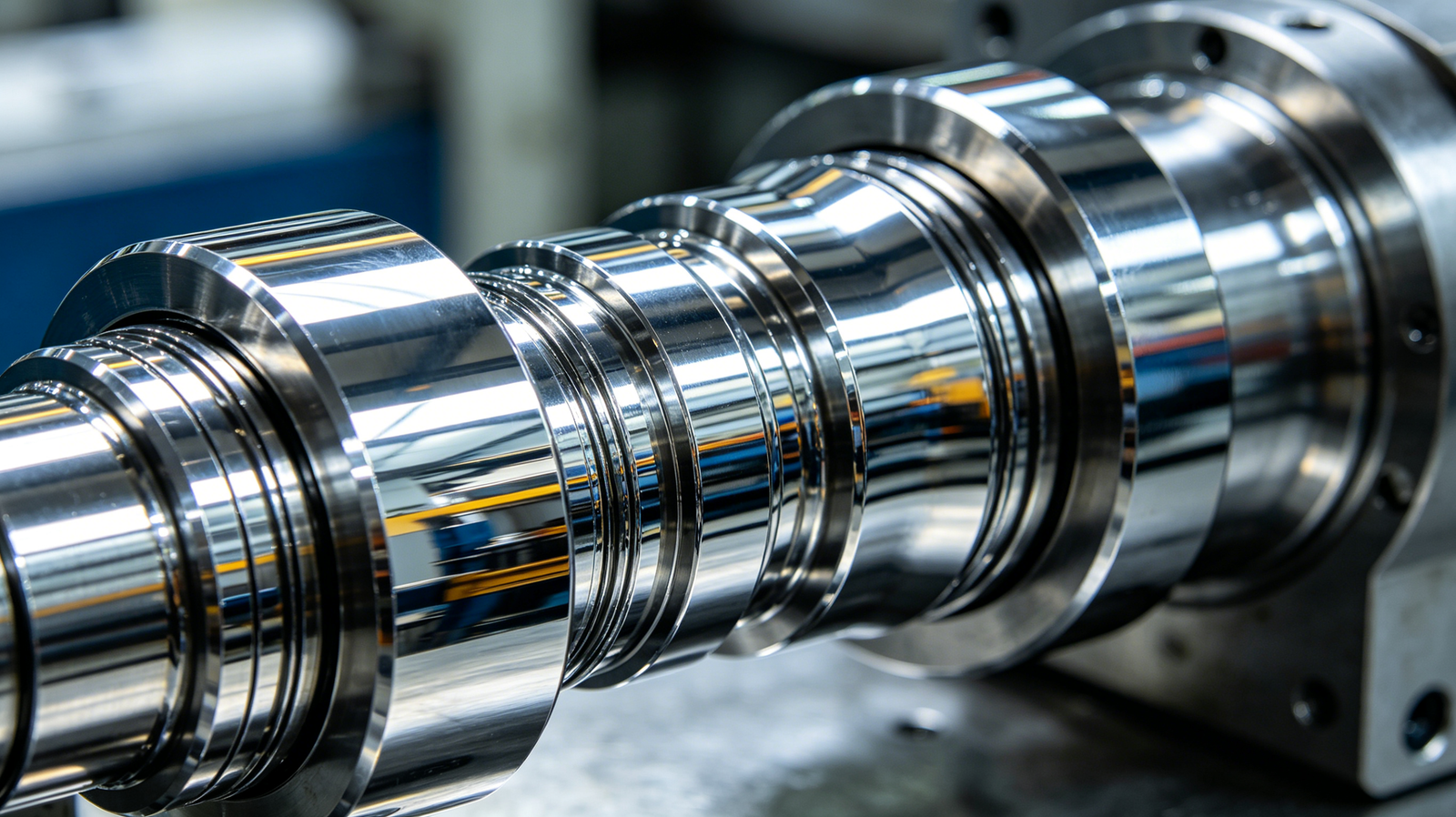
Complex geometry components usually involve multiple machining directions and special structural features. Without proper process planning, manufacturers may encounter poor surface finish, premature tool wear, and reduced production efficiency. Xiamen Ruicheng reduces manufacturing uncertainty through DFM analysis, machining simulation, and process verification. A well-designed machining strategy significantly reduces failure risks during complex component production.
Tool Collision Risk: Complex surfaces and deep grooves require accurate tool movement planning.
Machining Vibration Problems: Incorrect cutting parameters can create chatter and affect surface finish.
Insufficient Workholding Support: Thin wall or irregular parts may deform during clamping.
Material Machining Challenges: Different materials require specific cutting strategies to maintain tool life and stability.
📌 Successful complex machining depends on combining engineering experience with manufacturing discipline.
How Can Manufacturers Reduce Quality Risks When Machining Complex Geometry Parts?
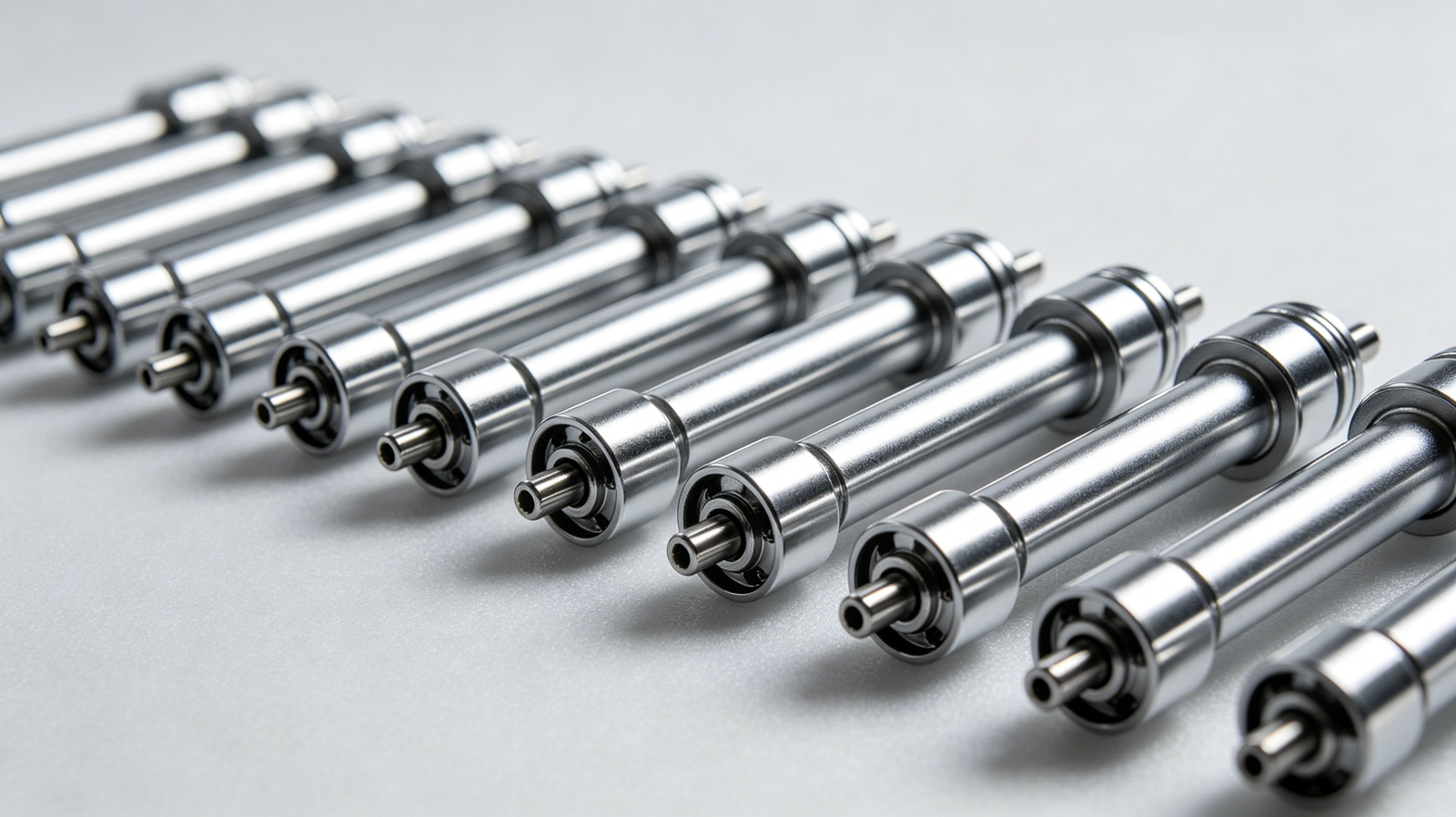
Reducing machining risks for complex geometry parts requires evaluation of supplier engineering capability, equipment resources, and quality management systems. Xiamen Ruicheng applies GD&T standards, CMM inspection, and first article validation processes to ensure components meet design requirements. Preventive risk control during the engineering stage is more effective than costly corrections after production.
Engineering Design Review: Potential risks related to structure, material, and machining methods are identified before production.
Process Quality Control: In-process inspection helps detect dimensional changes during manufacturing.
Precision Measurement Capability: CMM inspection verifies critical dimensions and geometric tolerances.
Production Consistency Management: Quality records ensure repeatable performance across production batches.
📌 A reliable machining supplier provides solutions that reduce manufacturing uncertainty, not just finished parts.
Common CNC Machining Risks for Complex Geometry Parts
| Risk Type | Main Cause | Production Impact | Control Method |
|---|---|---|---|
| Dimensional Deviation | Thermal change, tool movement | Assembly failure | CMM inspection |
| Surface Defects | Vibration, incorrect parameters | Poor surface quality | Tool path optimization |
| Tool Damage | Excessive cutting load | Increased production cost | Cutting parameter adjustment |
| Workpiece Deformation | Weak clamping support | Reduced accuracy | Custom fixtures |
For companies developing high-precision complex geometry parts, selecting a supplier with strong engineering capability is more important than simply comparing machining costs. Xiamen Ruicheng provides integrated manufacturing support from design evaluation and precision machining to quality inspection. With more than 200 skilled manufacturing professionals and comprehensive OEM/ODM capabilities, RuiCheng supports global customers with complex industrial and automotive applications. If you are evaluating a complex CNC machining project, contact us for professional engineering support.
How to Choose a Supplier Capable of Machining Complex Geometry Parts?
A supplier’s capability for complex geometry machining is not only determined by machine quantity but also by engineering experience, quality systems, and problem-solving ability. When selecting a manufacturing partner, buyers should evaluate whether the supplier can provide complete support including DFM analysis, prototype validation, production control, and quality traceability. A dependable CNC machining supplier helps reduce project risks instead of simply manufacturing according to drawings.
1.Evaluate Engineering Analysis Capability: Confirm whether the supplier can identify design, material, and machining risks before production.
2.Verify Manufacturing Equipment Capability: Check whether the supplier has experience with multi-axis machining, precision manufacturing, and complex structures.
3.Review Quality Control Systems: Confirm the availability of CMM inspection, first article inspection, and production quality records.
4.Assess Project Support Capability: Strong suppliers can participate in product optimization and provide manufacturing recommendations.
FAQ: Common Questions About Complex Geometry CNC Machining Risks
Question 1: What are the most common quality problems when machining complex geometry parts?
Answer: Common issues include dimensional variation, poor surface finish, tool wear, and machining deformation. Professional manufacturers reduce these risks through engineering analysis, process optimization, and inspection procedures.
Question 2: What information should buyers provide when ordering complex CNC machined parts?
Answer: Customers should provide 3D CAD models, technical drawings, material specifications, tolerance requirements, and expected quantities. Complete technical information allows suppliers to complete process evaluation and quotation faster.
Question 3: How can suppliers maintain quality for low-volume complex parts?
Answer: Low-volume production requires first article validation, critical dimension inspection, and machining records to ensure repeatable manufacturing results.
Question 4: What should happen if CNC machined parts fail dimensional inspection?
Answer: A professional manufacturer should analyze inspection data, identify the root cause, and adjust tooling, machining parameters, fixtures, or process methods to prevent repeated issues.
Question 5: How does Xiamen Ruicheng support complex geometry machining projects?
Answer: Xiamen Ruicheng provides integrated manufacturing solutions including engineering support, CNC precision machining, surface finishing, and quality inspection to help customers reduce development and production risks.
Conclusion
Machining complex geometry parts is not only about completing one successful production run but also about creating a stable and repeatable manufacturing process. Through optimized machining strategies, advanced CNC technology, and strict quality control, manufacturers can reduce dimensional errors, production failures, and delivery risks. Choosing a supplier with strong engineering expertise and quality management capability is essential for improving complex part manufacturing success.
For expert assistance in implementing for your production needs, visit our resource center or contact us. Let’s help you scale up your manufacturing with precision and efficiency!