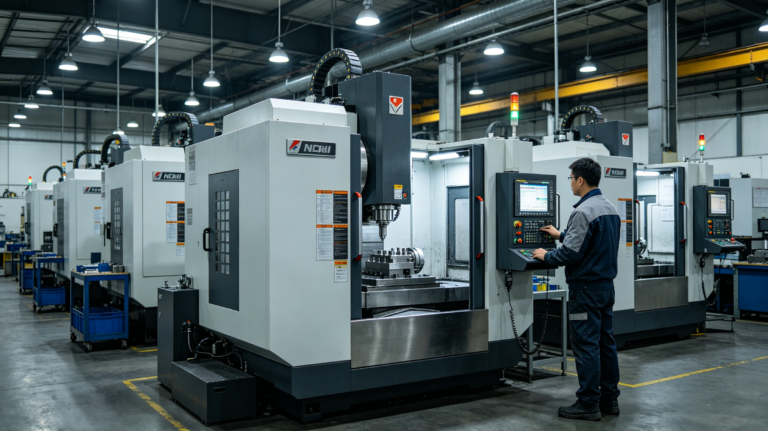
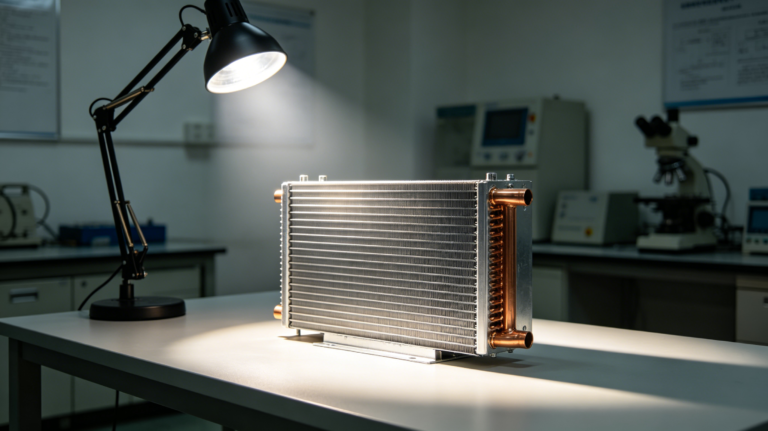
Introduction
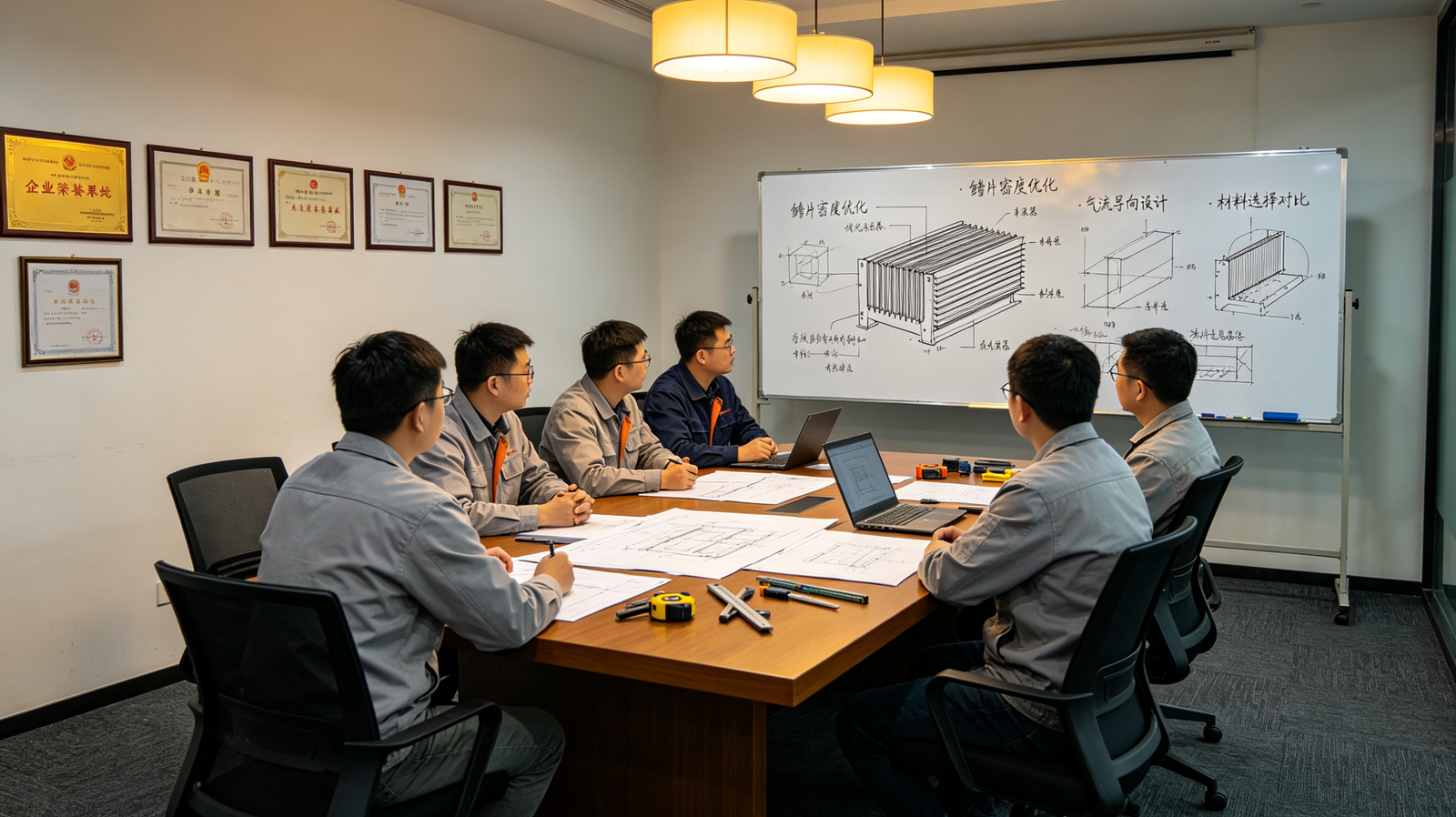
In automotive components, industrial equipment, and new energy product development, die cast parts usually require design verification, functional testing, and pilot production before entering mass manufacturing. Compared with suppliers that only provide high-volume production, a die casting manufacturer with prototype capability can identify structural issues earlier and reduce tooling modification costs and production risks.Selecting a die casting supplier with prototype development capability helps companies shorten product development cycles and improve mass production success rates. As an experienced manufacturing partner, Xiamen RuiCheng focuses not only on final part delivery but also on the complete development process, including design evaluation, prototype validation, and production transition.
For engineering teams and project managers, supplier selection should not only focus on equipment lists or quotations. The key is whether the supplier can participate in product development decisions and provide technical guidance. Without prototype support, potential design issues may only appear during mass production, creating additional delays and unexpected costs.A reliable die casting supplier should act as a technical development partner rather than only a component manufacturer.
Why Does Choosing a Die Casting Supplier with Prototype Capability Reduce Development Risks?

During new product development, die casting prototypes help engineering teams verify part structures, assembly relationships, and functional performance before investing in production tooling. Traditional die casting production usually requires dedicated molds, meaning design changes after tooling can become expensive. Therefore, using rapid prototyping solutions and early-stage validation allows potential problems to be discovered sooner. A die casting supplier with strong prototype capability helps customers confirm manufacturability before large-scale production investment. Xiamen RuiCheng combines die casting manufacturing services with engineering evaluation to support customers from design validation through production ramp-up.
Design Validation Capability: Prototype parts allow teams to confirm whether structures meet assembly and functional requirements.
Manufacturing Feasibility Analysis: Experienced suppliers can identify issues related to wall thickness, draft angles, and structural complexity.
Cost Risk Control: Making adjustments during prototype stages is significantly less expensive than modifying production tooling.
Development Cycle Optimization: Fast prototype validation helps projects move forward more efficiently.
🔧 Choosing a die casting supplier with prototype capability makes product development more predictable and reduces costly production changes.
How Can You Evaluate Whether a Die Casting Supplier Has Real Prototype Manufacturing Capability?
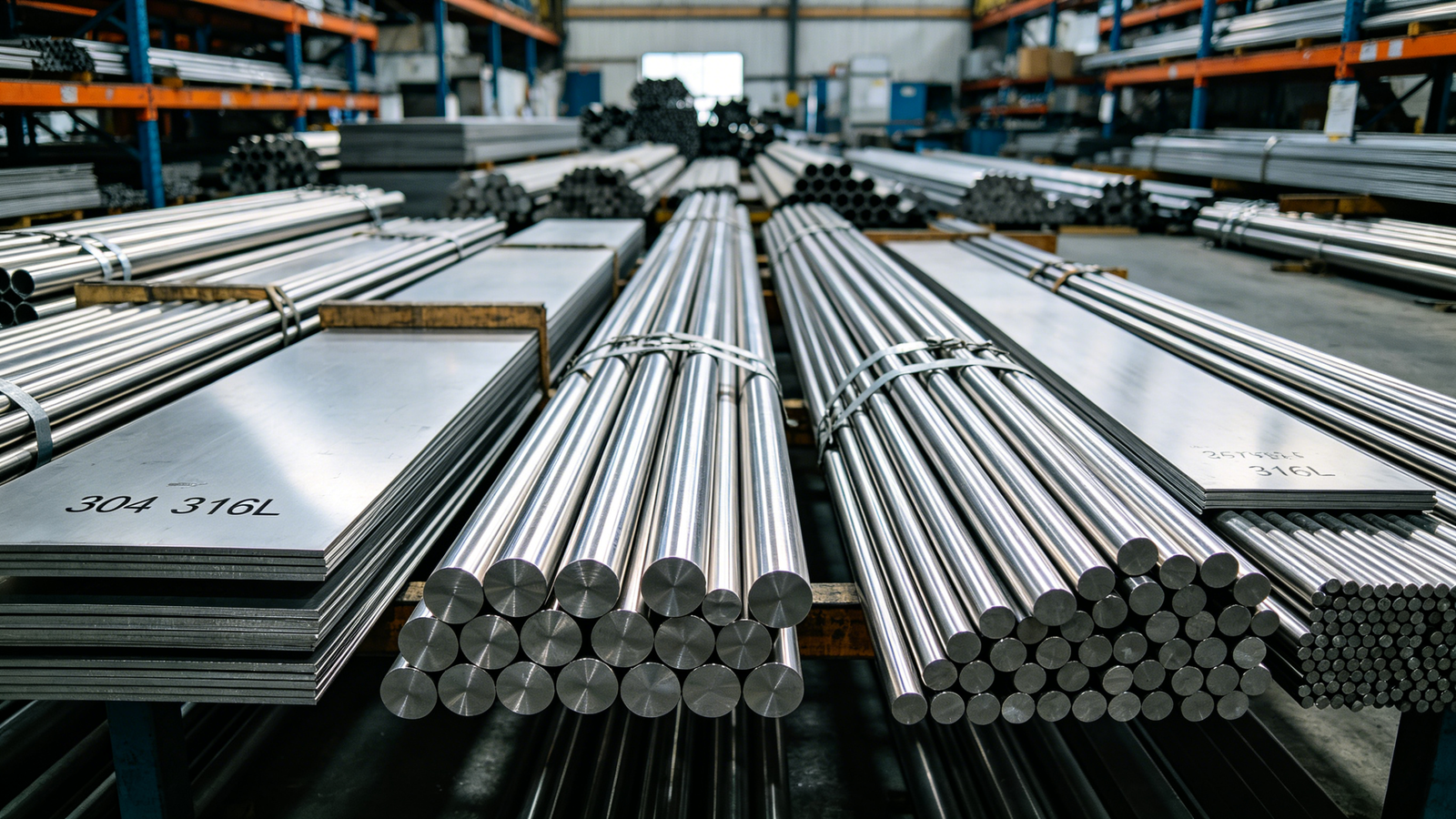
Many suppliers promote rapid prototyping services, but buyers need to evaluate their actual engineering capability, including prototype methods, equipment resources, and project experience. A capable supplier should not only produce sample parts but also understand development challenges such as DFM analysis, material selection, and tooling optimization. Real prototype capability should be demonstrated through a complete process from design review to functional validation. At Xiamen RuiCheng, engineering teams participate in early project discussions and develop appropriate validation approaches based on customer requirements.
Prototype Manufacturing Methods: Suppliers should select suitable prototype approaches according to different product development stages.
Engineering Analysis Capability: Experienced teams can identify manufacturing risks before production begins.
Testing and Validation Process: Structured testing confirms whether prototype parts achieve design objectives.
Project Experience: Previous industry experience demonstrates the supplier’s ability to solve complex manufacturing challenges.
🔧 Prototype capability should be evaluated through actual engineering processes and problem-solving experience, not only supplier claims.
Why Is Prototype Capability Important for Successful Die Casting Mass Production?
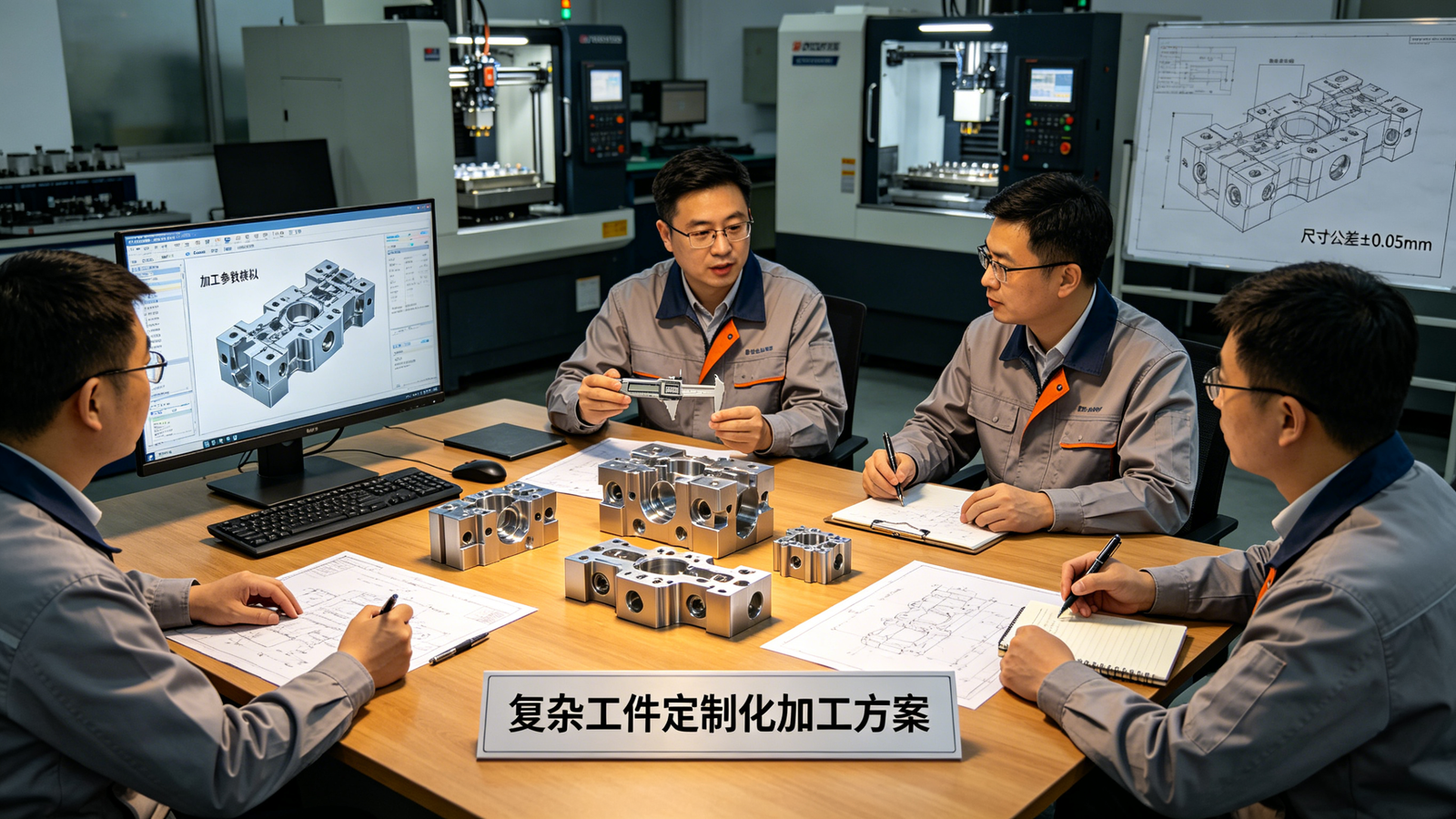
The transition from prototype parts to mass production involves many challenges. Problems discovered after production tooling is completed can lead to expensive modifications and production delays. A supplier with prototype capability can optimize casting methods, part structures, and manufacturing requirements earlier, making the final production process more stable. Prototype validation creates a critical connection between product design and large-scale manufacturing. Xiamen RuiCheng uses development-stage data and engineering feedback to help customers reduce uncertainty during production launch.
Tooling Development Preparation: Prototype validation results provide valuable information for production mold design.
Process Parameter Optimization: Early testing helps establish suitable manufacturing conditions.
Quality Risk Reduction: Detecting problems earlier prevents large-scale production defects.
Supply Chain Stability Improvement: A complete development process improves delivery reliability.
🔧 Prototype development is not an additional expense but an investment that reduces mass production failure risks.
Key Factors for Evaluating Die Casting Prototype Capabilities
| Evaluation Area | Key Focus | Potential Risk | Supplier Capability |
|---|---|---|---|
| Prototype Manufacturing | Sample validation speed | Longer development cycle | Fast response capability |
| Engineering Support | DFM analysis ability | More design changes | Technical involvement |
| Testing Process | Validation methods | Production problems | Data-based improvement |
| Production Transition | Manufacturing stability | Delivery risks | Production management |
If you are looking for a die casting partner that can support prototype validation and mass production transition, Xiamen RuiCheng provides complete engineering support. Please contact us for professional project evaluation.
How Can Companies Build a Reliable Die Casting Supplier Partnership?
Selecting a die casting supplier requires evaluating not only current prototype delivery but also long-term manufacturing capability. From the beginning of a project, suppliers should participate in design communication, process optimization, and production planning to ensure a smooth transition from development to mass manufacturing. A stable supplier partnership helps companies reduce manufacturing risks and improve product launch efficiency.
1.Requirement Communication: Provide product drawings, material requirements, application conditions, and expected purchasing volumes.
2.Engineering Evaluation: The supplier reviews product structures and provides manufacturing improvement suggestions.
3.Prototype Validation: Prototype parts are tested to confirm design and manufacturing solutions.
4.Production Preparation: Complete tooling development, process verification, and quality planning before mass production.
Frequently Asked Questions
Question 1: What advantages does your die casting prototype service provide?
Answer: Xiamen RuiCheng provides complete support from product structure analysis and prototype validation to mass production transition. Our engineering team combines material selection, process optimization, and quality inspection methods to help customers reduce development risks.
Question 2: What information should we provide when developing die casting parts?
Answer: Customers usually need to provide 3D CAD files, application requirements, material specifications, expected order quantities, and critical performance requirements. Xiamen RuiCheng engineers review these details and provide manufacturing recommendations.
Question 3: How are delivery schedules arranged for different project stages?
Answer: Prototype and production timelines depend on part complexity, validation requirements, and manufacturing methods. Xiamen RuiCheng manages prototype projects and mass production separately to maintain both development speed and quality consistency.
Question 4: How do you support improvements if prototype testing reveals problems?
Answer: Xiamen RuiCheng analyzes prototype test results, engineering feedback, and manufacturing data to identify root causes and provide solutions such as structural optimization, process adjustments, or tooling improvements.
Question 5: Do you provide one-stop services from prototype development to mass production?
Answer: Xiamen RuiCheng supports the complete manufacturing process, including design evaluation, prototype production, tooling development, pilot validation, and mass production, helping customers reduce supplier coordination costs.
Conclusion
Selecting a die casting supplier with prototype capability allows companies to identify potential issues earlier and reduce tooling and production risks. For engineering teams, supplier development capability and technical involvement are often more valuable than simply comparing production prices. A reliable die casting partner connects product design, validation testing, and scalable manufacturing into one controlled process. Xiamen RuiCheng provides professional die casting solutions supported by engineering expertise and complete product development experience.
For expert assistance in implementing die casting prototype and production needs, visit our resource center or contact us. Let’s help you scale up your manufacturing with precision and efficiency!