Introduction
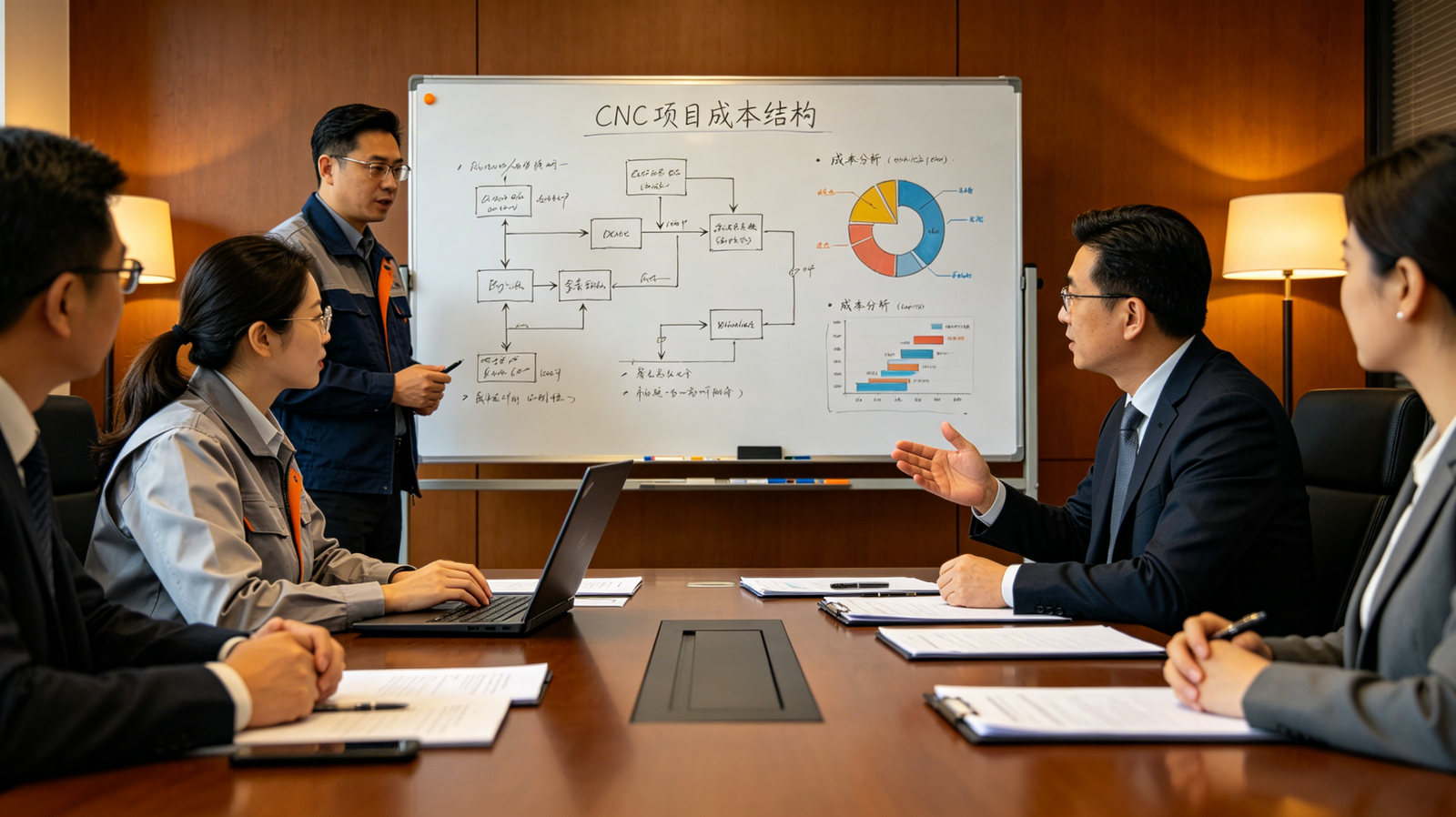
In automotive components, industrial equipment, and consumer electronics development, die casting usually represents a major investment before mass production. Since die casting tooling requires significant cost and time, using 3D printed prototypes before mold production allows engineering teams to identify structural, assembly, and functional problems earlier.3D printed prototypes are not only visual models but also important engineering validation tools for reducing die casting development risks. At Xiamen RuiCheng, we combine rapid prototyping, DFM analysis, and die casting process evaluation to help customers minimize tooling modifications and production risks.
For product development teams, many die casting failures are not caused by manufacturing capability limitations but by insufficient design validation during the early development stage. Problems such as incorrect wall thickness, assembly interference, and insufficient machining allowance can create expensive delays if discovered after tooling completion.Early prototype validation helps customers enter die casting production with greater confidence and fewer unexpected changes.
What Design Problems Can 3D Printed Prototypes Detect Before Die Casting?
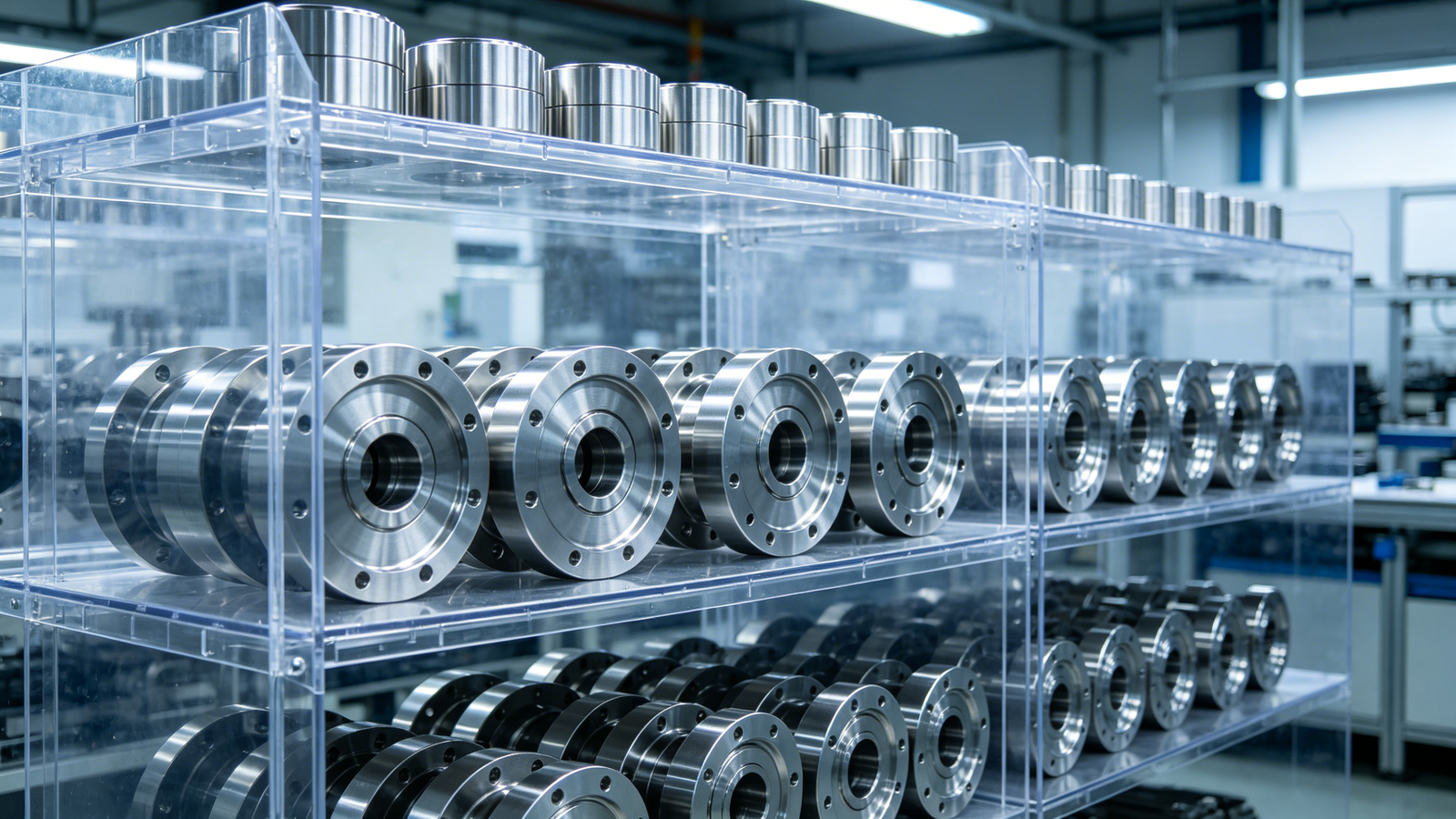
3D printed prototypes allow engineering teams to verify product structures before die casting tooling begins, including overall dimensions, assembly relationships, and functional requirements. For complex metal components, 3D printing rapid prototyping enables fast physical models that can reveal potential risks before entering the die casting manufacturing process. Early design validation helps prevent expensive modifications after tooling investment. Xiamen RuiCheng recommends prototype testing before production tooling to improve project success rates.
Dimensional Verification: 3D printed models allow engineers to confirm whether overall dimensions match design expectations.
Assembly Compatibility Testing: Prototype parts help identify interference issues between components before mass production.
Ergonomic Evaluation: Physical models allow teams to verify handling comfort and user interaction for handheld products.
Design Improvement Feedback: Real prototype testing provides practical feedback for structural optimization.
🌱 3D printed prototypes help engineering teams discover hidden design issues before investing in expensive die casting tooling.
How Do 3D Printed Prototypes Reduce Die Casting Tooling Risks?
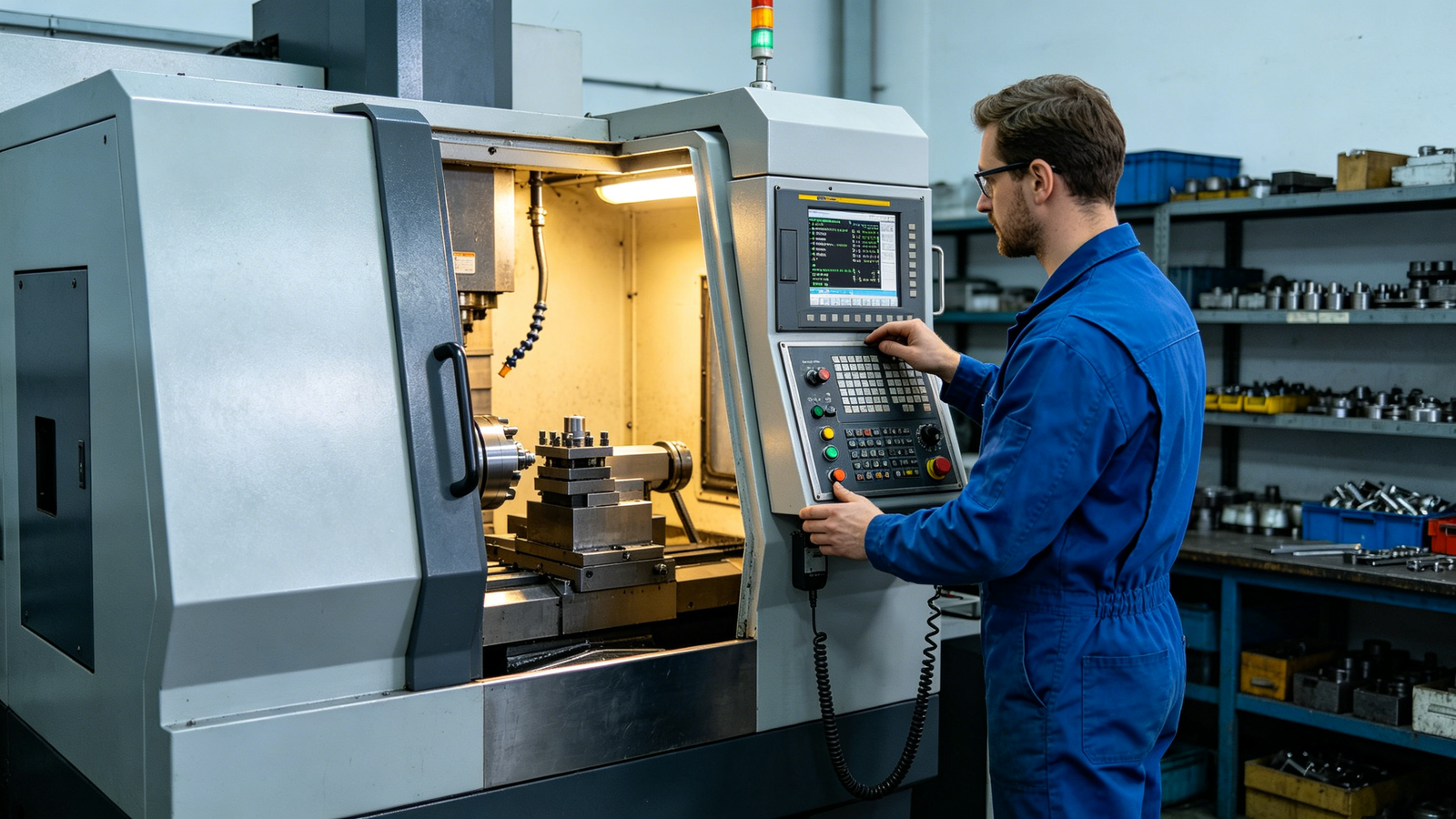
Die casting molds require significant development investment, and design errors can lead to costly modifications, tooling rework, and additional validation cycles. By using 3D printed prototypes before mold manufacturing, engineering teams can confirm important design details and reduce future changes. Prototype validation transfers design risks from the expensive production stage to a lower-cost development stage. Xiamen RuiCheng helps customers establish more reliable die casting development workflows through prototype testing and engineering analysis.
Tooling Structure Review: Prototype models help confirm draft directions, installation space, and structural feasibility.
Tolerance Evaluation: Prototype testing helps identify whether critical dimensions require further optimization.
Assembly Process Validation: Early assembly simulation reduces adjustment requirements during production.
Development Cost Control: Fewer tooling modifications help reduce overall project expenses.
🌱 3D prototype validation creates a connection between product design and die casting production while reducing unpredictable development risks.
What Die Casting Performance Issues Can 3D Printed Prototypes Identify?
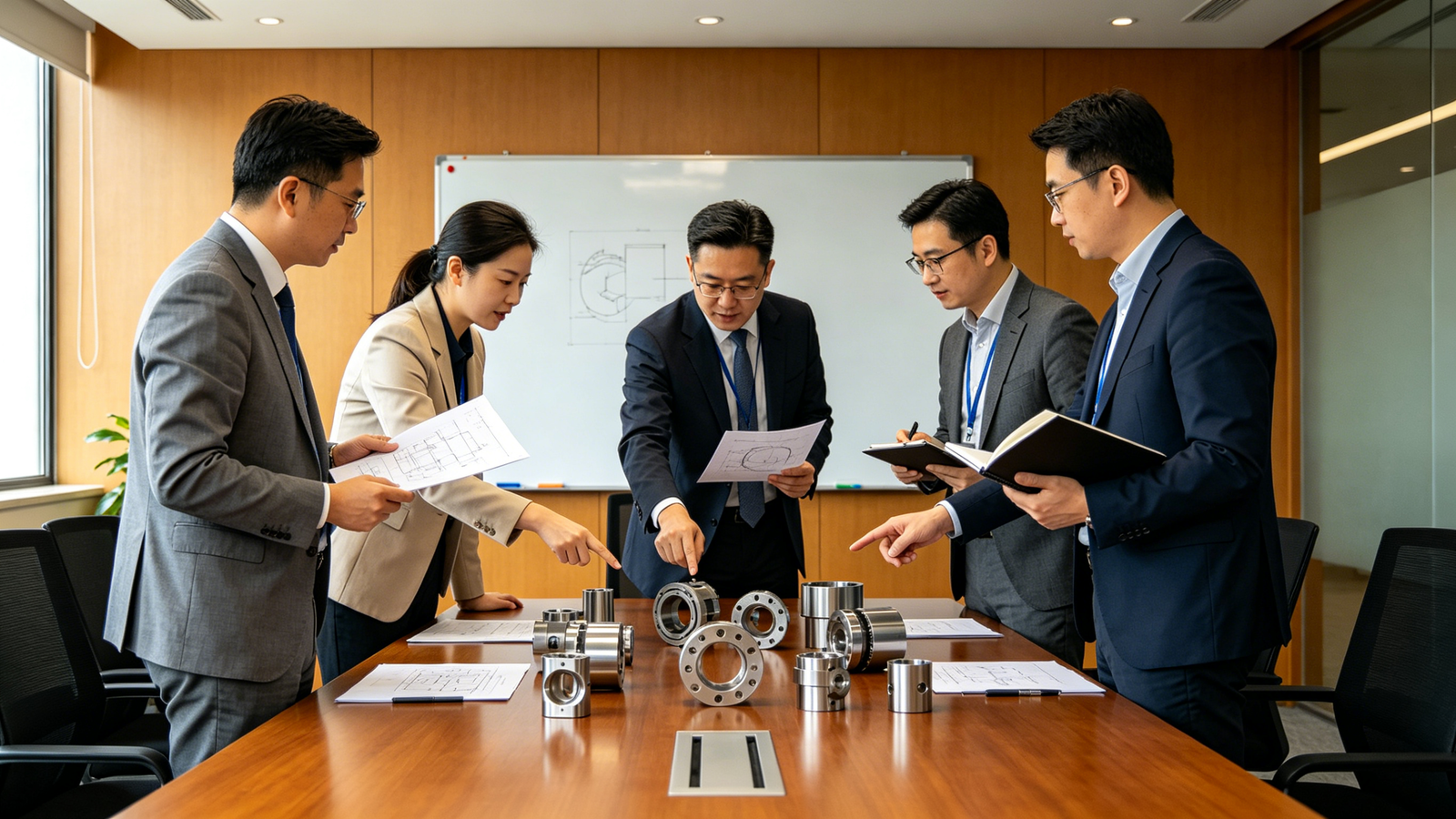
Although 3D printing materials cannot fully replace die casting alloys, prototypes can help engineering teams identify manufacturing-related concerns before production. Issues related to wall thickness variation, rib design, and mounting interfaces can be evaluated through prototype testing. During metal die casting services development, Xiamen RuiCheng combines product analysis and manufacturing experience to determine which risks should be addressed before mass production. Proper prototype validation improves the probability of achieving successful die casting production.
Wall Thickness Problems: Prototypes help verify whether structures contain excessively thick or thin areas.
Filling Risk Evaluation: Engineering analysis can predict potential filling challenges during die casting.
Functional Interface Checking: Prototype models verify holes, mounting points, and connection features.
Appearance Confirmation: Physical models help customers evaluate product proportions and visual design.
🌱 Pre-casting validation focuses not only on appearance but also on identifying structural issues that affect manufacturing stability.
Comparison of Development Risks Between 3D Prototypes and Direct Die Casting
| Validation Item | 3D Printed Prototype | Direct Die Casting Trial | Risk Impact | Optimization Direction |
|---|---|---|---|---|
| Design Verification | Fast completion | Higher investment | Reduces modification risks | Adjust design earlier |
| Assembly Testing | Easy to perform | Difficult to modify | Reduces rework | Confirm interfaces |
| Cost Control | Lower initial cost | High tooling expense | Reduces development cost | Validate in stages |
| Project Timeline | Quick feedback | Longer cycle | Avoids delays | Optimize development |
If your die casting project is entering the design validation stage, Xiamen RuiCheng provides complete support from prototype development and structural optimization to production manufacturing. Please contact us for professional engineering evaluation.
How Can 3D Printed Prototypes Improve Die Casting Project Success?
The greatest value of 3D printed prototypes is helping product teams establish a more reliable development process. Adding a validation stage between concept design and die casting production reduces time loss and cost caused by design mistakes. A capable manufacturer should not only produce parts but also help customers reduce uncertainty throughout the entire development process.
1.Design Validation Stage: Confirm structural dimensions and assembly relationships through prototype models.
2.Engineering Review Stage: Analyze manufacturability and optimize critical design details.
3.Tooling Development Stage: Adjust mold concepts based on prototype verification results.
4.Production Preparation Stage: Ensure products are ready for stable mass manufacturing.
Frequently Asked Questions
Question 1: What are the key advantages of your 3D printed prototype service?
Answer: Xiamen RuiCheng combines rapid prototyping, engineering evaluation, and die casting analysis to help customers identify design risks earlier, reduce tooling changes, and improve production readiness.
Question 2: What information should we provide for a die casting project?
Answer: Customers typically provide 3D CAD files, application requirements, material expectations, dimensional standards, and estimated production quantities. Xiamen RuiCheng engineers review these details for structural analysis and manufacturing feasibility.
Question 3: How do prototype and die casting timelines vary between project stages?
Answer: Project schedules depend on product complexity, validation requirements, and production volume. Prototype development is used for rapid design verification before moving into tooling and mass production.
Question 4: How do you support design improvements after prototype testing?
Answer: Xiamen RuiCheng engineering teams analyze prototype feedback, identify root causes, and provide structural improvement suggestions and die casting process recommendations.
Question 5: Do you provide one-stop service from prototype to mass production?
Answer: Xiamen RuiCheng supports rapid prototyping, tooling manufacturing, die casting production, and secondary processing services to provide complete manufacturing solutions based on customer project requirements.
Conclusion
The value of 3D printed prototypes in die casting projects is not limited to producing samples quickly. More importantly, prototypes provide an engineering decision tool that helps companies identify design and manufacturing risks before large investments are made. For customers focused on reducing development costs and accelerating product launch, prototype validation is an essential step.By discovering potential problems early and optimizing designs before tooling, companies can significantly improve die casting project success rates. Xiamen RuiCheng combines engineering expertise and complete manufacturing capabilities to provide reliable die casting development support.
For expert assistance in implementing your die casting production needs, visit our resource center or contact us. Let’s help you scale up your manufacturing with precision and efficiency!