Introduction
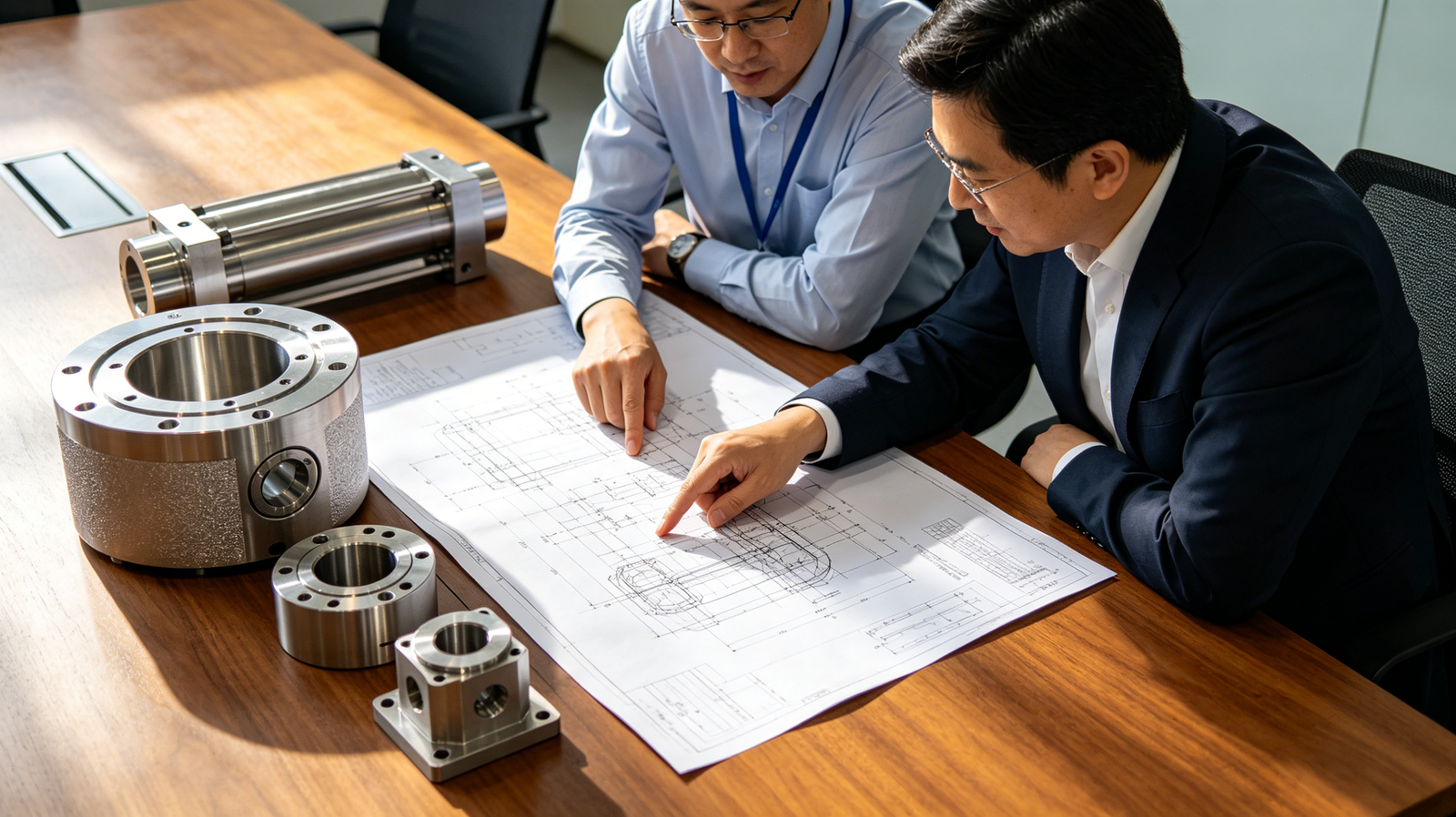
In metal component development, companies must balance product validation speed, development cost, and mass production reliability. Traditional die casting relies on tooling development and trial production, which delivers excellent manufacturing efficiency but requires higher upfront investment and longer preparation time. As product innovation cycles become shorter, rapid prototyping has become an important method for engineering teams to reduce development uncertainty.Rapid prototyping does not replace die casting production but helps companies validate designs before investing in expensive tooling. At Xiamen RuiCheng, we combine rapid prototyping, CNC machining, and die casting capabilities to help customers minimize design risks and improve the success rate of moving products into mass production.
For automotive components, industrial equipment, robotics, and consumer electronics projects, selecting the right development approach directly affects project timelines and investment returns. If a product enters die casting tooling development before sufficient validation, any structural design change may result in additional tooling costs and production delays.A well-planned combination of rapid prototyping and traditional die casting allows companies to reduce development risks while maintaining reliable production capabilities.
Why Does Rapid Prototyping Reduce Die Casting Development Risks?
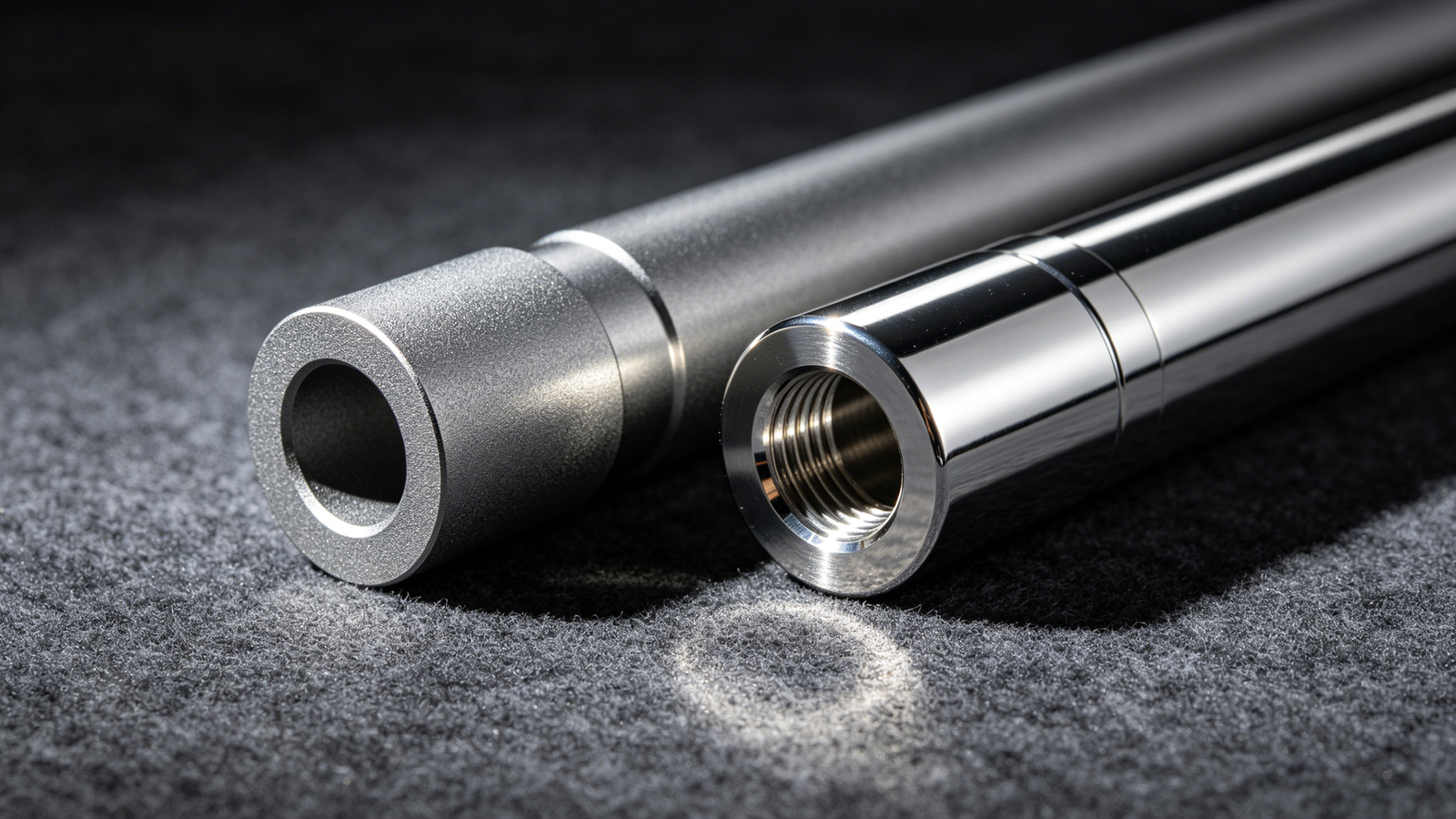
Rapid prototyping allows engineering teams to quickly obtain physical samples before investing in die casting tooling. Compared with directly entering the die casting manufacturing stage, rapid prototyping helps identify design issues earlier and reduces expensive tooling modifications. Through rapid prototype manufacturing, companies can quickly evaluate product structure, assembly performance, and functional requirements before finalizing production decisions. The biggest value of rapid prototyping is not replacing mass production processes but reducing uncertainty before manufacturing investment. Xiamen RuiCheng evaluates each project stage and recommends the most suitable validation approach to improve development efficiency.
Design Validation Speed: Rapid prototypes allow engineers to verify dimensions, structures, and assembly conditions before production.
Cost Risk Reduction: Identifying design problems early prevents expensive tooling corrections later.
Engineering Communication Improvement: Physical samples provide a clearer reference for designers, engineers, and customers.
Shorter Development Cycles: Faster sample availability accelerates product verification and decision-making.
🌱 Rapid prototyping transforms uncertain product development into a more predictable manufacturing process.
Why Is Traditional Die Casting Still Suitable for Mass Production?
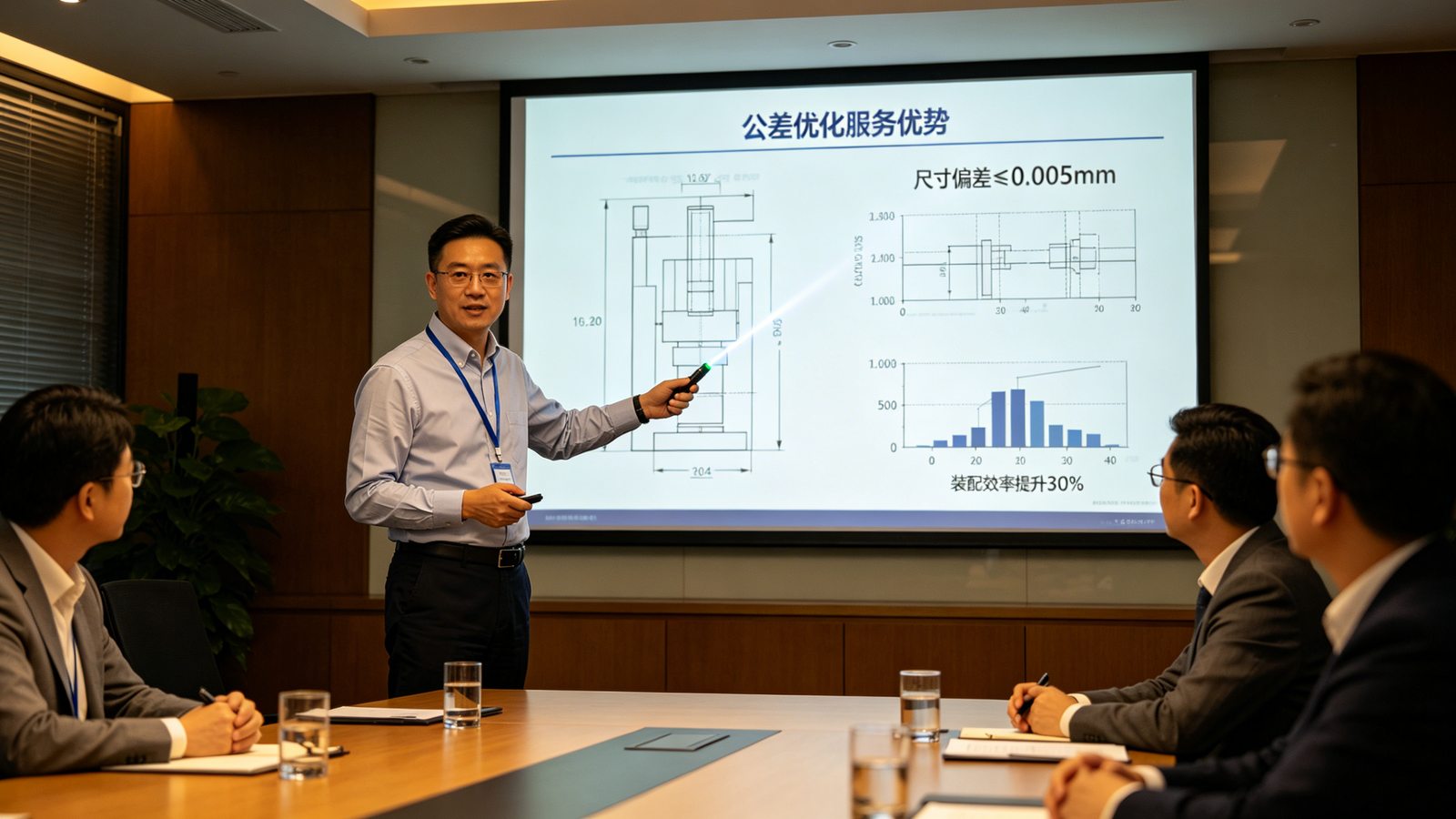
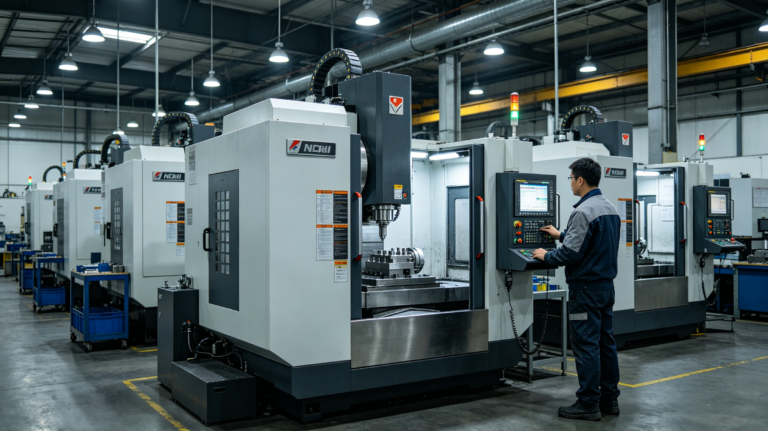
Although traditional die casting requires investment in tooling design, manufacturing, and testing, it remains one of the most effective solutions for large-scale metal production. For automotive structural components, industrial housings, and high-strength metal parts, die casting provides excellent dimensional consistency, production efficiency, and material performance. Once product design has been fully validated, traditional die casting becomes a powerful solution for scalable manufacturing. Xiamen RuiCheng supports customers through tooling development, process optimization, and production control to ensure smooth transition from prototypes to mass production.
High Production Efficiency: Completed die casting tooling enables fast and repeatable manufacturing.
Consistent Product Quality: Stable molds help maintain dimensional accuracy across large production volumes.
Material Performance Benefits: Aluminum and zinc alloys provide strength and durability for demanding applications.
Lower Long-Term Cost: Higher initial tooling investment can be offset by reduced unit cost during mass production.
🌱 Traditional die casting is the ideal solution for mature products requiring stable and high-volume manufacturing.
Why Does Combining Rapid Prototyping and Die Casting Improve Project Success?
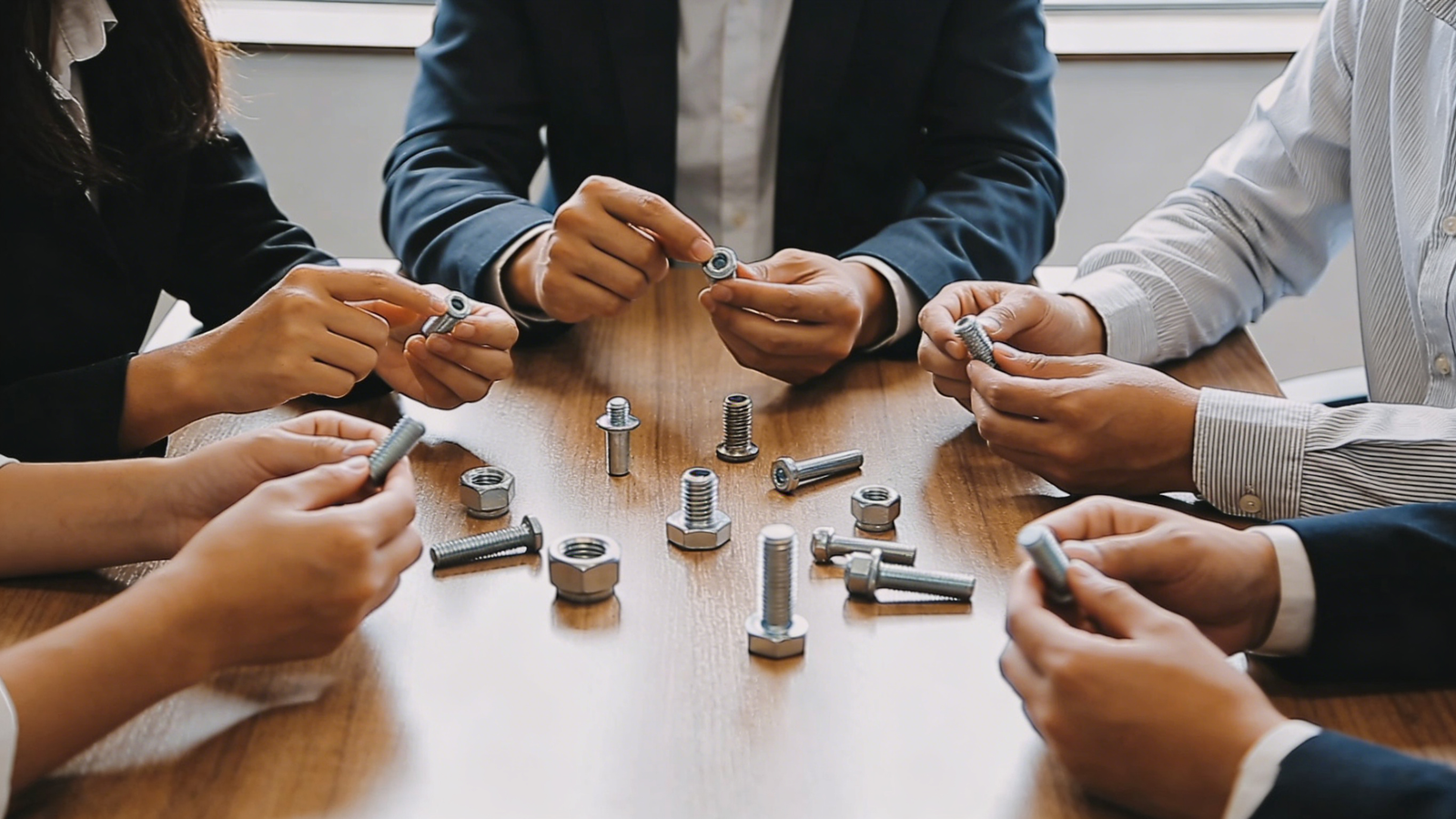
Modern manufacturing projects increasingly combine rapid prototyping with traditional die casting to achieve both development speed and production reliability. Rapid prototyping supports early verification, while die casting provides efficient mass production after design approval. For complex metal components, directly entering tooling development without sufficient validation can create significant modification costs and project delays. A capable manufacturing partner provides not only production services but also engineering guidance throughout the development process. Xiamen RuiCheng helps customers move smoothly from prototype testing to production manufacturing.
Reduce Tooling Changes: Early validation helps identify structural issues before mold investment.
Improve Design Accuracy: Physical prototypes provide real-world testing feedback.
Optimize Supply Planning: Early manufacturing decisions reduce project delays.
Increase Production Success Rate: Validated designs transition more smoothly into mass production.
🌱 Combining rapid prototyping and die casting creates a balanced approach between speed, cost, and quality.
How Should Companies Choose the Right Development Process?
Companies should not simply decide whether rapid prototyping or die casting is better. The correct choice depends on product development stage, production volume, technical requirements, and business objectives. Early development focuses on design validation and risk reduction, while mature products require manufacturing efficiency and cost optimization. Selecting the right development route helps companies avoid unnecessary investment and accelerate commercialization.
1.Concept Validation Stage: Use rapid prototyping to confirm product appearance, structure, and functional requirements.
2.Engineering Optimization Stage: Improve materials, structures, and manufacturing methods based on testing results.
3.Tooling Development Stage: Move into die casting mold design after the product design becomes mature.
4.Mass Production Stage: Apply stable die casting processes for long-term supply.
Frequently Asked Questions
Question 1: What are the key advantages of your rapid prototyping and die casting services?
Answer: Xiamen RuiCheng provides integrated solutions from product validation and rapid prototyping to die casting mass production. Through engineering analysis, material evaluation, tooling optimization, and quality control, we help customers reduce development risks and improve manufacturing success.
Question 2: What information should we provide when developing metal components?
Answer: Customers typically need to provide 3D CAD files, dimensional requirements, material specifications, application conditions, and estimated production quantities. Xiamen RuiCheng engineers evaluate the project information and recommend suitable rapid prototyping or die casting solutions.
Question 3: How do we choose between rapid prototyping and die casting for different production volumes?
Answer: Rapid prototyping is usually suitable for early-stage validation and small-volume testing, while die casting is more suitable for stable mass production. The final solution depends on product complexity, annual demand, and performance requirements.
Question 4: How do you support customers if prototype testing reveals design issues?
Answer: Xiamen RuiCheng analyzes testing feedback and works with customers to optimize product structures and manufacturing methods. If process changes are required, we reassess materials, tooling, and production plans to achieve reliable mass production.
Question 5: Can you support the complete process from prototype development to mass production?
Answer: Yes. Xiamen RuiCheng supports rapid prototyping, CNC machining, tooling development, die casting production, and secondary finishing services, allowing customers to complete projects through one integrated manufacturing partner.
Conclusion
Rapid prototyping and traditional die casting are not competing manufacturing methods. Instead, they provide different advantages at different product development stages. Rapid prototyping reduces early design risks, while die casting enables efficient and stable mass production after product validation.Choosing the right development strategy helps companies reduce tooling risks, accelerate product launch, and build a more reliable supply chain. Xiamen RuiCheng combines engineering expertise and manufacturing capabilities to support customers from initial concept validation to long-term production.
For expert assistance in implementing rapid prototyping and die casting development solutions for your production needs, visit our resource center or contact us. Let’s help you scale up your manufacturing with precision and efficiency!