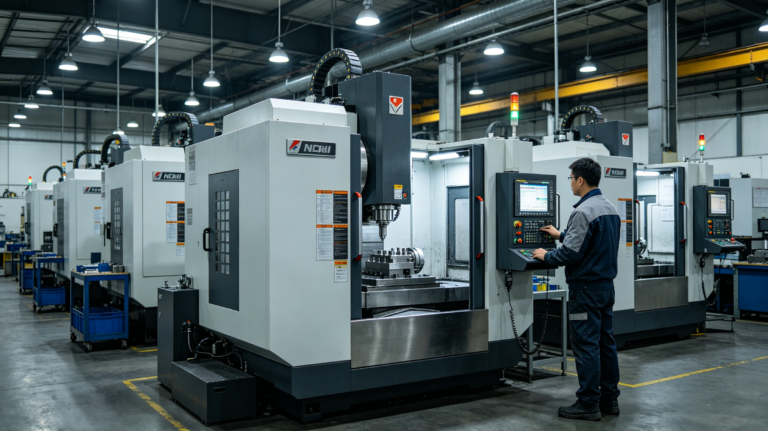
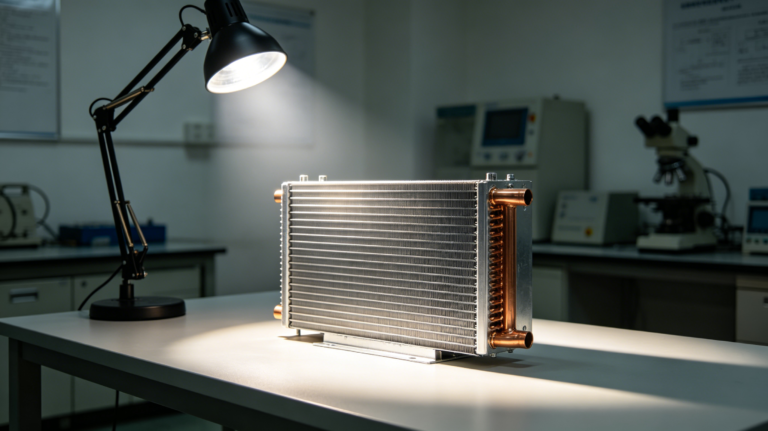
Introduction
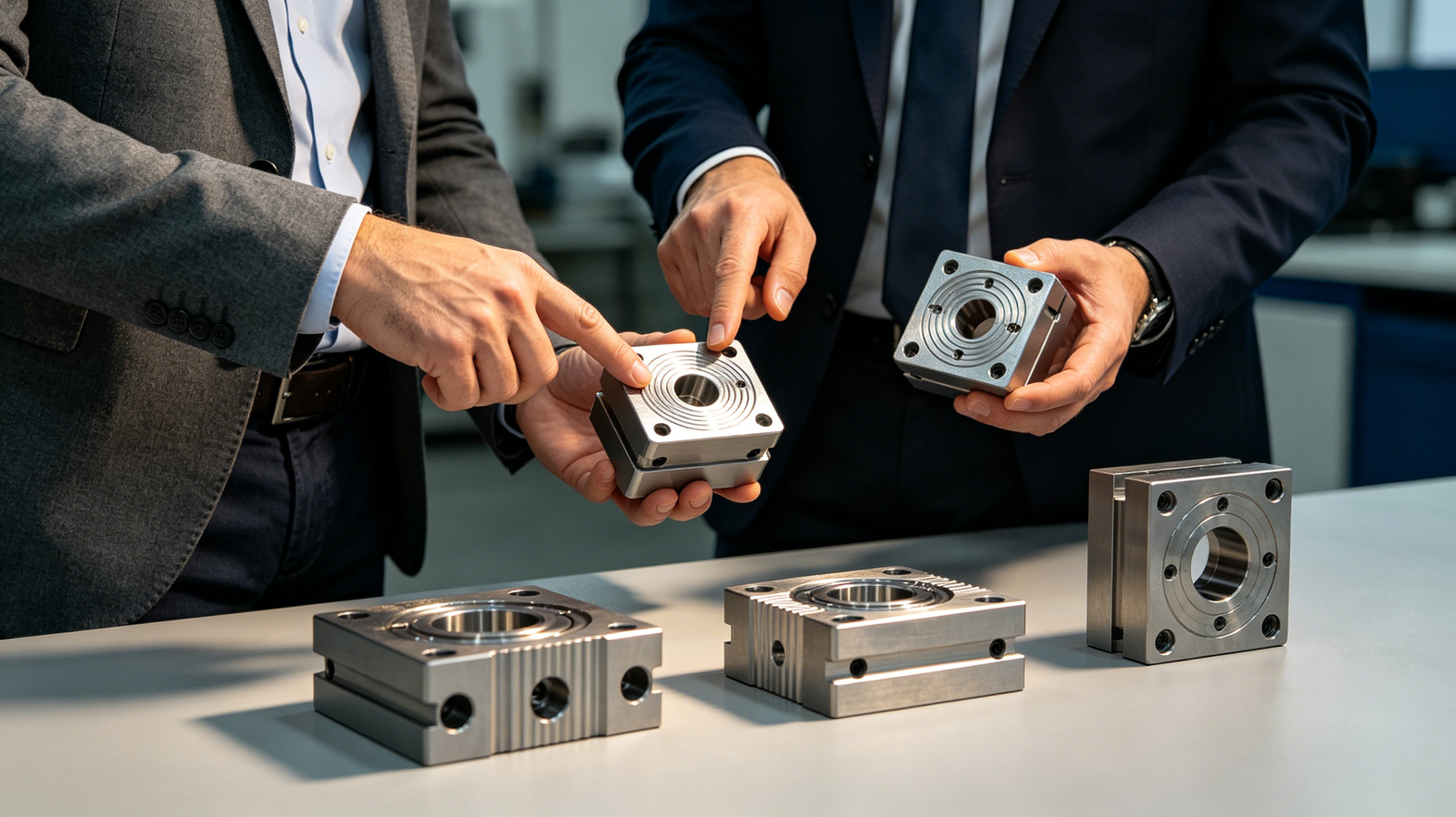
Die casting components are widely used in automotive systems, industrial equipment, electrical products, and new energy applications. The product design directly affects tooling cost, manufacturing efficiency, dimensional accuracy, and long-term production stability. If design issues are not identified before tooling begins, companies may face filling defects, porosity problems, deformation, dimensional variation, and expensive mold modifications.Validating die casting designs before tooling helps companies identify manufacturing risks early and reduce uncertainty during mass production. As an experienced die casting manufacturer, Xiamen RuiCheng supports customers through DFM analysis, engineering reviews, and manufacturing evaluations to improve project success rates.
For product development teams, design validation is not an additional step but an essential risk-control process before investing in tooling. From wall thickness design and material selection to mold manufacturability and secondary machining requirements, every detail can influence final production results.A capable die casting supplier should not only manufacture components but also provide engineering support during the early product development stage.
Why Should You Validate Die Casting Designs Before Tooling?
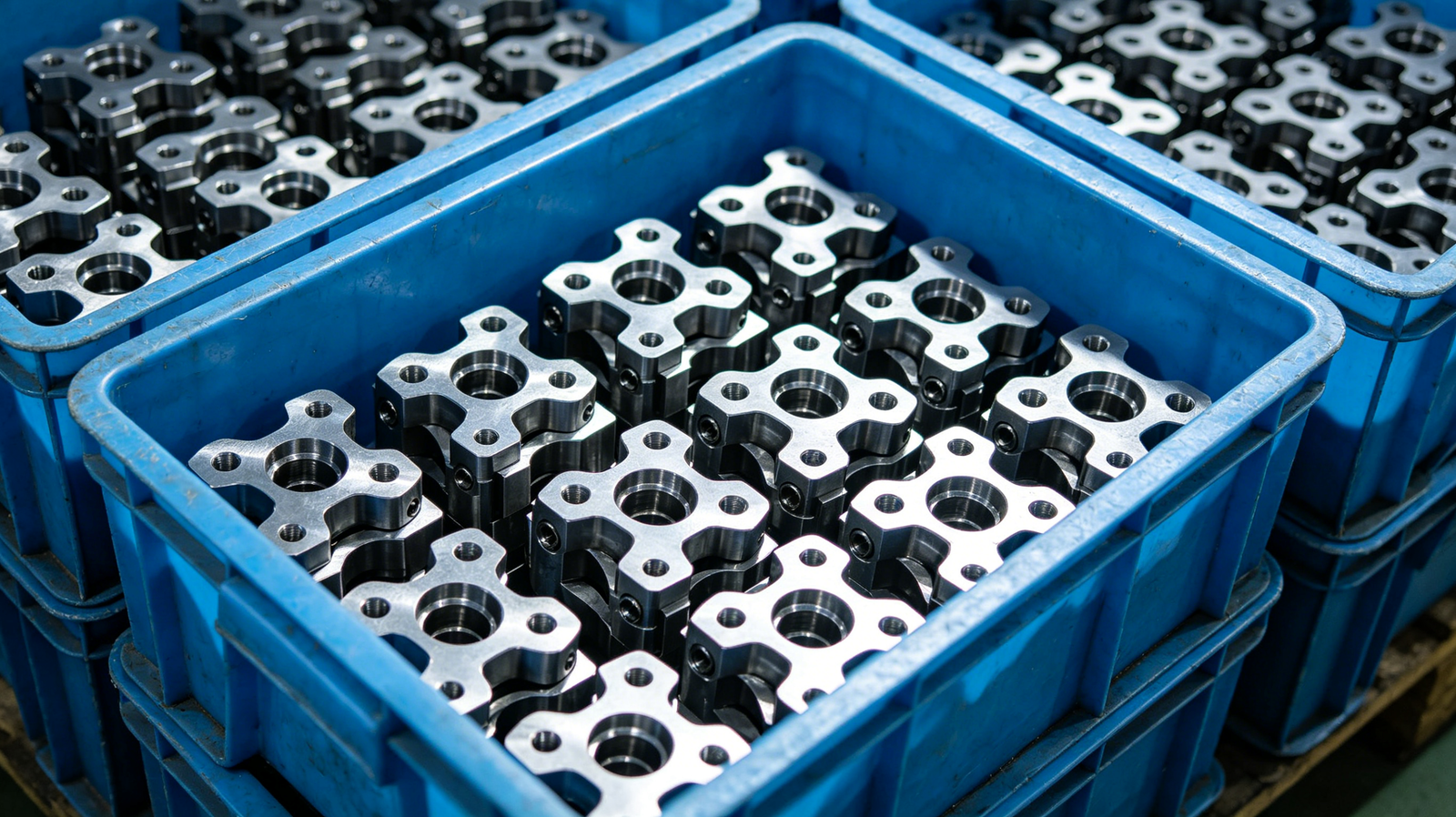
Validating a die casting design before tooling helps identify potential manufacturing problems related to wall thickness, draft angles, gate location, cooling design, and structural complexity. Moving directly into tooling without proper evaluation can result in costly modifications, longer development cycles, and unexpected production challenges. Through die casting DFM analysis and engineering evaluation, manufacturers can identify design risks before mold production begins. Design validation transfers potential problems from the expensive tooling stage to the lower-cost design stage, making the entire development process more controllable. Xiamen RuiCheng combines mold manufacturing experience with engineering expertise to provide practical optimization suggestions.
Manufacturing Feasibility: Design validation confirms whether the part structure is suitable for die casting production.
Filling Performance Analysis: Engineers evaluate metal flow behavior to reduce risks such as porosity, cold shuts, and incomplete filling.
Tooling Life Evaluation: Potential stress areas are analyzed to improve mold durability and reduce premature failure.
Secondary Process Review: Machining, surface finishing, and assembly requirements are confirmed before production.
🔧 Die casting design validation helps companies discover problems before tooling investment and improves overall project success.
Why Do Unvalidated Die Casting Designs Increase Tooling Costs?

Die casting molds require significant investment, and design problems discovered after tooling begins are usually much more expensive to correct. Issues such as incorrect gate location, improper wall thickness, or insufficient shrinkage consideration may require mold modification or even complete redesign. Conducting a design review before tooling manufacturing helps reduce unnecessary development expenses. Early design validation is one of the most effective ways to control die casting project costs and delivery schedules. Xiamen RuiCheng evaluates manufacturing risks based on practical production experience before tooling development.
Reduce Mold Modification: Early design review helps prevent major tooling changes after production begins.
Lower Development Cost: Design adjustments during engineering review are significantly less expensive than mold rework.
Shorten Development Timeline: Fewer trial failures improve new product introduction speed.
Improve Investment Return: Stable designs increase mold utilization and long-term production value.
💡 Design validation protects project budgets by reducing avoidable manufacturing mistakes.
How Does Design Validation Improve Die Casting Production Stability?
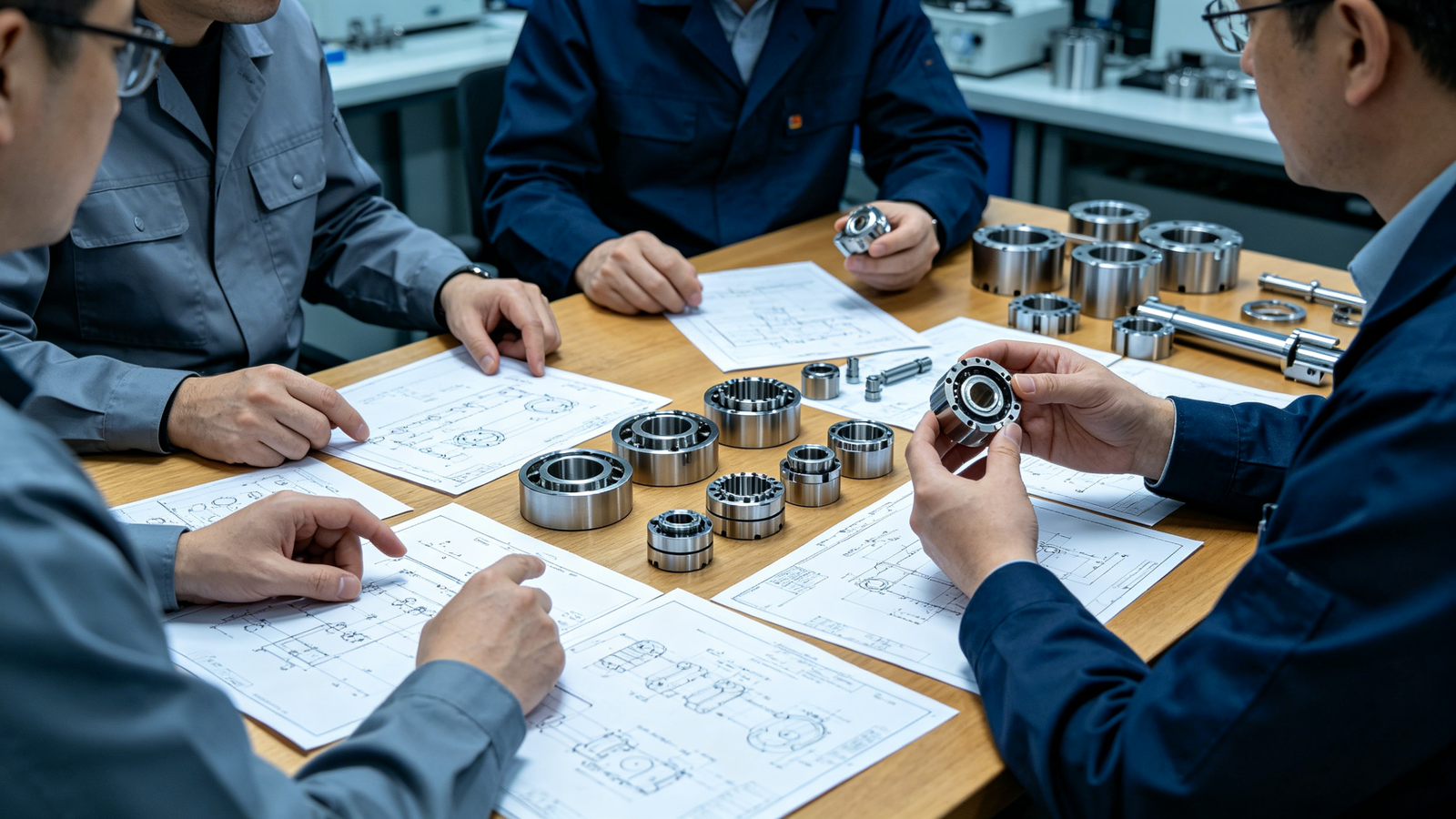
The transition from prototype samples to mass production depends on how well the design, tooling, and process parameters work together. Through design validation, manufacturers can confirm material flow behavior, cooling performance, dimensional changes, and critical requirements before large-scale production begins. Stable mass production comes from early engineering validation rather than relying only on production adjustments. At Xiamen RuiCheng, engineering reviews and trial production data are used to optimize manufacturing solutions before full-scale production.
Dimensional Stability: Validation helps predict shrinkage behavior and structural changes to maintain consistent part dimensions.
Defect Prevention: Potential issues such as porosity, cracking, and deformation can be identified before mass production.
Process Compatibility: Validation ensures die casting parameters support long-term production requirements.
Quality Control System: Inspection procedures help maintain consistent quality across production batches.
📌 A complete validation process creates a stronger foundation for reliable die casting production.
Comparison of Key Die Casting Design Validation Factors
| Validation Item | Purpose | Risk Without Validation | Optimization Method |
|---|---|---|---|
| Part Design | Improve manufacturability | Tooling modification | DFM review |
| Flow Analysis | Optimize filling | Porosity defects | Simulation analysis |
| Material Selection | Ensure performance | Insufficient strength | Material evaluation |
| Process Planning | Improve stability | Production variation | Parameter optimization |
If your die casting project is moving toward tooling development, Xiamen RuiCheng can help validate your design, reduce manufacturing risks, and improve production reliability. Please contact us for professional engineering support.
How Can Companies Build a Reliable Die Casting Design Validation Process?
Successful die casting projects depend not only on manufacturing equipment but also on effective engineering collaboration during product development. A complete validation process should include design review, mold analysis, trial production, and production approval. Early supplier involvement reduces communication gaps between product designers and manufacturers while improving project efficiency.
1.Design Review: Engineers evaluate part structure, material requirements, and functional expectations to confirm manufacturability.
2.Simulation Validation: Analysis tools predict filling behavior, cooling performance, and potential defects.
3.Prototype Testing: Trial production verifies actual manufacturing results and improves process parameters.
4.Mass Production Approval: Quality standards are established to ensure long-term supply consistency.
Frequently Asked Questions
Question 1: What are the key advantages of your die casting design validation service?
Answer: Xiamen RuiCheng provides comprehensive validation support through DFM analysis, tooling evaluation, trial production verification, and quality inspection systems. This process helps customers identify structural risks early, reduce tooling modification probability, and improve mass production stability.
Question 2: What information should we provide when developing a die casting component?
Answer: Customers typically need to provide 3D models, engineering drawings, material requirements, application conditions, and estimated order quantities. Xiamen RuiCheng engineers review these details to provide manufacturing recommendations, tooling evaluations, and quotation solutions.
Question 3: How does the development timeline vary between different project stages?
Answer: Development schedules depend on part complexity, tooling requirements, and validation needs. Xiamen RuiCheng supports the complete process from design review and prototype production to mass manufacturing while aligning delivery plans with customer project milestones.
Question 4: How do you handle quality issues after die casting production begins?
Answer: Xiamen RuiCheng analyzes quality concerns through inspection records, production data, and engineering evaluation. After identifying the root cause, improvement actions are implemented through process optimization and quality control measures.
Question 5: Can you support die casting design optimization before production?
Answer: Xiamen RuiCheng supports customers during early product development with structural optimization, wall thickness recommendations, material selection guidance, manufacturability analysis, and production planning improvements.
Conclusion
Die casting design validation is a critical connection between product development and reliable manufacturing. It allows companies to identify risks earlier, reduce unnecessary tooling investment, and improve project delivery confidence. For businesses requiring long-term production, choosing a supplier with engineering involvement is more valuable than simply comparing manufacturing prices. Early validation and continuous engineering collaboration provide a stronger foundation for successful die casting projects. Xiamen RuiCheng delivers complete die casting solutions from design optimization to mass production through professional engineering support and manufacturing capabilities.
For expert assistance in implementing die casting production needs, visit our resource center or contact us. Let’s help you scale up your manufacturing with precision and efficiency!