Introduction
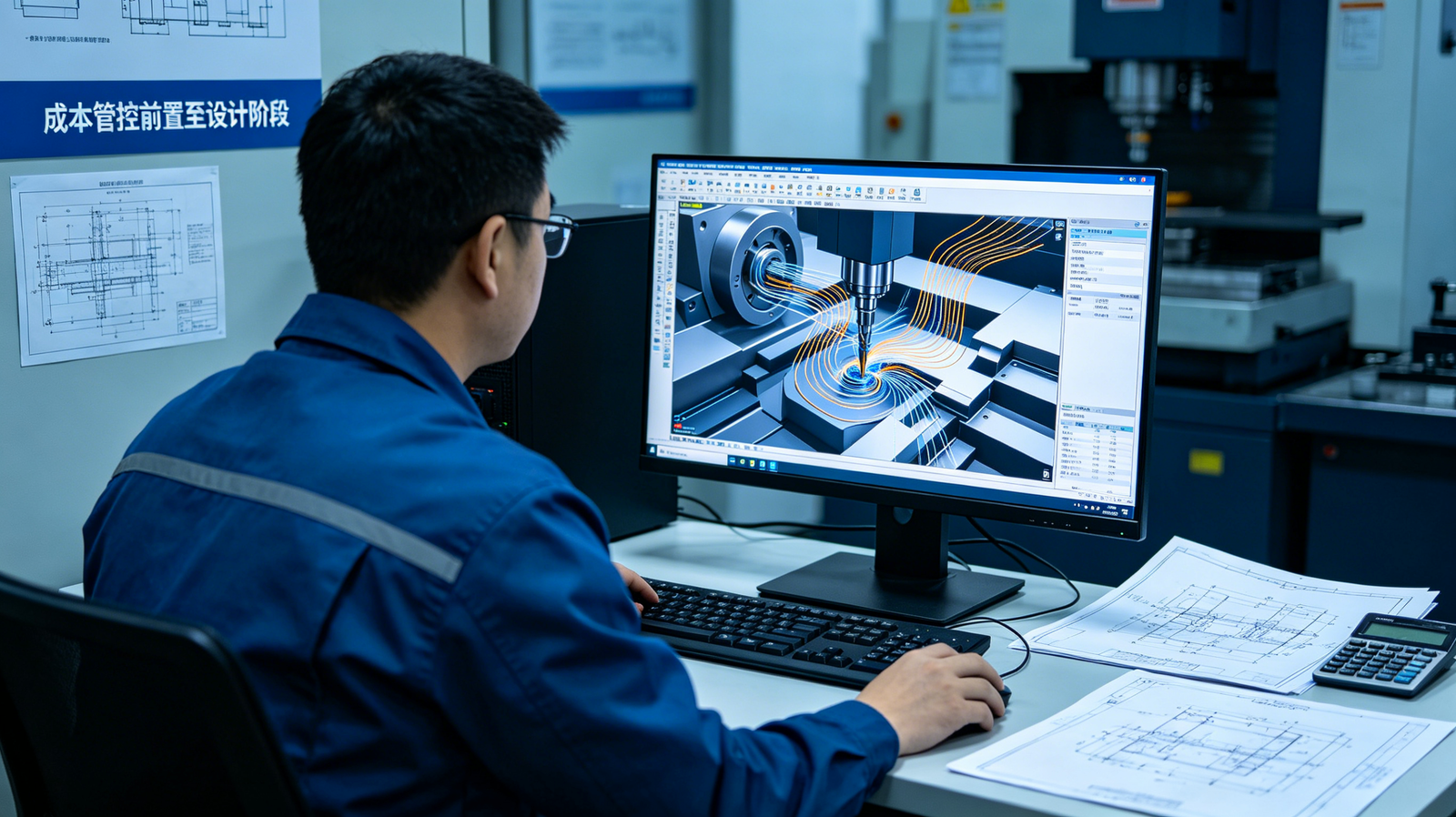
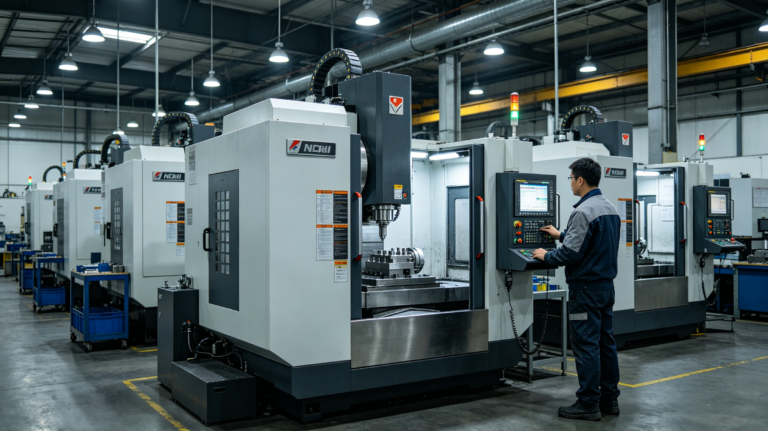
Die casting parts are widely used in automotive components, industrial equipment, electronic housings, and new energy applications, where dimensional accuracy, mechanical performance, and surface quality directly influence final product reliability. As industries continue demanding lighter structures, higher strength, and improved consistency, even minor variations during the die casting process can create significant production risks.Stable die casting quality depends not only on equipment capability but also on the integrated control of materials, tooling, process parameters, and quality systems. As a professional manufacturing supplier, Xiamen RuiCheng helps customers reduce production risks through advanced die casting technology, engineering analysis, and comprehensive inspection systems.
For purchasing engineers and product development teams, selecting a die casting supplier should involve more than comparing prices and lead times. The supplier’s ability to prevent and solve quality problems throughout product development, tooling production, and mass manufacturing directly affects long-term project success.A reliable die casting manufacturer should participate from the early development stage and use engineering experience to eliminate potential quality risks before mass production.
What Factors Affect Die Casting Part Quality?
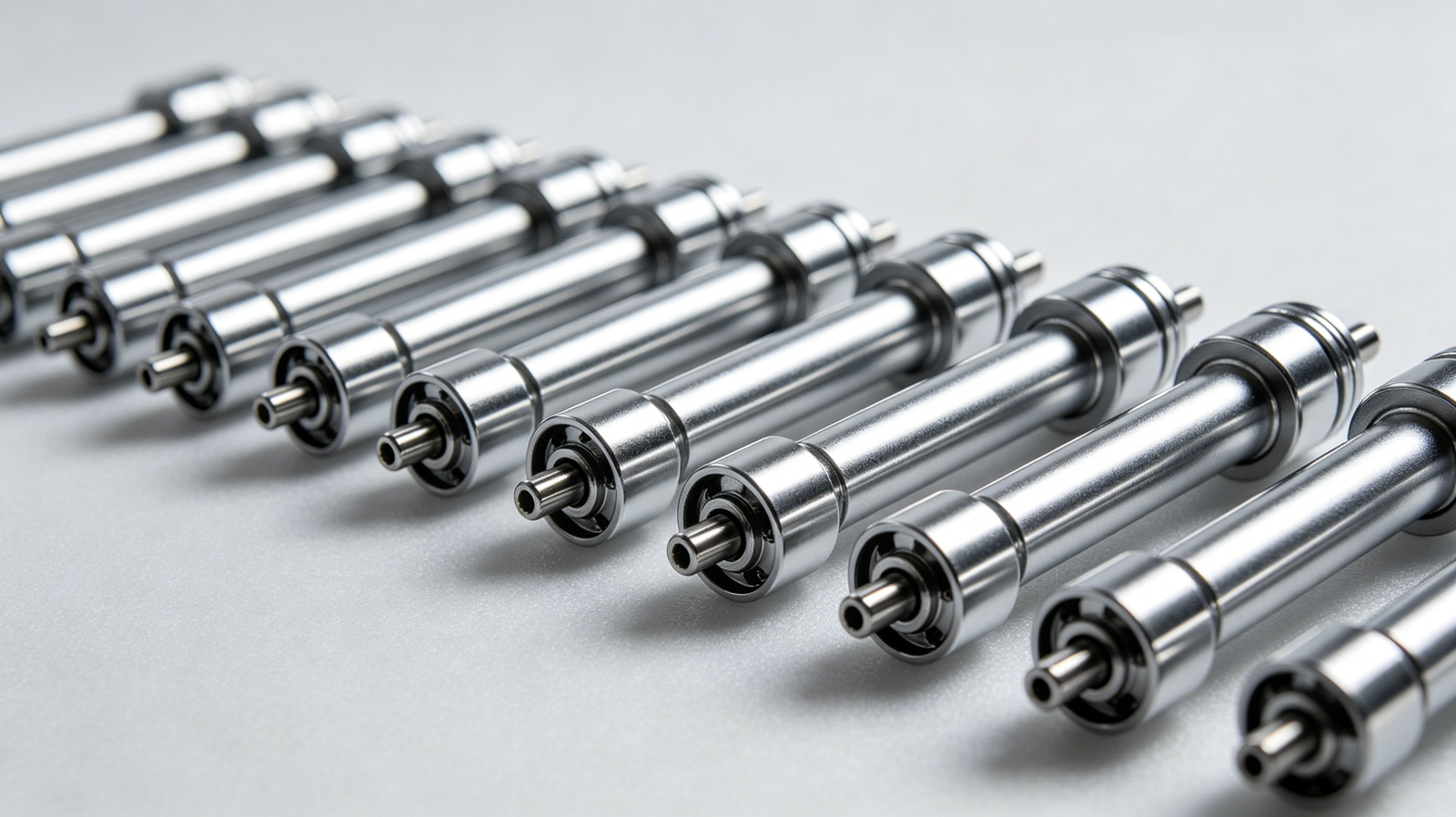
Die casting part quality is influenced by multiple factors, including alloy selection, mold design, process parameters, and production control. During high-speed metal injection, unstable filling behavior or improper process settings can create defects such as porosity, shrinkage, cracks, dimensional variation, and surface imperfections. The die casting process requires precise coordination between materials, tooling, machines, and operators to achieve consistent results. High-quality die casting parts are created through a complete manufacturing system rather than relying on a single production factor. Xiamen RuiCheng combines engineering expertise and process monitoring to help customers achieve stable production performance.
Material Performance: Proper alloy selection ensures the required strength, durability, and corrosion resistance for different applications.
Tooling Design: Optimized mold structures improve filling balance and reduce internal defects.
Process Parameters: Stable injection speed, pressure, and temperature control improve repeatability.
Quality Management: Continuous inspection and data analysis maintain long-term production consistency.
🌱 Die casting quality requires coordinated control of materials, molds, processes, and inspection systems to prevent hidden manufacturing risks.
How Does Material Selection Affect Die Casting Part Quality?
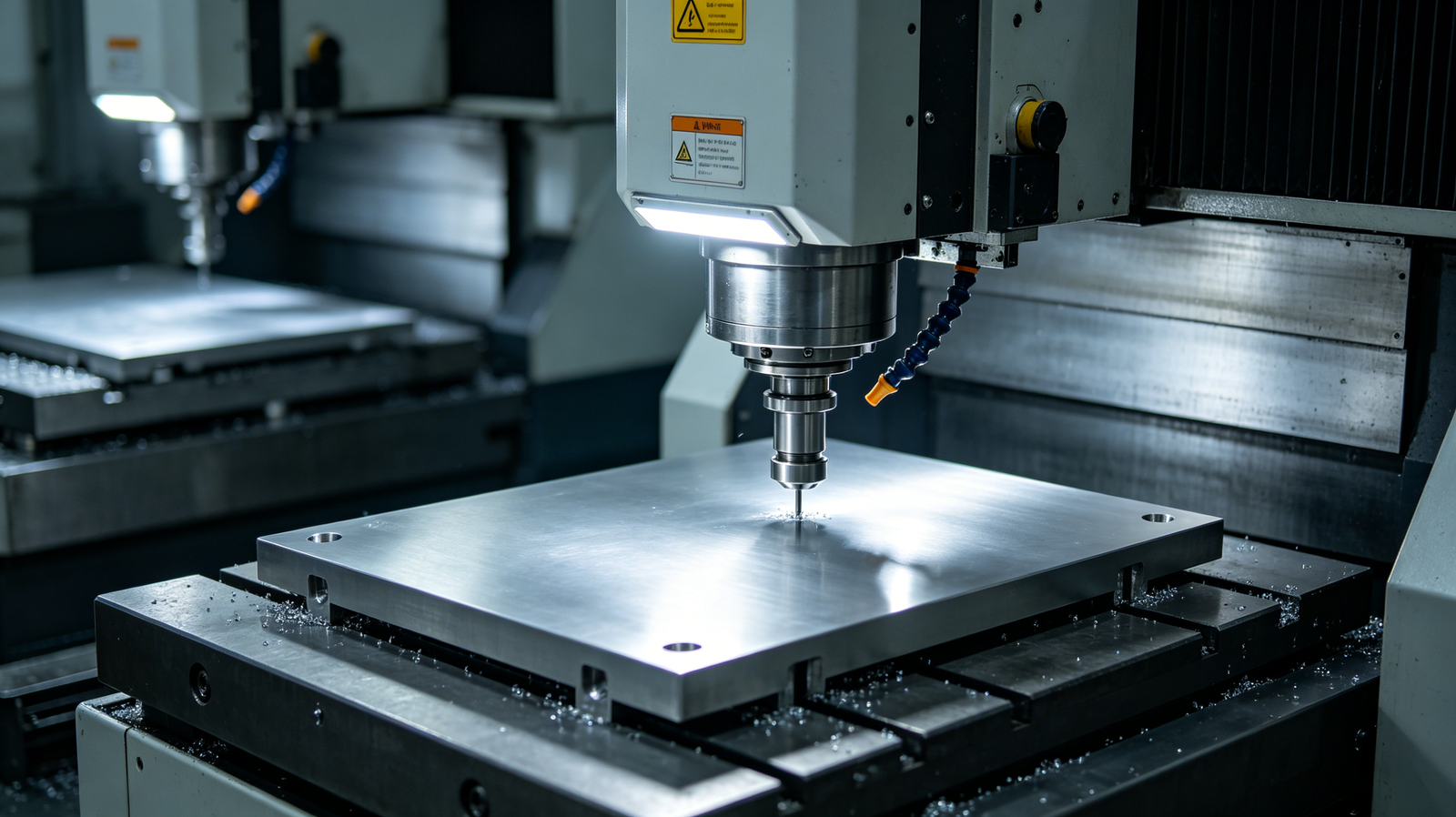
Metal alloy selection is one of the most important factors affecting die casting performance. Different alloys, including aluminum, magnesium, and zinc, provide different levels of strength, thermal conductivity, corrosion resistance, and casting behavior. If the selected material does not match the product application requirements, the final component may experience reduced durability, poor mechanical performance, or premature failure.Choosing the right alloy system helps improve die casting reliability and reduces future product risks. Xiamen RuiCheng evaluates customer application environments, structural requirements, and performance targets to recommend suitable material solutions.
Alloy Flowability: Good fluidity allows molten metal to fill complex geometries and reduces incomplete filling defects.
Mechanical Requirements: Different applications require specific tensile strength, hardness, and fatigue resistance.
Heat Treatment Compatibility: Some high-performance components require post-processing to improve mechanical properties.
Material Supply Stability: Consistent raw material quality helps reduce production variation between batches.
🌱 Material selection establishes the foundation of die casting quality and directly affects product reliability during service.
How Does Mold Design Influence Die Casting Part Quality?
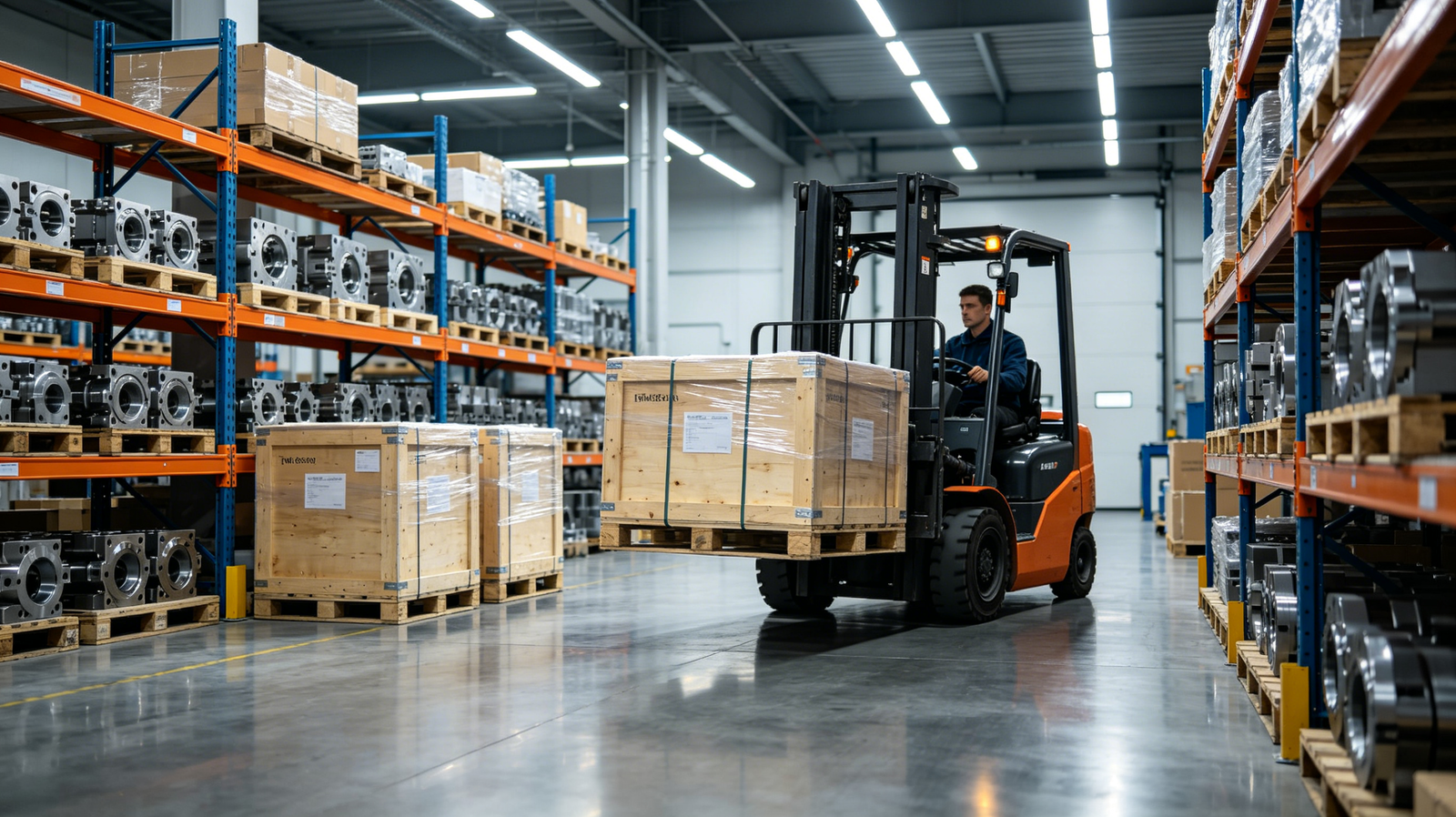
The die casting mold is a critical factor that determines product quality, dimensional accuracy, and manufacturing stability. Mold structure directly affects metal flow, cooling performance, and solidification behavior. Poor gate design, insufficient venting, or uneven cooling channels may result in porosity, shrinkage, deformation, and surface defects.High-quality die casting parts must be optimized during the tooling development stage instead of relying on inspection after production. Xiamen RuiCheng uses mold manufacturing experience and DFM analysis to optimize runners, gates, cooling layouts, and tooling structures before production begins.
Runner System Design: Balanced runner layouts ensure smooth and uniform molten metal distribution.
Ventilation Optimization: Effective venting reduces trapped gas and internal cavity defects.
Cooling System Design: Uniform cooling improves dimensional stability and minimizes deformation.
Tooling Precision: Accurate mold machining ensures repeatable production performance.
🌱 Mold design creates the foundation for stable die casting production and directly influences final part quality.
How Do Process Parameters Affect Die Casting Quality?

During die casting production, parameters such as injection speed, pressure, temperature, and holding time significantly influence final part performance. Even with excellent materials and tooling, unstable process settings can create defects including air pockets, cracks, dimensional variation, and inconsistent surface quality. Maintaining a stable process window is essential for long-term mass production.Precise process parameter control improves product consistency and reduces quality fluctuations during large-scale manufacturing. Xiamen RuiCheng applies production monitoring and process optimization methods to establish reliable die casting workflows.
Injection Speed Control: Proper speed reduces turbulence and improves metal filling stability.
Injection Pressure Adjustment: Suitable pressure ensures complete filling and minimizes internal defects.
Mold Temperature Management: Stable temperatures improve surface quality and dimensional accuracy.
Cycle Time Control: Consistent production cycles reduce variation between batches.
🌱 Process optimization connects tooling performance with final product quality and ensures stable manufacturing results.
Comparison of Key Factors Affecting Die Casting Part Quality
| Factor | Main Impact | Common Issues | Improvement Direction |
|---|---|---|---|
| Material Selection | Performance and stability | Insufficient strength, corrosion issues | Optimize alloy matching |
| Mold Design | Forming performance | Porosity, deformation, incomplete filling | Improve tooling structure |
| Process Parameters | Production consistency | Dimensional variation, surface defects | Optimize process window |
| Quality Inspection | Risk prevention | Batch quality issues | Strengthen inspection system |
If you are looking for a die casting manufacturing partner that can consistently control part quality and support complex production requirements, Xiamen RuiCheng provides complete solutions from engineering analysis and tooling development to mass production. Please contact us for professional manufacturing support.
How Can Supplier Selection Reduce Die Casting Quality Risks?
For purchasing teams, die casting quality is not determined only by the manufacturing process of individual parts. It also depends on the supplier’s engineering capability, production management system, and experience in handling complex projects. A supplier may deliver acceptable prototypes but struggle during mass production due to unstable dimensions, inconsistent quality, or insufficient process control. Therefore, supplier evaluation should focus on long-term manufacturing capability rather than only initial samples or pricing.Selecting a die casting supplier with complete engineering and production capabilities helps reduce quality risks throughout the entire product lifecycle. Xiamen RuiCheng provides integrated manufacturing support from product analysis and tooling development to production verification and final delivery.
1.Engineering Support Capability: A capable supplier should participate during early product development to identify potential casting risks before tooling begins.
2.Tooling Development Experience: Experienced mold engineers can reduce trial adjustments and improve production stability.
3.Manufacturing Process Control: Standardized production management ensures consistent performance across different batches.
4.Quality Traceability System: Complete production records allow manufacturers to quickly identify root causes and implement corrective actions.
Frequently Asked Questions
Question 1: What are the key quality standards for your die casting parts?
Answer: Xiamen RuiCheng controls die casting part quality through comprehensive manufacturing standards, including dimensional accuracy, material performance, surface quality, and production consistency. Based on customer requirements, we combine engineering analysis, process monitoring, and inspection methods to ensure reliable performance for automotive, industrial, and electronic applications.
Question 2: What information should we provide before requesting a die casting quotation?
Answer: Customers should provide product drawings, material requirements, application conditions, expected production volume, tolerance specifications, and surface treatment requirements. Xiamen RuiCheng engineers evaluate these details to review tooling requirements, manufacturing feasibility, and provide a suitable production solution.
Question 3: How do you manage different production quantities and delivery requirements?
Answer: Production schedules are arranged according to tooling status, order quantity, and manufacturing capacity. For prototype validation, low-volume production, and large-scale manufacturing projects, Xiamen RuiCheng provides flexible production strategies to maintain delivery efficiency and quality consistency.
Question 4: How do you handle quality problems after delivery?
Answer: When quality issues occur after delivery, Xiamen RuiCheng reviews production records, inspection data, and product samples to identify the root cause. Improvement actions are then implemented through process optimization, tooling adjustments, or manufacturing control updates to prevent similar problems in future production.
Question 5: Can you provide customized die casting solutions for different applications?
Answer: Yes. Xiamen RuiCheng provides customized die casting solutions based on product structure, mechanical requirements, environmental conditions, and production goals. Our engineering team helps optimize alloy selection, mold design, and manufacturing processes to achieve better performance and cost efficiency.
Conclusion
Die casting part quality is influenced by multiple interconnected manufacturing factors, including material selection, mold design, process control, and inspection systems. For companies requiring reliable long-term supply, evaluating a supplier’s engineering capability and quality management approach is often more important than simply comparing manufacturing costs.A stable die casting manufacturing system helps customers reduce development risks, improve product consistency, and accelerate the transition from prototype design to mass production. Xiamen RuiCheng provides professional die casting solutions supported by engineering expertise, advanced manufacturing capabilities, and comprehensive quality management systems for automotive, industrial equipment, electronics, and other demanding industries.
For expert assistance in implementing die casting production needs, visit our resource center or contact us. Let’s help you scale up your manufacturing with precision and efficiency!