Introduction
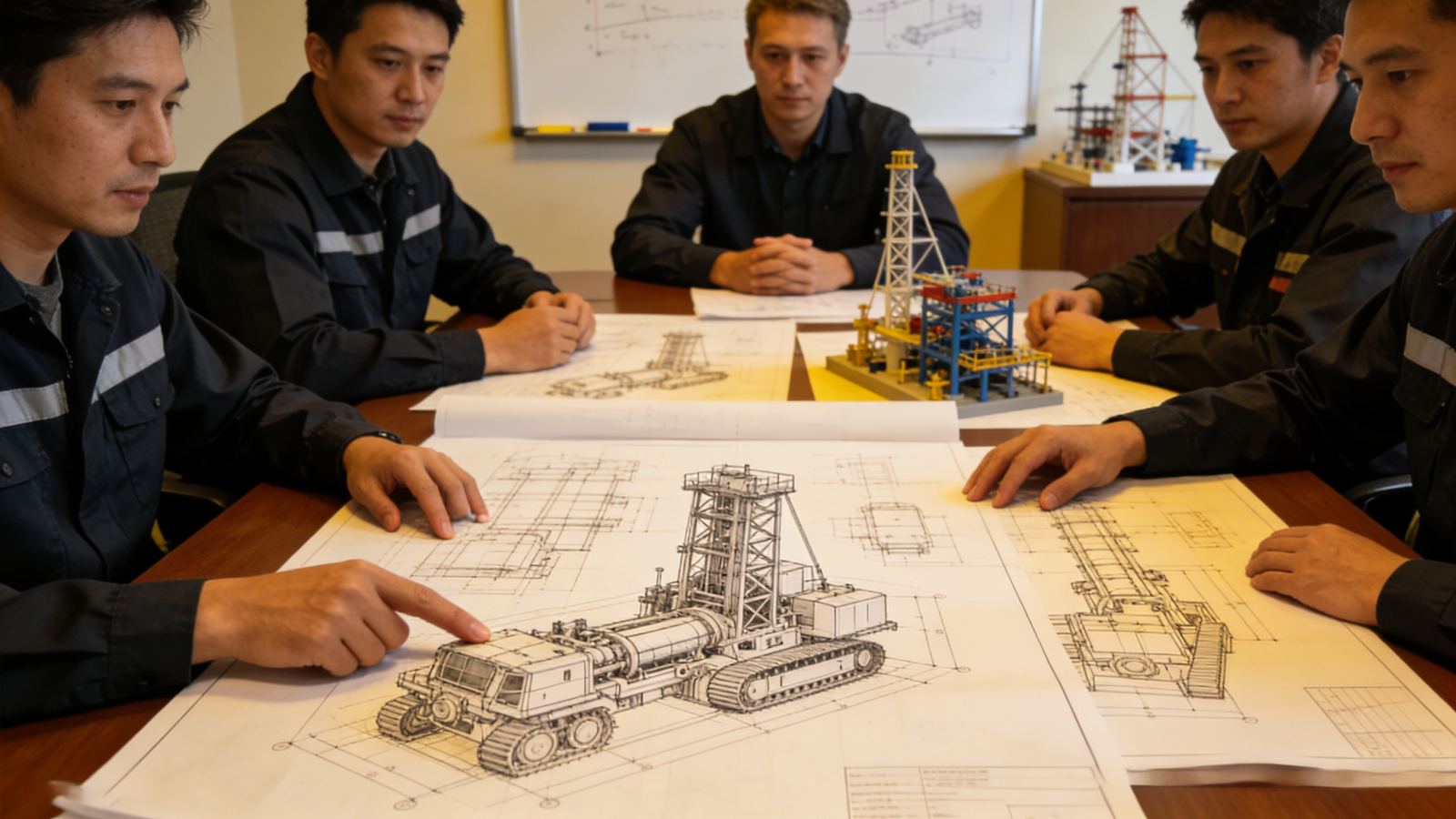
Heavy machinery used in mining, construction, and energy equipment often relies on extremely large structural components that must withstand heavy loads and continuous operation. These components usually require excellent strength, structural stability, and reliable manufacturing quality. Large metal parts such as shafts, frames, and load-bearing connectors are typically produced using specialized metal forming processes. Selecting the right forming process directly affects the performance, safety, and service life of heavy equipment.
With the continuous upgrade of industrial manufacturing, procurement engineers are paying more attention to the manufacturing process rather than only focusing on materials and dimensions. From Xiamen Ruicheng’s experience working with heavy equipment manufacturers, the wrong manufacturing process often causes more project risks than material selection itself. Choosing the correct metal forming solution at the design stage significantly improves reliability and reduces development costs.
Which forming process is most suitable for large metal parts in heavy machinery?
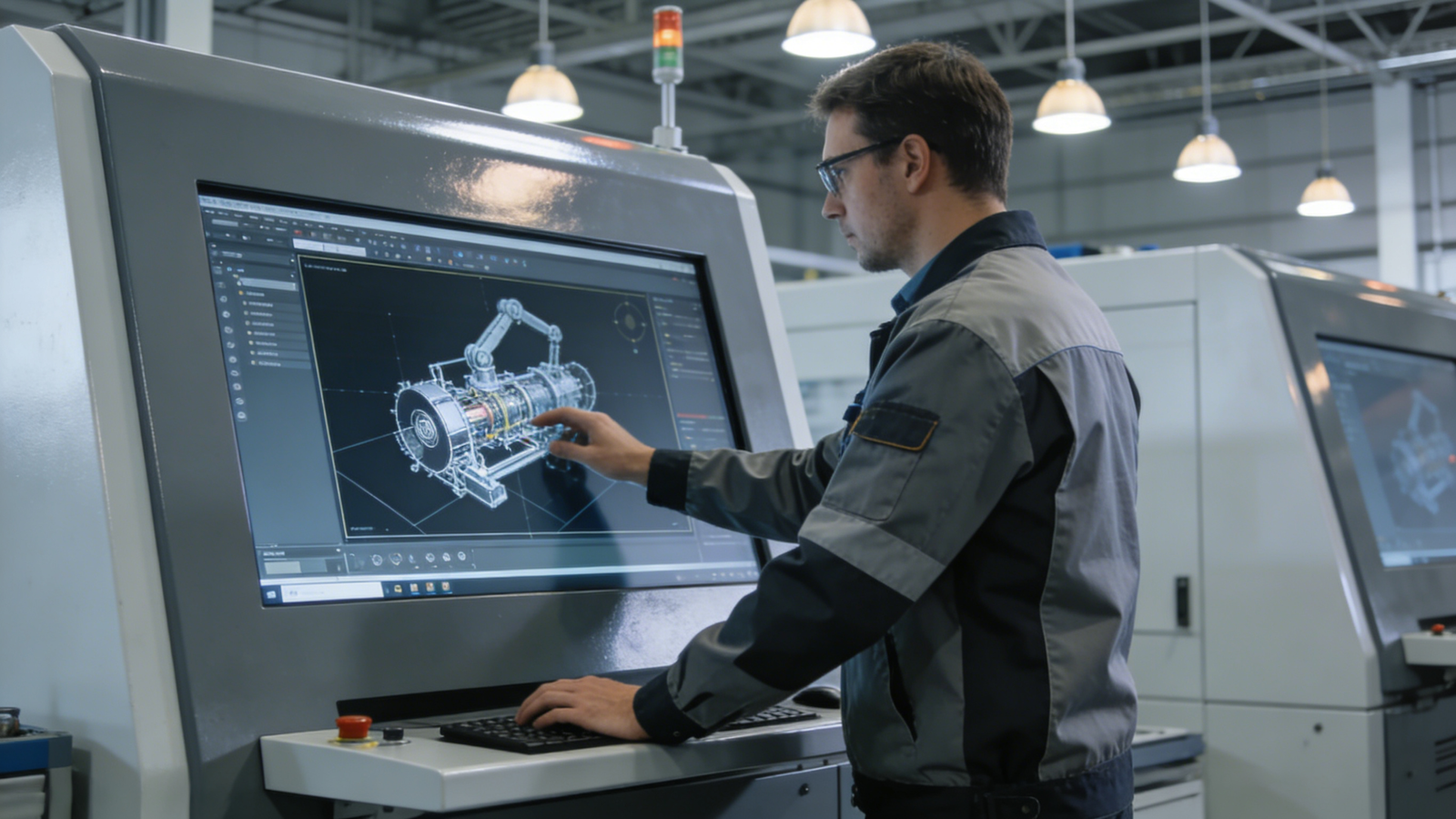
Large structural parts in heavy equipment must handle high loads, strong torque, and long-term fatigue stress, which places strict requirements on internal material density and mechanical strength. Common processes such as metal forging and metal casting are widely used in large component manufacturing, but each process produces different structural characteristics and cost structures. For heavy-load structural components, forging is often the preferred process because it significantly improves mechanical performance and structural reliability. In many projects handled by Xiamen Ruicheng, optimizing the forming process through forging combined with precision machining has dramatically improved product durability.
Higher structural strength:Forging improves metal grain flow and internal density, significantly enhancing fatigue resistance.
Better dimensional stability:Proper forging allowances combined with machining processes ensure precise dimensions even for large components.
Improved material utilization:Forging reduces excessive raw material waste compared with machining solid blocks.
More stable long-term cost:Although initial tooling investment exists, large-scale production becomes more economical over time.
⚙️ Forging provides superior mechanical strength and reliability for heavy-duty large metal components.
Why can’t large metal parts rely solely on casting?
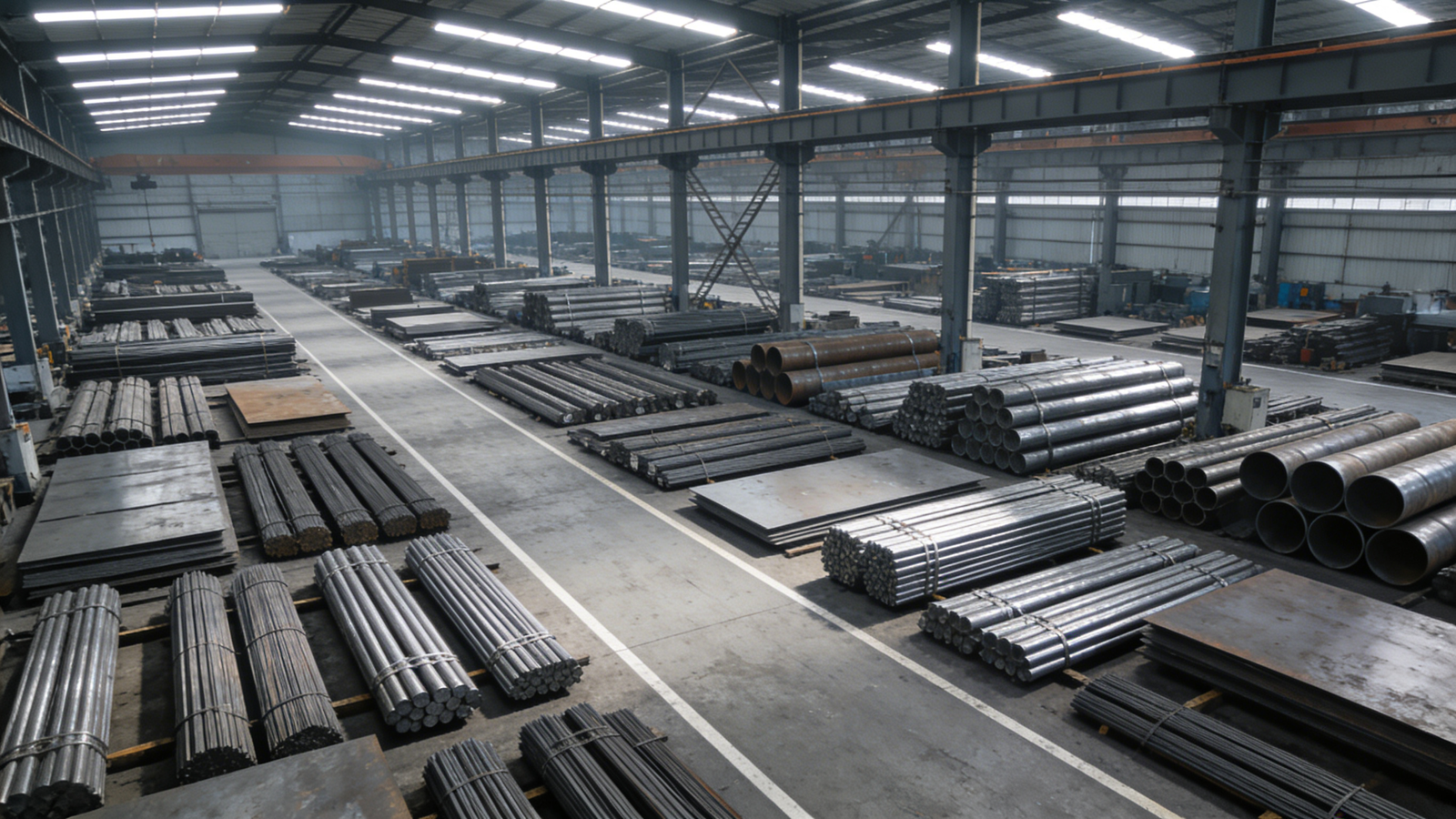
While metal casting is capable of producing complex shapes and extremely large structures, it may introduce internal defects during solidification. Additionally, relying entirely on machining processes to produce large components from solid materials leads to high material waste and increased cost. For critical heavy machinery components requiring both strength and durability, a single manufacturing method rarely meets all requirements. In practice, Xiamen Ruicheng often recommends a hybrid manufacturing solution combining forging with precision machining to balance structural strength, cost efficiency, and dimensional accuracy.
Internal defect risks:Large castings may contain porosity or shrinkage cavities that weaken structural integrity.
Limited fatigue resistance:Compared with forged parts, cast components are generally less resistant to cyclic loads.
Material waste challenges:Full machining of large solid materials results in significant material loss and higher costs.
Hybrid process solutions:Forged blanks followed by precision machining create a balanced approach for performance and cost.
🔧 Combining multiple manufacturing processes often provides the most reliable solution for heavy machinery components.
How should manufacturers choose a reliable metal processing supplier?
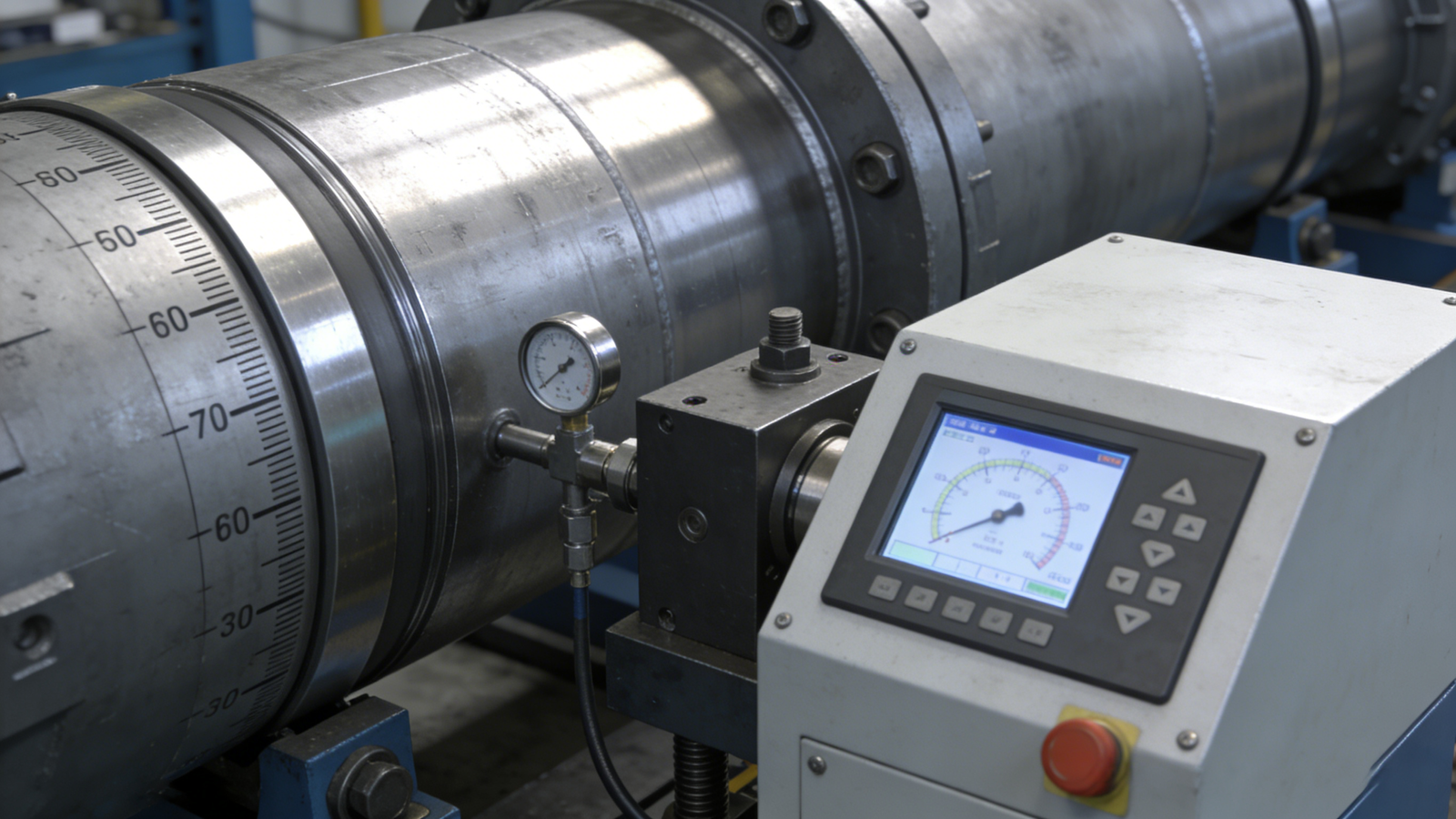
Selecting the right manufacturing partner is just as important as choosing the right forming process for large metal parts. A supplier with advanced equipment, experienced engineers, and a complete metalworking system can significantly reduce production risks. Companies familiar with heavy machinery industry requirements are also better prepared to understand structural demands and production challenges. A manufacturer with full engineering capabilities can optimize production strategies before manufacturing even begins. Xiamen Ruicheng provides integrated support from design consultation to final production to ensure that customers receive efficient and reliable manufacturing solutions.
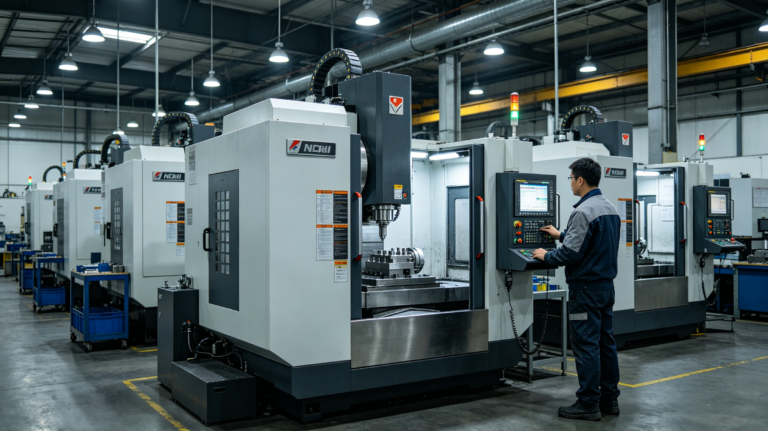
Equipment capability:Large forging presses and CNC machining centers determine the maximum size and complexity of producible parts.
Quality control systems:Standardized inspection and quality assurance procedures ensure consistent production results.
Engineering support:Experienced engineers help optimize manufacturing methods during early design stages.
Supply chain stability:Reliable material sourcing and production planning ensure stable delivery timelines.
🏭 A reliable supplier can significantly reduce risks and improve the success rate of large industrial manufacturing projects.
Comparison of Large Metal Forming Processes for Heavy Machinery
| Forming Process | Strength Level | Suitable Size Range | Cost Structure | Typical Applications |
|---|---|---|---|---|
| Forging | Very High | Large structural parts | Medium | Shafts, load connectors |
| Casting | Medium | Very large complex parts | Lower | Frames, housings |
| Welded Structure | Medium | Extra large structures | Medium | Machine frames |
| Full Machining | High | Small to medium parts | High | Precision components |
If you are evaluating the best manufacturing solution for heavy machinery projects, Xiamen Ruicheng engineers can help analyze your design, material requirements, and production scale. Feel free to contact us
Optimizing Manufacturing Solutions for Heavy Machinery Metal Parts
In modern industrial manufacturing, producing large metal components rarely relies on a single process. Instead, the most reliable solution often combines several manufacturing techniques to achieve optimal performance and efficiency. Xiamen Ruicheng frequently supports clients in mining equipment, engineering machinery, and industrial machinery industries by analyzing structure design, material performance, and processing capabilities. Identifying the optimal manufacturing path during the early design stage greatly reduces later modification costs and improves equipment reliability.
1.Process evaluation:Assess whether forging, casting, or hybrid processes best fit structural requirements.
2.Material matching:Select suitable steel grades or alloys based on operating environments.
3.Manufacturing pathway:Integrate forging blanks with precision machining to form a stable production process.
4.Quality verification:Use inspection and testing methods to confirm that final products meet engineering standards.
FAQ – Procurement Questions
Question 1: What are the core advantages of your heavy machinery large metal part manufacturing services?
Answer: Xiamen Ruicheng provides large-scale forging and machining capabilities designed specifically for heavy-duty equipment applications. Strict quality inspection procedures and advanced manufacturing equipment ensure that structural strength and dimensional accuracy meet industrial standards. Our engineering team also offers design assistance to optimize manufacturing feasibility.
Question 2: What information do we need to provide in order to receive a quotation?
Answer: To provide an accurate quotation, customers usually need to submit product drawings, material specifications, expected order quantity, and application conditions. Our engineering team reviews these materials and performs an initial manufacturing analysis before preparing a detailed quotation.
Question 3: What are the typical lead times for different order quantities?
Answer: Small batch prototype orders usually have shorter production cycles, while large-scale production orders depend on part complexity and manufacturing processes. Xiamen Ruicheng maintains flexible production planning to ensure reliable delivery schedules.
Question 4: How do you handle quality issues after delivery?
Answer: If any quality issue occurs, our team performs a technical inspection to determine the cause. Depending on the situation, we provide repair, replacement, or remanufacturing solutions to ensure minimal impact on customer production.
Question 5: Can you provide customized solutions for special industrial applications?
Answer: Yes. Xiamen Ruicheng supports customized manufacturing solutions based on specific equipment structures, operating conditions, and mechanical requirements. Our engineering team evaluates feasibility and proposes suitable production plans.
Conclusion
Manufacturing large metal components for heavy machinery requires more than simply selecting a material—it requires choosing the right forming technology and production strategy. Forging, casting, machining, and hybrid processes each have unique advantages depending on application conditions. Working with an experienced manufacturing partner allows companies to optimize production efficiency while improving equipment reliability. With extensive metal processing experience and strong engineering support, Xiamen Ruicheng helps clients move smoothly from design validation to stable mass production.
For expert assistance in implementing solutions for your production needs, visit our resource center or contact us. Let’s help you scale up your manufacturing with precision and efficiency!