Introduction
In industrial manufacturing, the cost of hardware components often directly affects the profitability of a project, especially in sectors such as machinery, automotive components, and electronic assemblies. Procurement teams frequently focus on raw material prices while overlooking how manufacturing processes influence the final unit cost. When production volumes increase, choosing the right manufacturing process becomes far more impactful than negotiating minor material discounts.
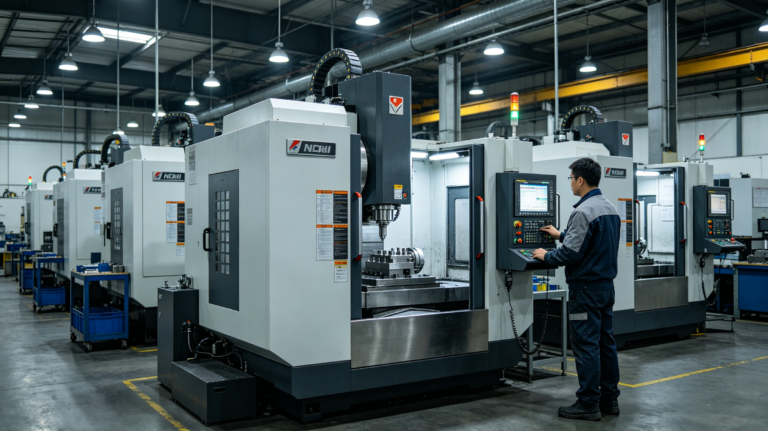
With the advancement of automation and precision tooling, metal stamping has become one of the most efficient manufacturing methods for large-scale hardware production. Xiamen Ruicheng has helped many manufacturers optimize production costs by integrating stamping technology with engineering-driven mold design. A well-designed stamping process can significantly lower unit costs while maintaining consistent product quality.
Why Can Metal Stamping Significantly Reduce the Cost of Bulk Hardware Components?
The total manufacturing cost of hardware components is usually influenced by material utilization, production speed, and labor requirements, and metal stamping provides advantages in all of these areas. By optimizing tooling and improving production rhythm, Xiamen Ruicheng enables large orders to be produced efficiently while maintaining dimensional consistency, and better material efficiency further reduces waste during manufacturing. Once production reaches a stable volume, the tooling investment can be distributed across thousands of parts, significantly lowering the unit cost.
Tooling amortization: When orders scale up, the cost of the stamping mold is distributed across each unit, making the final price more competitive.
High-speed production: Automated stamping presses operate at stable cycles, allowing thousands of parts to be produced within a short time frame.
Material utilization: Intelligent layout and die design maximize sheet material usage and minimize scrap.
Quality stability: Precision dies maintain consistent tolerances, reducing the need for secondary machining.
⚙️ In large-scale production, stamping combines automation and scale advantages to achieve real cost reduction.
How Can Buyers Determine Whether Hardware Parts Are Suitable for Stamping Production?
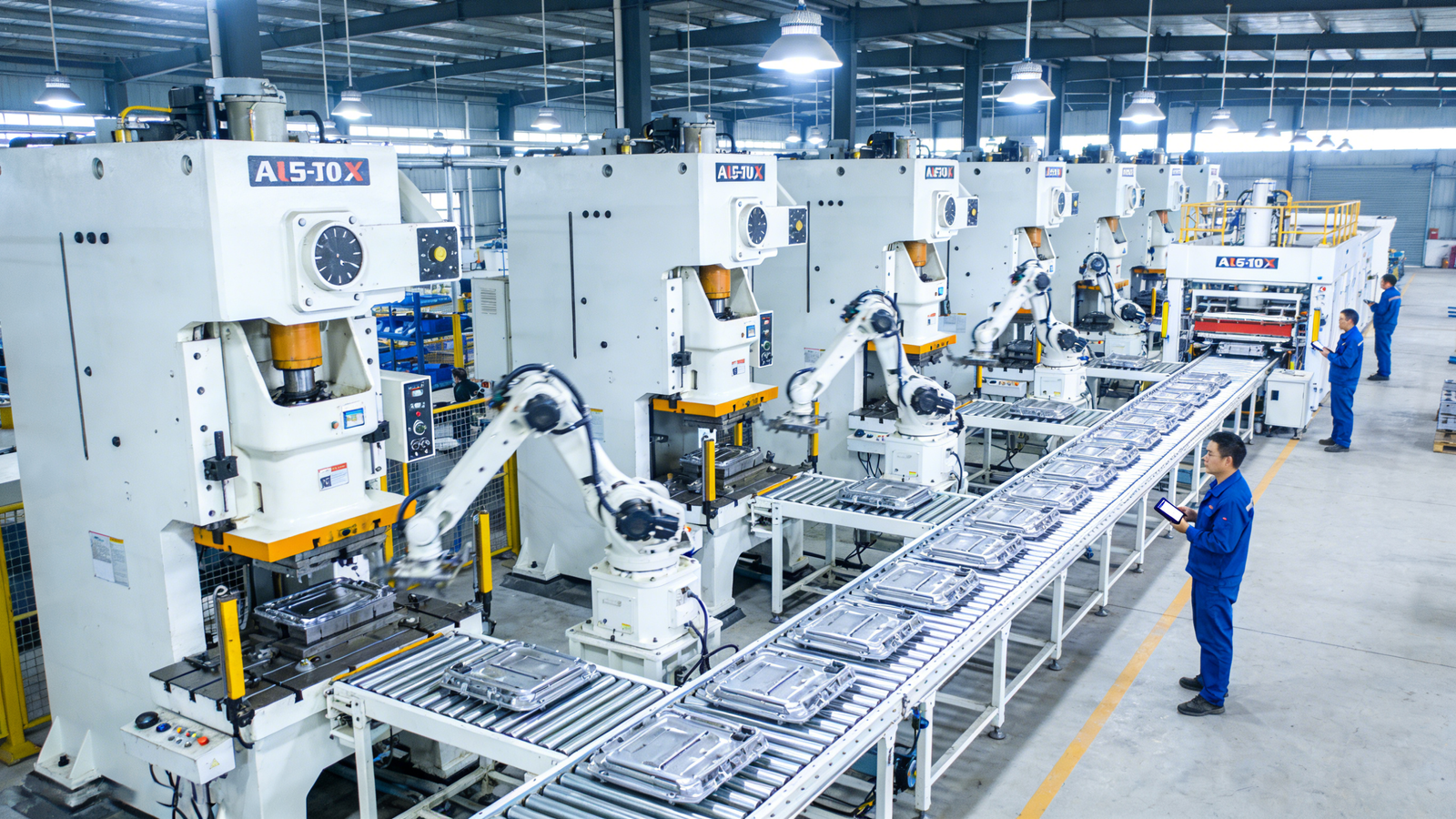
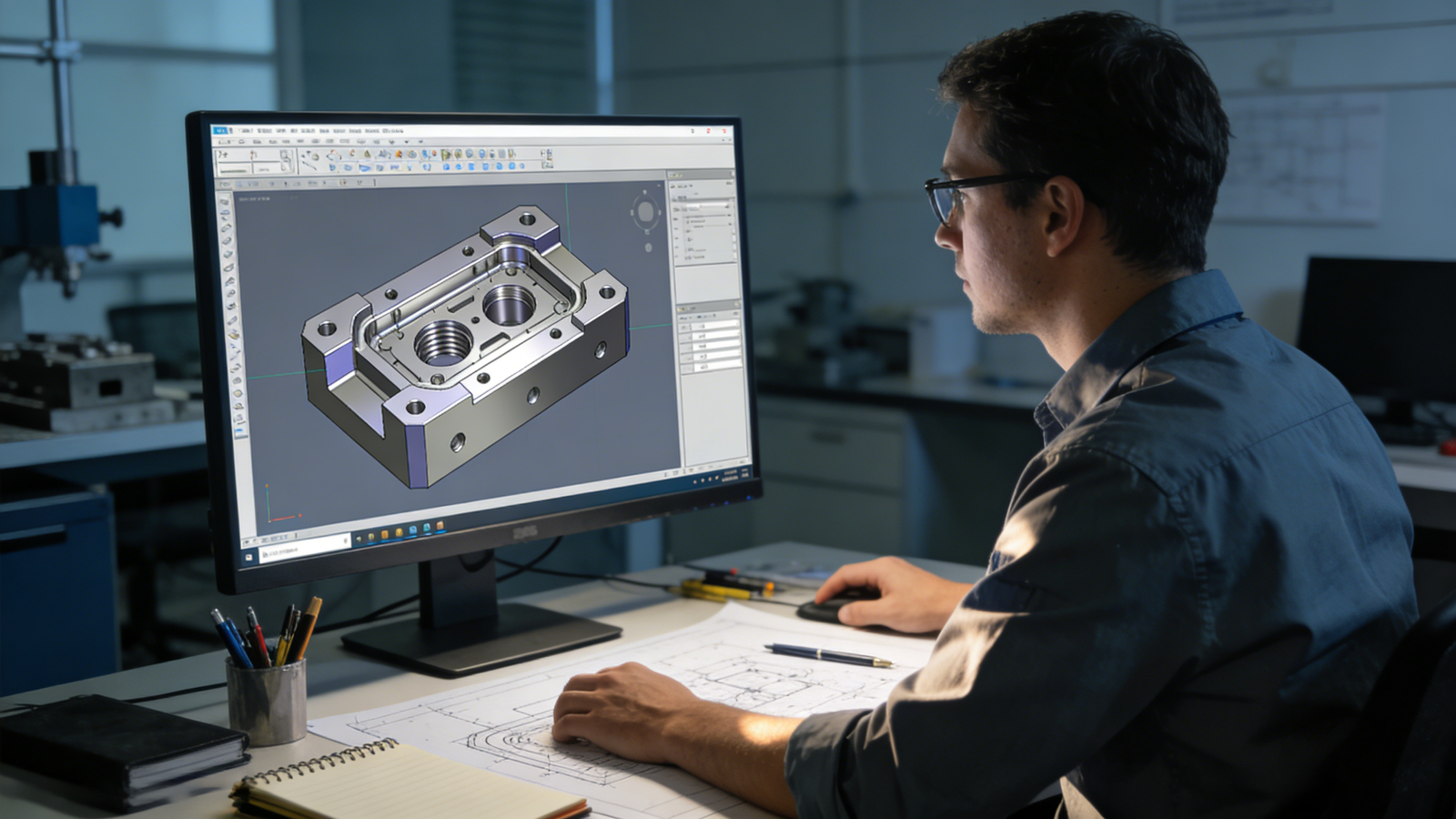
Before choosing a production method, procurement teams need to evaluate product structure, material thickness, and expected order quantity. During the engineering review stage, Xiamen Ruicheng analyzes the design requirements alongside common metalworking standards and evaluates the feasibility of stamping manufacturing. If a component has repetitive geometry and stable demand, stamping usually delivers the most competitive manufacturing cost.
Structural repeatability: Components with simple and repetitive structures are ideal for stamping processes.
Order volume: Larger quantities allow tooling costs to be distributed across production batches.
Material compatibility: Common metals such as steel or aluminum sheets are well suited for stamping.
Dimensional consistency: Precision dies ensure stable tolerances across large batches.
🔩 Part structure and purchasing volume are key factors in deciding whether stamping is the best solution.
How Does Metal Stamping Achieve Large-Scale Cost Reduction Without Sacrificing Quality?
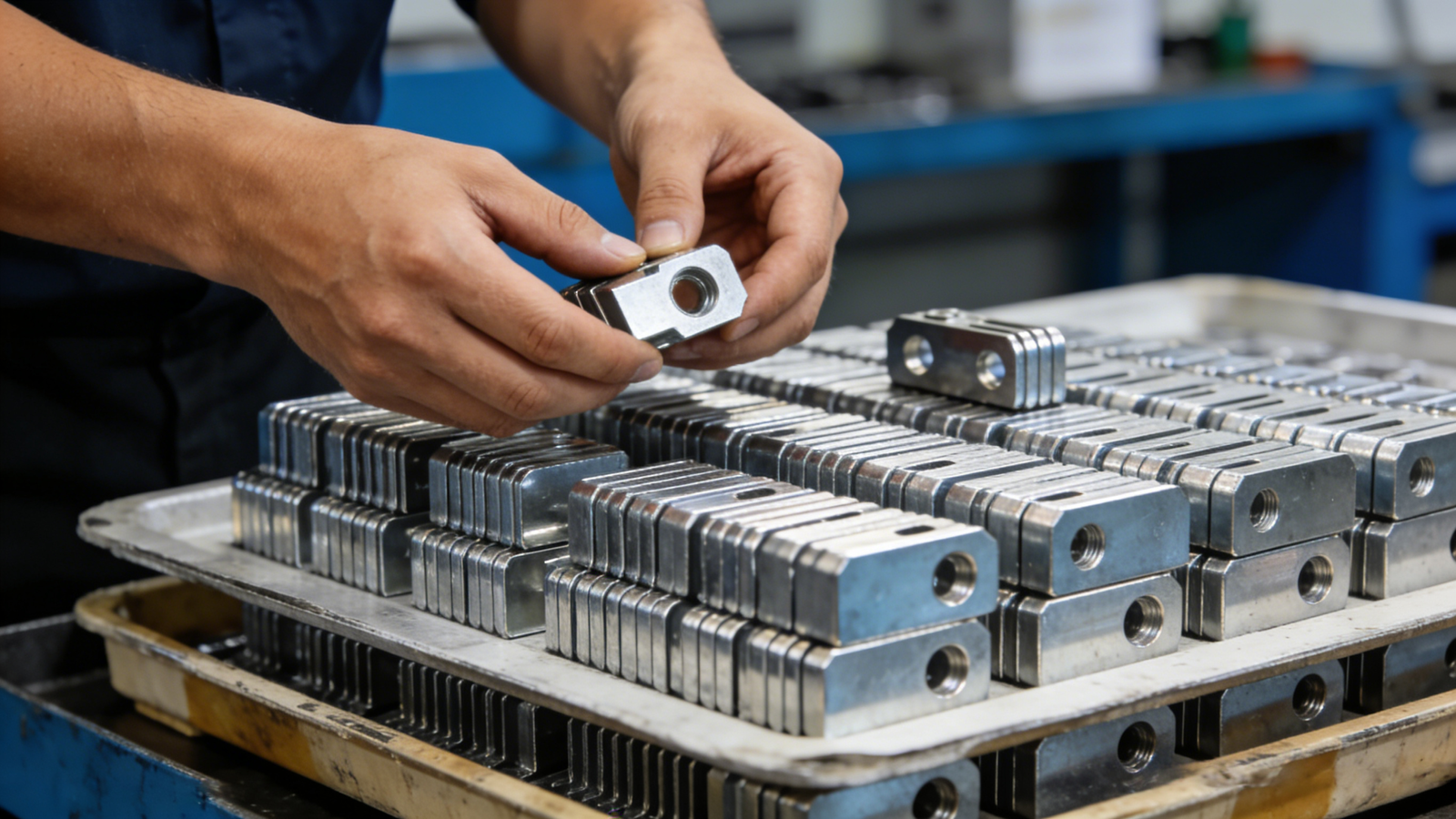
For manufacturers, reducing cost does not mean compromising product reliability; instead, it requires a stable production system capable of maintaining consistent results. Xiamen Ruicheng integrates automated stamping presses with advanced tooling monitoring systems to ensure each batch maintains dimensional accuracy, while structured quality control procedures and industrial automation technologies reduce human error. A stable and automated production system ensures both quality consistency and long-term cost efficiency.
Automated equipment: Stamping lines operate continuously with minimal manual intervention.
Tooling monitoring: Real-time inspection detects wear and maintains dimensional precision.
Batch consistency: Precision molds ensure identical parts across high-volume production.
Long-term reliability: Stable processes reduce quality risks for procurement teams.
🏭 Advanced stamping production systems deliver both cost efficiency and manufacturing stability.
Cost Comparison of Different Hardware Manufacturing Processes in Mass Production
| Manufacturing Process | Suitable Production Volume | Unit Cost Trend | Production Speed | Precision Stability | Tooling Investment | Material Utilization |
|---|---|---|---|---|---|---|
| CNC Machining | Low volume | High | Medium | High | Low | Medium |
| Laser Cutting | Small to medium | Medium | Medium | Medium | Low | Medium |
| Die Casting | High volume | Medium | High | High | High | Medium |
| Metal Stamping | High volume | Low | High | High | Medium | High |
If you are evaluating the most cost-effective production method for hardware components, the engineering team at Xiamen Ruicheng can help analyze your design and production requirements contact us
Practical Manufacturing Strategies for Reducing Hardware Component Costs
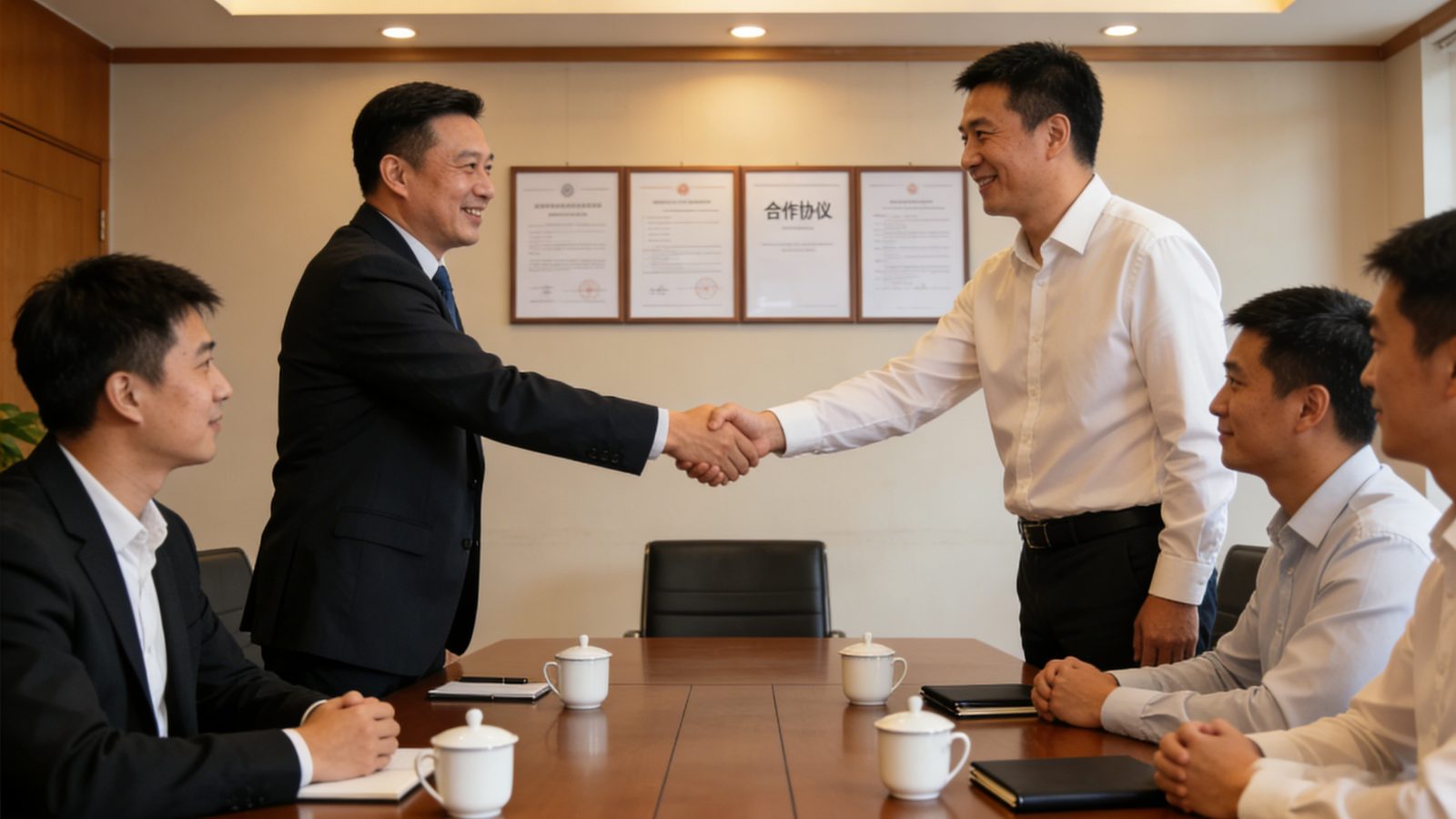
In modern supply chain management, reducing procurement costs is not simply about negotiating lower quotes; it requires selecting the right manufacturing strategy from the beginning. Based on years of project experience, Xiamen Ruicheng has found that integrating stamping considerations into product design can significantly improve manufacturing efficiency in later stages. When design and manufacturing processes are aligned from the start, companies can achieve long-term cost stability without sacrificing product reliability. The capabilities of the manufacturer, including tooling expertise and automation infrastructure, directly influence the final production cost.
1.Design compatibility: Hardware components should be designed with stamping feasibility in mind.
2.Tooling optimization: Efficient mold design improves cycle time and reduces operational costs.
3.Automated production: Automated stamping lines ensure stable production efficiency.
4.Supply reliability: A mature manufacturing partner ensures long-term production stability.
Frequently Asked Questions (FAQ)
Question 1 (Product Evaluation): What are the key advantages or quality standards of your hardware stamping services?
Answer: Xiamen Ruicheng uses precision stamping dies and automated production lines to ensure stable quality and dimensional accuracy. Standard hardware components can typically maintain tolerances within ±0.05 mm. Multiple inspection procedures, including first-article inspection and batch sampling, are implemented to ensure consistency across large orders.
Question 2 (Cooperation Process): What information do we need to provide in order to receive a quotation for stamped hardware parts?
Answer: Buyers usually need to provide product drawings (CAD or STEP format), material requirements, surface treatment specifications, and estimated order quantities. After reviewing the documentation, the engineering team at Xiamen Ruicheng conducts a manufacturability analysis and provides an initial quotation with production suggestions, typically within 24 hours.
Question 3 (Procurement Implementation): What are the minimum order quantities and delivery times for stamped hardware components?
Answer: Prototype or trial production can often start from around 100 units to validate design feasibility. For full production runs, orders of 1000 pieces or more usually achieve better pricing efficiency. Standard production lead times are typically 7–12 days, depending on part complexity and tooling requirements.
Question 4 (After-Sales Assurance): How do you handle quality issues after delivery?
Answer: All orders from Xiamen Ruicheng undergo strict inspection before shipment. If a customer identifies a quality issue after receiving the goods, inspection data can be submitted for review. Once confirmed, the company can arrange rework or replacement and provide technical support to prevent similar issues in future batches.
Question 5 (Customization Capability): Can your company provide customized stamping solutions for specific production requirements?
Answer: Yes. Xiamen Ruicheng supports customized stamping projects based on customer drawings, material specifications, and application environments. After receiving detailed requirements, the engineering team typically provides a feasibility analysis and preliminary manufacturing plan within three working days.
Conclusion
In large-scale hardware procurement, controlling costs requires more than simply negotiating material prices; the manufacturing process itself plays a decisive role. Metal stamping offers clear advantages in automated production, tooling amortization, and material efficiency, allowing companies to significantly reduce unit costs in mass production. For businesses with long-term hardware component demand, selecting a well-optimized stamping solution can be one of the most effective strategies for sustainable cost control. By partnering with an experienced manufacturer such as Xiamen Ruicheng, companies can achieve a balance between quality stability and manufacturing efficiency.
For expert assistance in implementing for your production needs, visit our resource center or contact us. Let’s help you scale up your manufacturing with precision and efficiency!