Introduction
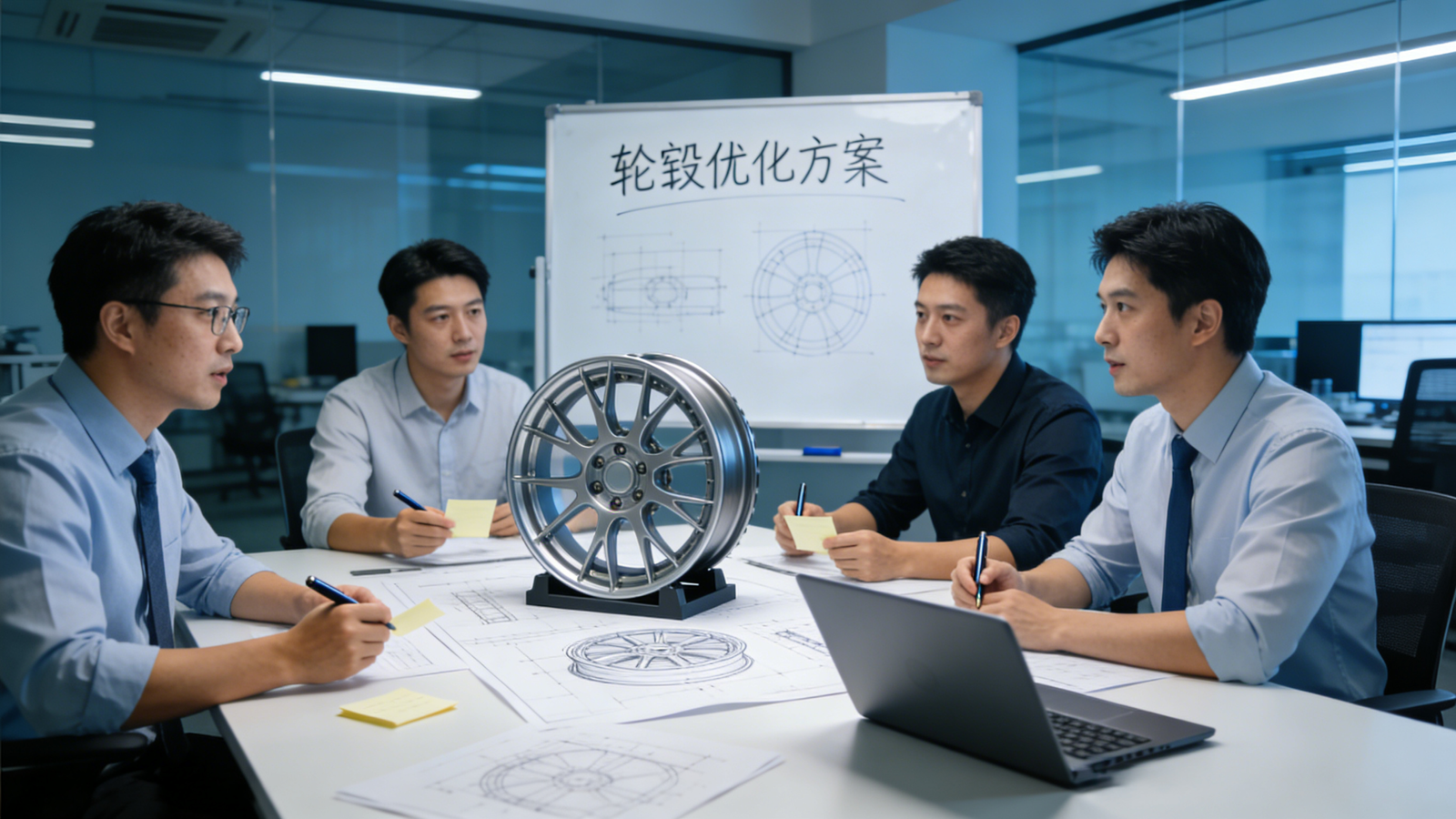
The automotive industry is rapidly advancing toward lightweight design, and wheel hubs have become a critical component in this transformation. As a key structural part that bears vehicle load and transfers driving force, wheel hubs must maintain both structural strength and reduced weight to meet modern vehicle performance requirements. In high-performance and new energy vehicles, forged aluminum wheel hubs are increasingly replacing traditional cast solutions.
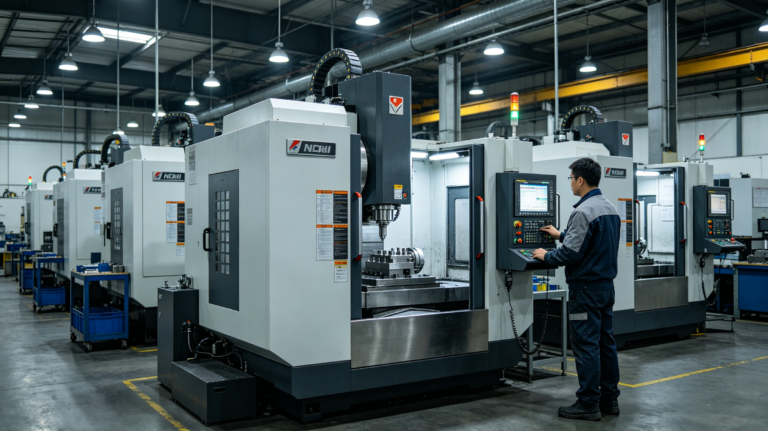
During real manufacturing processes, wheel hubs must withstand complex dynamic loads from acceleration, braking, and road impact. These requirements make the balance between durability, fatigue resistance, and weight reduction particularly challenging. Xiamen Ruicheng leverages advanced metal processing capabilities to deliver reliable aluminum alloy forging solutions for wheel hub manufacturing.
Why is it difficult to balance wheel strength and weight in design?
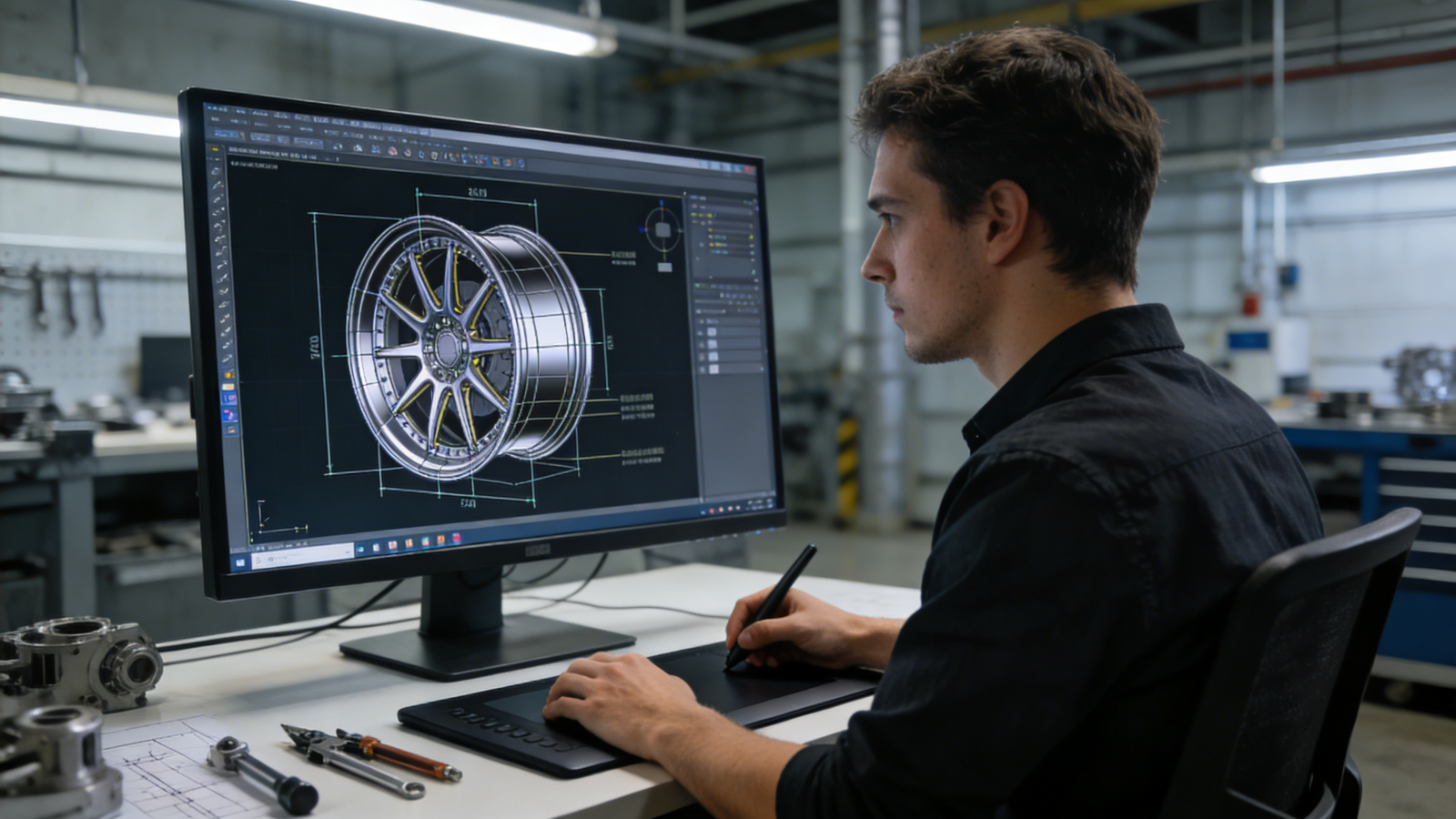
In automotive engineering, wheel hubs must support vehicle weight while transferring torque and absorbing road impact forces, which means structural strength is essential. However, reducing material thickness to lower weight often leads to decreased durability and fatigue resistance. Modern manufacturers increasingly adopt aluminum alloys combined with forging technology to optimize internal material structure and improve mechanical properties. A well-balanced combination of material selection and forming process can significantly improve both strength and weight efficiency. Xiamen Ruicheng applies advanced metal processing techniques and optimized die design to ensure that forged wheel hubs achieve excellent performance without unnecessary mass.
Material Properties: High-strength aluminum alloys provide excellent mechanical performance while maintaining low density.
Structural Design: Optimized spoke structures distribute stress efficiently without increasing overall weight.
Process Influence: Forging improves metal grain flow, enhancing fatigue resistance and durability.
Manufacturing Control: Precise mold design and temperature control ensure dimensional stability and structural integrity.
🚗 The balance between strength and weight depends largely on material engineering and manufacturing technology.
Why does aluminum alloy forging improve wheel hub performance?
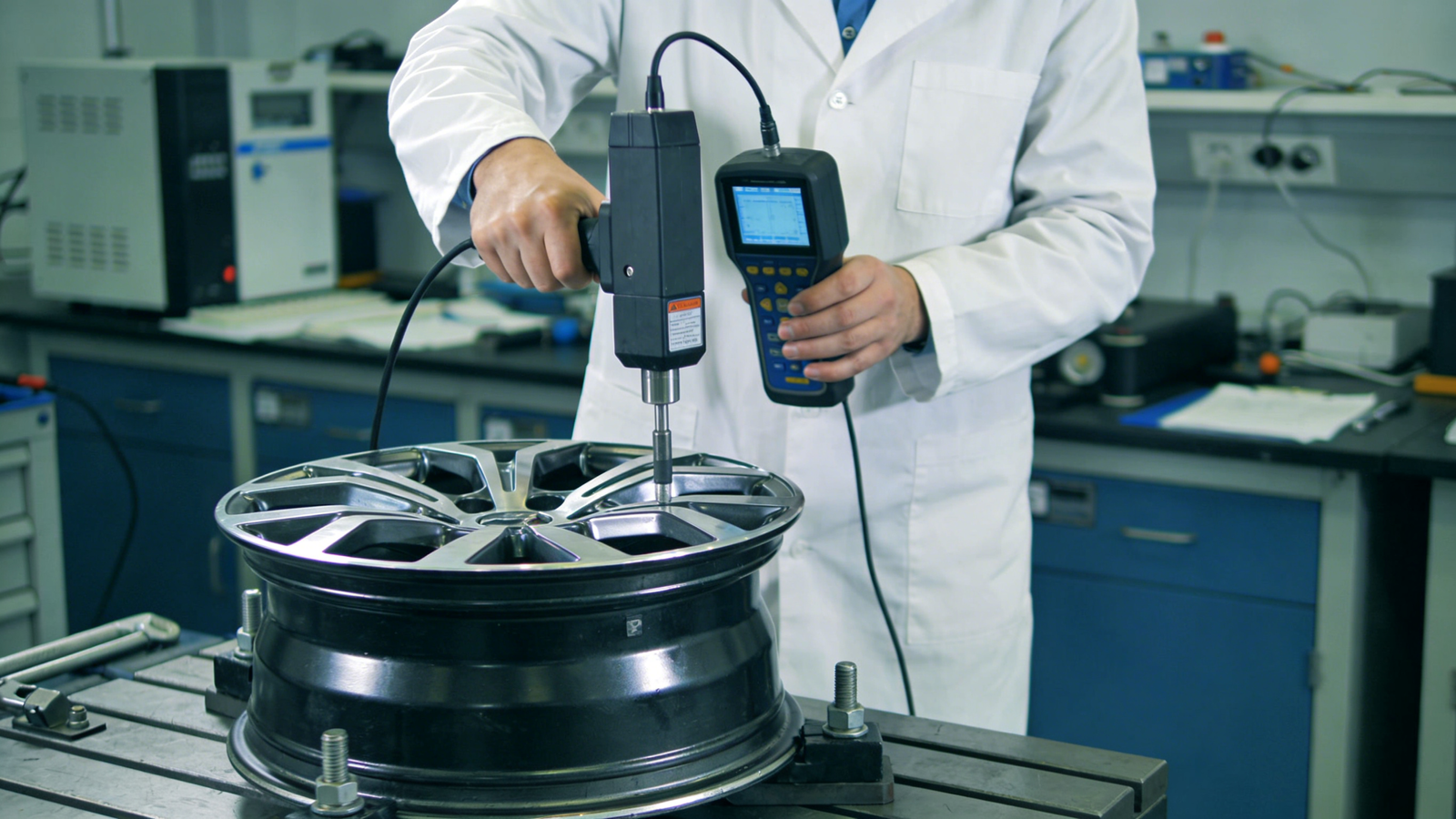
Aluminum alloy forging involves applying high pressure to shape heated metal, which refines grain structure and forms continuous metal flow lines inside the material. These structural improvements significantly increase impact resistance and fatigue life compared to conventional casting. In automotive manufacturing, aluminum forging combined with advanced heat treatment is widely used to enhance component strength and durability. Forged metal flow structures greatly improve the fatigue life of wheel hubs under repeated load cycles. Xiamen Ruicheng ensures consistent forging quality through strict temperature control and advanced press equipment.
Grain Refinement: Forging compresses the metal structure and creates a more uniform grain distribution.
Strength Improvement: Continuous metal flow lines increase tensile strength and fatigue resistance.
Structural Integrity: Forged components contain fewer internal defects such as porosity or shrinkage cavities.
Stable Performance: Combined heat treatment processes further enhance mechanical performance.
⚙️ Forging transforms aluminum alloys into stronger and more durable structural components.
What automotive applications benefit most from forged aluminum wheels?

With the rise of electric vehicles and high-performance automobiles, wheel hubs must meet stricter requirements for weight reduction and durability. Manufacturers increasingly adopt forged wheels due to their superior structural performance and reliability. Aluminum alloys also play an important role in vehicle lightweighting strategies because of their high strength-to-weight ratio. Forged aluminum wheels can reduce overall vehicle weight while maintaining high structural safety standards. Xiamen Ruicheng provides customized forging solutions that help automotive manufacturers optimize wheel performance and manufacturing efficiency.
Electric Vehicles: Reduced wheel weight helps improve driving range and energy efficiency.
Performance Cars: Stronger wheels can withstand higher torque and aggressive driving conditions.
Commercial Vehicles: Enhanced fatigue resistance improves long-term durability.
Custom Development: Tailored designs allow manufacturers to achieve optimal performance targets.
🏎️ Forged aluminum wheels are becoming the preferred solution for advanced automotive engineering.
Comparison of Aluminum Wheel Manufacturing Processes
| Manufacturing Method | Strength | Weight Control | Structural Stability | Production Cost | Typical Application |
|---|---|---|---|---|---|
| Cast Wheels | Medium | Medium | Average | Low | Standard passenger vehicles |
| Flow-Formed Wheels | Higher | Good | Stable | Medium | Mid-range performance cars |
| Forged Wheels | Very High | Excellent | Extremely Stable | Higher | High-performance vehicles |
| CNC Machined Wheels | High | Moderate | Stable | High | Custom or low-volume production |
If you are looking for a reliable manufacturing partner for wheel hub production, the engineering team at Xiamen Ruicheng is ready to support your project: contact us
How aluminum forging helps manufacturers optimize wheel design
As automotive engineering evolves toward higher safety standards and lighter structures, wheel hub manufacturing is gradually shifting from casting to forging technology. Xiamen Ruicheng integrates material engineering, mold development, and advanced metal processing to provide customers with complete manufacturing solutions. Through precise process control and engineering expertise, forged aluminum hubs achieve optimal balance between strength and weight.
1.Material Optimization: Selecting suitable aluminum alloy grades improves strength-to-weight performance.
2.Structural Engineering: Optimized spoke geometry reduces excess material while maintaining strength.
3.Process Stability: Controlled forging temperature and pressure ensure consistent product quality.
4.Quality Assurance: Multi-stage inspection ensures compliance with automotive safety standards.
FAQ – Procurement Decision Guide
Question 1 (Product Evaluation): What are the core advantages or quality benchmarks of your aluminum forging wheel hub manufacturing service?
Answer: Xiamen Ruicheng utilizes high-strength aluminum alloys combined with precision forging and advanced heat treatment processes. This ensures excellent tensile strength, fatigue resistance, and dimensional accuracy for wheel hubs used in demanding automotive applications.
Question 2 (Cooperation Process): What information do we need to provide to receive a quotation for aluminum forged wheel hubs?
Answer: Customers typically provide design drawings, material specifications, estimated order quantity, and application requirements. Our engineering team will analyze these details and provide a detailed quotation including production timeline and technical recommendations.
Question 3 (Procurement Implementation): What are the minimum order quantities and delivery times for different order sizes?
Answer: For prototype or testing phases, smaller batch production is available. For mass production orders, manufacturing schedules can be optimized to ensure stable supply and efficient delivery timelines.
Question 4 (After-sales and Risk Control): How do you handle quality issues or performance deviations after delivery?
Answer: Xiamen Ruicheng provides a comprehensive after-sales support system. If a quality issue is confirmed, our technical team will conduct root-cause analysis and provide repair, replacement, or process optimization solutions.
Question 5 (Customization Capability): Can you customize forged wheel hubs based on our specific application requirements?
Answer: Yes. Xiamen Ruicheng supports customized development including material selection, structural optimization, and forging process adjustment. Our engineers will evaluate your requirements and design a suitable manufacturing solution.
Conclusion
Modern automotive manufacturing requires wheel hubs that deliver both structural strength and lightweight performance. Aluminum alloy forging technology improves internal metal structure, allowing wheel hubs to achieve higher durability and lower weight simultaneously. With advanced metal processing expertise and engineering experience, Xiamen Ruicheng provides reliable forged wheel solutions for automotive manufacturers. For companies pursuing high performance and long-term reliability, forged aluminum hubs are an increasingly important manufacturing choice.
For expert assistance in implementing for your production needs, visit our resource center or contact us. Let’s help you scale up your manufacturing with precision and efficiency!