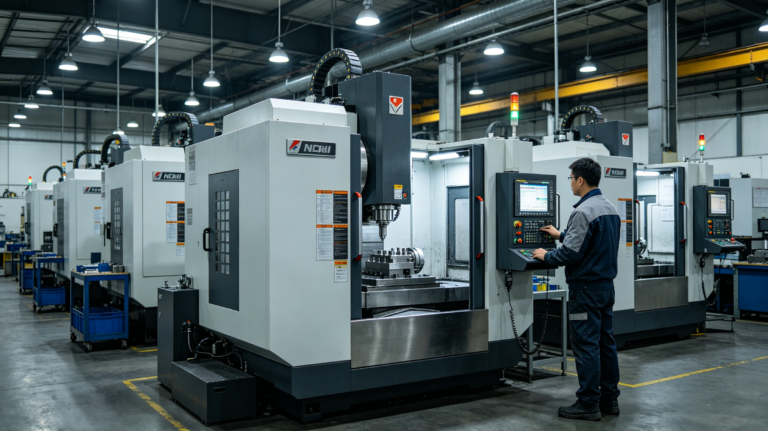
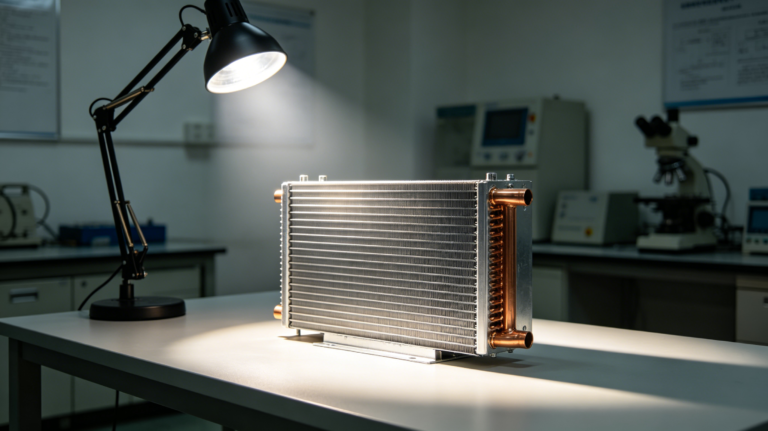
Introduction
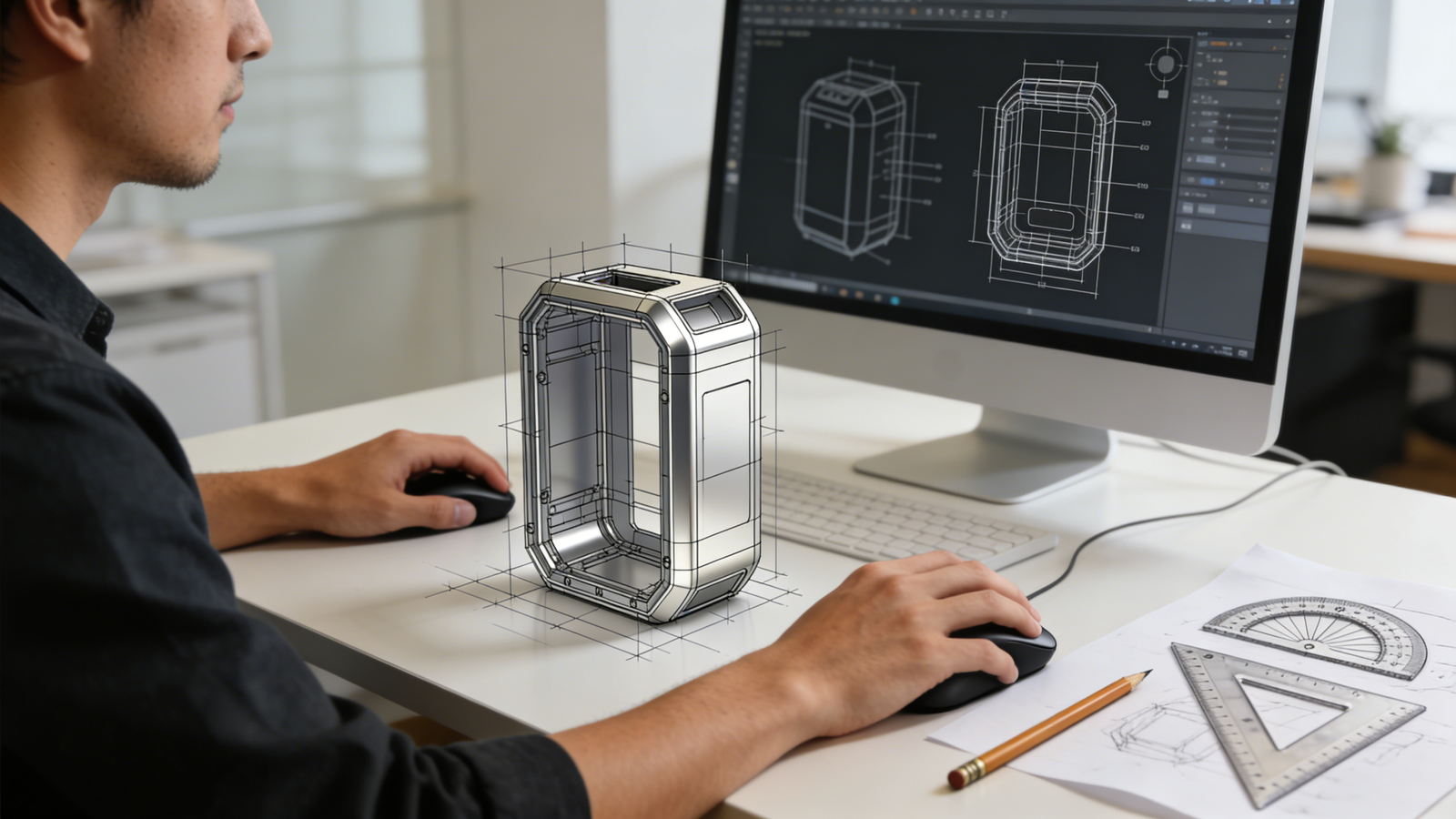
In modern electronics, smart devices, and industrial equipment manufacturing, the production efficiency of thin housing components directly affects product launch timelines and manufacturing costs. As product designs move toward lighter and more compact structures, many traditional manufacturing methods struggle to maintain stable efficiency when producing thin-wall parts. For manufacturers targeting high-volume production, selecting a stable and efficient forming process becomes a key competitive advantage.
Through years of collaboration with electronics and equipment manufacturers, Xiamen Ruicheng has observed that stainless steel stamping can significantly improve the manufacturing rhythm and consistency of thin housing components. By optimizing die design, selecting proper materials, and integrating automated production systems, manufacturers can dramatically increase overall production efficiency. When supported by a mature stamping process, stainless steel components can meet thin-wall structural requirements while achieving excellent stability in large-scale production.
Why Is the Forming Efficiency of Thin Housing Parts Low?
In the production of housing components, thin metal parts often face challenges such as material springback, dimensional stability, and production cycle balance. Many factories still rely on traditional machining or inefficient forming routes, which reduces production efficiency. In some cases, key processes like metal stamping and the mechanical behavior of stainless steel materials are not fully considered during the design stage. When process planning fails to account for thin-wall characteristics, production efficiency often declines significantly during mass manufacturing.
Material springback: Thin stainless steel sheets tend to spring back after forming, making dimensional control more difficult.
Die structure limitations: If the stamping die is not designed for continuous operation, production frequently pauses for adjustment.
Insufficient production rhythm: Low-speed equipment limits the achievable stamping cycles per minute.
Complex manufacturing routes: Multiple machining steps increase overall production time and reduce efficiency.
⚙️ Understanding the real causes of low forming efficiency is the first step toward improving thin housing manufacturing.
How Can Stainless Steel Stamping Improve Housing Production Efficiency?
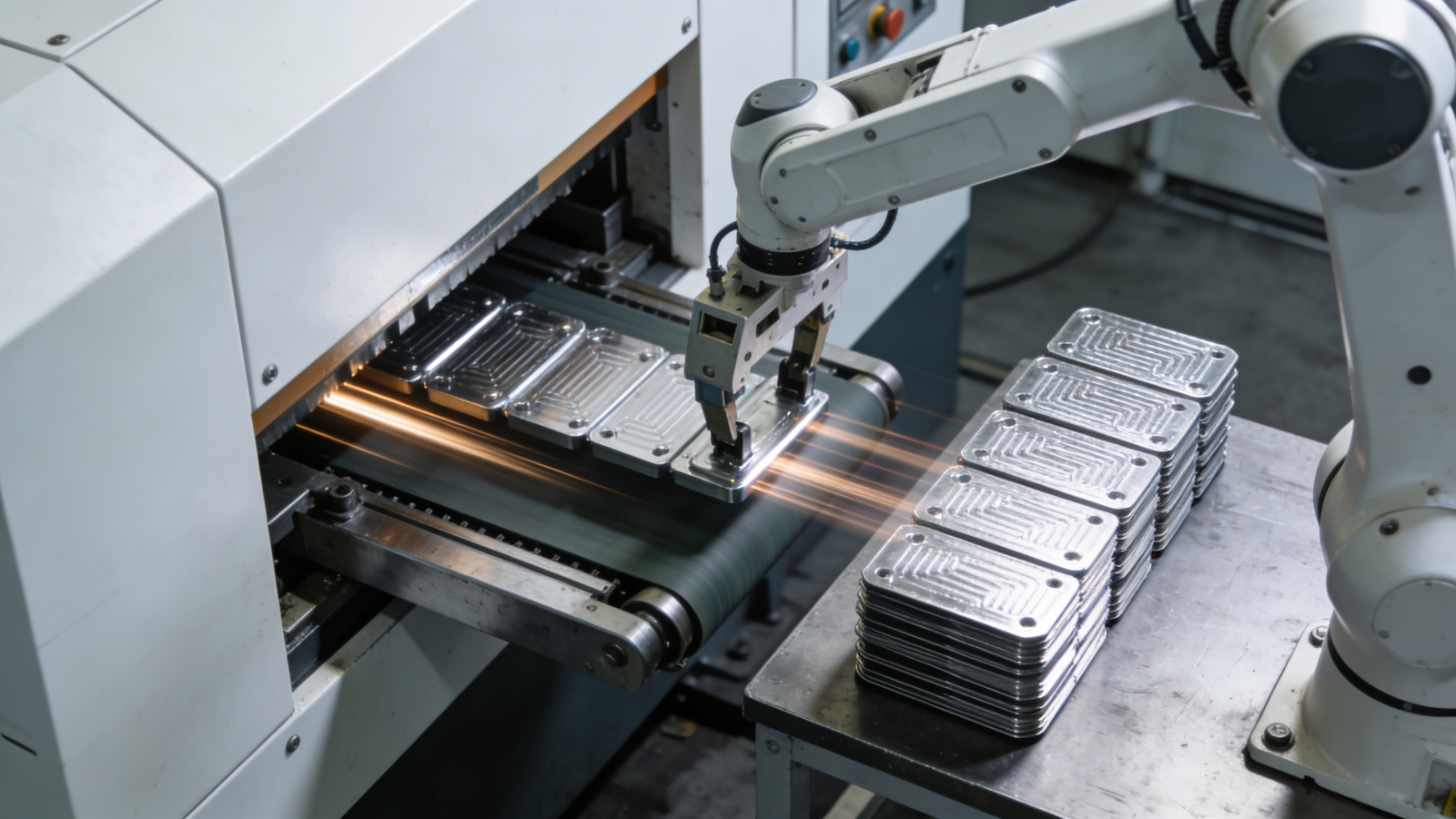
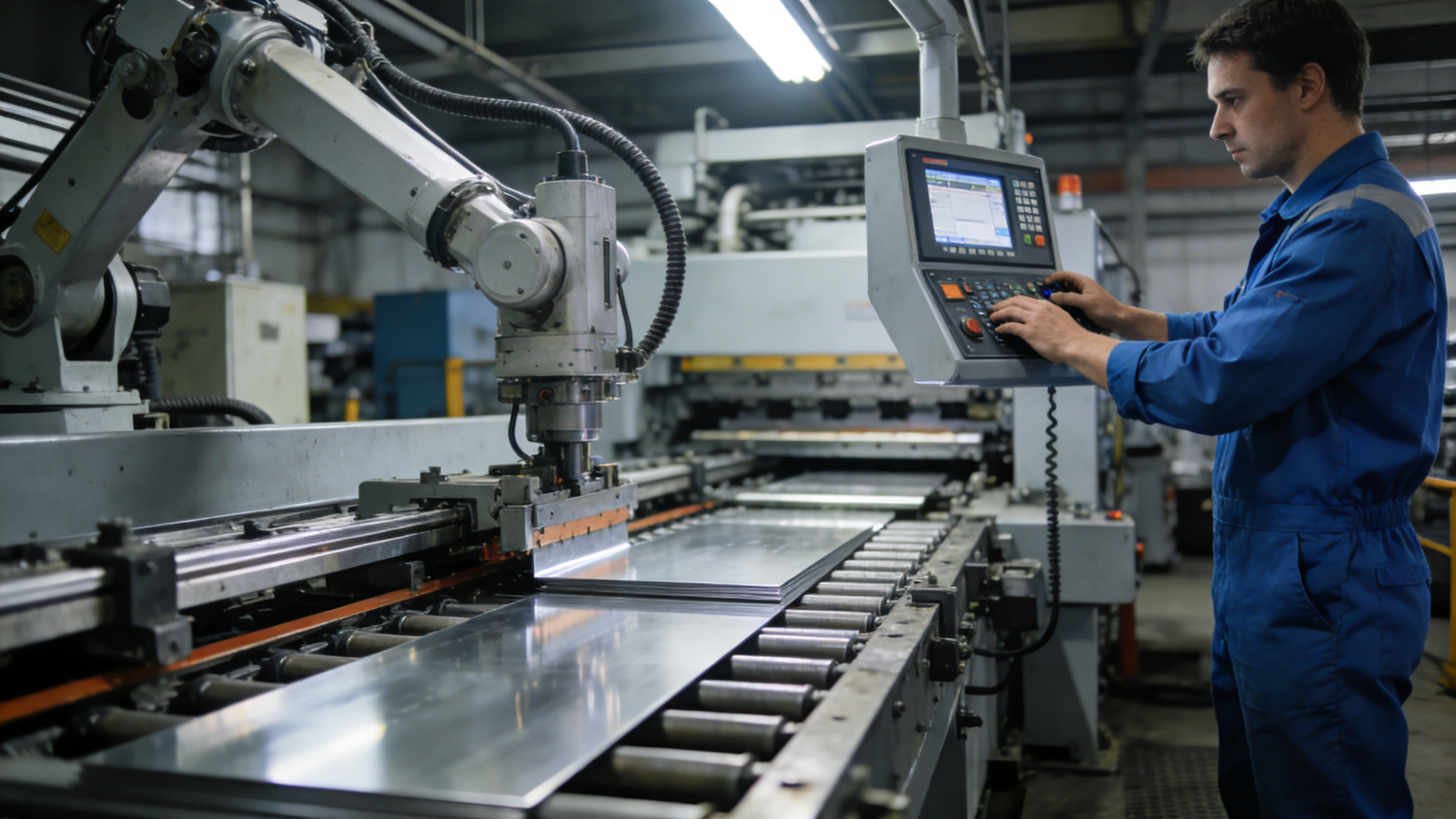
For high-volume housing components, stainless steel stamping provides a highly efficient manufacturing solution. Through optimized die design and automated feeding systems, multiple forming steps can be completed within a single continuous process. Technologies such as progressive die stamping and advanced metal forming processes enable high-speed production without sacrificing dimensional stability. In a mature stamping system, a single production line can significantly increase output while maintaining consistent quality.
Continuous stamping process: Progressive dies allow several forming steps to be completed in one production cycle.
Material utilization improvement: Optimized strip layout reduces material waste and increases yield.
Automation integration: Automatic feeding and robotic unloading reduce manual handling time.
High batch consistency: Stamping provides excellent repeatability, which supports large-scale standardized production.
🏭 A mature stainless steel stamping process can simultaneously improve efficiency and production stability.
How to Choose a Reliable Stainless Steel Stamping Supplier?
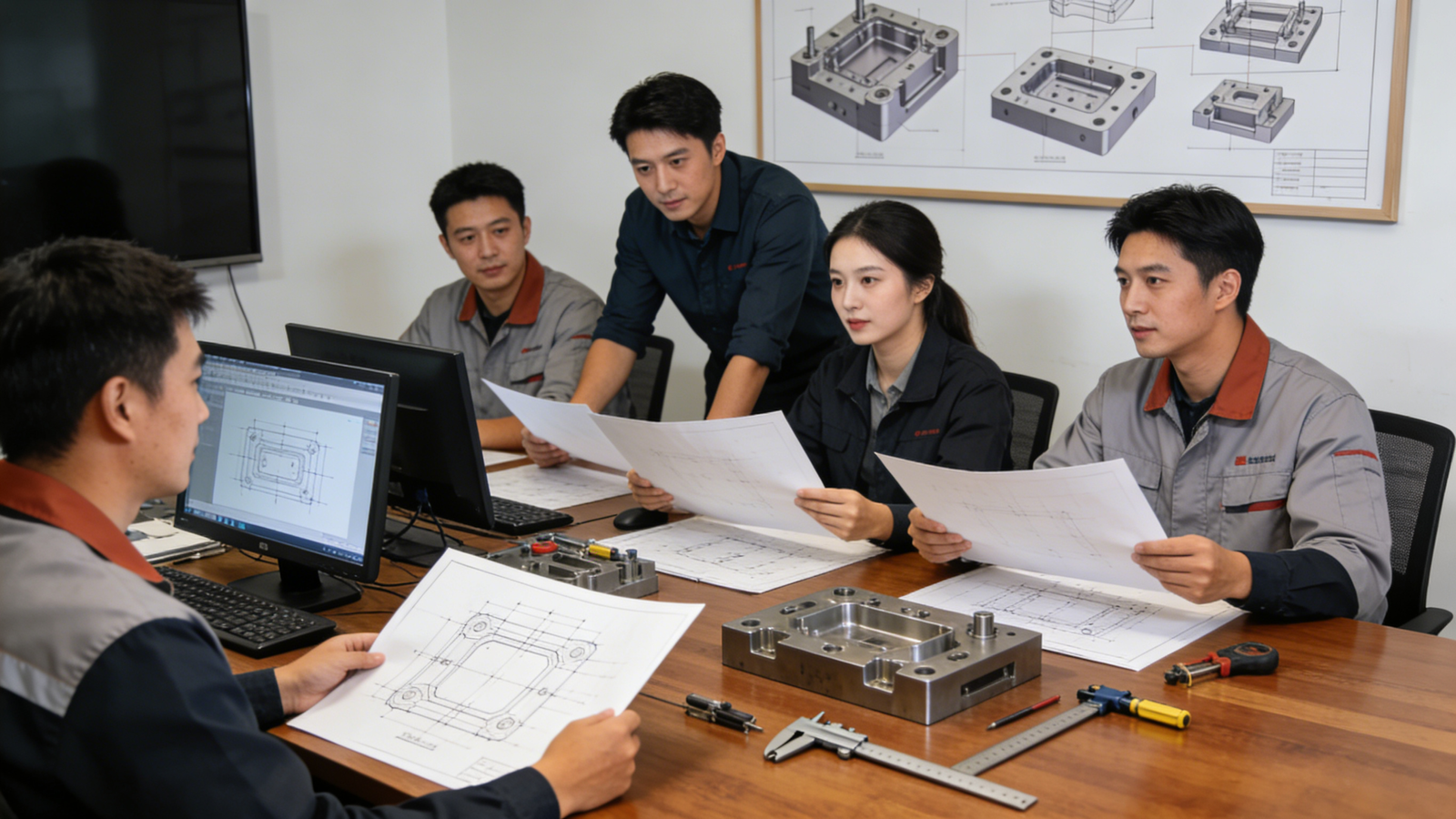
In real procurement scenarios, the capabilities of a supplier determine whether a project can move forward smoothly. Many companies focus only on pricing while ignoring key engineering factors such as the supplier’s experience in stamping die design and their expertise in precision metalworking. Choosing a supplier with strong engineering and manufacturing capabilities often prevents costly production issues at an early stage.
Die development expertise: Experienced engineering teams can optimize forming structures before mass production begins.
Production equipment capacity: High-precision stamping presses and automation systems ensure stable manufacturing.
Quality control system: Comprehensive inspection procedures maintain consistent dimensional accuracy.
Project collaboration ability: Suppliers capable of design collaboration can significantly improve production efficiency.
🔧 Selecting a technically capable supplier is critical for successful project execution.
Efficiency Comparison of Stainless Steel Stamping and Other Manufacturing Methods
| Manufacturing Method | Production Efficiency | Cost Structure | Suitable Volume | Stability |
|---|---|---|---|---|
| Stainless Steel Stamping | High | Low unit cost after tooling | Large batch | High |
| CNC Machining | Medium | High per-piece cost | Small batch | High |
| Laser Cutting | Medium | Moderate material utilization | Medium batch | Medium |
| Sheet Metal Bending | Medium | Multiple processing steps | Small-to-medium batch | Medium |
If you are evaluating production efficiency and cost optimization for thin housing parts, our engineering team at Xiamen Ruicheng can provide professional guidance. contact us
Strategies for Improving Thin Housing Production Efficiency
Improving production efficiency for thin housing components is not achieved by changing a single process. Instead, it requires a comprehensive approach covering product design, tooling strategy, material selection, and manufacturing systems. Based on years of project experience, Xiamen Ruicheng often participates in the product development stage to evaluate manufacturability and reduce unnecessary processing steps. When design optimization, tooling engineering, and automated production systems work together, the efficiency and reliability of thin metal housing manufacturing can be significantly improved.
1.Design optimization stage: Evaluate stamping feasibility early in product development to reduce later modifications.
2.Tooling structure improvement: Use progressive or compound dies to enable high-speed continuous production.
3.Material-process matching: Select stainless steel grades suitable for both strength and formability.
4.Automation integration: Combine automated feeding and inspection systems to enhance production capacity.
Frequently Asked Questions (FAQ)
Question 1: What are the core quality standards of your stainless steel stamping parts?
Answer: At Xiamen Ruicheng, stainless steel stamping parts are produced using high-precision presses and carefully designed tooling systems. Typical dimensional tolerances can reach ±0.02 mm depending on part geometry. Multiple inspection procedures are integrated into the production process to ensure consistent quality, which is critical for electronics housings and industrial structural components.
Question 2: What information is required to request a quotation for stainless steel stamping parts?
Answer: Buyers usually need to provide product drawings (CAD or 3D files), material specifications, surface treatment requirements, and estimated order quantities. After receiving the information, the engineering team at Xiamen Ruicheng performs an initial manufacturability review and provides a detailed quotation including tooling suggestions and estimated production timelines.
Question 3: What are the minimum order quantities and lead times for different purchase volumes?
Answer: During the prototyping stage, small-batch production is typically supported for verification purposes. Once the project enters mass production, large orders are scheduled according to production capacity. Standard lead times generally range from 7 to 15 days depending on product complexity and order quantity.
Question 4: How do you handle quality issues or delivery delays?
Answer: Xiamen Ruicheng operates a full traceability and quality control system. If a product deviation is identified after delivery, inspection reports can be reviewed to verify the issue. Once confirmed, corrective actions such as replacement production, process adjustments, or technical support will be provided to ensure project continuity.
Question 5: Can you provide customized stamping solutions based on special production requirements?
Answer: Yes. Xiamen Ruicheng supports customized stamping solutions tailored to different structural designs, materials, and application environments. Our engineering team can analyze specific product requirements and provide optimized manufacturing solutions along with estimated timelines and cost evaluations.
Conclusion
The manufacturing efficiency of thin housing components depends not only on production equipment but also on process planning, tooling design, and supply chain collaboration. Stainless steel stamping remains one of the most efficient metal manufacturing methods for high-volume production. When optimized tooling, automated systems, and engineering expertise are combined, thin housing manufacturing can achieve both high efficiency and stable quality. By partnering with experienced manufacturers like Xiamen Ruicheng, companies can accelerate product launches while maintaining reliable production performance.
For expert assistance in implementing solutions for your production needs, visit our resource center or contact us. Let’s help you scale up your manufacturing with precision and efficiency!