Introduction
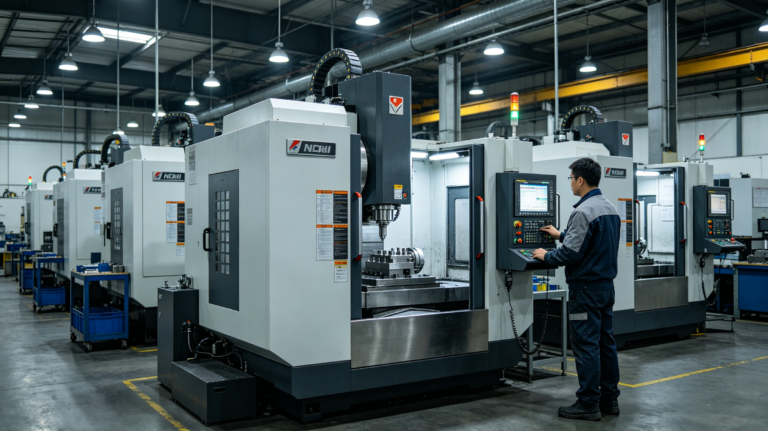
Startups often need to move quickly from concept to functional prototypes, and low-volume CNC machining becomes a key bridge between product design and real manufacturing. Choosing the right supplier not only influences development speed but also affects cost control and the ability to capture market opportunities. For resource-limited startup teams, a reliable manufacturing partner is often more valuable than simply having access to machines.
During early product development, many teams focus mainly on price while overlooking engineering collaboration, communication efficiency, and delivery stability. As product complexity increases, CNC machining becomes more than just a manufacturing task—it evolves into a technical partnership. A professional CNC supplier can support startups throughout the entire development process, from product demonstration to strategic decision support.
What Core Capabilities Should Startups Prioritize When Selecting a Low-Volume CNC Supplier?
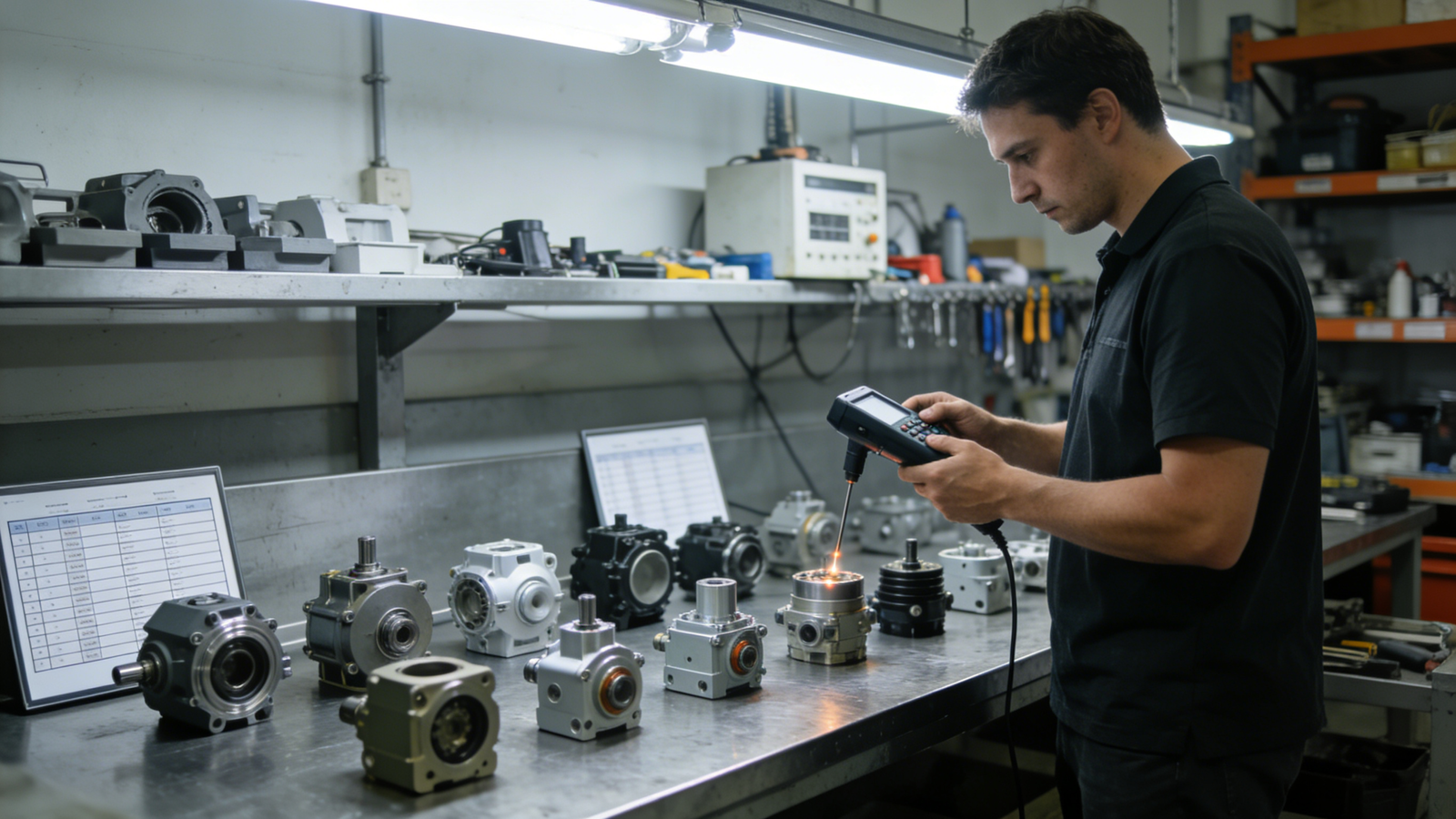
During the transition from product concept to prototype, the comprehensive capability of a CNC supplier directly affects development efficiency and product quality. Startups often lack a mature supply chain, so they benefit from partners with strong engineering support, fast prototyping capacity, and stable delivery capability, especially those experienced in low-volume CNC machining and advanced metal machining. In real development projects, the true value of a supplier lies not in a single machining capability but in their understanding of the entire product development cycle.
Engineering evaluation capability: A qualified supplier can conduct manufacturability analysis before production, helping optimize design and reduce future modification costs.
Rapid prototyping ability: Experienced machining teams can produce samples quickly so that products enter testing phases earlier.
Material processing experience: Suppliers familiar with multiple materials can handle aluminum alloys, stainless steel, and engineering plastics.
Project communication efficiency: Professional engineers can respond quickly to design changes and propose practical solutions.
🚀 For startups, a supplier’s engineering collaboration ability is often more important than equipment scale alone.
How Can a Low-Volume CNC Supplier Help Startups Reduce Development and Trial Production Risks?
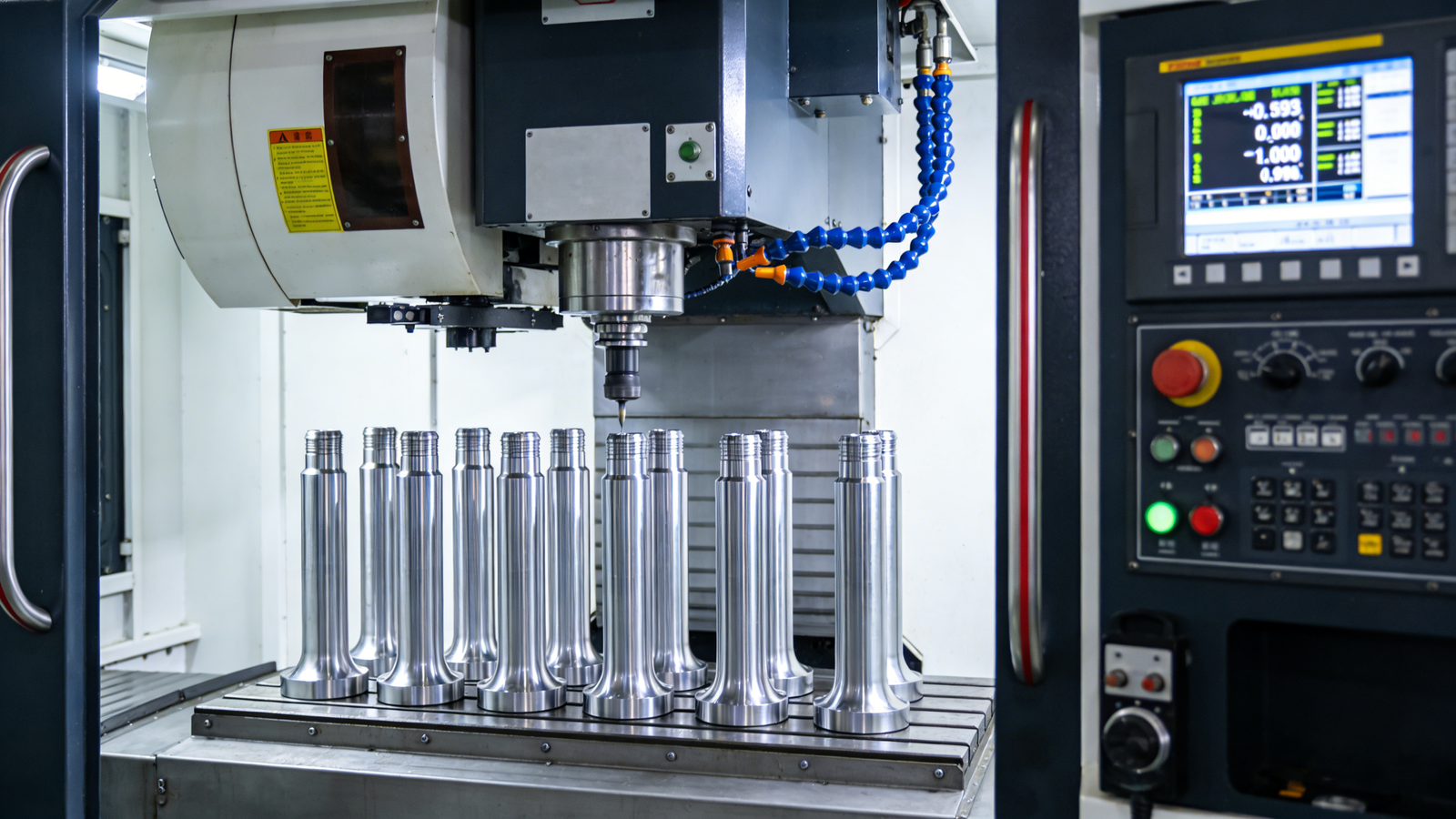
During product development, structural designs usually require multiple rounds of testing and improvement. If a supplier cannot provide technical advice or fast iteration capabilities, development timelines may extend significantly. Experienced teams can provide early design suggestions while leveraging rapid prototyping and CNC machining technologies to accelerate validation cycles. In many cases, a CNC supplier capable of participating in design optimization effectively becomes part of the startup’s engineering team.
Design optimization support: Engineering teams can recommend structural improvements based on manufacturing experience.
Fast iteration cycles: Suppliers can quickly manufacture multiple prototype versions to support product validation.
Stable machining processes: Consistent machining quality reduces dimensional variation during testing stages.
Smooth transition to trial production: Mature suppliers help startups move from prototype to small-batch production efficiently.
🔧 A professional CNC supplier contributes far more than machining—they become a technical partner in the development phase.
How Can Startups Evaluate Whether a CNC Manufacturer Has Long-Term Supply Capability?
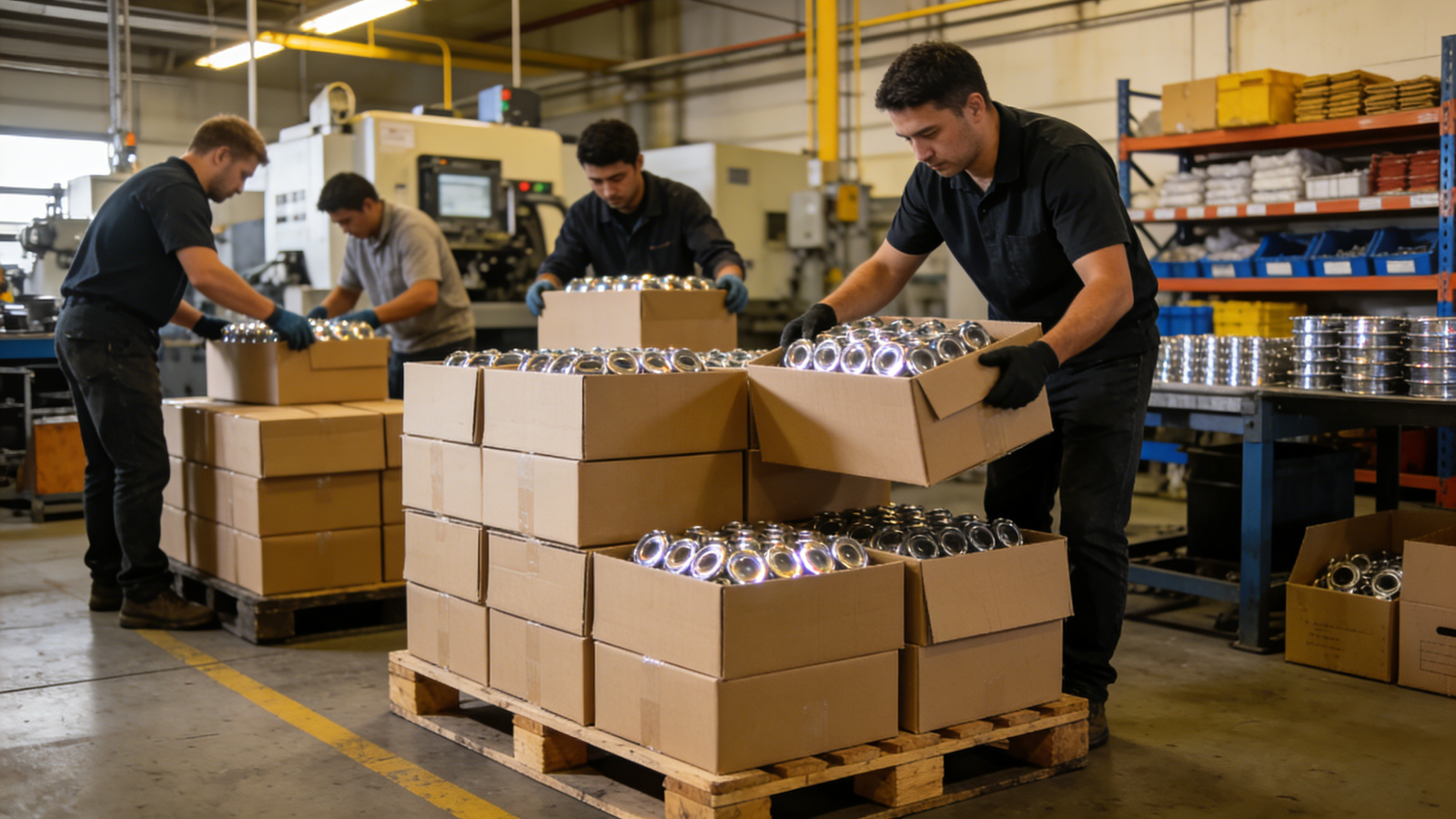
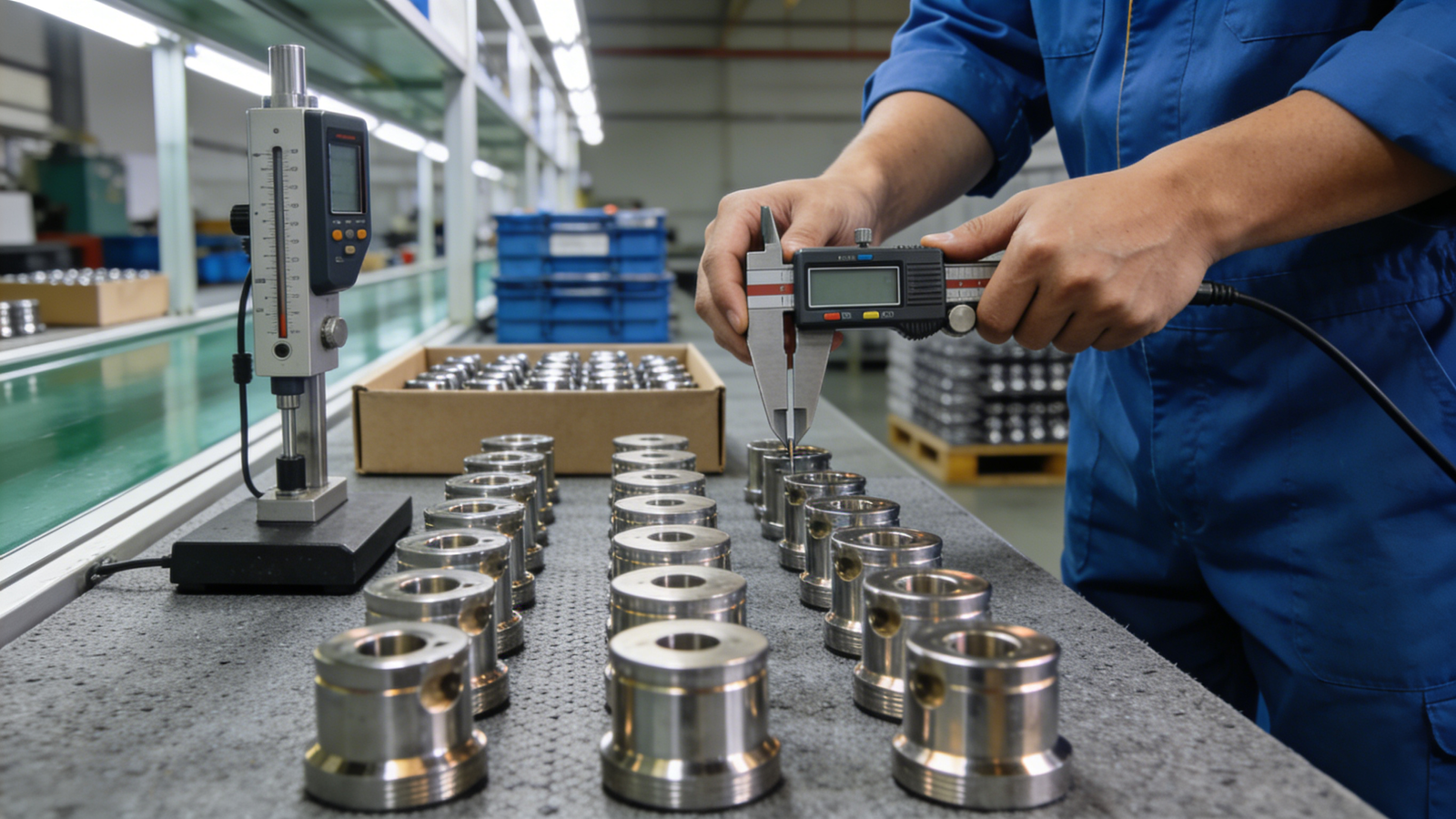
As products move closer to market validation, startups must evaluate whether their suppliers can maintain stable production and consistent quality. Manufacturers with standardized processes often operate with structured production systems, advanced inspection equipment, and strict quality control procedures. Many reliable factories rely on frameworks such as quality management systems and precision machine tools to ensure stable manufacturing results. A supplier’s potential to scale production is a crucial factor for startups preparing for market expansion.
Quality management systems: Standardized quality control ensures consistent dimensions across production batches.
Equipment stability: High-precision CNC machines maintain accuracy for complex parts.
Scalable capacity: Reliable suppliers can increase production capacity when demand grows.
Long-term collaboration experience: Factories with diverse project experience understand evolving client needs.
🏭 Stable manufacturing capability helps startups avoid supply chain risks as their products grow.
Capability Comparison for Low-Volume CNC Suppliers in Startup Projects
| Evaluation Criteria | Basic Workshop | Small Job Shop | Medium CNC Factory | Xiamen Ruicheng |
|---|---|---|---|---|
| Engineering Support | Basic machining | No design support | Technical staff | Full DFM analysis |
| Prototyping Speed | 5-10 days | Unstable | 3-7 days | 24-72 hours |
| Material Capability | Common materials | Limited | Multiple materials | Metal + engineering plastics |
| Machining Accuracy | ±0.05 mm | Inconsistent | ±0.02 mm | ±0.01 mm |
| Quality Inspection | Basic check | None | Standard QC | Complete inspection system |
| Production Capacity | Medium | Low | Medium-High | Prototype to mass |
| Engineering Communication | Average | Weak | Good | Dedicated engineer support |
| Project Experience | Average | Limited | Good | Extensive B2B projects |
If you are searching for a reliable CNC manufacturing partner that supports both prototyping and small-batch production, feel free to reach out at contact us
Why More Startups Are Partnering with Professional CNC Manufacturers
Startups often face constraints in time, budget, and technical resources during product development, which makes choosing the right CNC supplier a strategic decision. Companies like Xiamen Ruicheng provide engineering involvement during early product evaluation and accelerate development through rapid prototyping and optimized machining processes. Professional CNC manufacturers do more than produce parts—they help reduce trial-and-error costs during development. This collaborative approach allows startup teams to focus on innovation and market expansion while manufacturing experts manage the technical production challenges.
1.Engineering collaboration: Professional suppliers participate in manufacturability analysis during the design stage.
2.Rapid prototyping: Efficient machining processes enable quick validation of product concepts.
3.Cost optimization: Proper machining strategies reduce trial production expenses.
4.Supply chain stability: Experienced factories support the transition from prototypes to larger production volumes.
FAQ – Common Questions from B2B Buyers
Question: What are the core advantages or quality standards of your low-volume CNC machining service?
Answer: Xiamen Ruicheng typically achieves machining accuracy of ±0.01 mm and uses structured inspection procedures to verify dimensional precision and surface quality. Multi-axis CNC equipment combined with coordinate measuring machines ensures each component meets engineering drawing requirements, supporting industries such as automation equipment, industrial components, and product development projects.
Question: If we plan to purchase low-volume CNC machining services, what information should we provide to receive a quotation quickly?
Answer: Clients usually need to submit 3D or 2D engineering drawings (STEP, IGES, or DWG format), required materials, surface finishing specifications, and estimated quantities. These documents can be submitted via email or online forms, and the engineering team at Xiamen Ruicheng typically provides an initial evaluation and quotation within a short response time.
Question: What are the minimum order quantity and lead time for prototype and small-batch production?
Answer: For prototype development, orders can typically start from a single piece. Small-batch trial production often ranges from 10 to 100 units, with standard machining lead times around 3–7 days depending on part complexity. When production volume increases, multiple CNC machines can be allocated to shorten delivery schedules.
Question: How does your company handle quality issues or dimensional deviations after delivery?
Answer: Xiamen Ruicheng follows a structured after-sales process. If dimensional discrepancies or functional issues are identified, the engineering team will analyze the cause and provide corrective actions, including re-machining or technical optimization, ensuring the project continues smoothly.
Question: Can you support long-term supply for growing startup companies?
Answer: For long-term partners, the factory maintains project documentation including machining programs and process parameters to ensure consistent quality across future orders. Production capacity can also be reserved according to demand forecasts, helping startups maintain a stable supply chain as their business grows.
Conclusion
When startups choose a low-volume CNC supplier, they should evaluate engineering expertise, machining accuracy, delivery speed, and long-term production capability rather than focusing solely on price. Manufacturers such as Xiamen Ruicheng provide comprehensive support from prototype development to small-batch production through strong engineering teams and stable machining processes. In today’s competitive product development environment, a reliable CNC manufacturing partner can significantly influence both development speed and product success. By collaborating with an experienced supplier, startups can build a stronger manufacturing foundation and bring innovative products to market faster.
For expert assistance in implementing for your production needs, visit our resource center or contact us. Let’s help you scale up your manufacturing with precision and efficiency!