Introduction
As industrial equipment continues to evolve toward higher performance and lighter structures, material selection has become a key factor influencing both product performance and lifecycle cost. Titanium alloy forgings, known for their excellent strength-to-weight ratio and corrosion resistance, are increasingly replacing traditional steel or aluminum components in demanding applications. Achieving the right balance between structural strength, durability, and weight reduction has become a major consideration in modern engineering procurement decisions.
Xiamen Ruicheng has been deeply involved in metal manufacturing and precision component production for many years, providing reliable titanium alloy forging solutions for a wide range of industrial applications. Through optimized forging processes and strict material control, titanium components can significantly reduce equipment weight while maintaining outstanding structural reliability. This advantage is driving more companies to re-evaluate titanium alloy forgings during product upgrades and new product development.
Which Industries Are Most Suitable for Titanium Alloy Forgings?
In modern manufacturing, titanium alloys are widely recognized for their superior strength-to-weight ratio and corrosion resistance, while parts produced through forging processes provide improved structural integrity and fatigue performance. In practice, Xiamen Ruicheng has observed that different industries require varying levels of reliability, weight reduction, and durability, and titanium alloy forgings are capable of balancing all these requirements. For companies seeking high-reliability structural components that can operate under demanding conditions, titanium alloy forgings are often the preferred engineering choice.
Aerospace Manufacturing: Aircraft structures require materials that can withstand extreme loads and temperature variations during long-term operation.
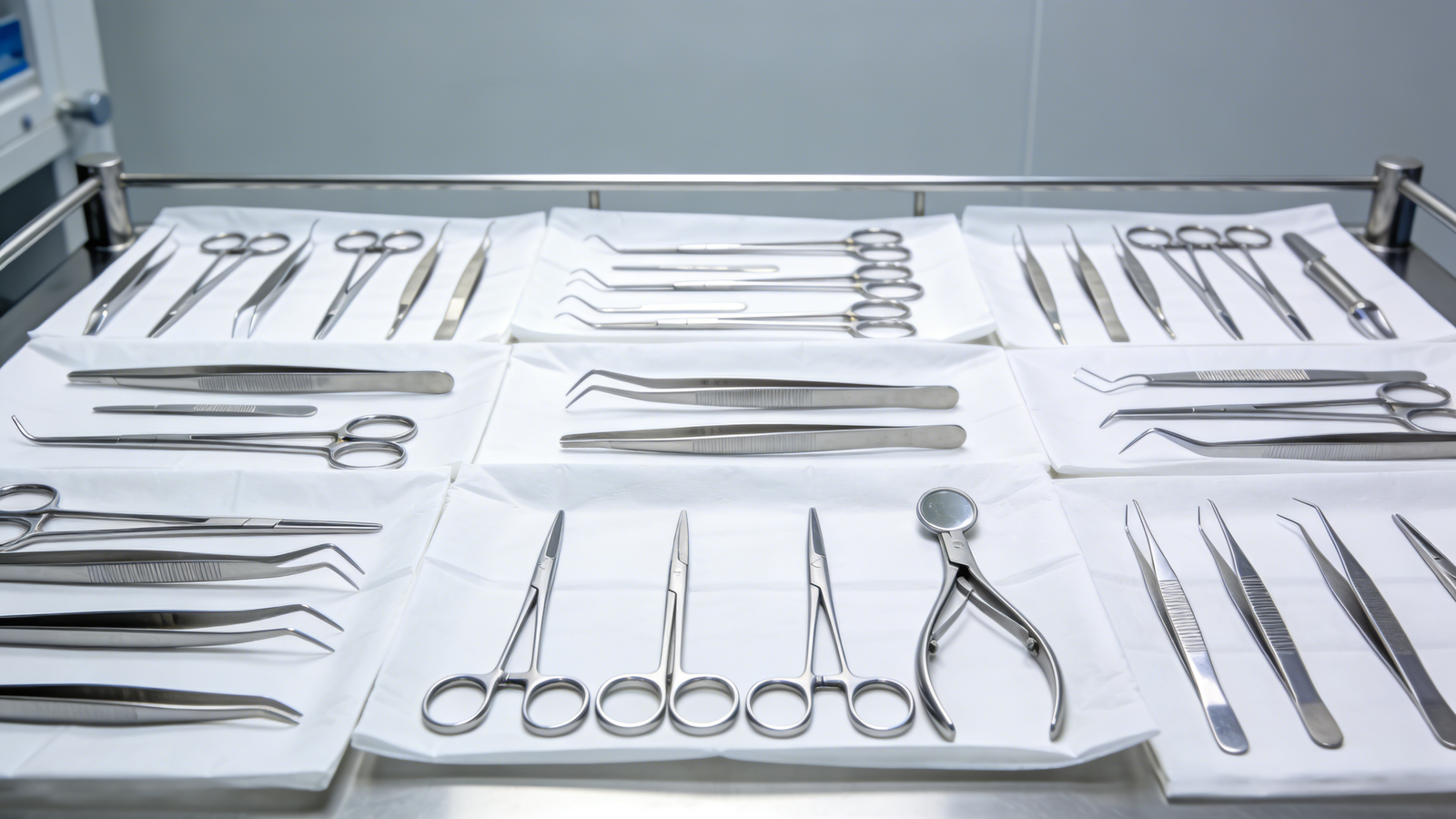
Medical Equipment: Precision medical devices and implants demand corrosion resistance and strong biocompatibility.
High-Performance Automotive: Performance vehicles aim to improve power-to-weight ratio while maintaining structural safety.
Industrial Machinery: Heavy-duty equipment requires materials that remain stable under continuous mechanical stress.
🚀 Titanium alloy forgings are widely adopted in industries that require both high structural strength and reduced component weight.
What Are the Core Advantages of Titanium Alloy Forgings Compared with Traditional Metals?
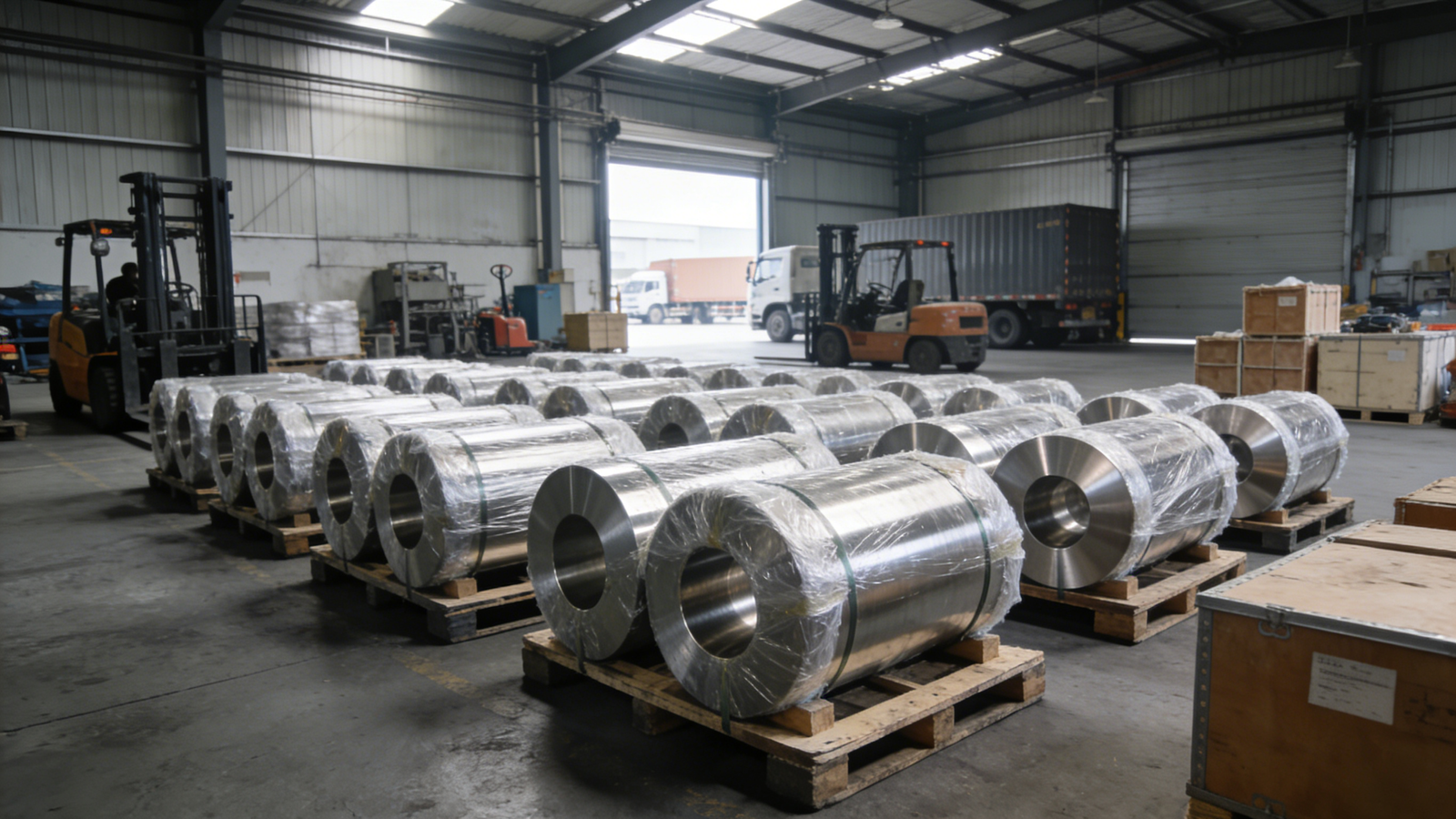
Compared with conventional metals, titanium alloy forging parts offer excellent mechanical strength combined with relatively low density, making them highly attractive for structural engineering applications. With advanced metal manufacturing technologies, the microstructure of forged titanium components can be refined to achieve better fatigue resistance and long-term reliability. This unique balance between strength and weight has positioned titanium alloys as one of the most valuable engineering materials in modern manufacturing.
High Strength-to-Weight Ratio: Titanium components provide strong structural performance while reducing overall product weight.
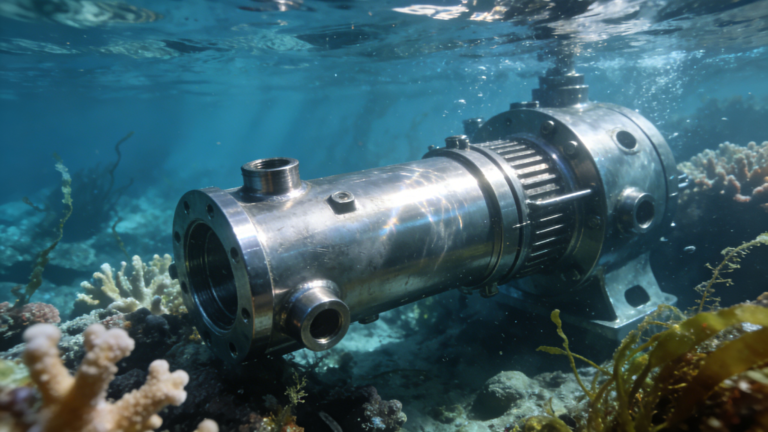
Excellent Corrosion Resistance: Titanium performs well even in marine or chemical environments.
Long Fatigue Life: Forged microstructures improve durability under repeated stress conditions.
Extreme Environment Stability: Titanium alloys maintain performance in both high and low temperature environments.
⚙️ For industries where reliability and long-term performance are critical, titanium alloy forgings provide a highly valuable material solution.
What Should Companies Evaluate When Choosing a Titanium Alloy Forging Supplier?
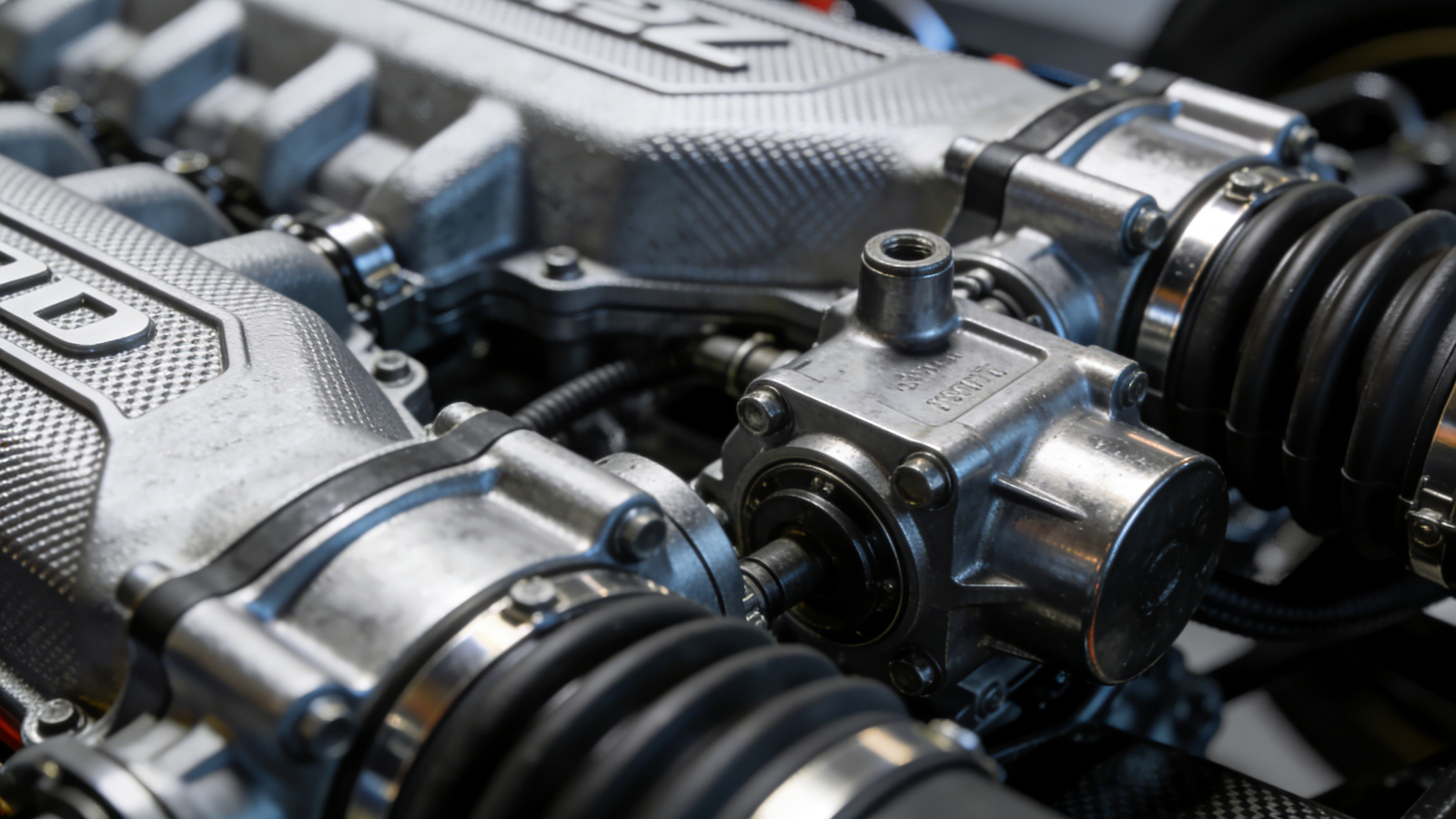
When sourcing titanium components, companies must evaluate not only material performance but also the supplier’s expertise in precision forging and quality control systems. Based on Xiamen Ruicheng’s experience serving global customers, stable production capabilities, strict inspection procedures, and strong engineering experience are the key factors that influence procurement decisions. Only suppliers with a mature manufacturing system and reliable quality assurance can ensure consistent performance in titanium alloy forging parts.
Engineering Experience: Mature forging expertise ensures stable internal material structure.
Inspection Capability: Advanced testing processes help eliminate hidden defects.
Machining Precision: High-precision finishing guarantees accurate assembly.
Delivery Reliability: Stable production capacity ensures predictable project timelines.
🏭 Selecting an experienced titanium forging supplier significantly reduces procurement risks and ensures consistent component performance.
Comparison of Titanium Alloy Forging Demand Across Industries
| Industry | Primary Requirement | Typical Components | Key Value |
|---|---|---|---|
| Aerospace | Lightweight strength | Structural frames | Weight reduction |
| Medical | Biocompatibility | Surgical devices | Long-term safety |
| Automotive | Heat resistance | Engine components | Performance boost |
| Industrial Machinery | Fatigue resistance | Heavy structural parts | Extended service life |
If you are evaluating whether titanium alloy forging parts are suitable for your equipment or product upgrade strategy, feel free to consult our engineering team for expert guidance: contact us
How Titanium Alloy Forgings Help Companies Achieve Lightweight Engineering
In modern manufacturing, upgrading materials is one of the most effective ways to enhance product competitiveness and performance. Titanium alloy forgings allow manufacturers to significantly reduce equipment weight while maintaining high structural reliability. By carefully selecting materials and optimizing forging processes, companies can achieve both structural strength and product performance improvements.
1.Weight Optimization: Lighter structural components improve operational efficiency and reduce energy consumption.
2.Structural Stability: High-strength materials ensure reliable long-term equipment operation.
3.Extended Service Life: Superior corrosion resistance and fatigue strength extend product lifespan.
4.Greater Design Flexibility: Forging processes enable the production of complex high-performance parts.
Frequently Asked Questions
Question 1 (Core Product Evaluation): What are the key advantages or quality standards of your titanium alloy forging parts?
Answer: Xiamen Ruicheng manufactures titanium alloy forging components using controlled raw materials and strict inspection processes. Common materials include Ti-6Al-4V and other industrial-grade alloys. Each component undergoes ultrasonic inspection, dimensional verification, and process monitoring to ensure reliable structural performance.
Question 2 (Cooperation Process): What information should we provide to receive a quotation for titanium alloy forging parts?
Answer: Customers typically need to provide product drawings, material specifications, estimated order quantity, and application scenarios. Our engineering team will review the technical requirements and provide a detailed quotation including manufacturing recommendations and production timelines.
Question 3 (Procurement Implementation): What are the minimum order quantities and delivery times for different order sizes?
Answer: For prototype development or small-batch testing, lower minimum order quantities can usually be supported. For mass production, delivery schedules are determined by part complexity and machining requirements. Xiamen Ruicheng operates flexible production systems to support both prototype and volume orders.
Question 4 (After-Sales and Risk Protection): What happens if there is a quality issue after receiving the parts?
Answer: All titanium alloy forging components undergo strict inspection before shipment. If customers identify quality issues upon delivery, technical verification can be conducted. Once confirmed, solutions such as replacement, repair, or technical support will be arranged.
Question 5 (Customization and Added Services): Can you provide customized titanium alloy forging solutions for specific applications?
Answer: Yes. Xiamen Ruicheng supports customized titanium forging components for various industrial requirements. Customers only need to provide application conditions and technical requirements, and our engineering team will evaluate feasibility and propose optimized solutions.
Conclusion
Titanium alloy forging parts are becoming increasingly important across multiple high-end manufacturing sectors thanks to their outstanding strength-to-weight ratio, corrosion resistance, and long-term reliability. Companies that carefully evaluate material selection and manufacturing processes can significantly enhance product performance and durability. Choosing a supplier with mature forging expertise and stable manufacturing capabilities is essential to ensuring consistent titanium component quality and reliable delivery. With extensive experience in metal manufacturing, Xiamen Ruicheng continues to provide dependable titanium alloy forging solutions for global industrial customers.
For expert assistance in implementing solutions for your production needs, visit our resource center or contact us. Let’s help you scale up your manufacturing with precision and efficiency!