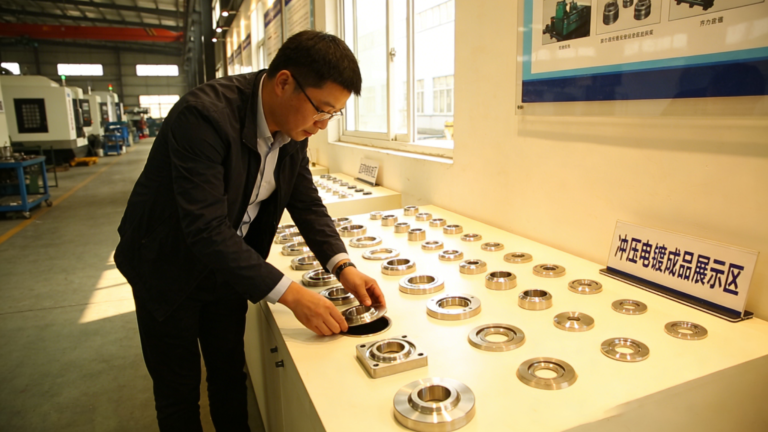
Introduction
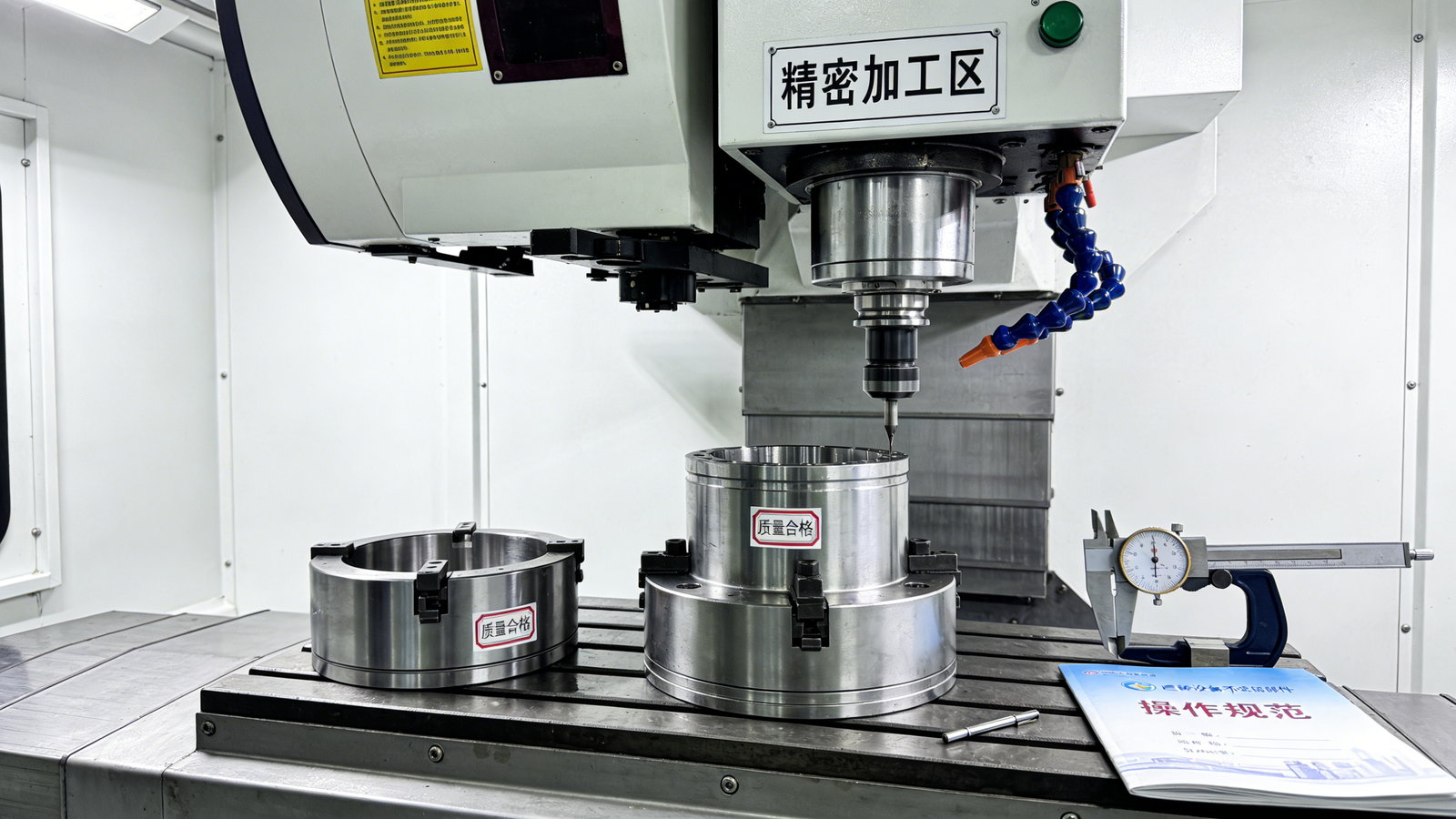
In the medical device industry, requirements for metal components extend far beyond machining accuracy, focusing instead on regulatory compliance, material safety, and full process traceability. Stainless steel CNC turning parts are often functional or safety-critical components, and their compliance level directly affects device registration and market approval timelines. Compliance is not an optional add-on, but a prerequisite for entering the medical supply chain.
From Xiamen Ruicheng’s project experience, buyers are not merely comparing specifications, but evaluating whether a supplier has a stable, long-term capability to meet medical regulations. Only by embedding compliance into manufacturing processes can procurement risks be reduced and decision cycles shortened.
Which core regulations must stainless steel CNC turning parts for medical devices comply with?
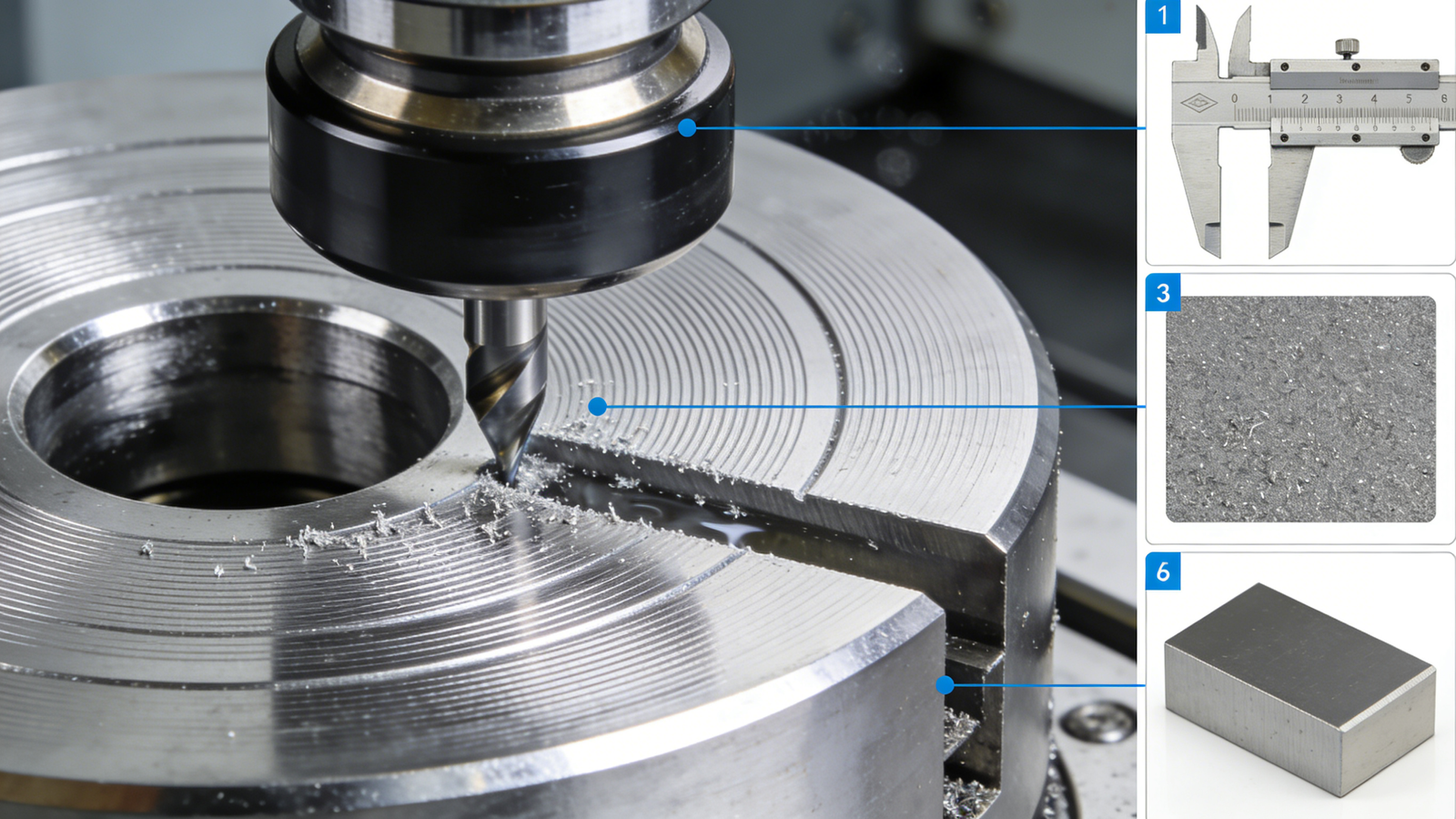
The compliance foundation of stainless steel CNC turning parts for medical devices is built on both regulatory frameworks and industry standards, covering quality management, material sourcing, and production control. Medical compliance is not a one-time requirement, but a continuous obligation throughout design, machining, inspection, and delivery, which is why it plays a decisive role in supplier selection. Centered on FDA 21 CFR Part 820 and the ISO 13485 quality management system, Xiamen Ruicheng translates regulatory language into executable manufacturing actions.
Regulatory alignment: Regulatory clauses are decomposed into process controls and documentation checkpoints.
System operation: ISO 13485 is implemented as a daily operating system, not a temporary audit tool.
Documentation loop: From drawing review to final inspection, all records are retained for audit traceability.
Audit readiness: Compliance dossiers are prepared in advance to shorten customer audit cycles.
🔍 True compliance means converting regulatory requirements into manufacturing logic.
Why does medical-grade stainless steel material selection determine compliance success?

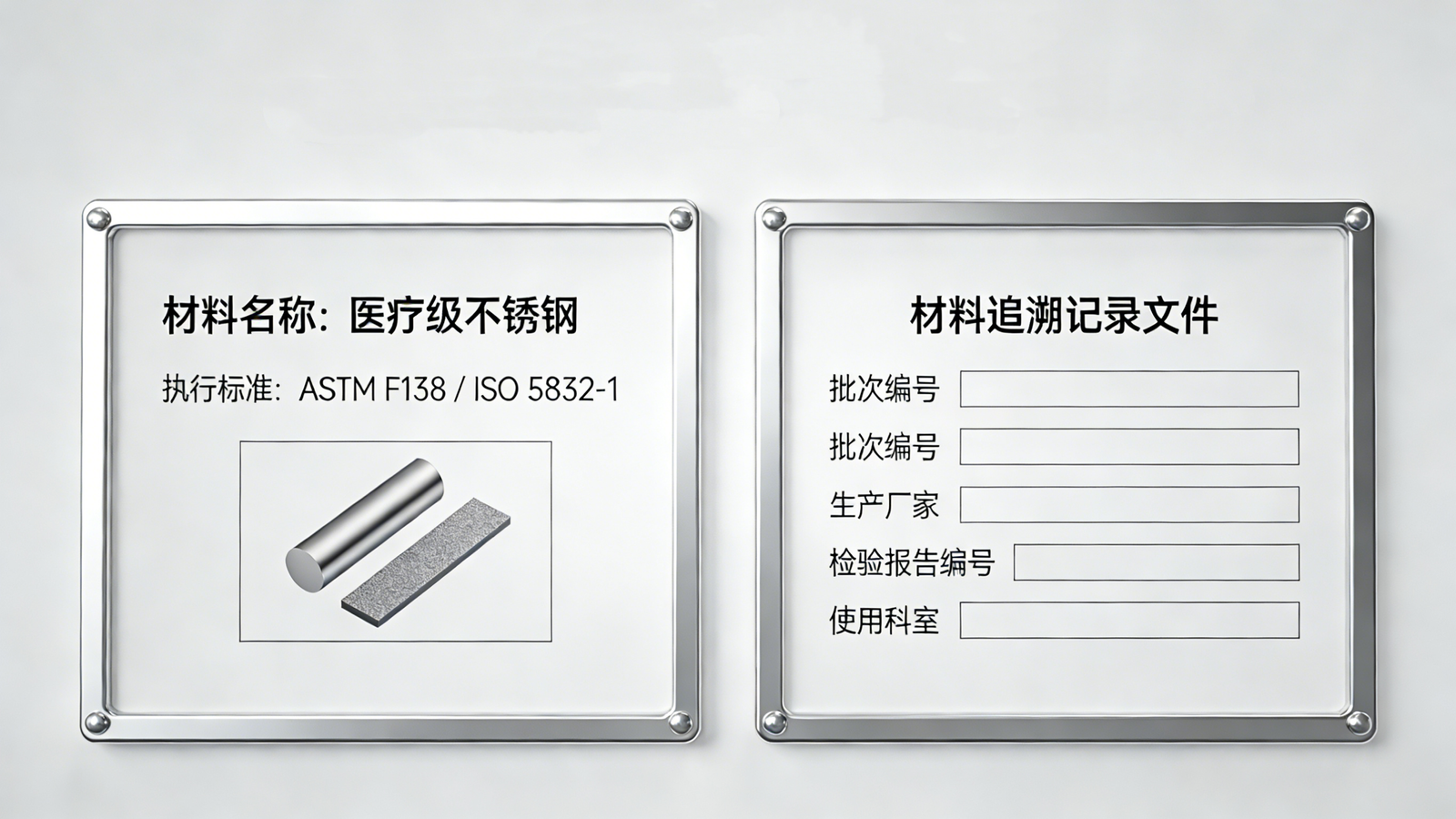
Medical devices impose far stricter requirements on stainless steel materials than general industrial applications, making material origin and certification a focal point of audits. Material compliance directly affects biocompatibility and long-term device reliability, so risk control must begin at the material selection stage. Xiamen Ruicheng prioritizes stainless steel grades compliant with ASTM F138 and ISO 5832-1, while retaining complete material documentation.
Material traceability: Each batch is linked to heat numbers and traceable records.
Biological safety: Medical-grade 316L stainless steel is selected to minimize patient risk.
Consistency control: Mixing industrial-grade materials is strictly avoided.
Document delivery: Material certificates are provided with each shipment to support registration files.
🧪 Compliant materials turn procurement decisions from “usable” to “sustainably approved.”
How do machining and surface treatment affect medical compliance audits?
Machining processes and surface conditions are often underestimated, yet they are among the most frequently questioned areas during medical audits. Even compliant materials can fail approval if machining processes are uncontrolled. During stainless steel CNC turning, Xiamen Ruicheng strictly controls surface roughness and applies standardized surface treatments in line with surface roughness standards and passivation requirements.
Dimensional stability: Fixtures and CNC programs ensure batch-to-batch consistency.
Surface safety: Burrs and residues are minimized to reduce microbial adhesion risks.
Cleaning control: Dedicated post-machining cleaning processes prevent cross-contamination.
Process validation: Critical steps are validated to meet audit sampling requirements.
⚙️ Process controllability is one of the strongest proofs of medical compliance.
Key medical compliance factors comparison table
| Compliance factor | Industrial machining | Medical requirement | Xiamen Ruicheng practice |
|---|---|---|---|
| Quality system | ISO 9001 | ISO 13485 | Full lifecycle operation |
| Material standard | Standard 316 | ASTM F138 | Batch traceable |
| Surface control | Experience-based | Standardized Ra | Data-driven inspection |
| Documentation | Optional | Mandatory | Delivered with parts |
To see how these compliance factors can be applied to your project, feel free to contact us
How medical compliance becomes a procurement decision advantage
Medical device buyers focus not only on unit cost, but on how compliance risks affect project timelines. When suppliers proactively provide compliance support, procurement decisions move faster. Xiamen Ruicheng helps customers eliminate regulatory risks at the project initiation stage through early compliance assessment, sample validation, and documentation support.
1.Pre-assessment: Regulatory risks are identified before quotation, with mitigation suggestions.
2.Process transparency: Key processes and inspection results are shared with customers.
3.Registration support: Technical files are prepared in coordination with customer teams.
4.Long-term stability: Compliance consistency is maintained even during mass production.
FAQ
Question 1: What is the core compliance advantage of your stainless steel CNC turning parts for medical devices?
Answer: Xiamen Ruicheng operates under an ISO 13485 quality system, integrates medical-grade material standards, and validates critical processes to ensure regulatory compliance, quality stability, and full traceability for medical procurement.
Question 2: What information is required to obtain a compliant quotation quickly?
Answer: Simply provide CAD drawings, application details, and estimated quantities. Xiamen Ruicheng will respond within 12 hours with a quotation that includes a compliance feasibility assessment.
Question 3: What are the delivery terms for different order volumes?
Answer: Small-batch samples are typically delivered within 7–10 days, while production orders follow scheduled lead times supported by flexible manufacturing lines for urgent needs.
Question 4: How are quality or compliance issues handled after delivery?
Answer: Re-inspection requests can be submitted within 7 days of receipt. Once confirmed, corrective actions are initiated within 48 hours to minimize project impact.
Question 5: Do you support customization for special medical applications?
Answer: Yes. Material grades, surface treatments, and inspection plans can be customized based on regulatory and application requirements, with clear timelines and cost implications provided after evaluation.
Conclusion
Medical compliance for stainless steel CNC turning parts is not defined by a single standard, but by the integration of systems, materials, and processes. A truly reliable supplier takes responsibility not only for machining, but also for compliance collaboration. Through extensive experience in medical projects, Xiamen Ruicheng converts regulatory requirements into executable manufacturing solutions, helping customers reduce audit risks and improve procurement efficiency.
For expert assistance in implementing solutions for your production needs, visit our resource center or contact us. Let’s help you scale up your manufacturing with precision and efficiency!1. Overall match score: 72 points + Match level (Qualified: 60–79 points)
Email: marketing@chinaruicheng.com
WhatsApp: +8615980769781
Contact page: https://custommetalpro.com/contact-us/