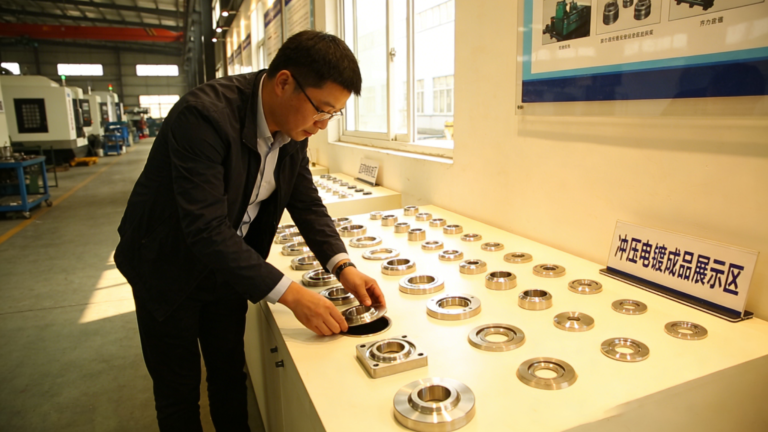
Introduction

The reliability of a hydraulic system is rarely determined by appearance or brand reputation, but by the unseen details inside every deep hole. Coaxiality, straightness, and internal surface quality directly affect whether hydraulic valves, cylinders, and manifolds can operate stably under high pressure. Once deep hole machining capability falls short, leakage, sticking, and sharply reduced service life become unavoidable.
In real-world procurement, more engineers and buyers are realizing that parameter lists alone do not truly reduce risk. A truly valuable supplier is one that accompanies the customer before, during, and after the decision, translating machining capability into verifiable delivery results.
Which Machining Capabilities Truly Determine the Reliability of Hydraulic Deep Holes?
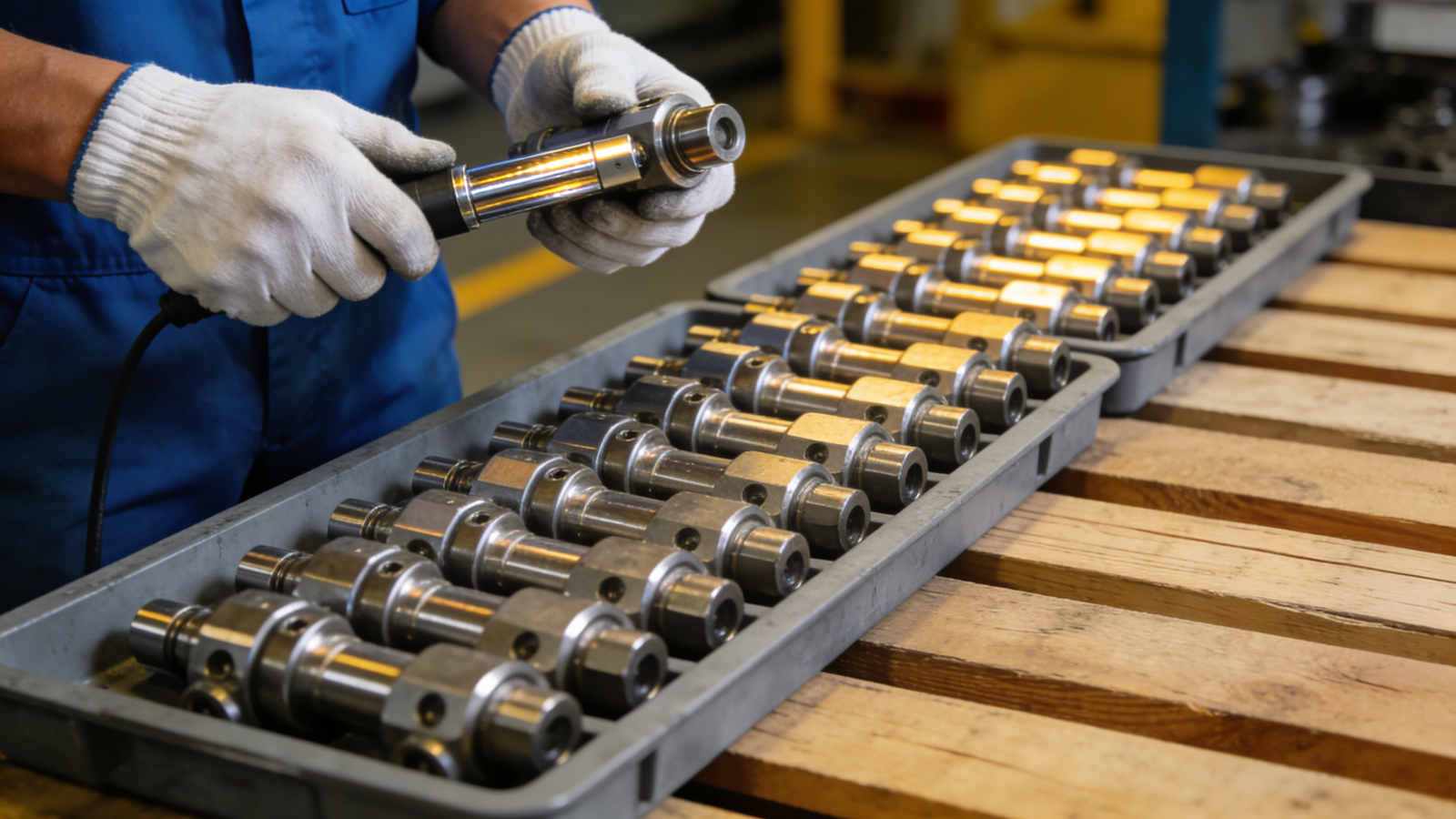
Deep hole machining for hydraulic components is far more than simply “drilling a deeper hole”; it is a systematic process involving diameter consistency, axis stability, and internal surface integrity. For critical parts such as hydraulic valve bodies and cylinder barrels, deep hole drilling capability directly determines sealing performance, while the maturity of gun drilling affects stability under high length-to-diameter ratios. A truly reliable deep hole process must remain consistent in mass production, not just perform well at the sample stage. From Xiamen Ruicheng’s perspective, we focus more on repeatability than on one-off extreme performance.
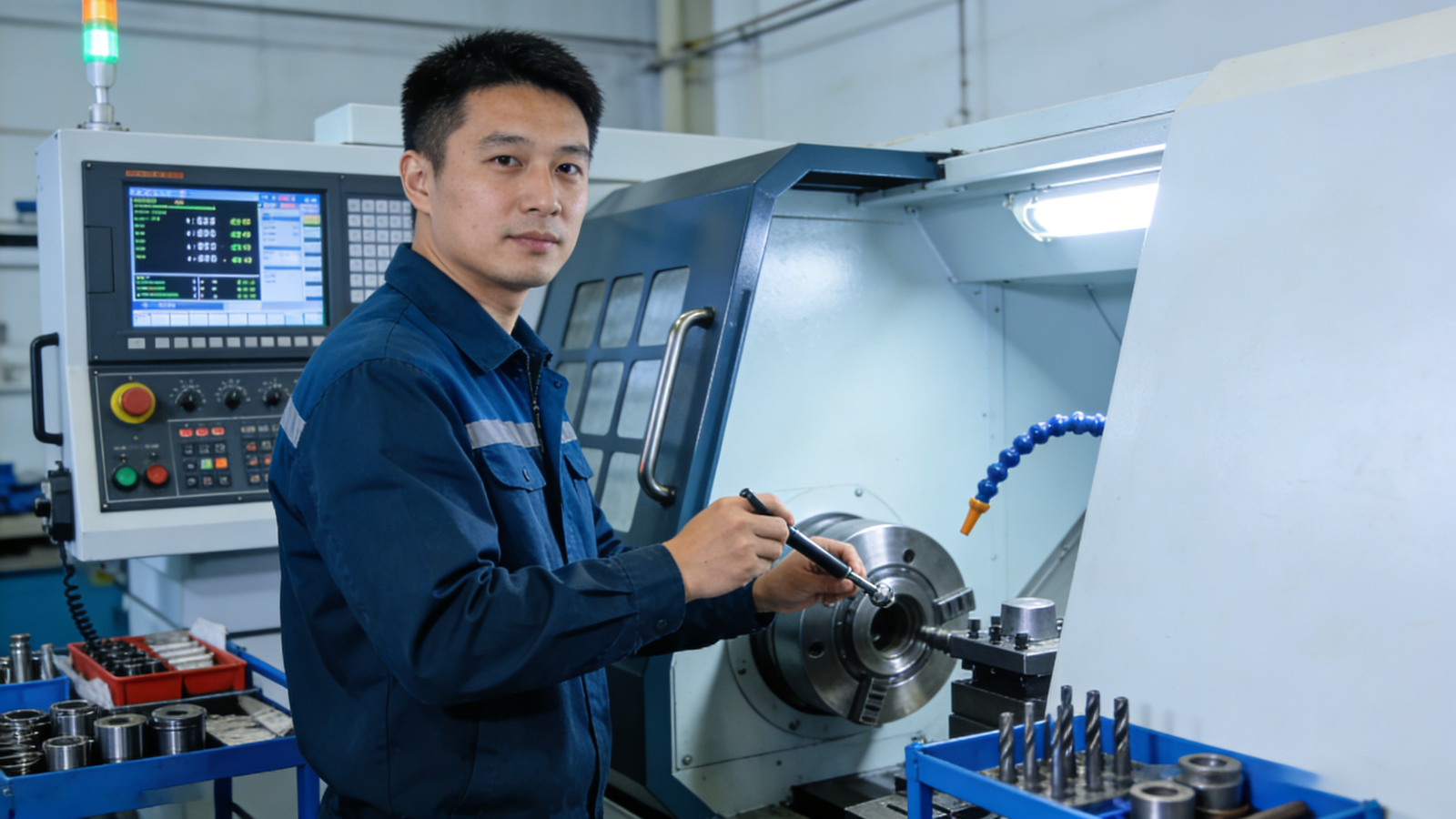
Equipment matching: Proper combinations of deep hole machines define straightness control and production rhythm.
Process stability: Mature processes maintain control over thermal deformation and tool deflection during long cycles.
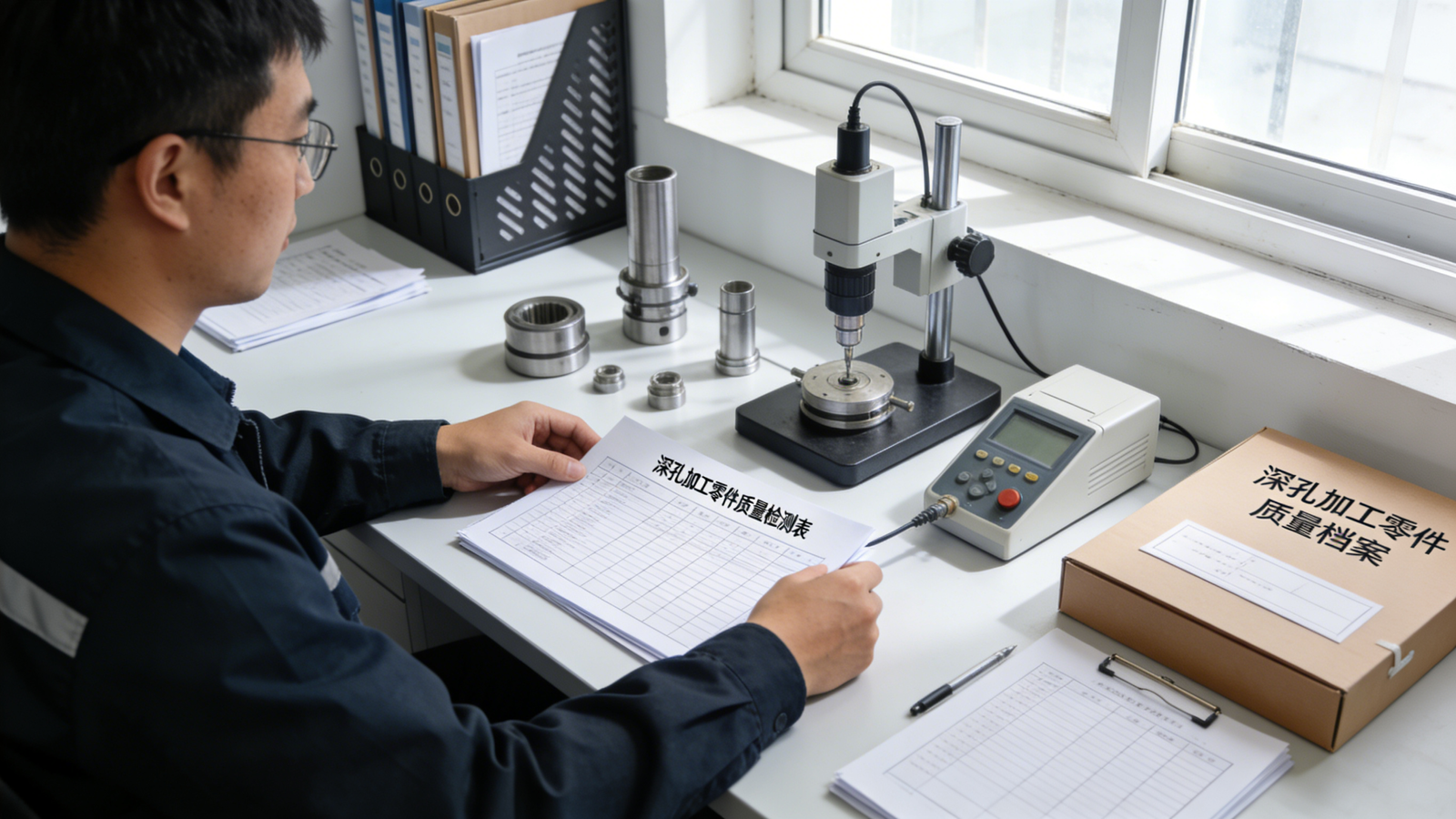
Inspection loop: Complete inspection systems ensure every batch is traceable.
Experience accumulation: Long-term hydraulic machining experience allows risks to be identified in advance.
🔧 Choosing the right capability—not just a machine list—is the real way to reduce hydraulic system risk.
How Can a Supplier Guarantee Batch Consistency Instead of Sample-Only Performance?
Many procurement risks do not appear during prototyping but gradually emerge after mass production begins. Deep holes are easier to control in small batches, yet once continuous production starts, heat buildup and tool wear in CNC metal machining can quickly magnify deviations, making quality consistency the core challenge. A reliable supplier must guarantee consistency through systems and processes, not verbal promises. At Xiamen Ruicheng, batch projects are protected by early process locking and in-process monitoring to avoid the common trap of “the first parts are fine, then quality drifts.”
Pre-production validation: Extreme-condition and life-cycle testing before ramp-up.
Process monitoring: Trend analysis and in-process sampling to catch deviations early.
Tool management: Tool changes based on lifecycle data rather than subjective judgment.
Data retention: Complete records that build confidence for repeat orders.
📊 Batch stability is the most direct reflection of a supplier’s system capability.
Why Is Service Collaboration More Important Than the Quoted Price?
In hydraulic component sourcing, a single quotation often hides future communication and adjustment costs. Deep hole machining involves drawing clarification, operating condition confirmation, and tolerance interpretation; weak engineering collaboration leads to repeated rework, making B2B manufacturing services highly dependent on coordination. Suppliers involved early in technical communication often reduce total procurement cost significantly. From Xiamen Ruicheng’s experience, upfront communication and continuous responsiveness matter more than one-time price advantages.
Response efficiency: Fast feedback shortens project lead time.
Technical understanding: The ability to interpret real application needs behind drawings.
Change support: Flexible response to design adjustments.
Long-term mindset: Focus on sustained cooperation rather than one-off transactions.
🤝 True cost savings come from fewer detours, not lower unit prices.
Key Decision Factors Comparison Table
| Decision Stage | Common Practice | Hidden Risk | Xiamen Ruicheng Approach |
|---|---|---|---|
| Requirement evaluation | Price-focused | Application ignored | Application-driven review |
| Prototype validation | Sample pass only | Mass failure | Mass-process synchronized |
| Batch delivery | Passive follow-up | Delay risk | Transparent scheduling |
| Long-term cooperation | Ad-hoc communication | Low trust | Data-based review |
To obtain a deep hole machining solution tailored to your project, feel free to contact us
From Product Display to Decision Accompaniment
Procurement logic in the hydraulic industry is evolving. Buyers are no longer satisfied with “what you can machine,” but rather “whether you can help me complete the entire project.” In deep hole machining projects, Xiamen Ruicheng supports customers through early evaluation, mid-stage tracking, and post-delivery review, reducing technical uncertainty. This shift from product display to decision accompaniment turns machining services into an extension of the customer’s own system.
1.Early involvement: Identify machining risks during the design phase.
2.Process coordination: Align project rhythm with customer schedules.
3.Delivery review: Accumulate data for the next cooperation cycle.
4.Continuous optimization: Improve processes and services over time.
Frequently Asked Questions (FAQ)
Question: What is your core advantage in precision deep hole machining for hydraulic components?
Answer: Xiamen Ruicheng focuses on stable deep hole processes, combining mature equipment with full-process inspection to ensure consistent accuracy in mass production for high-pressure hydraulic systems.
Question: What information is required for fast quotation?
Answer: Please provide complete drawings, material requirements, operating conditions, and estimated volumes; our engineering team will quickly complete a process evaluation and propose a feasible solution.
Question: How do lead times differ between trial batches and mass production?
Answer: Trial batches focus on process validation and offer flexible scheduling, while mass production includes capacity locking to ensure stable delivery cycles.
Question: How are quality deviations handled after delivery?
Answer: Xiamen Ruicheng has a clear issue identification and response process; once responsibility is confirmed, rework, remake, or alternative solutions are implemented promptly to minimize customer loss.
Question: Do you support customized deep hole machining requirements?
Answer: Yes, we support customization based on real operating conditions and structural characteristics, with feasibility and lead time evaluated upfront.
Conclusion
Choosing a supplier for precision deep hole machining of hydraulic components is ultimately about selecting a manufacturing system you can rely on long term. More than price or isolated parameters, stable delivery capability and collaborative service determine real value. Xiamen Ruicheng consistently acts as a decision companion, helping customers turn complex machining challenges into controlled, reliable outcomes. When suppliers think from the perspective of application and risk, cooperation creates lasting value.
For expert assistance in implementing solutions for your production needs, visit our resource center or contact us. Let’s help you scale up your manufacturing with precision and efficiency!