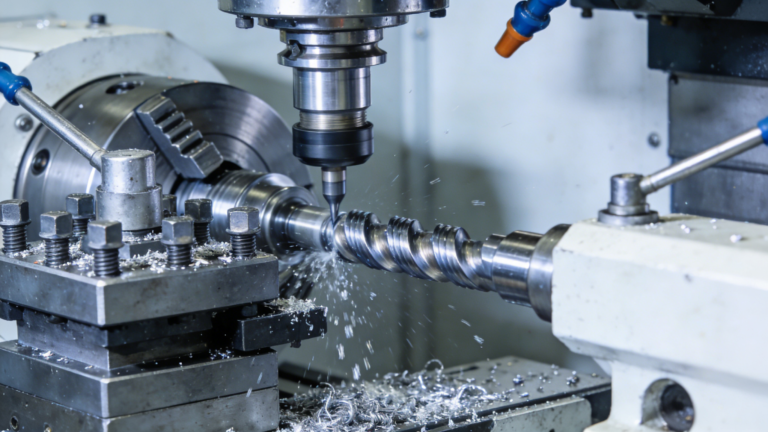
Tight tolerance CNC machining is essential for components used in aerospace, automotive, medical, robotics, optical equipment, and high-end machinery. These parts must achieve extremely precise dimensional accuracy1 to ensure proper function and long-term reliability. When tolerances fall within ±0.01 mm or even tighter, only a highly capable manufacturer with strict quality control can guarantee consistent results.
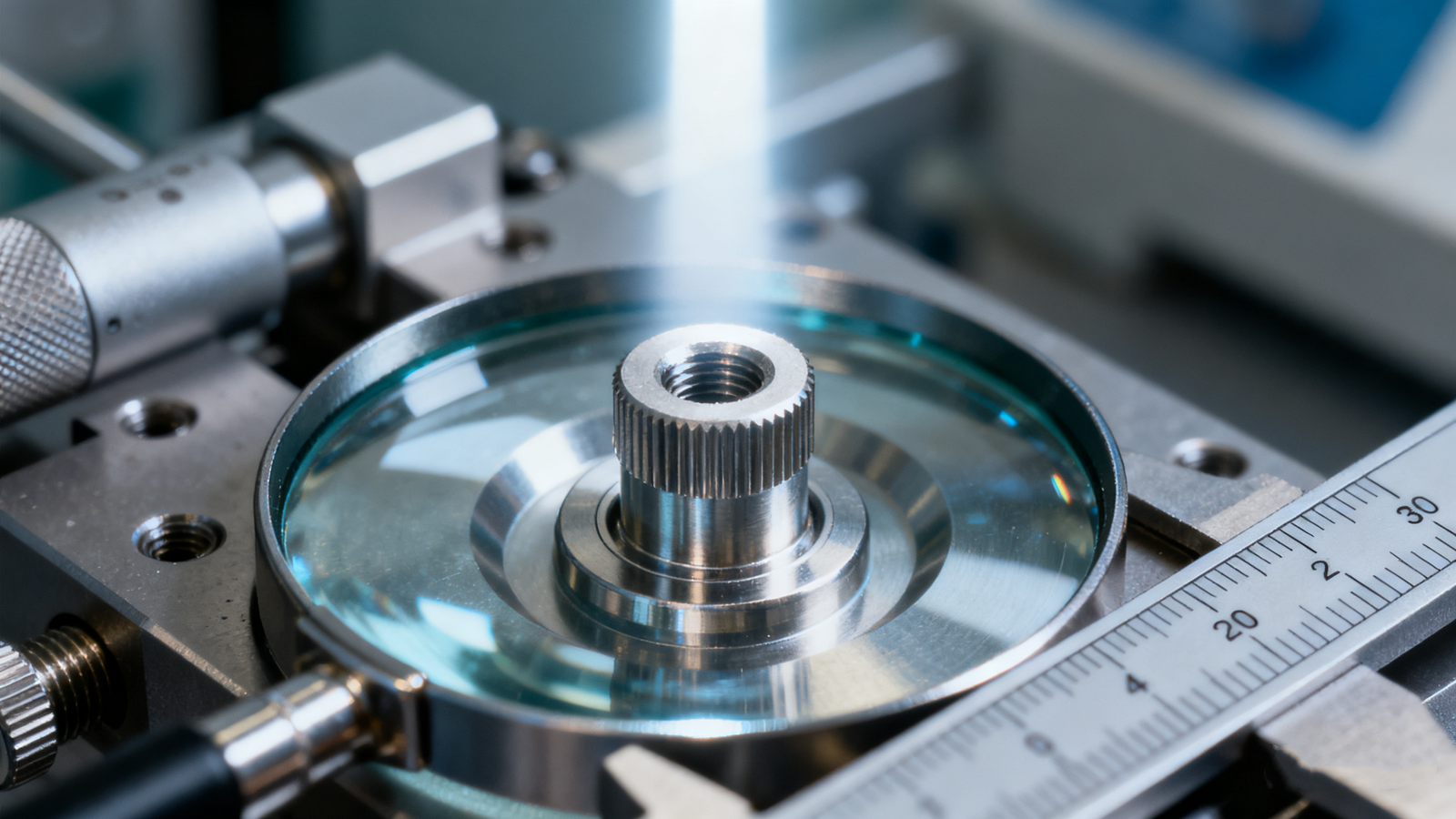
What Does Tight Tolerance CNC Machining Mean?
Tight tolerance machining refers to producing metal components with dimensions controlled within very small ranges, often down to microns.
Even minor deviations can cause assembly issues, leaks, vibration, or mechanical failure.
Typical tight tolerances include:
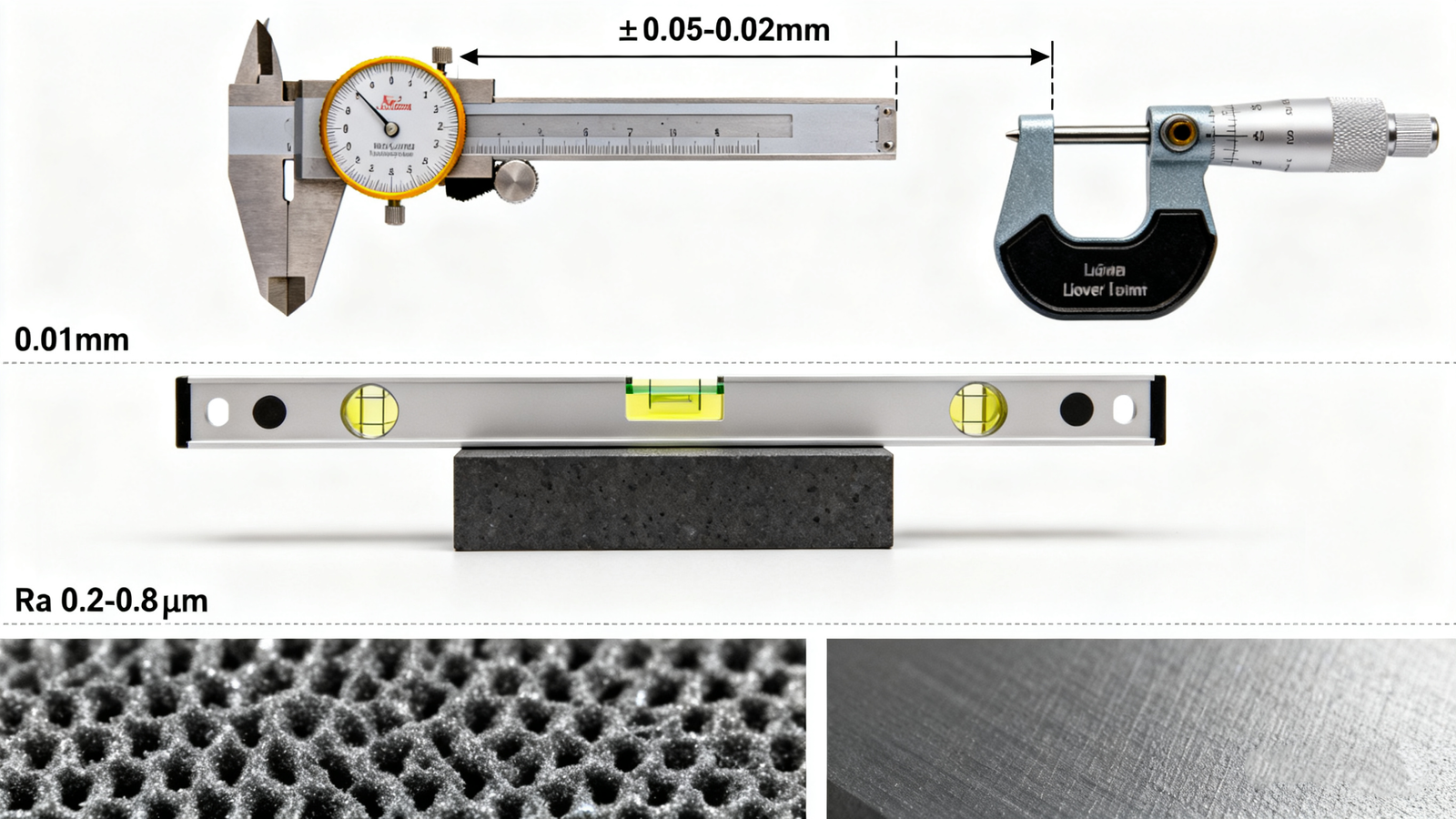
±0.005–0.02 mm
Flatness under 0.01 mm
Surface finish as fine as Ra 0.2–0.8 µm
Why Tight Tolerances Matter
Precision machining ensures proper functionality in systems that rely on micro-level accuracy.
High-tolerance parts are critical for repeatability, performance stability, and assembly compatibility.
Applications include:
Optical alignment housings
Robotic joint components
Medical surgical parts
Engine control modules
Aerospace positioning systems
What Determines Whether a Supplier Can Achieve Tight Tolerances?
Achieving tight tolerances requires far more than a CNC machine. It depends on engineering knowledge, machining strategy, process control, fixturing quality, and advanced inspection capability.
A supplier without strict process discipline cannot consistently produce high-precision parts.
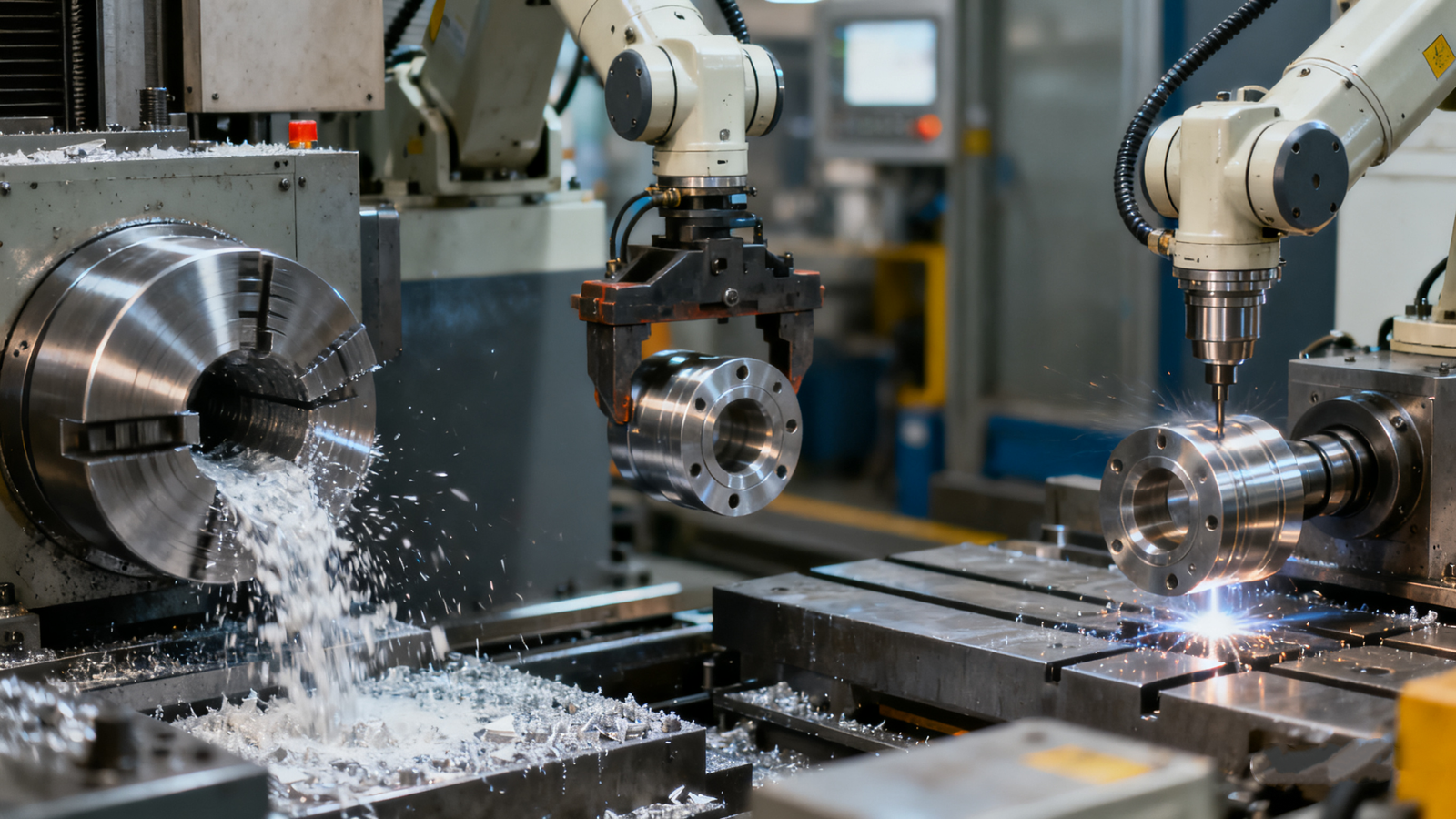
Key factors include:
Thermal stability
Tool wear management
Multi-stage roughing and finishing
High-quality fixtures
Stable material selection
Clean and controlled workshop environment
Ruicheng’s Capability in Tight Tolerance CNC Machining
Ruicheng is equipped with 3-axis and 5-axis high-precision machining centers2, supported by ISO 9001-certified quality systems3. We specialize in producing metal parts requiring micro-level accuracy for industries with demanding performance requirements.
Our company ensures every dimension is controlled through strict process engineering, toolpath optimization, and real-time quality monitoring.
What makes Ruicheng stand out:
Advanced 5-axis machining centers
Automated tool calibration and compensation
Temperature-controlled workshop
Experienced engineering team
CMM inspection4 for 100% verification when required
Pilot-run validation before mass production
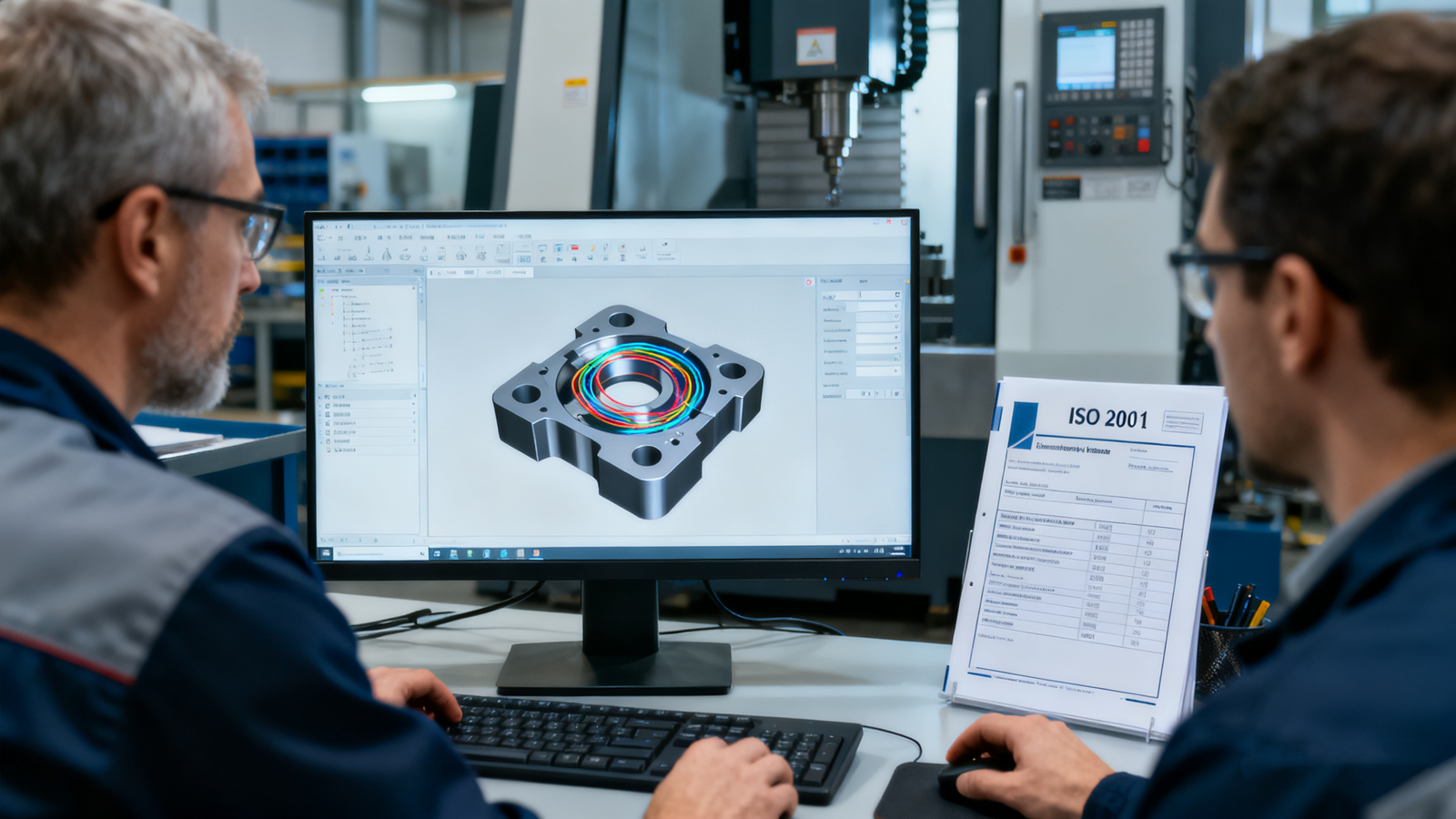
Our Tolerance Capabilities
Below is an overview of the tolerances our company typically holds on different processes:
| Process | Typical Tolerance | Best Achievable |
|---|---|---|
| CNC milling | ±0.01–0.03 mm | ±0.005 mm |
| CNC turning | ±0.01–0.02 mm | ±0.005 mm |
| Surface finish | Ra 0.8–1.6 µm | Ra 0.2 µm |
| Positional accuracy | ±0.02 mm | ±0.01 mm |
Holding these tolerances requires both precise machines and a stable manufacturing process from start to finish.
How Ruicheng Controls Tight Tolerances in Production
Tight tolerance machining requires a controlled, methodical workflow.
The key to precision is minimizing material stress, thermal expansion, and cumulative dimensional drift.
Our approach includes:
Pre-machining material stress relief
Multi-stage machining (rough → semi → finish passes)
Tool wear tracking and automatic compensation
Custom fixturing for critical features
Real-time in-machine probing
CMM inspection on every batch
Dedicated measurement reports
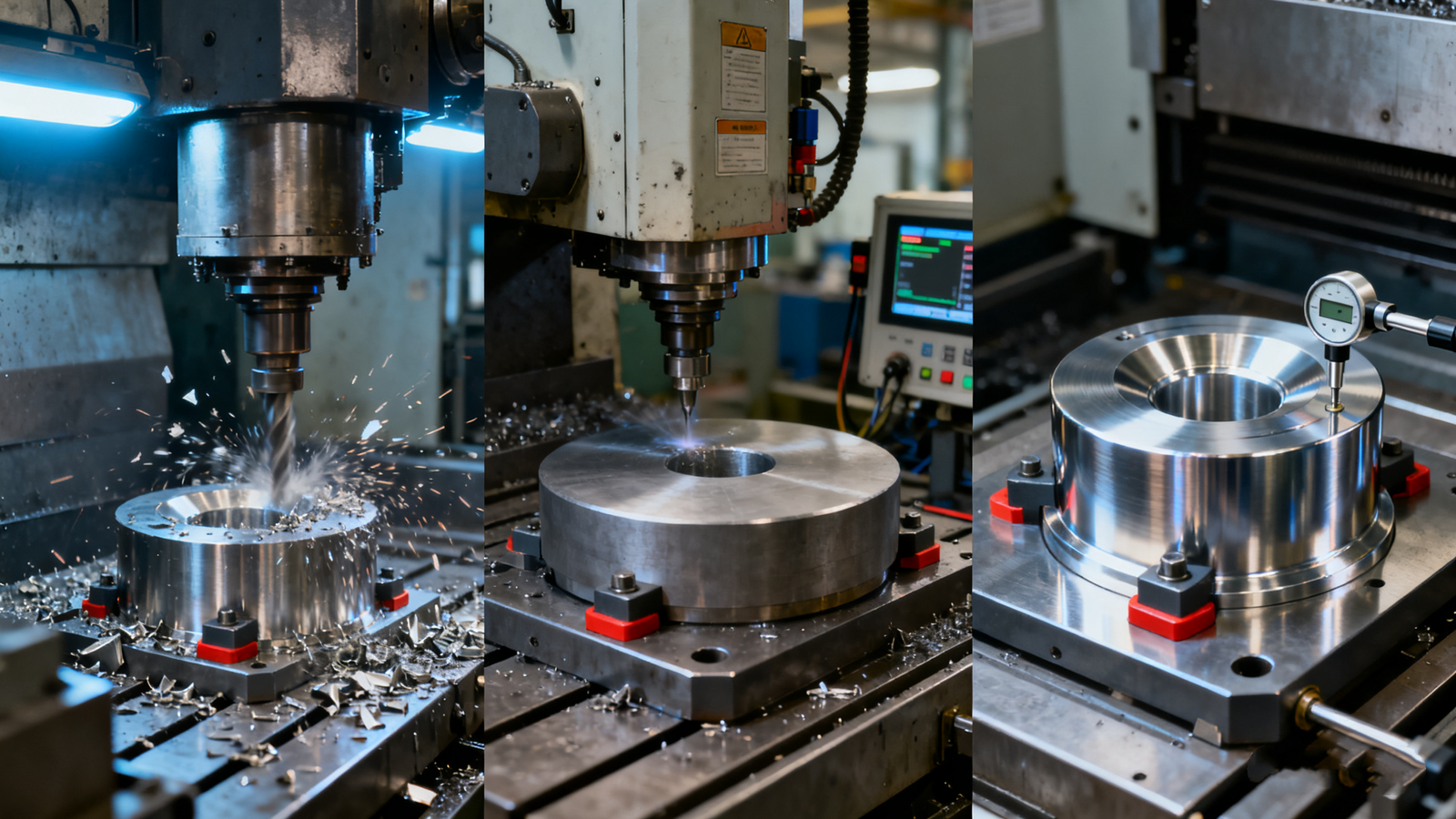
Case Study — Achieving ±0.008 mm Tolerance for a Robotics Client
A robotics company required a series of aluminum positioning blocks with ±0.008 mm tolerance on key locating surfaces. Previous suppliers failed due to thermal distortion and tool pressure marks. Ruicheng re-evaluated the structure, modified the fixturing strategy, and implemented multi-step finishing cuts.
The final parts achieved stable accuracy of ±0.008 mm across 300+ units, proving Ruicheng’s high-precision reliability.
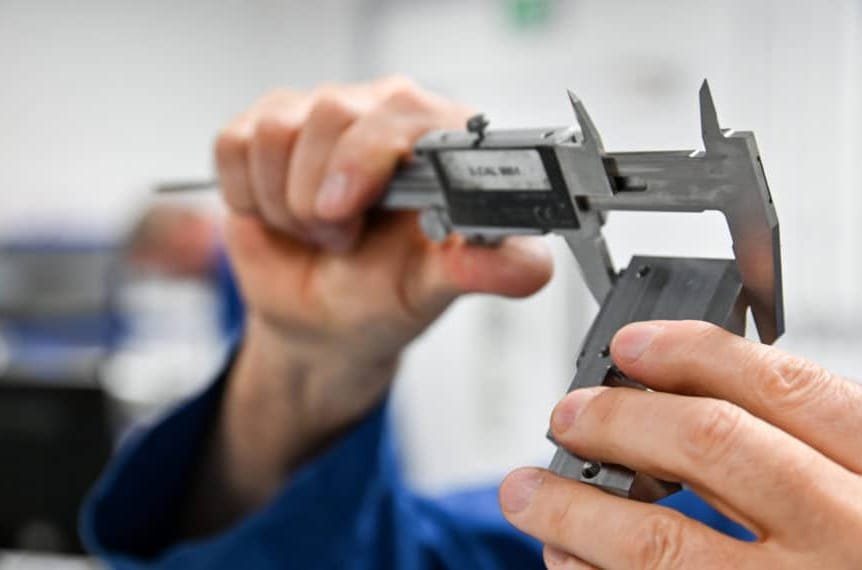
FAQs About Tight Tolerance Machining
What is considered a tight tolerance in CNC machining?
Generally anything under ±0.02 mm is tight tolerance. Critical components may require tolerances below ±0.01 mm depending on the application.
Can Ruicheng achieve medical-grade tolerances5?
Yes. Our company frequently produces small, precise, high-stability components for medical and robotics clients. Our inspection capability ensures repeatability even at micro-level accuracy.
Is tight tolerance machining more expensive?
Yes, because it requires extra process control and longer cycle times. The increased cost ensures reliability in critical applications.
Which materials are suitable for tight tolerance machining?
Aluminum, stainless steel, titanium, brass, and alloy steel—depending on the design. Material stability is crucial for maintaining accuracy.
Contact Us
For precision CNC machining projects requiring tight tolerances:
Email: marketing@chinaruicheng.com
WhatsApp: +8615980769781
Contact page: https://custommetalpro.com/contact-us/
Ruicheng is ready to support your precision projects with stable tolerances, advanced machining capability, and ISO-certified quality control.
-
Explore how dimensional accuracy is achieved to ensure the proper function of components in various high-stakes industries. ↩
-
Learn about high-precision machining centers and how they enhance manufacturing capabilities for critical components. ↩
-
Discover the significance of ISO 9001 certification in ensuring consistent quality and reliability in manufacturing processes. ↩
-
CMM inspection is vital for verifying precision; learn how it contributes to quality assurance in manufacturing. ↩
-
Explore the stringent requirements for medical-grade tolerances and their critical role in healthcare applications. ↩