Introduction
As engine systems continue to evolve toward higher temperatures, greater pressure, and lightweight structures, material selection has become a decisive factor in long-term performance and reliability. Nickel-based superalloys are widely recognized for maintaining mechanical strength and oxidation resistance under extreme thermal conditions. For core engine components exposed to continuous thermal shock and cyclic loading, high-temperature strength and machining precision are equally critical.
Xiamen Ruicheng has long supported high-end equipment manufacturers with advanced metal processing solutions, focusing on nickel alloy CNC machining for demanding applications. Rather than overwhelming clients with technical parameters, we emphasize risk control, manufacturability, and delivery stability throughout the procurement journey. What ultimately determines project success is not just material capability, but the full-process alignment from material selection to mass production.
Is Nickel Alloy CNC Machining More Stable in High-Temperature Environments?
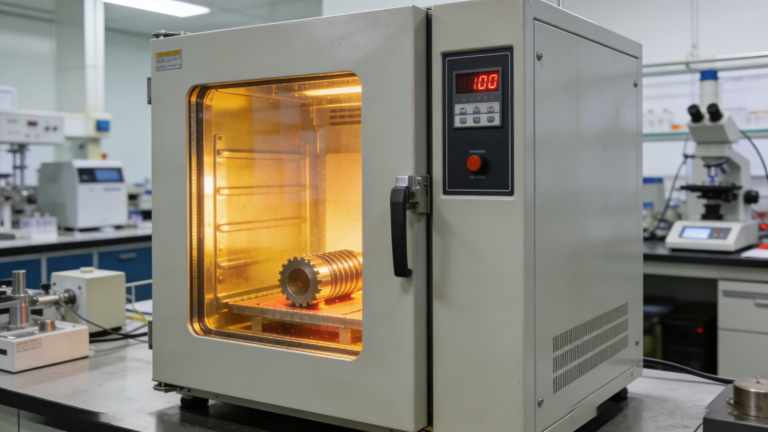
In high-temperature engine applications, nickel-based superalloys are widely adopted because they maintain high strength and creep resistance above 600°C, and through precision CNC machining, complex geometries and tight tolerances can be achieved to ensure structural stability even under thermal expansion conditions. Under repeated thermal cycling and oxidative environments, nickel alloys demonstrate significantly better microstructural stability than conventional stainless steels. At Xiamen Ruicheng, we optimize tool paths and cooling strategies to control work hardening and preserve the intrinsic advantages of the alloy in real engine components.
High-Temperature Strength: Maintains structural integrity even at operating temperatures approaching 700°C.
Oxidation Resistance: Withstands prolonged exposure to combustion gases without rapid surface degradation.
Creep Resistance: Reduces dimensional drift and deformation under sustained loads.
Machining Control: Five-axis machining ensures precision on complex and critical geometries.
🔥 True thermal stability comes from the synergy between material science and machining expertise.
Does Nickel Alloy CNC Machining Increase Cost and Processing Risks?
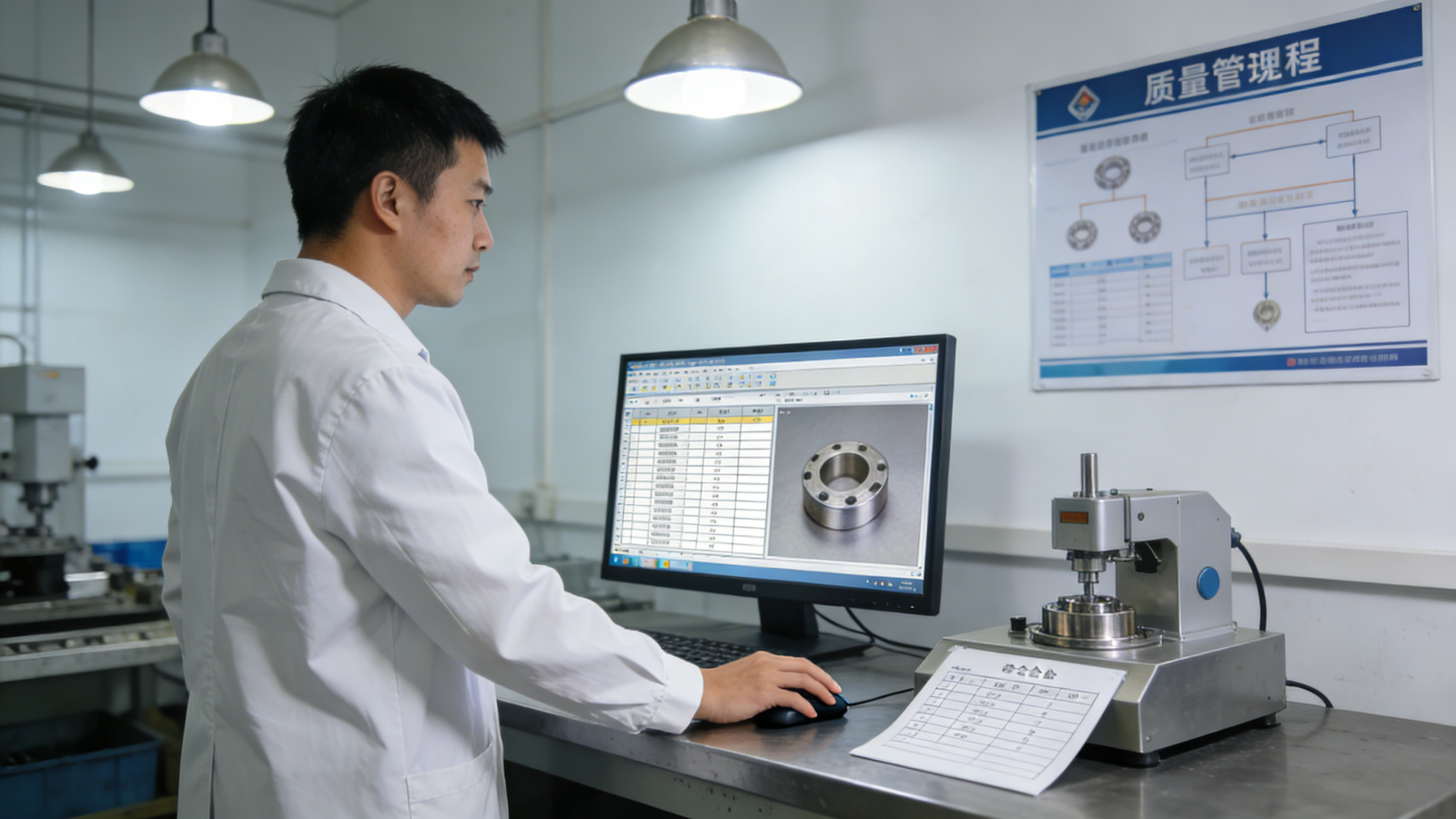
Nickel alloys are known for their high hardness and low thermal conductivity, making high-temperature alloy processing more demanding due to potential tool wear and work hardening, but optimized cutting tools and controlled cutting parameters significantly mitigate these risks. In practice, the real cost difference is driven more by process control and yield rate than by raw material price alone. Xiamen Ruicheng adopts staged roughing and finishing strategies combined with in-process inspection to reduce scrap rates and enhance first-pass yield, turning premium materials into commercially viable solutions.
Tool Selection: Coated carbide tools enhance wear resistance and extend tool life.
Parameter Optimization: Balanced feed rates and cutting speeds minimize heat buildup.
Process Validation: Trial batches verify deformation trends before full production.
Cost Balance: Improved yield offsets higher material investment.
💡 Advanced materials become cost-effective when supported by disciplined machining control.
How to Determine Whether Nickel Alloy CNC Machining Truly Fits Engine Components?
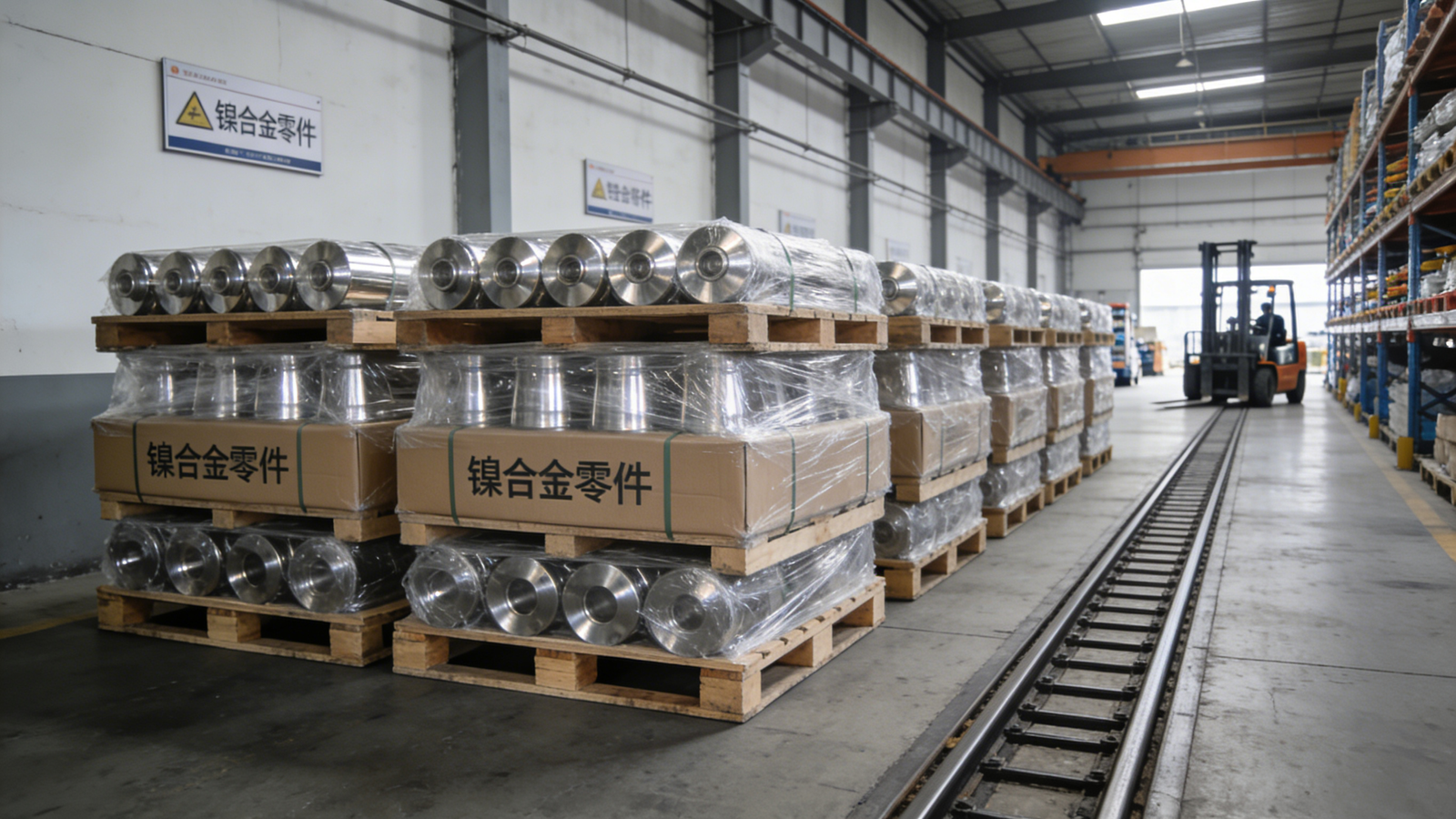
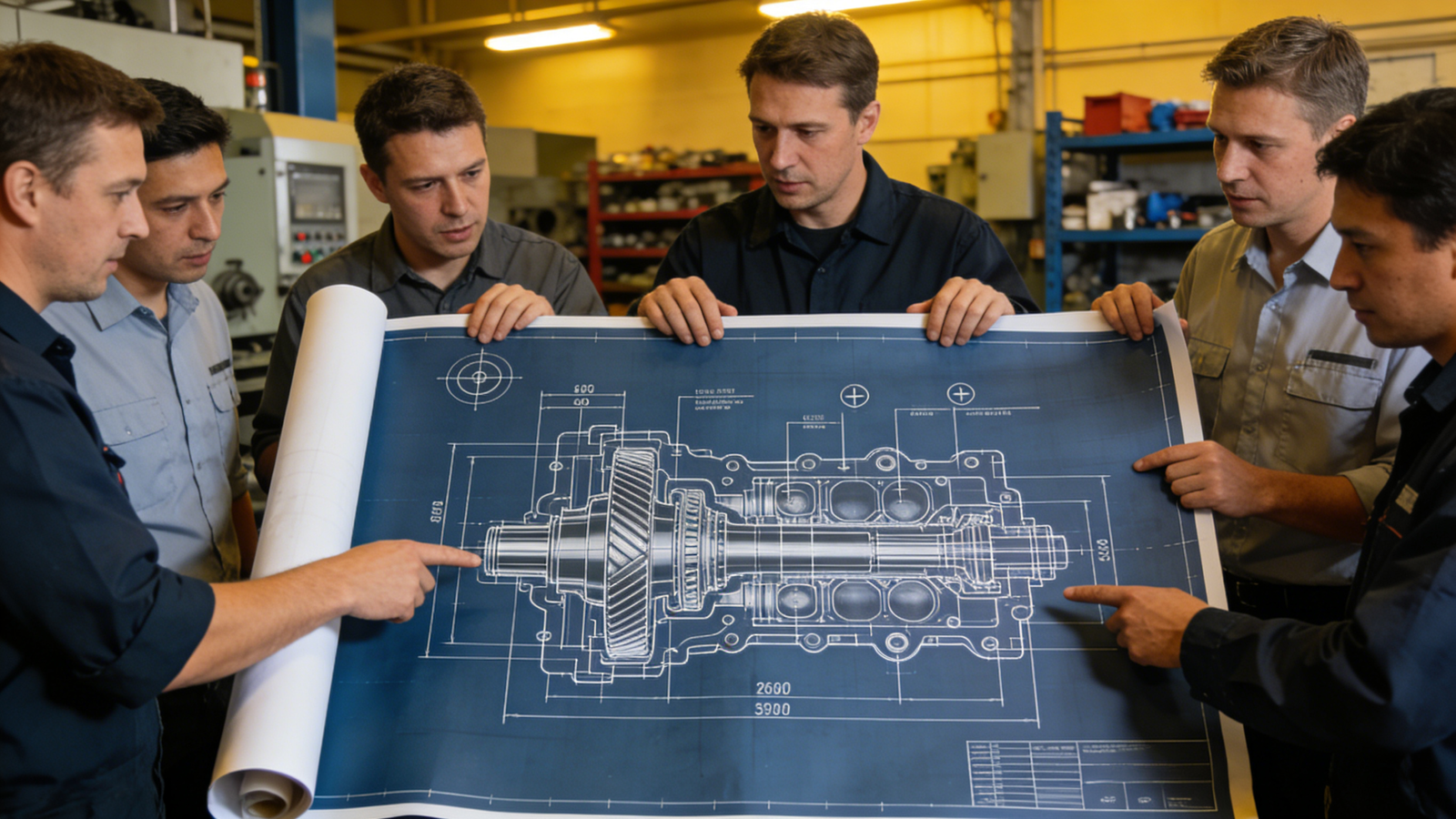
Engine components often operate under high rotational speeds and fluctuating thermal loads, demanding exceptional dimensional stability and structural integrity. In aerospace engineering, nickel alloys are commonly selected to meet stringent safety margins, while advanced computer-aided manufacturing enables precise realization of complex geometries. True suitability depends on the coordinated match between material performance, structural design, and machining precision. At Xiamen Ruicheng, we participate in early-stage drawing reviews and working condition analysis to recommend the most appropriate alloy grades and heat treatment strategies instead of simply executing orders based on material lists.
Condition Analysis: Selection based on actual temperature range and stress modeling.
Structural Review: Early identification of thin-wall areas and stress concentration zones.
Tolerance Verification: CMM inspection ensures critical dimensional accuracy.
Production Planning: Supply schedules aligned with engine lifecycle requirements.
🚀 Correct material alignment ensures long-term engine reliability and safety.
Comprehensive Comparison of Nickel Alloy and Other Materials in Engine Applications
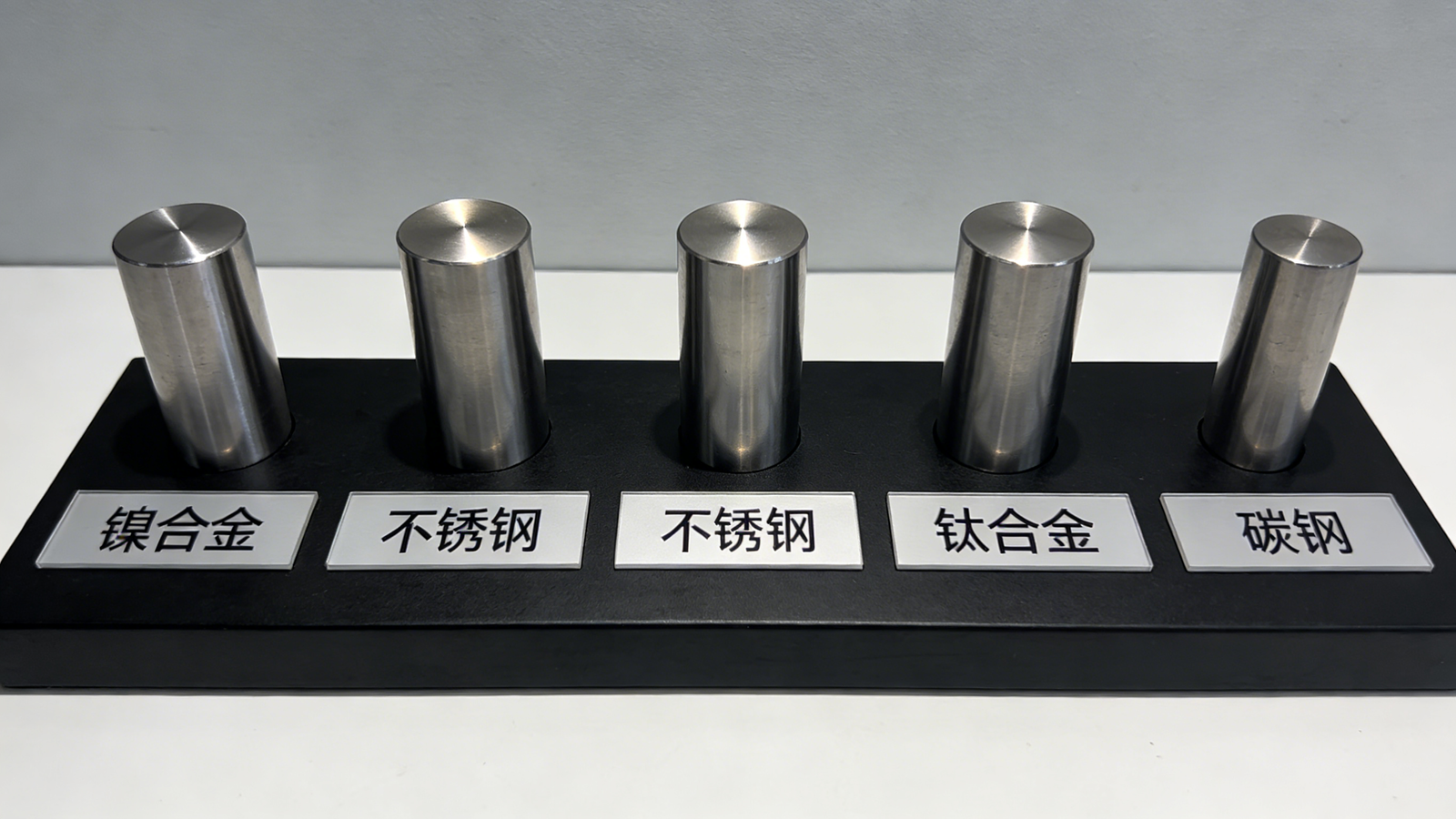
| Comparison Aspect | Nickel Alloy | Stainless Steel | Titanium Alloy | Carbon Steel |
|---|---|---|---|---|
| High-Temp Strength | Excellent | Moderate | High | Low |
| Oxidation Resistance | Outstanding | Good | Good | Fair |
| Machining Difficulty | High | Medium | High | Low |
| Suitable Temp Range | Above 600°C | Below 400°C | Around 500°C | Below 300°C |
If you are evaluating a more stable metal processing solution for critical engine components, feel free to contact us for a customized technical assessment.
From Material Validation to Mass Production: Full Decision Support
In high-temperature engine projects, procurement decisions go beyond material selection; they involve risk mitigation, manufacturability, and long-term supply assurance. Xiamen Ruicheng has established a closed-loop workflow around nickel alloy CNC machining, covering drawing review, prototype validation, and batch delivery to reduce verification cycles and stabilize mass production quality. We focus on eliminating uncertainties across the entire decision-making chain to protect our clients from hidden production risks. Through traceable quality control and continuous process optimization, we ensure both reliability and cost efficiency.
1.Drawing Pre-Review: Identify potential machining challenges and suggest structural improvements.
2.Prototype Validation: Small-batch trials confirm dimensional stability under thermal stress.
3.Mass Production Planning: Capacity allocation aligned with annual demand forecasts.
4.Quality Traceability: Complete inspection records and batch-level tracking systems.
FAQ – Nickel Alloy CNC Machining for Engine Components
Question: What is the core strength and quality baseline of your nickel alloy CNC machining services?
Answer: We process specified nickel-based superalloy grades using advanced five-axis machining centers and CMM inspection systems, maintaining critical tolerances within ±0.02 mm while implementing multi-stage quality checks to ensure reliability under high-temperature engine conditions.
Question: What information is required to receive a quotation for nickel alloy CNC machining parts?
Answer: Please provide 3D drawings, required alloy grade, estimated annual quantity, and operating temperature range. After submission via our designated channel, we conduct a preliminary review within 2 hours and provide a detailed quotation with process recommendations within 24 hours.
Question: What are the minimum order quantities and lead times for different purchase volumes?
Answer: Prototype orders support small-batch production, while standard production lead time ranges from 7–15 days depending on quantity. For large-volume programs, annual scheduling agreements can secure priority capacity allocation.
Question: How do you handle quality or performance issues after delivery?
Answer: Quality verification is supported within 7 days of receipt. Once responsibility is confirmed, corrective actions or remanufacturing are initiated within 48 hours, with defined warranty terms for critical components.
Question: Can you provide customized adjustments for special operating conditions?
Answer: Yes, we support material grade optimization and heat treatment adjustments based on temperature, pressure, and load data. Customized feasibility assessments are completed within 3 working days.
Conclusion
Nickel alloy CNC machining offers clear advantages for high-temperature engine components, but material performance alone does not guarantee success. The decisive factor lies in machining expertise, process stability, and risk management capability. When high thermal loads and complex geometries coexist, partnering with an experienced and process-driven manufacturer becomes essential. Xiamen Ruicheng stands ready to support each critical decision point with technical clarity and manufacturing reliability.
For expert assistance in implementing solutions for your production needs, visit our resource center or contact us. Let’s help you scale up your manufacturing with precision and efficiency!