Introduction

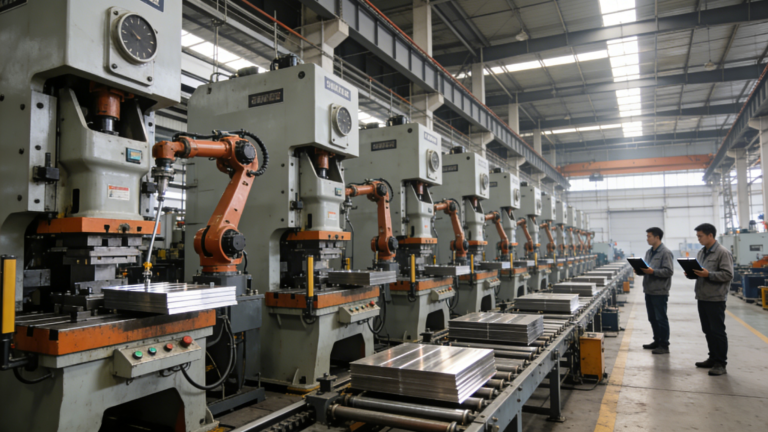
In the rapidly evolving precision electronics industry, manufacturing methods are shifting from fragmented processes to integrated forming solutions, where progressive stamping is increasingly adopted for connectors, terminals, and shielding components. Xiamen Ruicheng has observed through real-world projects that multi-stage forming not only improves production efficiency but also directly impacts product consistency and yield stability. Multi-stage progressive stamping is becoming a core solution for scaling precision electronic component production.
At the procurement stage, buyers often struggle to balance precision, cost, and delivery timelines, making traditional parameter comparisons insufficient for confident decision-making. By aligning process capabilities with real application scenarios, Xiamen Ruicheng provides a more actionable evaluation framework. Decision-making driven by real application pain points is far more effective than relying solely on technical specifications.
How Does Progressive Stamping Achieve High Precision for Electronic Components?
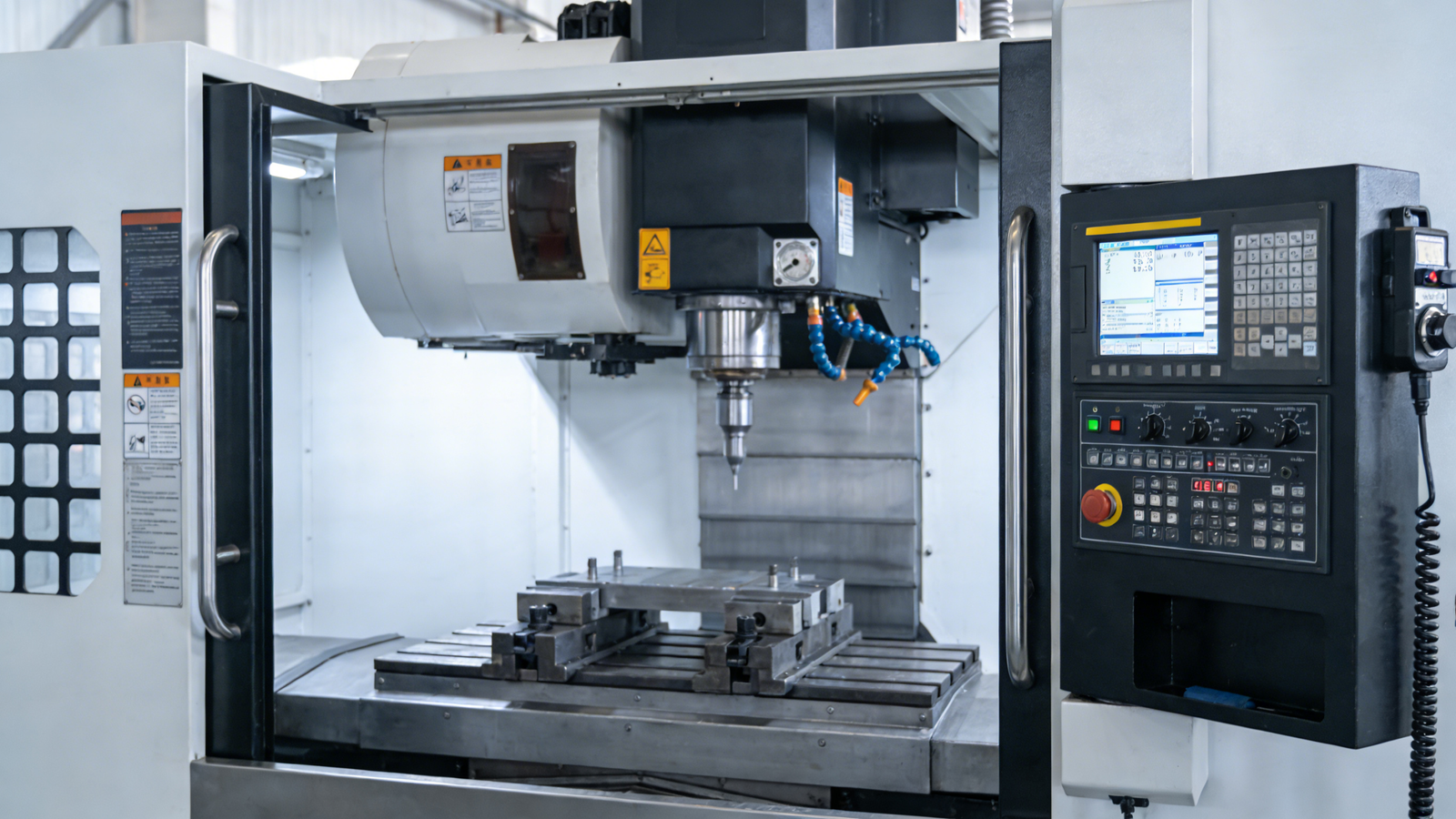
Progressive stamping enables synchronized multi-station processing to achieve repeatable high precision, making it widely used in connectors and terminal production, especially through progressive stamping systems where die accuracy and feeding consistency reduce cumulative errors, combined with precision metal stamping to ensure stable batch output, while Xiamen Ruicheng further enhances dimensional consistency through die clearance optimization and dynamic press compensation. A stable tooling system and continuous feeding structure form the foundation for micron-level precision.
Tooling Accuracy: High-precision progressive dies control and correct dimensional deviations at each stage.
Machine Stability: High-speed presses with closed-loop systems minimize vibration during operation.
Material Control: Springback compensation ensures consistency in copper alloys and stainless steel sheets.
In-line Inspection: SPC monitoring ensures batch-to-batch uniformity.
✨ Progressive stamping ensures precision through system-level control and consistency
Can Multi-Stage Forming Truly Reduce Total Cost for Electronic Parts?
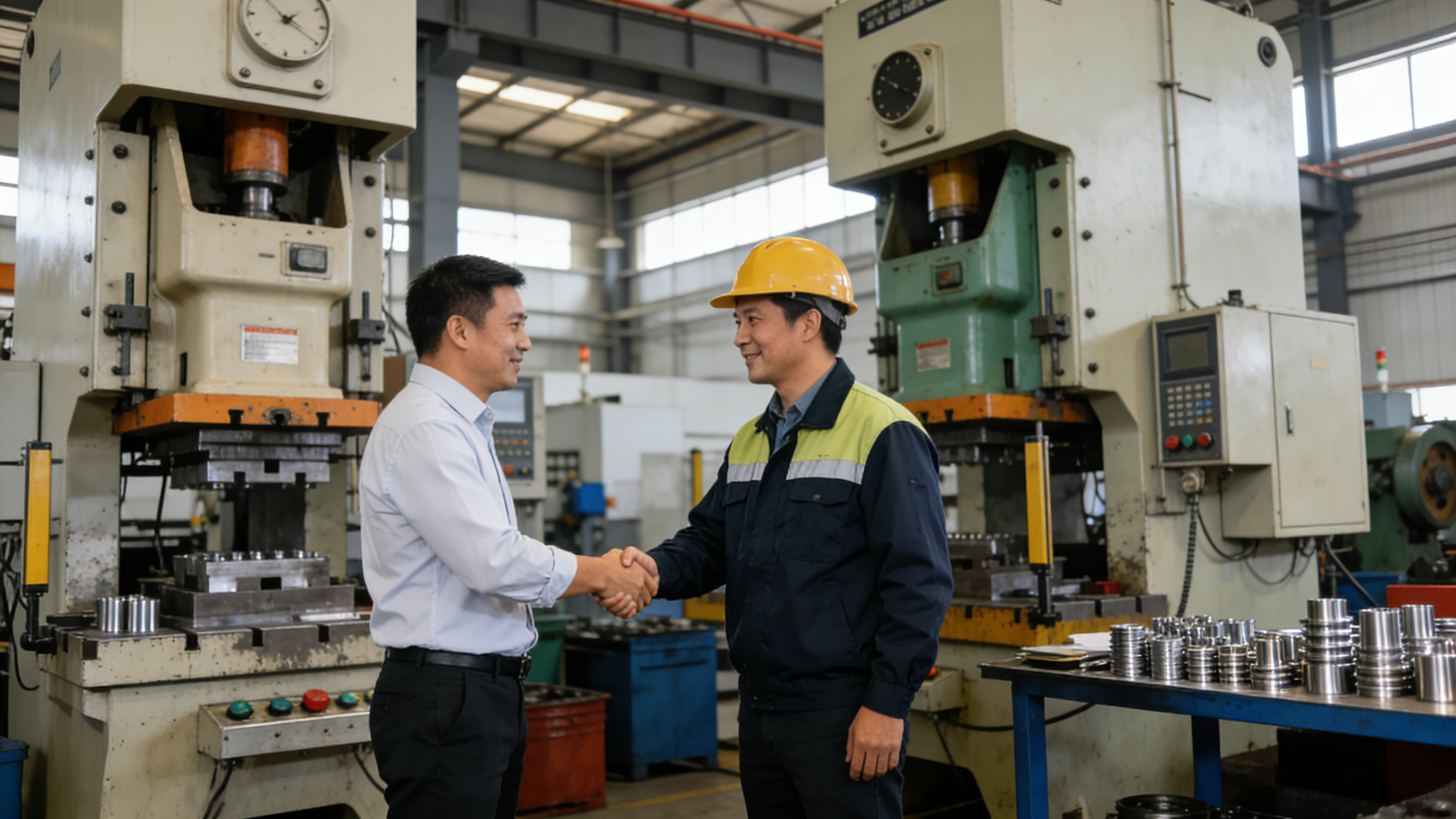
Multi-stage forming eliminates intermediate handling and secondary operations, significantly reducing hidden production costs in electronic components, by integrating the metal stamping process with automated feeding systems, manufacturers reduce labor dependency while improving efficiency, and by applying lean manufacturing principles, Xiamen Ruicheng helps clients optimize material usage and extend tooling life for long-term savings. Reducing process waste is the key driver behind overall cost efficiency.
Process Integration: Multiple steps completed in one die reduce transfer and handling costs.
Material Efficiency: Optimized nesting minimizes scrap generation.
Labor Reduction: Automation lowers dependency on manual operations.
Cycle Efficiency: Continuous production shortens lead times.
💡 Cost reduction comes from system-wide efficiency rather than isolated savings
What Are the Limitations and Risks of Progressive Stamping for Electronics?
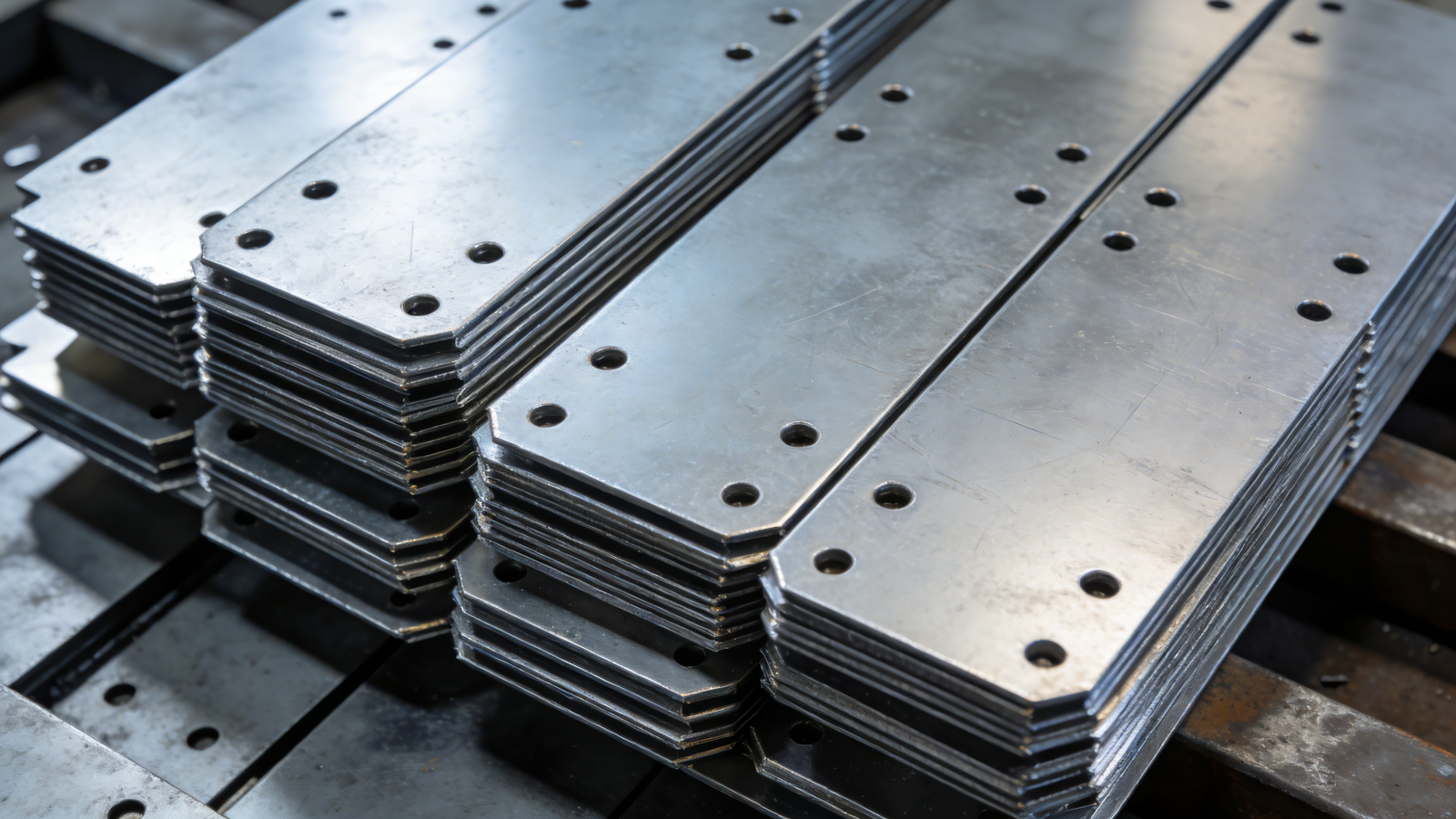
Despite its advantages, progressive stamping requires careful planning in electronic applications, especially regarding tooling investment and development cycles, as complex part designs without proper DFM analysis may lead to repeated tooling adjustments, by incorporating design for manufacturability and optimized tooling design, risks can be minimized, and Xiamen Ruicheng supports clients with early engineering validation to prevent costly issues. Early-stage engineering decisions directly impact long-term production stability and cost performance.
Tooling Investment: High upfront cost is offset by long-term volume production.
Design Complexity: Complex geometries require iterative optimization.
Change Impact: Design modifications may affect the entire tooling system.
Lead Time Planning: Development cycles must be factored into project timelines.
⚠️ Success in progressive stamping depends on strong early-stage engineering collaboration
How Does Progressive Stamping Compare with Other Manufacturing Methods for Electronics?
| Comparison Factor | Progressive Stamping | Single Stamping | CNC Machining | Laser Cutting |
|---|---|---|---|---|
| Precision Stability | High | Medium | High | Medium |
| Production Efficiency | High | Low | Low | Medium |
| Cost per Unit | Low (High Volume) | Medium | High | Medium |
| Initial Investment | High | Low | Low | Low |
| Application Fit | Terminals/Connectors | Simple Parts | Prototyping | Sheet Parts |
Not sure which process fits your electronic project best? Get expert guidance today → contact us
How to Select the Right Progressive Stamping Solution for Your Application
In electronics manufacturing, process selection is no longer about comparing isolated parameters but about matching real application needs, and Xiamen Ruicheng helps clients evaluate structure, volume, and precision requirements to deliver practical progressive stamping solutions that balance performance and cost. Application-driven selection is the fastest way to improve procurement efficiency and reduce risk.
1.Structure Matching: Define tooling stages based on part complexity.
2.Volume Evaluation: Assess production scale to justify tooling investment.
3.Precision Requirement: Align tolerances with assembly needs.
4.Lead Time Planning: Coordinate tooling and production schedules.
Frequently Asked Questions (Progressive Stamping for Electronics)
Question 1: What are the key precision and quality guarantees of your progressive stamping service?
Answer: Xiamen Ruicheng achieves ±0.02mm precision through high-precision tooling and SPC-controlled processes, supported by ISO-certified quality systems to ensure consistency in mass production.
Question 2: What information do we need to provide to get a quotation quickly?
Answer: Customers should submit 2D/3D drawings, material specifications, and estimated quantities, after which our engineering team provides manufacturability analysis and a detailed quote within 12 hours.
Question 3: What are the MOQ and lead time for different order volumes?
Answer: Trial production supports small batches, with a typical MOQ of 5,000 units, sample lead time of 7 days, and mass production delivery within 15–25 days.
Question 4: How do you handle quality issues or delivery delays?
Answer: Xiamen Ruicheng offers inspection support and traceability, providing solutions within 48 hours including rework, replacement, or compensation, along with a 12-month quality guarantee.
Question 5: Do you support custom solutions for specific electronic applications?
Answer: Yes, we provide customization based on application needs, including material selection, surface treatment, and structural optimization, with evaluation completed within 3 working days.
Conclusion
Progressive stamping offers high efficiency and consistency for precision electronic components, but its success depends on early-stage engineering and process planning. Xiamen Ruicheng integrates tooling design, process optimization, and quality control to support clients from evaluation to mass production. Choosing the right progressive stamping solution ultimately means choosing a capable and reliable manufacturing partner. Companies should prioritize application fit and long-term cost performance rather than focusing only on individual parameters.
For expert assistance in implementing for your production needs, visit our resource center or contact us. Let’s help you scale up your manufacturing with precision and efficiency!