Introduction
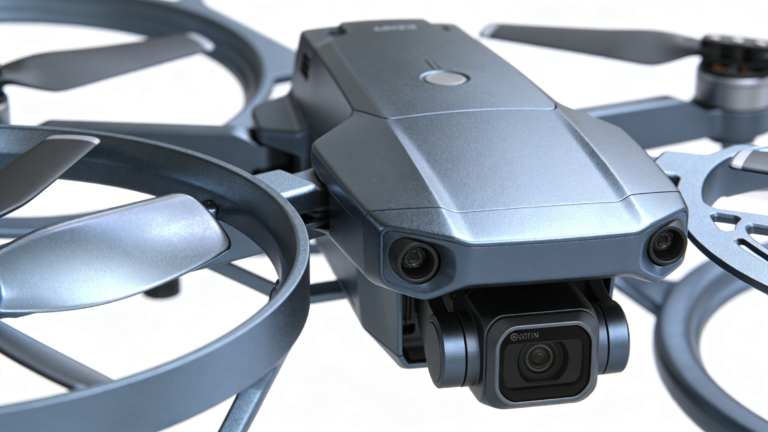
The drone industry is rapidly advancing toward a balance between structural strength and lightweight performance, where material selection and machining processes directly influence flight efficiency and reliability. Aluminum alloys combined with CNC turning offer stable dimensional control and weight advantages, particularly for rotational components. In the pursuit of longer endurance and structural stability, process selection has become a decisive factor in procurement strategy.
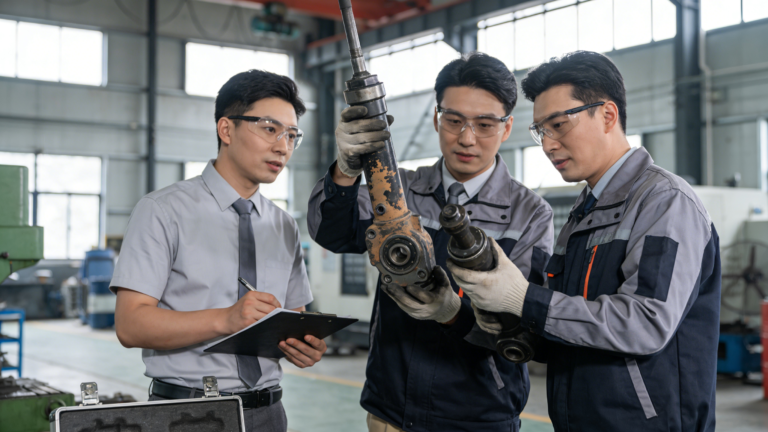
Xiamen Ruicheng has long supported drone and high-end equipment manufacturers, understanding that procurement decisions extend beyond unit price to include performance consistency, lead time stability, and risk control. Through material evaluation, structural optimization, and process validation, we help clients shorten development cycles. A truly optimal solution comes from deep application insight and full-process collaboration.
Why Should Drone Structural Parts Prioritize Aluminum CNC Turning?
Drone motor mounts, connecting shafts, and support sleeves require a precise balance between weight reduction and mechanical strength. Aluminum alloys provide low density and reliable mechanical properties, while CNC turning ensures consistent tolerances and repeatable batch quality, making it highly suitable for rotational structural components in UAV systems. Xiamen Ruicheng frequently compares 6061-T6 and 7075-T6 grades to achieve the ideal strength-to-weight ratio. For rotational structural components, aluminum CNC turning delivers a stable balance between strength, weight, and machining efficiency. This approach is particularly effective for medium- to high-volume production requiring dimensional precision and refined surface quality.
Material Compatibility: Selecting the correct aluminum grade helps balance lightweight goals with fatigue resistance requirements.
Precision Control: CNC lathes maintain tolerances within ±0.02mm to meet UAV assembly standards.
Surface Enhancement: Anodizing improves corrosion resistance and surface consistency.
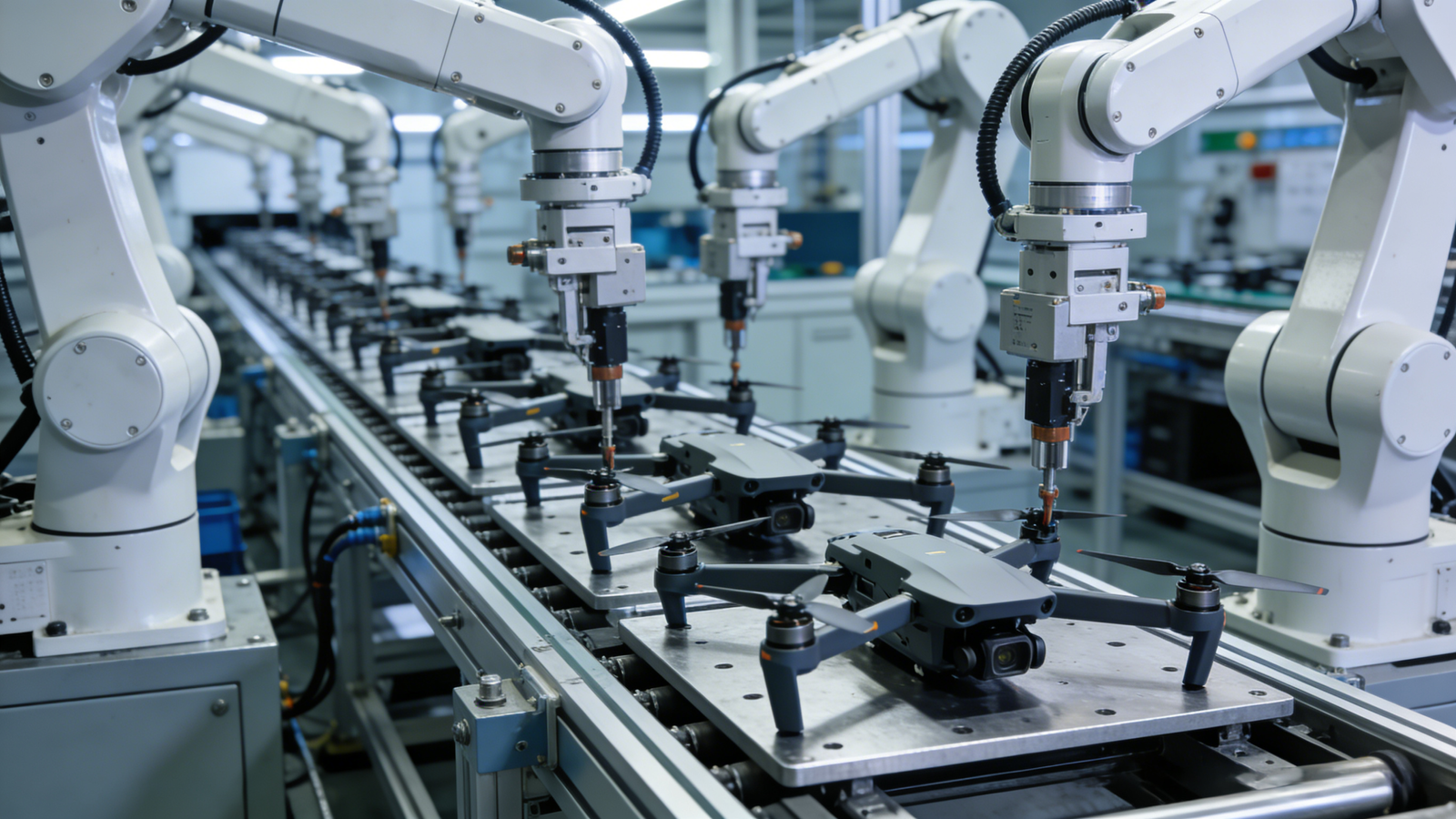
Batch Consistency: Automated fixturing systems ensure stable output across production runs.
🚀 Lightweight performance combined with precision control forms the foundation of reliable drone structures.
Does Aluminum CNC Turning Offer Advantages in Cost and Lead Time?
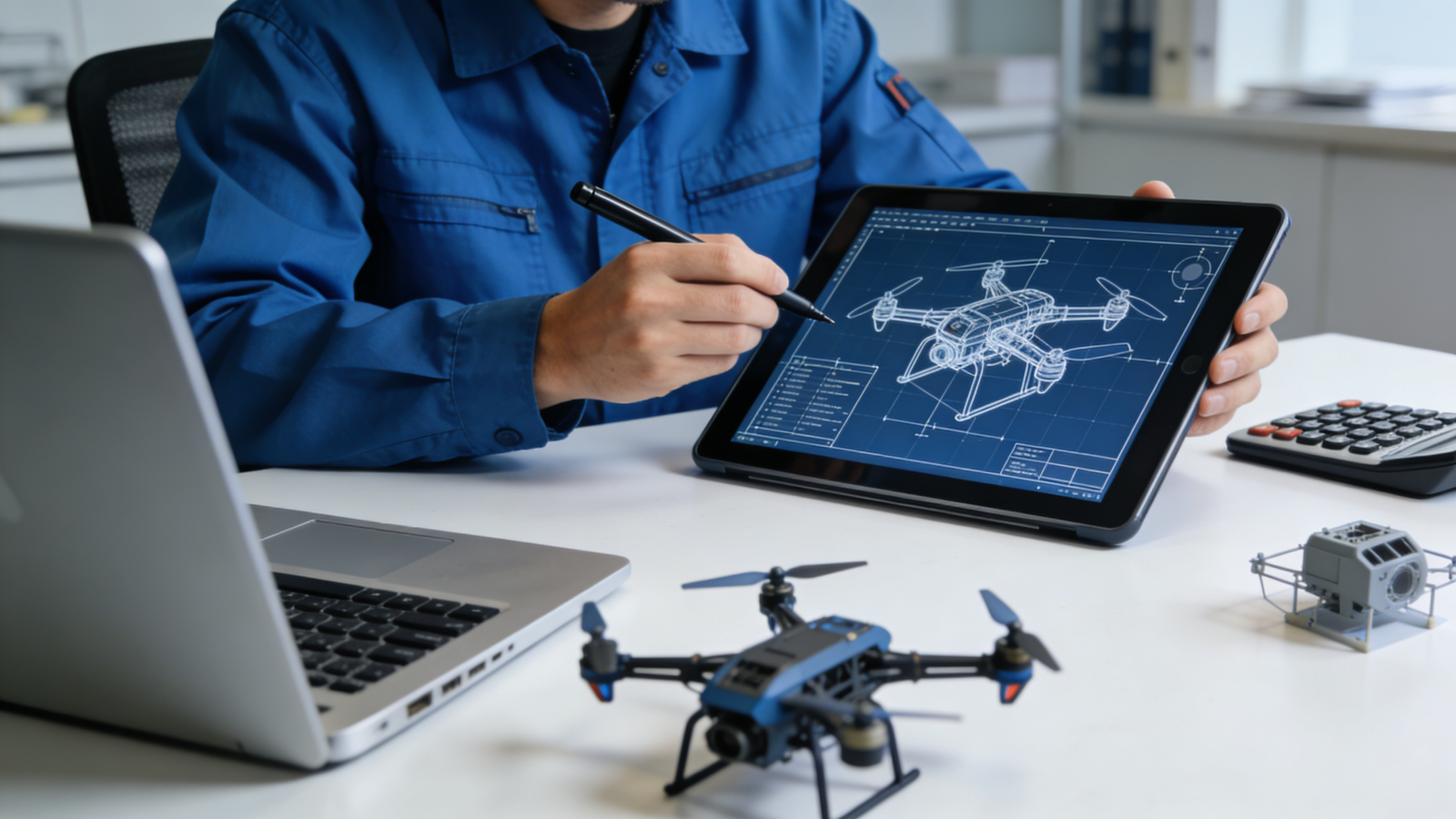
In a fast-evolving drone supply chain, cost structure and delivery flexibility are critical factors. Numerical control machining reduces development verification time, and compared with die casting or 3D printing, it offers greater adaptability and controlled expenses in medium-volume production. Xiamen Ruicheng integrates flexible scheduling and standardized process databases to minimize setup costs and transition time. When production volumes range from prototyping to mid-scale batches, aluminum CNC turning demonstrates superior cost flexibility. This production model enables customers to maintain supply stability during rapid product iteration cycles.
Development Cycle: Prototype components can typically be completed within 7 days.
Tooling Investment: No expensive mold tooling is required, reducing upfront capital pressure.
Volume Flexibility: Seamless transition from small-batch trials to scaled production.
Cost Structure: Optimized machining parameters reduce material waste and improve overall margin control.
💰 Flexible delivery and controlled costs empower confident procurement decisions.
How Can Aluminum CNC Turned Parts Meet Drone Strength and Reliability Standards?
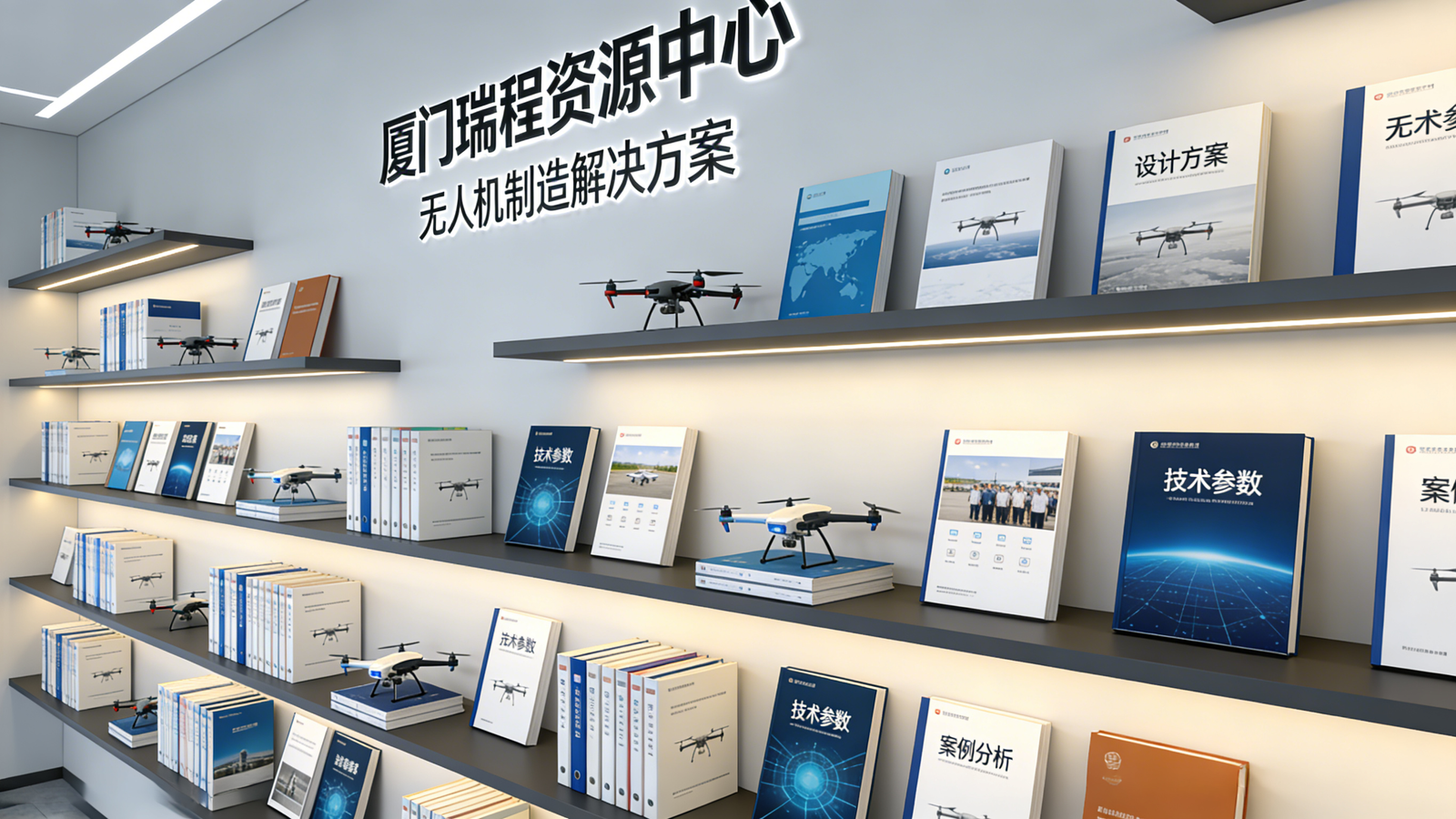
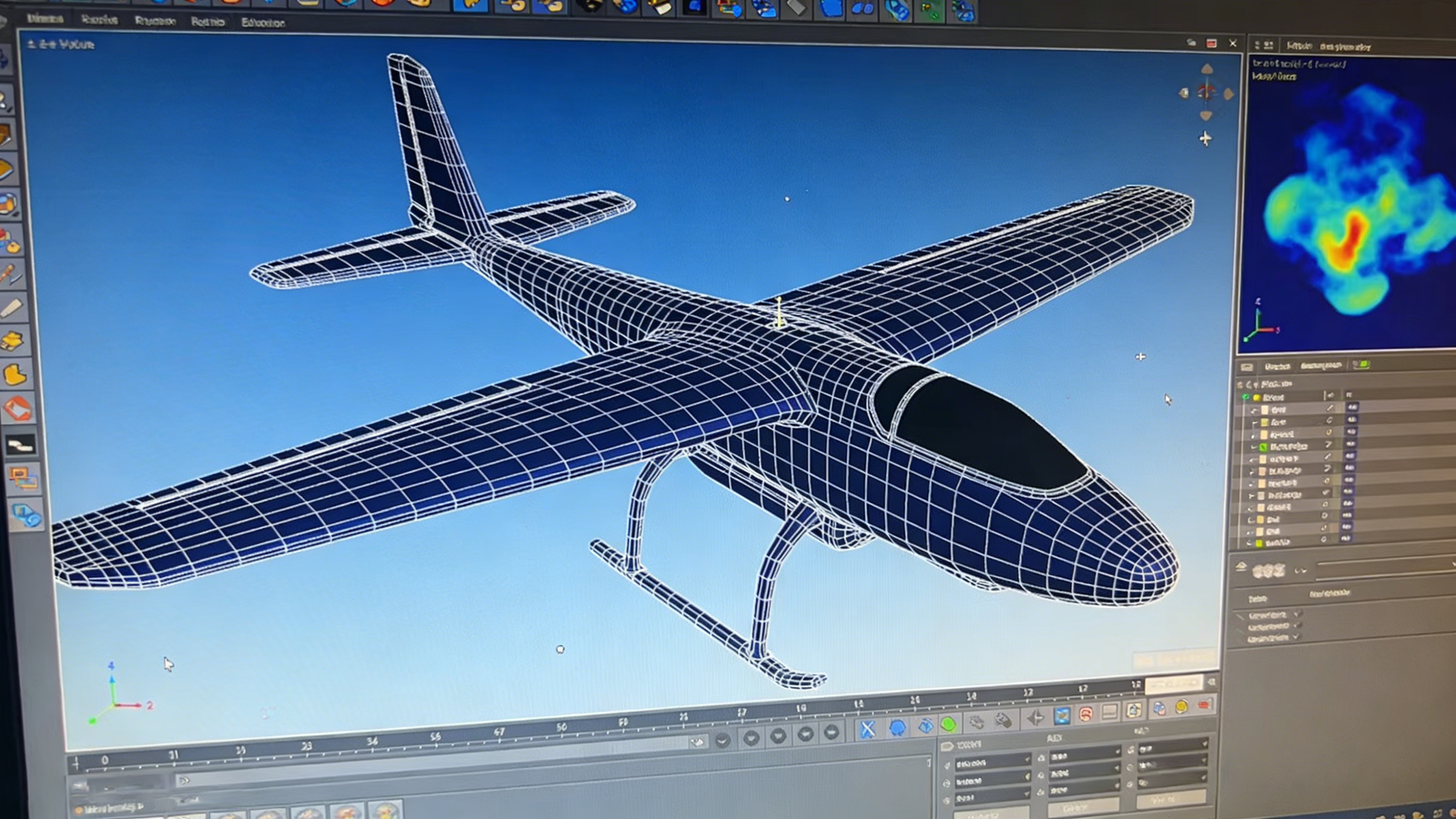
Drone structural components must withstand vibration and sustained loads, making early-stage finite element analysis essential for structural validation. During manufacturing, material heat treatment and surface strengthening further ensure mechanical reliability. Xiamen Ruicheng implements dimensional inspection protocols and material traceability systems to maintain consistent quality. Through coordinated process validation and production control, structural failure risks can be significantly reduced. This quality-forward management approach aligns with the safety requirements of high-performance UAV applications.
Structural Verification: Simulation tools optimize stress distribution before production.
Material Traceability: Batch coding systems ensure complete source transparency.
Process Inspection: Critical dimensions are sampled and verified for assembly accuracy.
Continuous Improvement: Data-driven feedback loops refine machining parameters over time.
🛠️ Reliable drone components result from disciplined manufacturing management.
Process Comparison for Drone Lightweight Projects
| Comparison Factor | CNC Turning | Die Casting | 3D Printing | Carbon Fiber |
|---|---|---|---|---|
| Cost Investment | Medium | High | Medium-High | High |
| Development Time | Short | Long | Medium | Medium |
| Precision Stability | High | Medium | Medium | Medium |
| Structural Strength | High | Medium | Medium | High |
| Volume Flexibility | Strong | Weak | Strong | Medium |
Choosing the right process is more strategic than comparing price alone. If you are evaluating manufacturing solutions for drone structural components, feel free to contact us for customized technical analysis.
A Decision-Companion Approach from Selection to Mass Production
Procurement of drone structural components involves more than selecting materials and machining processes; it requires validation planning, cost evaluation, and supply stability assessment. Xiamen Ruicheng applies project-based management to support sample validation, batch testing, and risk evaluation, helping clients accelerate decision cycles. Throughout cooperation, we focus on long-term product strategy rather than single transactions. This companion-style partnership model enables drone manufacturers to maintain both technical and cost advantages in a rapidly evolving market.
1.Requirement Clarification: Define structural functions and operating environments to guide machining strategies.
2.Prototype Validation: Test trial parts to refine design and structural performance.
3.Batch Planning: Align production capacity with stable delivery schedules.
4.Ongoing Optimization: Continuously adjust materials and machining processes based on market feedback.
FAQ Module
Question 1: What are the core advantages of your aluminum CNC turning solutions for lightweight drone components?
Answer: We use aerospace-grade materials such as 6061-T6 and 7075-T6, maintaining tolerances within ±0.02mm under standard conditions. Combined with anodizing and dimensional inspection systems, we ensure structural consistency and provide validated data to support strength and weight requirements for UAV applications.
Question 2: What information do we need to provide for a fast quotation?
Answer: Please submit CAD or 3D drawings, estimated order quantity, surface treatment requirements, and application details. Documents can be sent via email or online channels. Initial evaluation is completed within 2 hours, and a detailed quotation with process recommendations is provided within 12 hours.
Question 3: What are the minimum order quantity and lead time policies?
Answer: Prototype orders can start from 50 pieces. Standard production lead time ranges from 7–10 days. Orders exceeding 500 pieces qualify for optimized pricing, supported by flexible production lines to ensure stable delivery.
Question 4: How do you handle quality or delivery issues?
Answer: Quality reinspection can be requested within 7 days of receipt. Upon confirmation, replacement or rework is arranged within 48 hours. Core structural parts are covered by a 12-month quality assurance agreement with clearly defined responsibilities.
Question 5: Can you provide customized adjustments for special flight environments?
Answer: Yes, we support customization for high-temperature, high-vibration, or high-humidity environments. Detailed operating parameters are required, and a tailored solution will be provided within 3 working days, including cost adjustment details.
Conclusion
The success of drone lightweight projects depends on aligning material selection with the appropriate machining process. Aluminum CNC turning demonstrates consistent advantages for rotational structural components in terms of strength, precision, and efficiency. Xiamen Ruicheng provides full-process support from validation to mass production, ensuring supply reliability and performance stability. An optimal solution is built upon systematic evaluation of application needs, cost structure, and manufacturing consistency. When lightweight performance and structural reliability are both priorities, a professional manufacturing partner becomes a strategic asset.
For expert assistance in implementing solutions for your production needs, visit our resource center or contact us. Let’s help you scale up your manufacturing with precision and efficiency!