Introduction
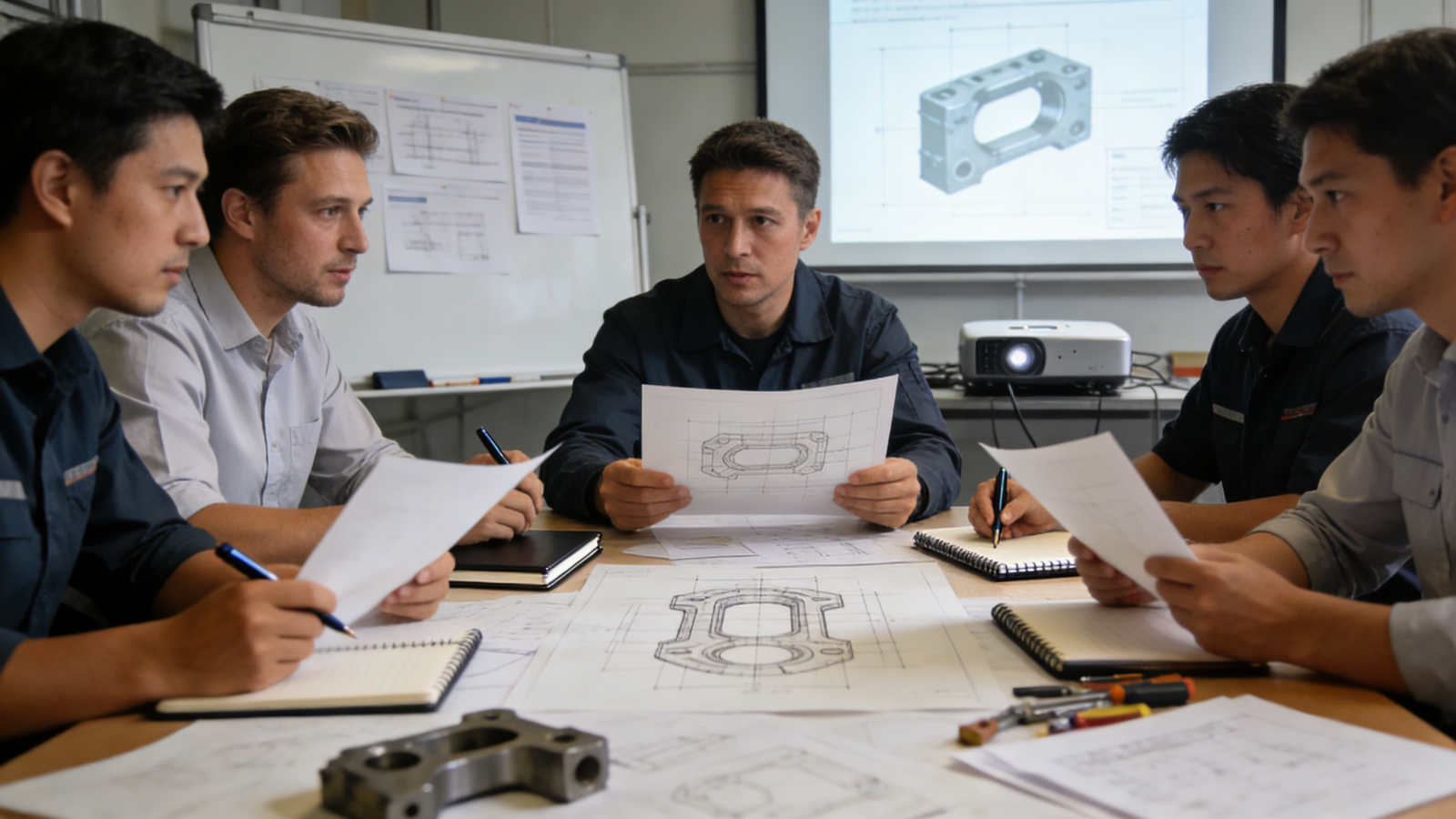
In nearshore marine environments, components are constantly exposed to high salinity, humidity, and aggressive corrosion conditions, which significantly impact the durability and safety of metal parts. Improper material selection can accelerate oxidation, pitting, and structural degradation, leading to increased maintenance costs and unexpected downtime. In such harsh conditions, corrosion resistance becomes a decisive factor for component lifespan.
Xiamen Ruicheng has extensive experience in marine metal processing, offering integrated solutions through optimized material selection, forging processes, and surface treatments. Instead of relying solely on basic specifications, modern procurement decisions require a deeper understanding of real application conditions and lifecycle performance. A reliable selection strategy must be built on real-world operating environments rather than isolated parameters.
How to Evaluate Corrosion Resistance of Forged Components in High Salt Spray Environments?
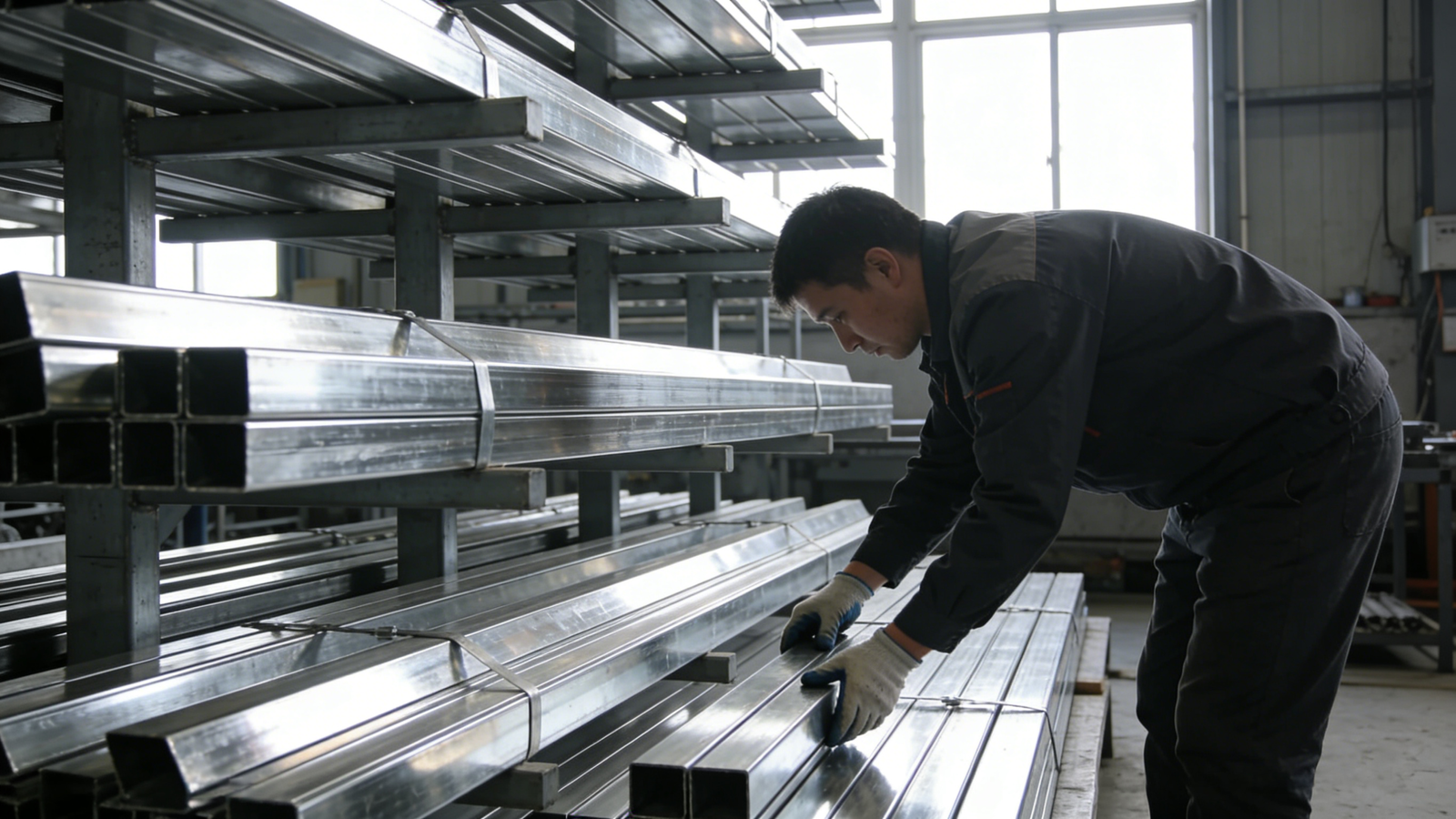
In marine conditions, evaluating corrosion resistance requires a combination of material composition, structural density, and surface treatment rather than simple cost comparison or datasheet review. Key references such as stainless steel properties and salt spray testing standards are essential benchmarks, and Xiamen Ruicheng supports clients with validated performance data tailored to different offshore conditions. Differences in corrosion resistance often stem from subtle variations in material composition and processing quality rather than visible specifications.
Material composition: Alloy elements like chromium and molybdenum directly affect resistance to chloride-induced corrosion.
Forging density: Higher density structures reduce internal voids and limit corrosion propagation paths.
Surface treatment: Processes like passivation or coating effectively delay oxidation in salt-rich environments.
Testing validation: Standardized salt spray tests provide reliable indicators of long-term performance.
🔍 True corrosion resistance comes from the synergy of material science and process control.
Which Forged Materials Are Best for Heavy Marine Salt Spray Conditions?
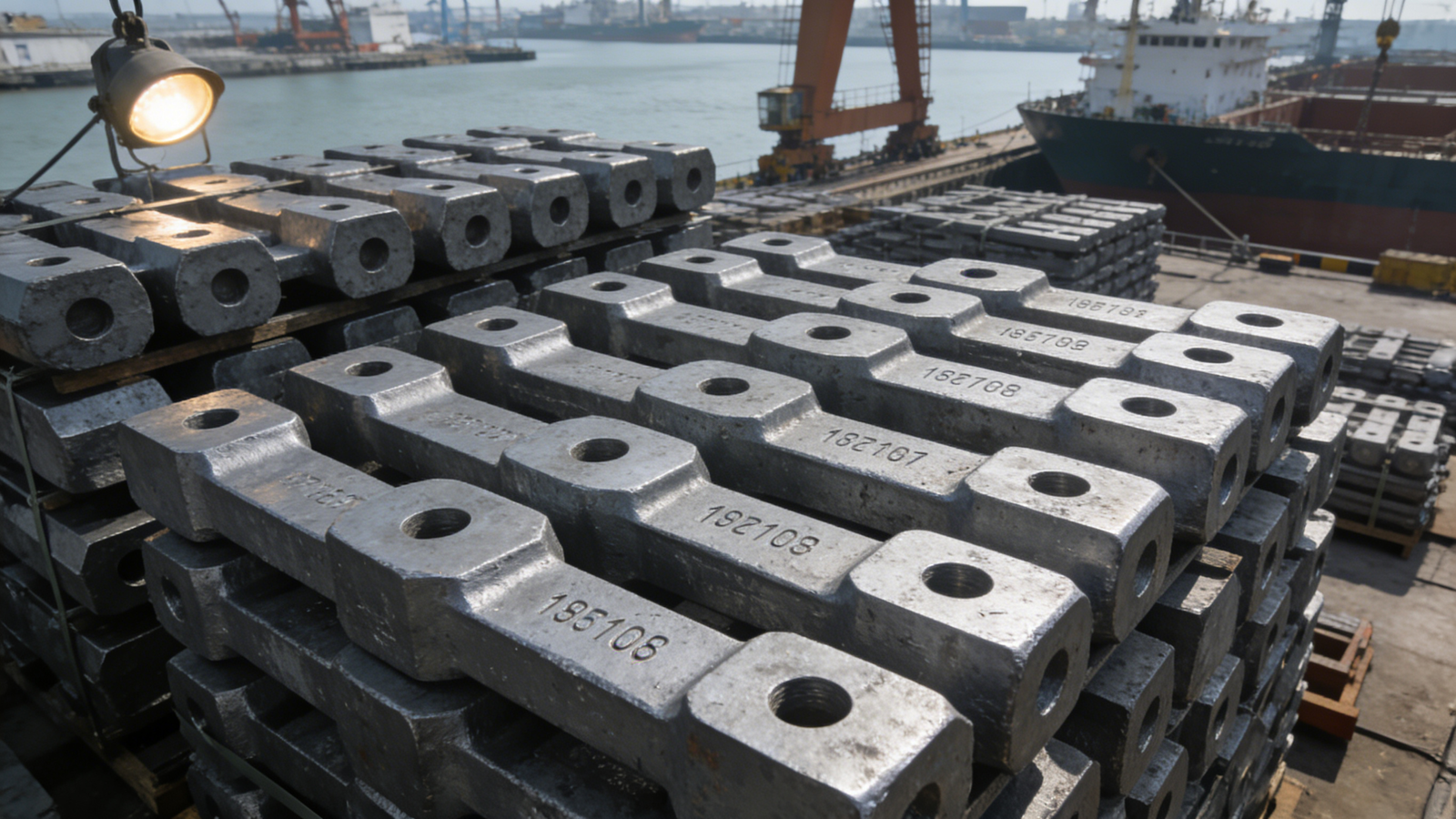
Different materials perform very differently under high salinity exposure, and selecting the right one is critical for long-term reliability. Materials such as duplex stainless steel and 316L stainless steel are widely used due to their superior resistance to pitting and stress corrosion, while Xiamen Ruicheng helps match materials to specific operational needs. Choosing the right material at the beginning significantly reduces maintenance frequency and total lifecycle cost.
316L stainless steel: Suitable for general marine applications with stable corrosion resistance.
Duplex stainless steel: Offers enhanced resistance in high-chloride environments for critical components.
High alloy steels: Designed for extreme conditions but require higher investment.
Material matching: Optimal performance comes from aligning material properties with actual usage conditions.
⚙️ Material selection defines the upper limit of corrosion resistance and cost efficiency.
How Can Forging Processes Improve Corrosion Resistance and Service Life?
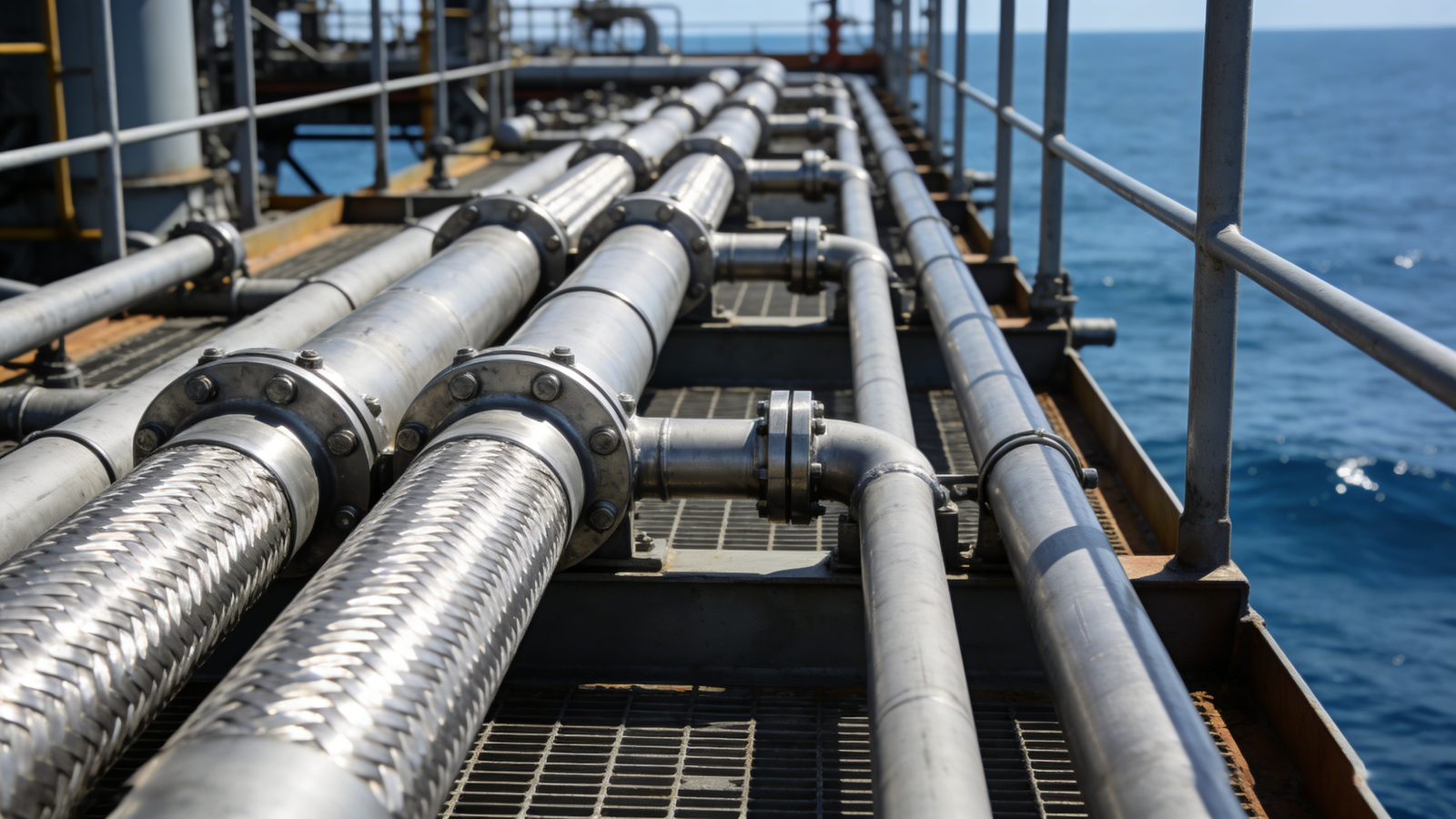
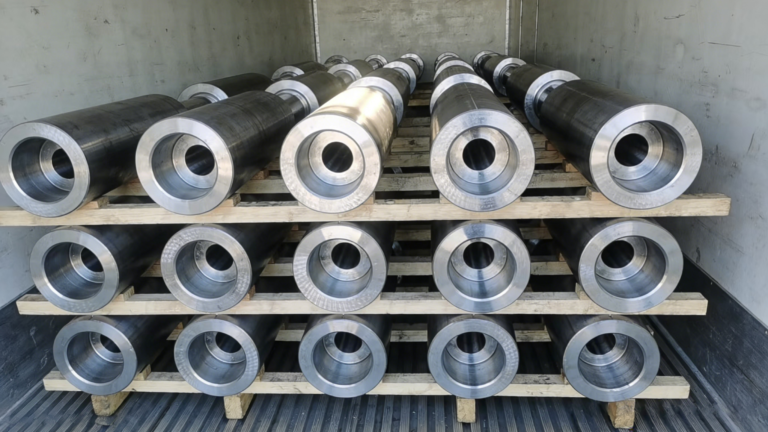
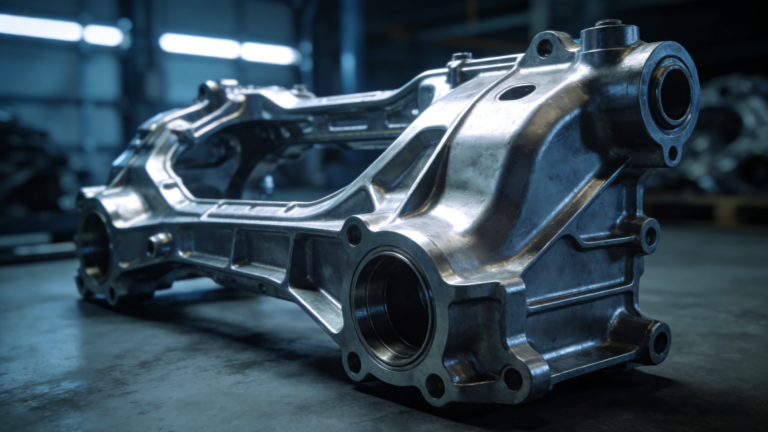
Forging processes not only determine mechanical strength but also influence internal microstructure and long-term corrosion behavior. Methods such as open-die forging and closed-die forging differ significantly in density and consistency, and Xiamen Ruicheng optimizes these processes to ensure reliable corrosion resistance. Process optimization is a hidden but critical factor in enhancing corrosion performance.
Grain refinement: Finer grain structures improve overall resistance to corrosion attack.
Defect reduction: Minimizing inclusions and porosity reduces potential corrosion initiation points.
Forming method: Closed-die forging provides better consistency for batch production.
Post-processing: Heat treatment and surface finishing enhance overall durability.
🛠️ Corrosion resistance depends as much on process control as on material choice.
Comparison Table for Marine Forged Component Selection
| Criteria | 316L Forging | Duplex Steel Forging | Carbon Steel Forging | High Alloy Forging |
|---|---|---|---|---|
| Salt Spray Resistance | Medium-High | High | Low | Very High |
| Cost Level | Medium | Medium-High | Low | High |
| Service Life | Long | Very Long | Short | Extremely Long |
| Maintenance Frequency | Medium | Low | High | Very Low |
| Application Scenario | General Marine | High Salinity | Low Corrosion | Extreme Conditions |
If you are evaluating the best material and process solution for your application, get expert support now contact us
How to Build a Long-Term Cost-Oriented Selection Strategy
In marine applications, focusing only on initial purchase cost often leads to higher long-term maintenance expenses, making lifecycle cost evaluation essential. Xiamen Ruicheng supports customers by optimizing materials, improving processes, and ensuring production consistency to reduce total operational costs. Long-term reliability often delivers greater value than short-term savings.
1.Lifecycle evaluation: Assess cost based on durability and maintenance requirements rather than initial price.
2.Application matching: Select materials based on real working conditions instead of over-specification.
3.Supply stability: Consistent production ensures reliability across batches and reduces risks.
4.Technical support: Engineering support minimizes uncertainty in decision-making.
FAQ – Common Procurement Questions
Question 1: What are the core advantages of your marine corrosion-resistant forged components?
Answer: Xiamen Ruicheng provides solutions based on 316L and duplex stainless steel, supported by salt spray testing and multi-stage quality inspection to ensure stable performance in marine environments.
Question 2: What information is required to get a quotation?
Answer: Clients should provide application details, drawings, and estimated quantities. Xiamen Ruicheng responds within 12 hours with evaluation and quotation support.
Question 3: What are the lead times for different order quantities?
Answer: Samples typically take 3–5 days, while bulk production ranges from 10–20 days, with expedited options available.
Question 4: How are quality issues handled after delivery?
Answer: A full after-sales system is in place, including inspection support and replacement or optimization within 48 hours if issues are confirmed.
Question 5: Do you support customized corrosion-resistant solutions?
Answer: Yes, customization is available based on application parameters, with solutions typically delivered within 3 working days and cost adjustments evaluated accordingly.
Conclusion
Selecting forged components for marine salt spray environments requires a systematic approach that integrates material performance, process quality, and supply reliability. Xiamen Ruicheng helps clients achieve higher durability and lower lifecycle costs through optimized solutions. A truly reliable corrosion-resistant solution comes from aligning material, process, and real-world application conditions. Proper selection not only enhances operational stability but also minimizes long-term risks.
For expert assistance in implementing for your production needs, visit our resource center or contact us. Let’s help you scale up your manufacturing with precision and efficiency!