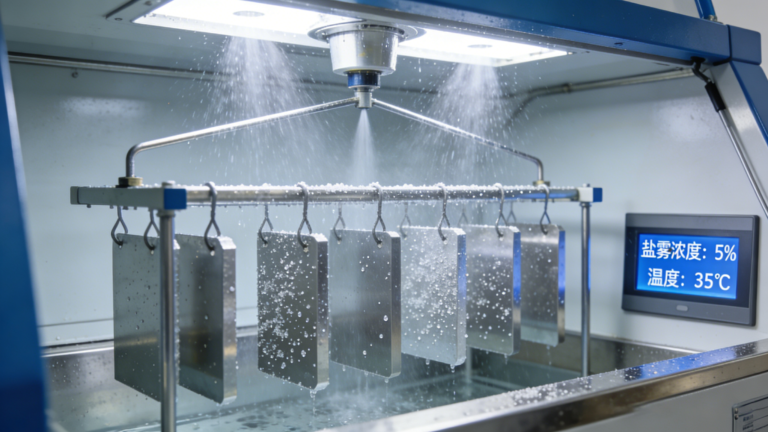
Introduction
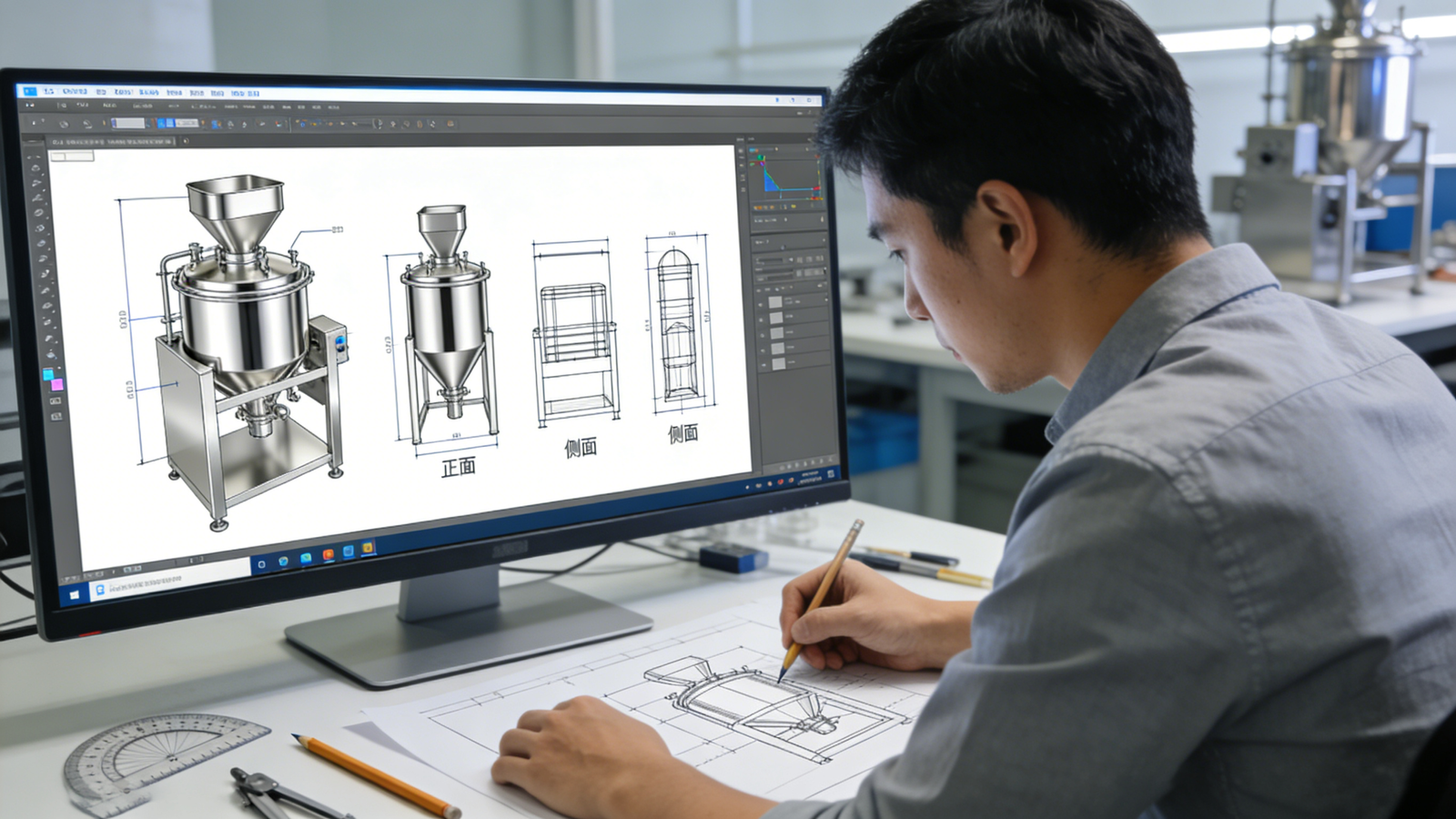
Food processing equipment demands significantly higher surface quality standards than general industrial applications, and mirror-finish stainless steel parts have become the preferred choice due to their smoothness and ease of cleaning. High-quality surface treatment not only affects appearance but directly impacts food safety and operational stability. In real procurement scenarios, many companies overlook the relationship between processing techniques and environmental compatibility, which leads to corrosion or hygiene risks during long-term use.
As industry standards continue to rise, relying solely on material properties is no longer sufficient; a systematic optimization of processing, finishing, and structural design is essential. Xiamen Ruicheng provides full-process control in metal manufacturing to deliver verifiable anti-corrosion and hygienic solutions. This approach extends equipment lifespan while reducing maintenance costs and compliance risks.
Why Does Mirror-Finish Stainless Steel Still Rust?
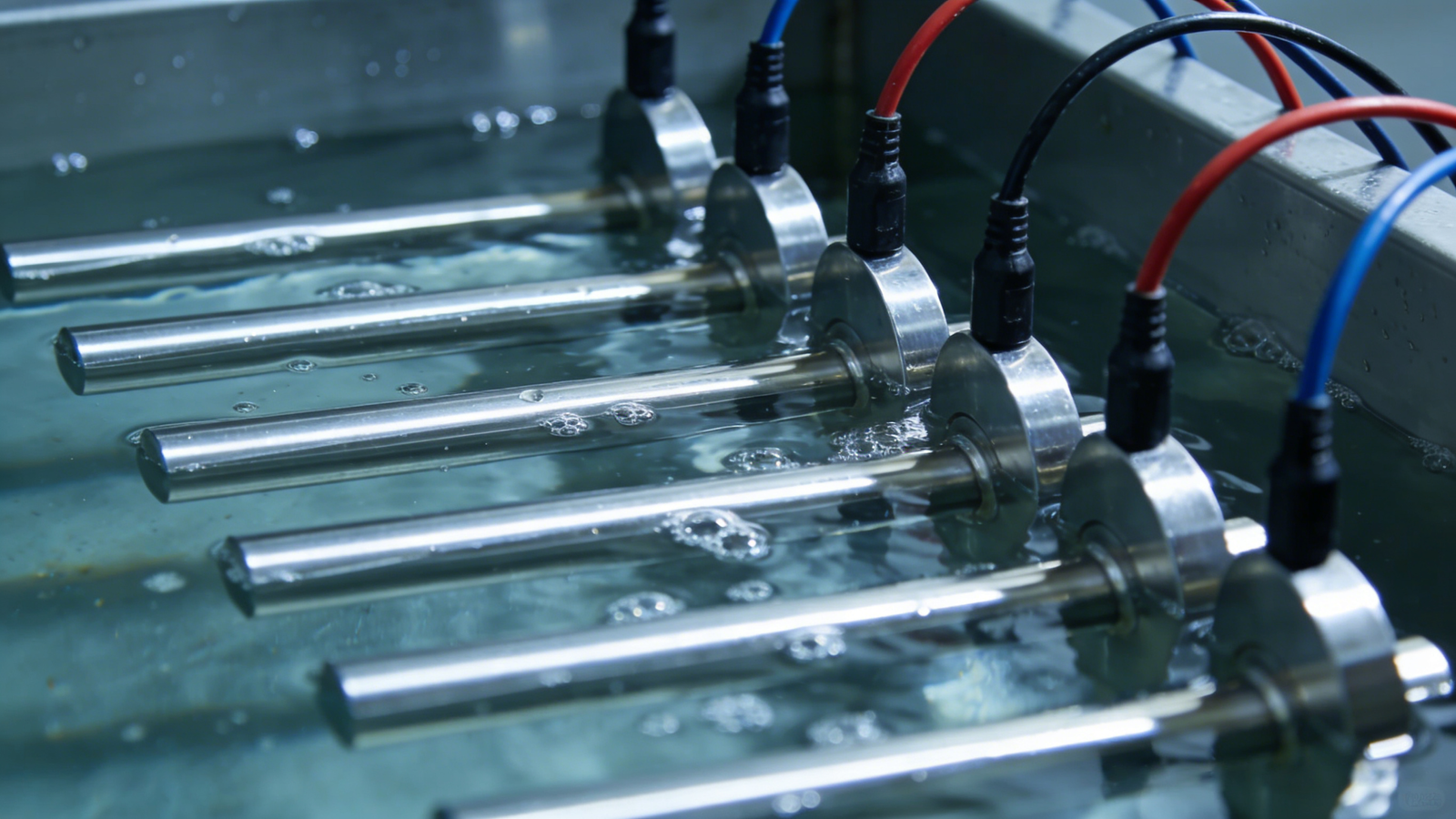
Mirror-finish stainless steel is not completely immune to corrosion, as its resistance depends heavily on processing quality, environmental exposure, and post-treatment effectiveness; when stainless steel corrosion mechanisms and surface roughness are not properly controlled, pitting or rust spots can still occur, especially in chloride-rich or high-cleaning-frequency environments. The key factor lies in whether the passive layer is intact and whether microscopic defects exist on the surface, which directly determines corrosion resistance. Xiamen Ruicheng minimizes such risks by optimizing polishing and passivation processes to ensure long-term stability.
Material Selection: Different stainless steel grades offer varying corrosion resistance depending on application conditions.
Processing Defects: Micro-cracks or residual stress can damage the protective layer and accelerate corrosion.
Environmental Impact: Acidic, alkaline, or saline environments significantly speed up oxidation reactions.
Post-Treatment: Insufficient passivation results in an unstable protective film.
😊 Preventing rust depends on the synergy between material selection and processing quality
How to Prevent Contamination on Mirror-Finish Stainless Steel Surfaces?
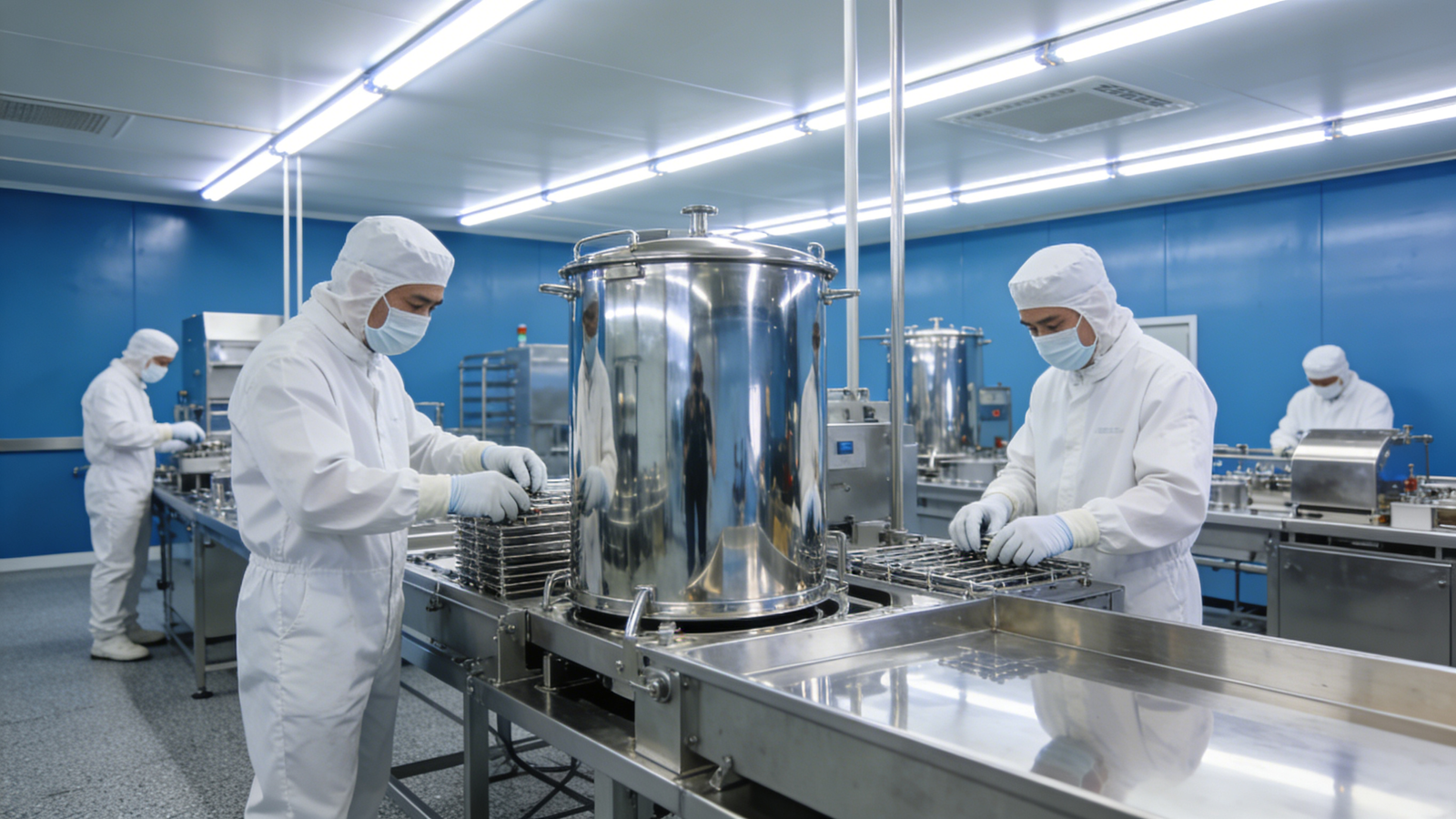
Although mirror-finish stainless steel appears smooth, inadequate processing can still create microscopic pits that trap bacteria; without proper implementation of food safety standards and electropolishing processes, contamination risks remain high. True contamination prevention relies on reducing surface roughness below hygienic thresholds to eliminate attachment points for residues. Xiamen Ruicheng enhances cleanliness by combining precision polishing with optimized structural design.
Surface Smoothness: Lower Ra values significantly reduce residue adhesion.
Process Selection: Electropolishing provides superior cleanliness compared to mechanical polishing.
Structural Design: Eliminating dead corners improves cleanability.
Cleaning Validation: Standardized testing ensures long-term hygiene performance.
🧼 Contamination control is about microstructure, not just visible smoothness
How to Evaluate Processing Quality During Procurement?
When sourcing mirror-finish stainless steel parts, visual inspection alone is insufficient; evaluation must include testing data and process transparency, using standards such as surface measurement standards and quality management systems. Reliable suppliers provide traceable data and process documentation rather than relying solely on visual appeal. Xiamen Ruicheng ensures every project includes verifiable quality metrics to support confident purchasing decisions.
Inspection Reports: Surface roughness and corrosion resistance data are essential.
Process Transparency: Clear workflows indicate stable production capability.
Batch Consistency: Consistent output ensures long-term reliability.
Certifications: Recognized standards strengthen quality assurance.
📊 Data-driven evaluation is more reliable than appearance-based judgment
Comparison of Mirror Stainless Steel Processing Methods
| Item | Mechanical Polishing | Electropolishing | Passivation | Hybrid Process |
|---|---|---|---|---|
| Surface Finish | Medium | High | Unchanged | Ultra-high |
| Corrosion Resistance | Moderate | Strong | Strong | सर्वोच्च |
| Contamination Risk | Higher | Low | Medium | Lowest |
| Cost | Low | Medium | Low | Medium-high |
| Application | General Equipment | Food Equipment | Auxiliary | High-end Systems |
Choosing the right process defines both performance and lifecycle cost—reach out now for tailored solutions: contact us
Building a Long-Term Reliable Stainless Steel Solution for Food Equipment
In food processing applications, no single process can address all requirements; long-term stability depends on the integration of material selection, processing technology, and structural design. Xiamen Ruicheng supports customers across the full lifecycle—from initial requirement analysis to process optimization and final quality validation. This end-to-end solution delivers far greater reliability than standalone machining services. With a systematic approach, companies can reduce failure rates and significantly improve overall hygiene performance.
1.Requirement Analysis: Define material solutions based on environment and cleaning frequency.
2.Process Matching: Select optimal polishing and treatment techniques for the application.
3.Quality Control: Ensure consistent output through standardized inspection systems.
4.Continuous Improvement: Optimize processes based on real-world usage feedback.
FAQ
Question 1: What are the key quality standards and advantages of your mirror-finish stainless steel processing?
Answer: Xiamen Ruicheng uses high-grade materials such as 316L stainless steel, achieving surface roughness as low as Ra ≤ 0.4μm, combined with electropolishing and passivation, supported by full inspection reports to meet food-grade requirements.
Question 2: What information do we need to provide for a quotation?
Answer: Customers should submit technical drawings, application conditions, and estimated quantities; quotations with process recommendations are typically provided within 12 hours.
Question 3: What are the MOQ and lead time for different order volumes?
Answer: Prototyping supports small batches with delivery in 3–5 days, while mass production typically takes 7–15 days depending on volume, with expedited options available.
Question 4: How are quality issues handled after delivery?
Answer: Quality issues are verified through inspection reports; confirmed problems are addressed within 48 hours with rework or replacement, supported by warranty policies.
Question 5: Do you support customization for special applications?
Answer: Yes, custom solutions are available based on environmental conditions; detailed parameters are required, and optimized proposals are delivered within 3 working days with cost evaluation.
Conclusion
Preventing rust and contamination in mirror-finish stainless steel parts for food equipment requires a combination of proper material selection, advanced processing techniques, and application-specific design. Procurement decisions should prioritize data validation and supplier capability rather than visual inspection alone. Partnering with a manufacturer that offers integrated solutions is essential for long-term performance and reliability. With the right strategy and expert support, businesses can minimize risks and enhance operational efficiency.
For expert assistance in implementing solutions for your production needs, visit our resource center or contact us. Let’s help you scale up your manufacturing with precision and efficiency!