Introduction

In the metal machining of cable conductive components, oxidation is not an occasional defect but a systemic risk embedded across material selection, machining environment, and process management. Once oxidation is uncontrolled, conductivity degradation and downstream assembly failures will directly increase total supply chain costs.
From long-term cooperation with cable and connectivity manufacturers, Xiamen Ruicheng has learned that effective anti-oxidation solutions must intervene at the decision-making stage rather than relying on post-process rework. Only by shifting oxidation risk to the front end of evaluation can stable mass production and predictable quality be achieved.
Why are cable conductive components prone to oxidation during machining?
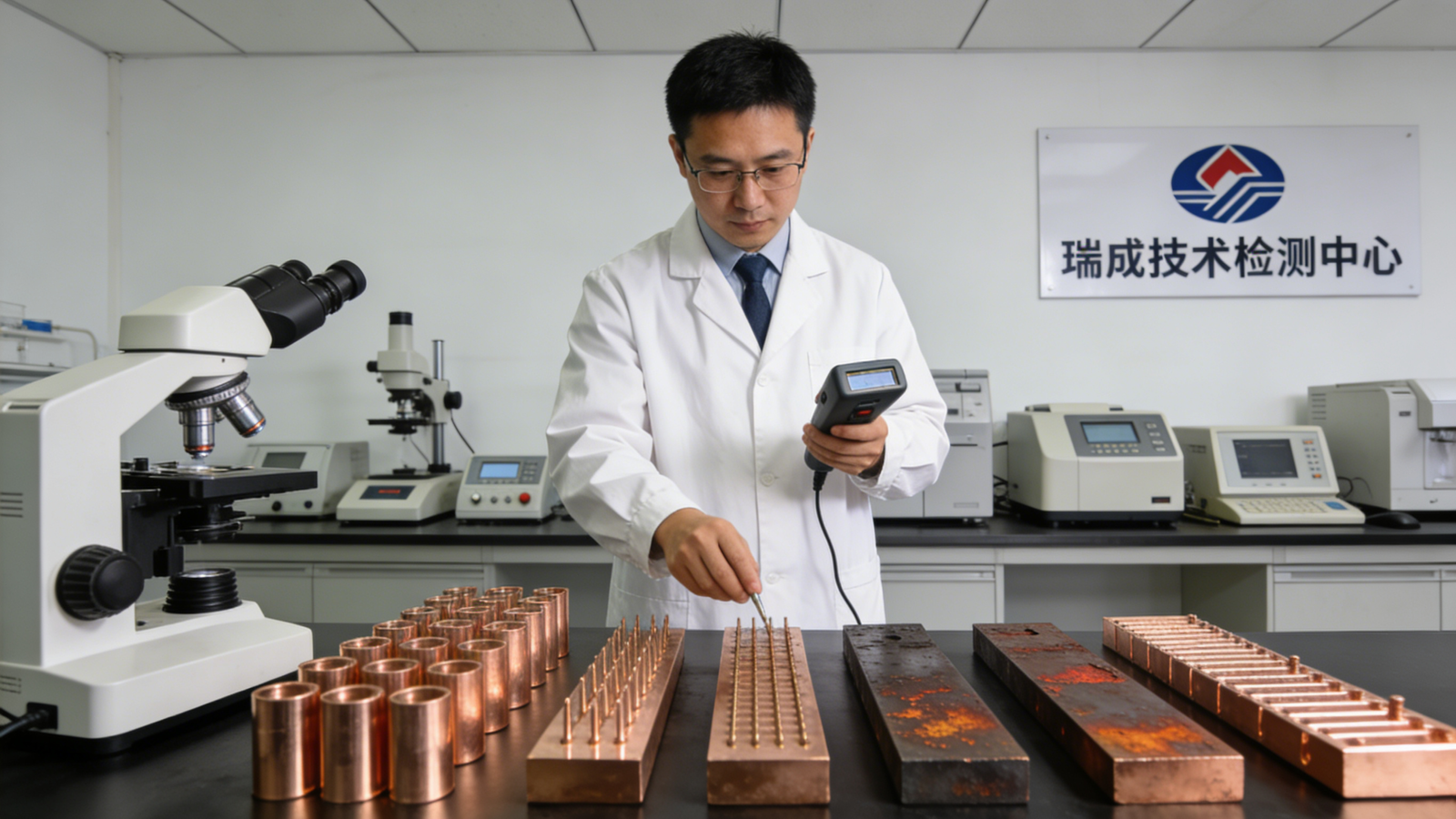
Cable conductive components are commonly made of copper and copper alloys, which are highly reactive metals that are easily exposed to air, moisture, and heat during cutting, turning, and secondary forming processes, leading to oxidation. This oxidation does not only occur on finished surfaces but may continuously accumulate at the micro cutting interface, affecting the effective conductive cross-section. Based on long-term tracking of copper conductive parts, Xiamen Ruicheng has confirmed that oxidation is usually driven by a combination of machining tempo, tool condition, and environmental exposure rather than a single factor, especially when dealing with oxidation behavior of copper.
Material exposure: Continuous exposure of metal to ambient air inevitably initiates oxidation.
Thermal accumulation: Localized heat generated by high-speed machining significantly accelerates oxidation reactions.
Media residue: Residual coolant or moisture acts as a catalyst for oxidation.
Time accumulation: The longer semi-finished parts remain idle, the higher the oxidation risk becomes.
🔧 Systematically identifying oxidation triggers is the first step toward effective prevention.
How critical is environmental control in preventing oxidation of conductive parts?
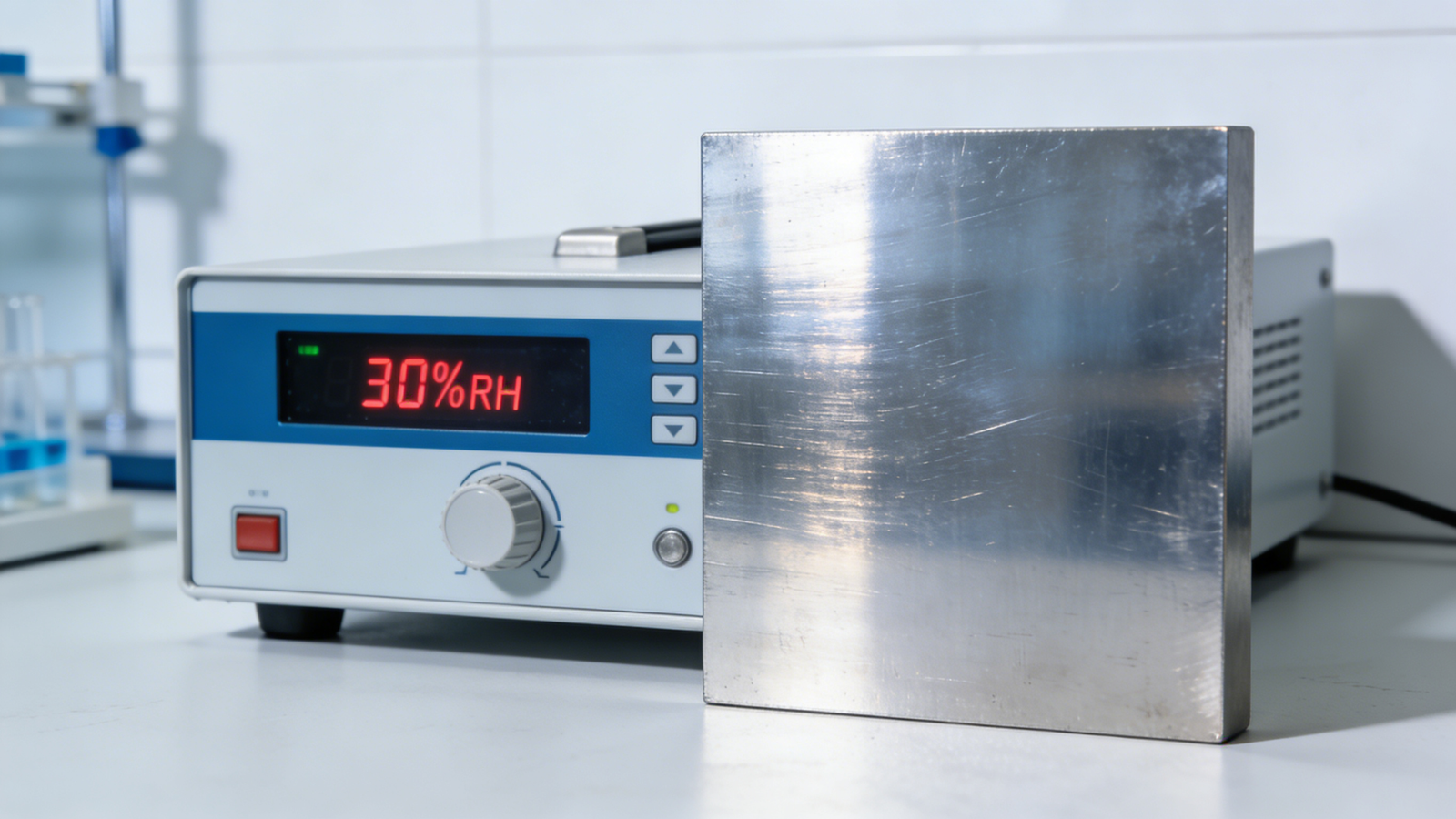
In conductive component machining, the environment is not a background condition but a decisive factor, especially regarding oxygen concentration and humidity fluctuations. By implementing enclosed machining units and inert gas-assisted protection, Xiamen Ruicheng significantly reduces oxidation probability at the machining interface. Practical results show that when inert gas shielding is applied, the initial surface condition of conductive parts can be effectively preserved, thereby reducing reliance on subsequent surface treatment.
Humidity management: A stable low-humidity environment noticeably slows oxidation rates.
Atmospheric isolation: Local oxygen isolation is more cost-effective than post-machining cleaning.
Process continuity: Minimizing intermediate exposure steps prevents repeated oxidation cycles.
Standardized operations: Environmental parameters must be quantified to ensure repeatability in mass production.
🌬️ The earlier environmental control is implemented, the lower the long-term anti-oxidation cost.
How do surface treatment strategies affect conductivity and long-term stability?
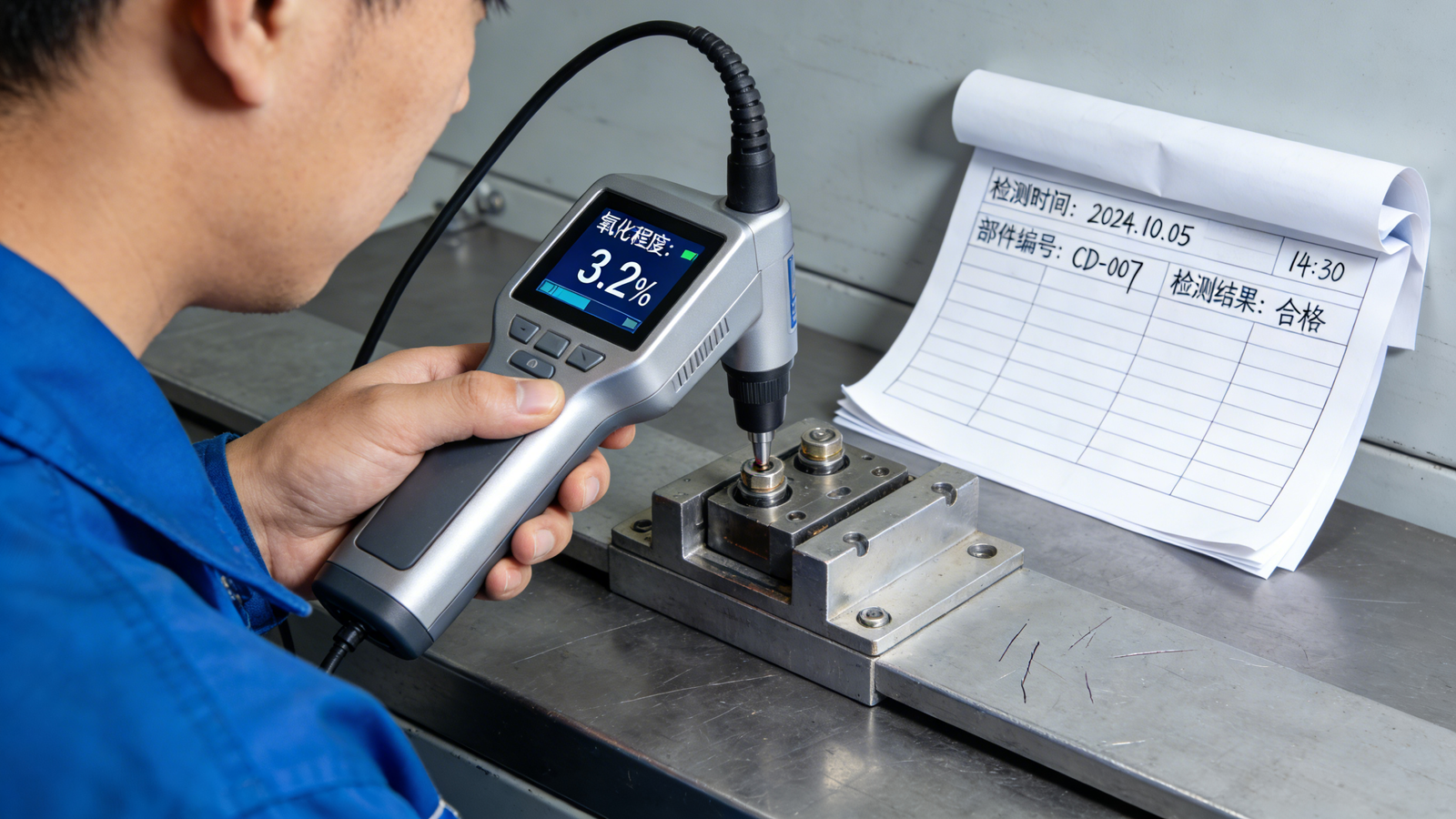
Surface treatment for conductive components is not merely a rust-prevention step but a balance between protection and electrical performance. Xiamen Ruicheng evaluates the impact of different plating and coating methods on resistance and contact reliability at the solution design stage. By selecting appropriate electroless plating or physical protective layers based on application scenarios, oxidation diffusion can be effectively suppressed without compromising conductive efficiency.
Protection thickness: Excessive coating thickness may affect assembly tolerances and contact stability.
Process compatibility: Surface treatments must align with subsequent crimping or soldering operations.
Lifecycle assessment: Protective performance should cover the entire product lifecycle.
Consistency control: Uniform coating distribution determines quality stability in batch production.
🛡️ The right surface strategy matters more than the strongest protection.
Comparison of Anti-Oxidation Machining Solutions and Decision Reference
| Solution Type | Anti-Oxidation Effect | Conductivity Impact | Cost Structure | Applicable Stage |
|---|---|---|---|---|
| Open machining | Low | None | Low | Prototyping |
| Environmental control | Medium | None | Medium | Pilot runs |
| Surface treatment | High | Controllable | Medium–High | Mass production |
| Combined solution | Very high | Optimal | Manageable | Stable mass production |
If you are evaluating which solution best fits your project timeline, feel free to reach out for further discussion, contact us
Decision Path from Prototyping to Mass Production
In practical procurement decisions, anti-oxidation strategies should not only serve current orders but also align with future scaling plans. Xiamen Ruicheng supports customers through a “prototype validation – pilot validation – mass production standardization” path to control risk at every stage. This decision-support model enables clear trade-offs between cost, lead time, and performance.
1.Prototype stage: Rapid validation of material and baseline process feasibility.
2.Pilot stage: Introduction of environmental and process controls to verify stability.
3.Mass production stage: Standardization of surface treatment and quality benchmarks.
4.Continuous stage: Ongoing optimization through data-driven process feedback.
FAQ
Question 1: What are your core advantages in anti-oxidation machining for cable conductive components?
Answer: Xiamen Ruicheng integrates material evaluation, environmental control, and surface treatment into quantifiable anti-oxidation standards, ensuring consistent electrical performance across batch production.
Question 2: What information is required for quotation and process consultation?
Answer: Providing part drawings, operating environment, current requirements, and expected volumes allows Xiamen Ruicheng to deliver a comprehensive machining solution with integrated anti-oxidation strategies within the agreed timeframe.
Question 3: How do lead time and cost vary with different order volumes?
Answer: Small batches prioritize flexibility, while mass production benefits from process standardization and unit cost reduction, with scalable planning based on annual demand.
Question 4: How are oxidation-related quality issues handled?
Answer: Xiamen Ruicheng operates a clear evaluation and reinspection mechanism, enabling fast corrective actions or alternative solutions once root causes are identified.
Question 5: Do you support customized anti-oxidation solutions for special applications?
Answer: Yes, customized combinations of environmental control and surface treatment can be developed based on operating conditions and service life requirements.
Conclusion
Oxidation issues in cable conductive components are fundamentally a matter of whether machining decisions are made early enough. When anti-oxidation considerations are integrated into early solution planning, quality and cost cease to be conflicting objectives. Through decision-support-oriented services, Xiamen Ruicheng helps customers achieve stable, scalable, and repeatable mass production outcomes in metal machining.
For expert assistance in implementing for your production needs, visit our resource center or contact us. Let’s help you scale up your manufacturing with precision and efficiency!
Email: marketing@chinaruicheng.com
WhatsApp: +8615980769781
Contact page: https://custommetalpro.com/contact-us/