Introduction

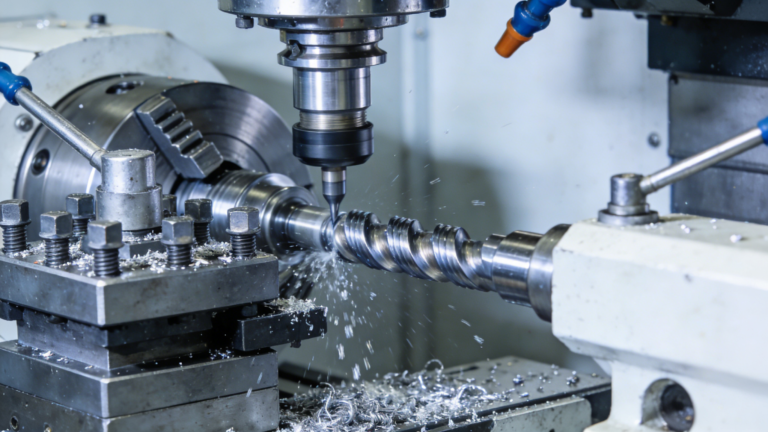
In industries such as food processing, medical devices, pharmaceuticals, and high-end equipment manufacturing, stainless steel precision cutting is no longer a simple fabrication step but a critical factor influencing compliance and brand credibility. Buyers often discover that while many suppliers can cut stainless steel, very few truly understand hygiene standards and consistently apply them throughout the machining process.A precision cutting service that meets hygiene standards is essentially a system-level capability covering materials, processes, and management, rather than a single technical advantage.
As regulatory requirements become increasingly strict, purchasing decisions are shifting from parameter comparison to trust in processes and long-term risk control. Whether a supplier has proven hygienic machining experience and can proactively identify risks during early communication has become a decisive factor.Manufacturers like Xiamen Ruicheng are embedding themselves into the full decision-making journey through a “decision companionship” service model.
How Can Hygiene Compliance Be Evaluated?

When searching for a stainless steel precision cutting provider that meets hygiene standards, buyers care more about whether the machining process is auditable and traceable than about isolated accuracy figures. Reliable suppliers proactively align with systems such as ISO 9001 and food-safety-oriented thinking like ISO 22000, implementing these requirements directly into cleaning and process control. For medical or food-contact applications, reference to FDA guidelines further reduces compliance risks.
Certification mindset: Whether international standards are embedded in daily operations rather than used only for documentation.
Process traceability: Whether every batch of cut parts can be traced back to equipment, operators, and parameters.
Clean segregation: Whether hygienic orders are physically or procedurally separated from general metal processing.
Documentation support: Whether complete machining and inspection records can be quickly provided during audits.
🔍 Hygiene compliance is not a promise, but the ability to withstand third-party scrutiny.
Where Do Cutting Details Matter Most?
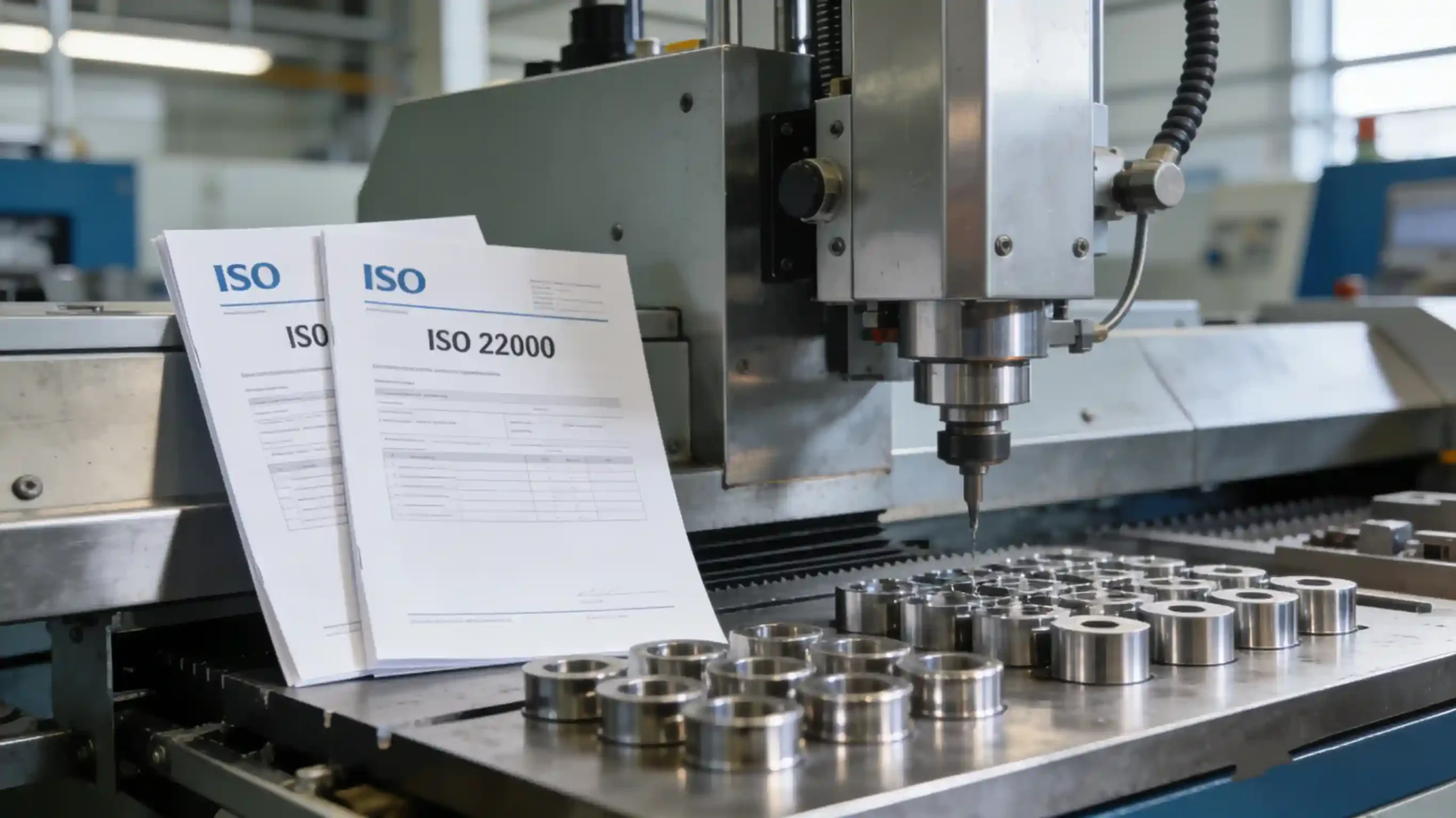
Hygiene standards are often reflected in overlooked machining details, which is where true differentiation lies. In high-requirement applications, edge burr control, heat-affected zones, and surface consistency directly affect cleanability and safe use. Standards such as ASTM A240 for stainless materials and design principles from EHEDG help clarify why these details matter.
Edge quality: Smooth cut surfaces reduce areas where contaminants can accumulate.
Thermal control: Optimized processes minimize discoloration and microstructural changes.
Equipment matching: Different thicknesses and grades require tailored cutting technologies.
Post-process compatibility: Cutting conditions should support subsequent polishing or passivation.
🧩 Details determine whether hygienic cutting is truly fit for regulated applications.
Is the Service Capability Sufficient?

At later decision stages, buyers often realize that passing a single inspection is not enough; long-term service stability is equally critical. Mature suppliers clarify lead times, inspection methods, and exception-handling processes at the quotation stage, reducing uncertainty. Alignment with management concepts such as ISO 14001 and ISO 45001 further reflects operational resilience.
Response speed: Efficiency in feedback from drawing review to process confirmation.
Capacity flexibility: Stable execution for both pilot batches and volume orders.
Communication depth: Willingness to highlight potential hygiene risks in design.
Long-term collaboration: Openness to supporting product iterations and improvements.
🤝 Stable service capability defines how far hygienic cutting partnerships can go.
Key Dimensions for Hygienic Cutting Service Comparison
| Dimension | General Cutter | Parameter-Driven Cutter | Compliance-Oriented Cutter | Decision-Companion Model (e.g. Xiamen Ruicheng) |
|---|---|---|---|---|
| Hygiene awareness | Basic | Document-level | Process-level | Fully integrated |
| Traceability | None | Partial | Complete | Complete + interpretable |
| Risk communication | Reactive | Limited | Proactive | Preventive |
| Cooperation depth | Transactional | Project-based | Long-term | Strategic partnership |
Want to evaluate which model fits your project best? Feel free to contact us for tailored guidance.
From Processing to Decision Companionship
Under hygiene-driven requirements, selecting a stainless steel precision cutting provider should go beyond pricing or sampling stages. Xiamen Ruicheng transforms machining services into procurement decision support through early risk identification, mid-process transparency, and post-delivery optimization.
1.Early evaluation: Identifying hygiene and compliance risks at the drawing stage.
2.Process alignment: Building trust through clear workflows and milestone feedback.
3.Outcome validation: Verifying delivery quality with auditable records and consistency.
4.Continuous improvement: Refining cutting and auxiliary processes through long-term cooperation.
Frequently Asked Questions (FAQ)
Question 1: What is the quality baseline of your [stainless steel precision cutting service]?
Answer: Our baseline is defined by internationally recognized hygiene and quality systems, combined with application-specific material, process, and inspection standards, all supported by verifiable records.
Question 2: What information is required to quickly initiate cooperation for [stainless steel precision cutting services]?
Answer: Complete drawings, application descriptions, and estimated quantities help us assess feasibility and provide timely process and pricing feedback through dedicated channels.
Question 3: How do lead times and cooperation terms differ by order volume?
Answer: Pilot and volume orders follow different scheduling strategies, with clear delivery windows and contingency options when needed.
Question 4: How are quality or delivery issues handled after purchase?
Answer: We follow a defined issue identification and response process, offering corrective or remake solutions and tracking closure until completion.
Question 5: Do you support customization or extended services?
Answer: Yes, we provide process adjustments and supporting services based on actual operating conditions, with timelines and costs clarified during proposal development.
Conclusion
Finding a stainless steel precision cutting service provider that meets hygiene standards is fundamentally a decision about risk management, trust, and long-term value. Buyers who move beyond parameter comparison can better identify system-level capabilities. Decision-companion suppliers like Xiamen Ruicheng help transform machining choices into sustainable competitive advantages.
For expert assistance in implementing solutions for your production needs, visit our resource center or contact us. Let’s help you scale up your manufacturing with precision and efficiency!
Email: marketing@chinaruicheng.com
WhatsApp: +8615980769781
Contact page: https://custommetalpro.com/contact-us/