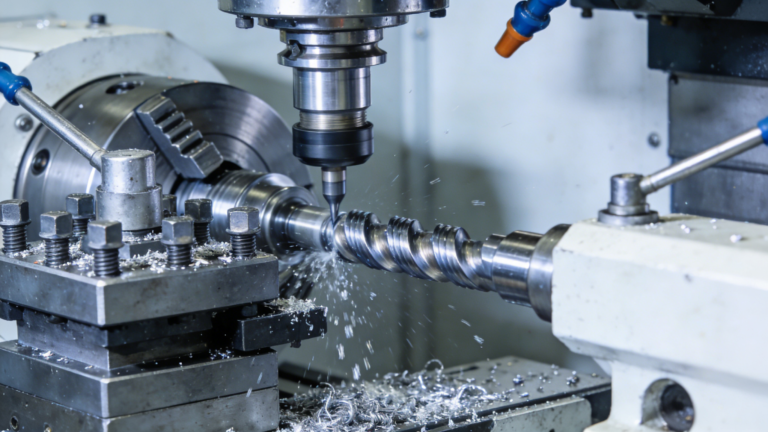
Introduction
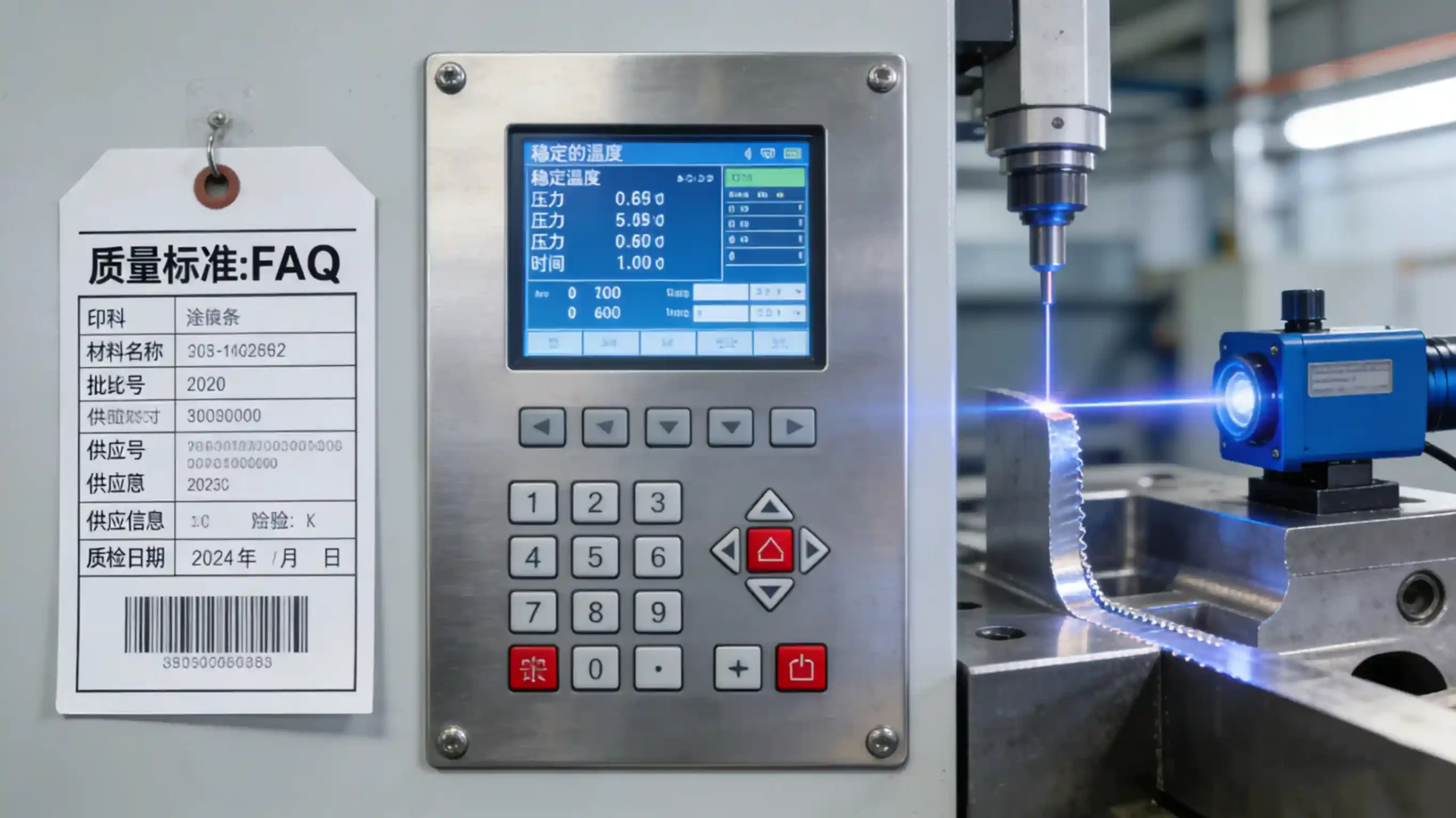
Agricultural machinery operates for long periods under high loads, heavy dust exposure, and corrosive environments, making stainless steel cut parts essential for both structural integrity and functional reliability. Incorrect material or process decisions often remain hidden at first, only to escalate into downtime, rework, or system-level failures over time.A truly mature selection strategy is not built on parameter stacking, but on long-term decision-making aligned with real operating conditions.
In practice, more agricultural equipment manufacturers are shifting from a simple “product display” mindset to a “decision companionship” approach that spans evaluation, validation, mass production, and after-sales support. Scenario-driven stainless steel cut part selection has become a foundational capability for cost control and operational stability.
Which Stainless Steel Is Suitable for Different Working Conditions?
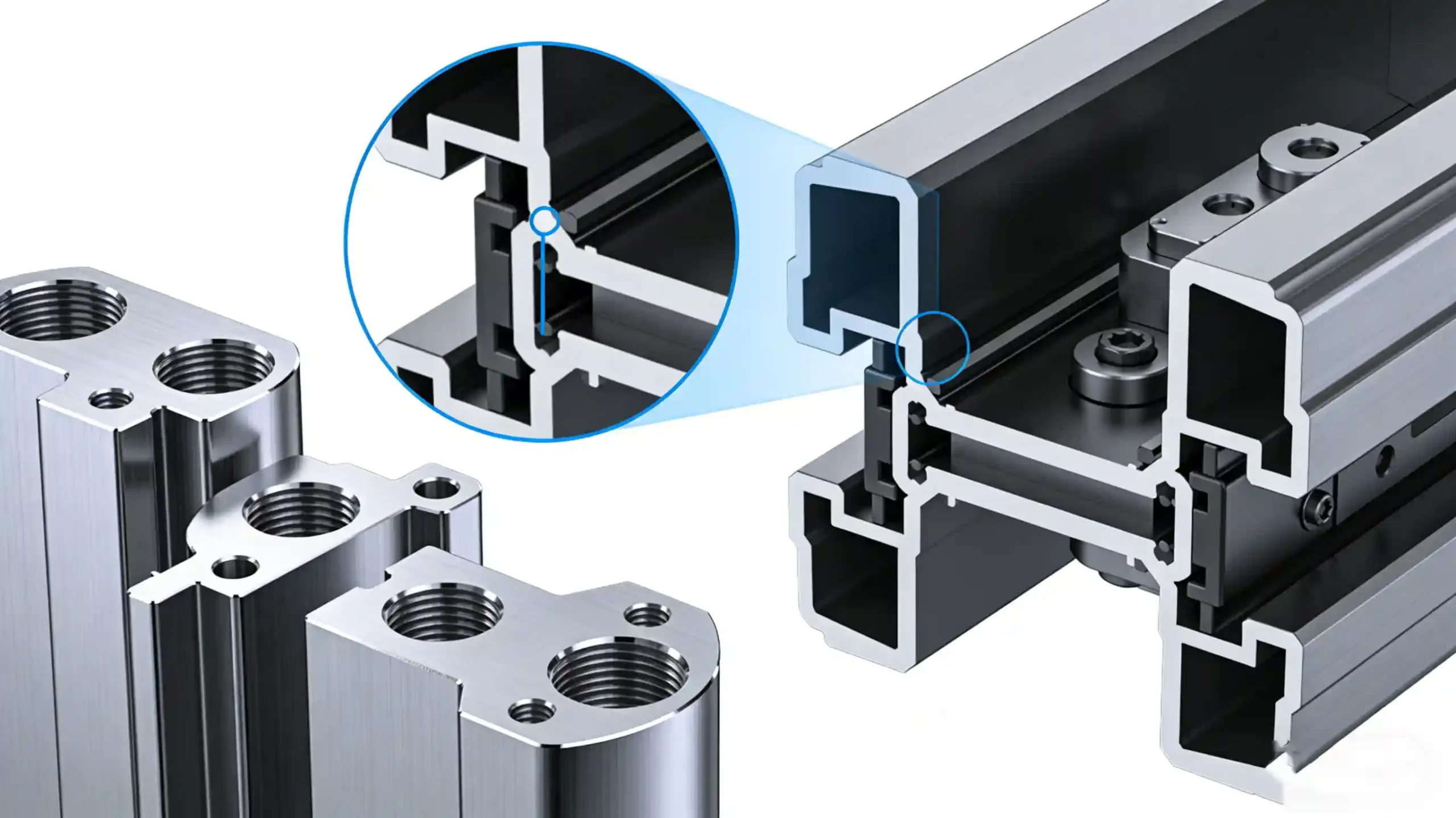
Agricultural machinery must withstand sand abrasion, fertilizer corrosion, and cyclical mechanical loads, requiring stainless steel cut parts to be precisely matched to actual working conditions. Treating stainless steel merely as a “corrosion-resistant material” is one of the main reasons for premature part failure. In frames, guards, and transmission brackets, differences in stainless steel materials [^1] directly affect fatigue resistance and weldability, while cutting methods such as laser cutting [^2] can further amplify these material characteristics.
Corrosion resistance needs: Components exposed to fertilizers and moisture rely heavily on the stability of austenitic stainless steel.
Structural load requirements: Load-bearing parts must balance strength and ductility.
Process compatibility: Material-process matching determines assembly accuracy.
Lifecycle cost control: Incorrect material choices increase maintenance and replacement costs.
🙂 Material selection is not about grades, but about serving real agricultural machinery conditions.
Does the Cutting Process Affect Service Life?
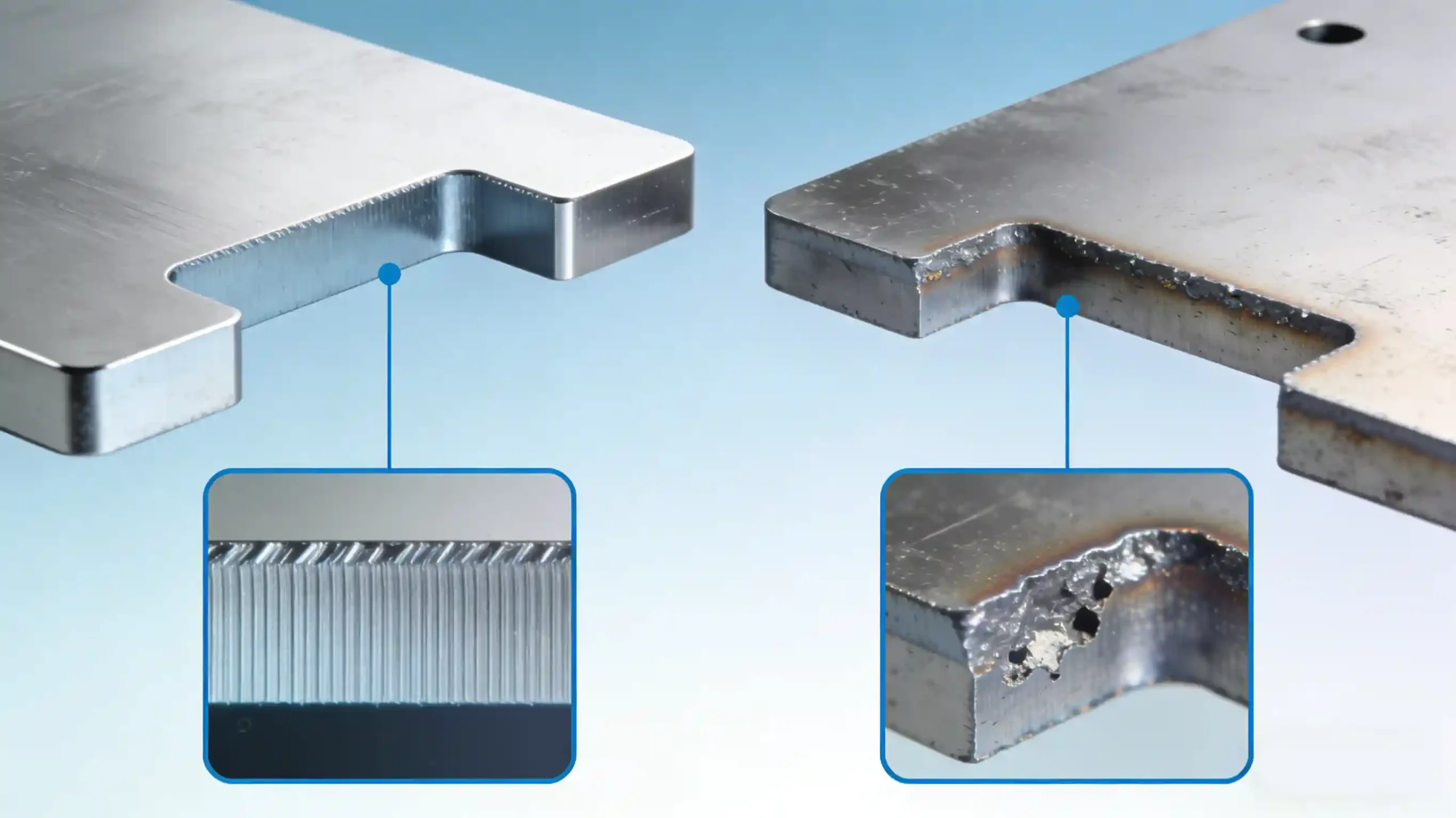
The lifespan of stainless steel cut parts is not determined by material alone; cutting processes directly influence edge quality and residual stress. Many agricultural components appear acceptable during assembly but develop cracks in operation due to cutting-related process issues. For complex contours or thick plates, waterjet cutting [^3] minimizes heat-affected zones, while plasma cutting [^4] offers a balance between efficiency and cost.
Edge quality control: Burrs and microcracks propagate rapidly under vibration.
Thermal impact management: Concentrated heat alters original metallurgical structures.
Dimensional consistency: Batch consistency determines assembly efficiency.
Post-processing flexibility: Proper cutting reduces secondary processing needs.
🔧 Choosing a cutting method is essentially placing an early bet on equipment durability.
How Can Hidden Risks Be Avoided During Procurement?
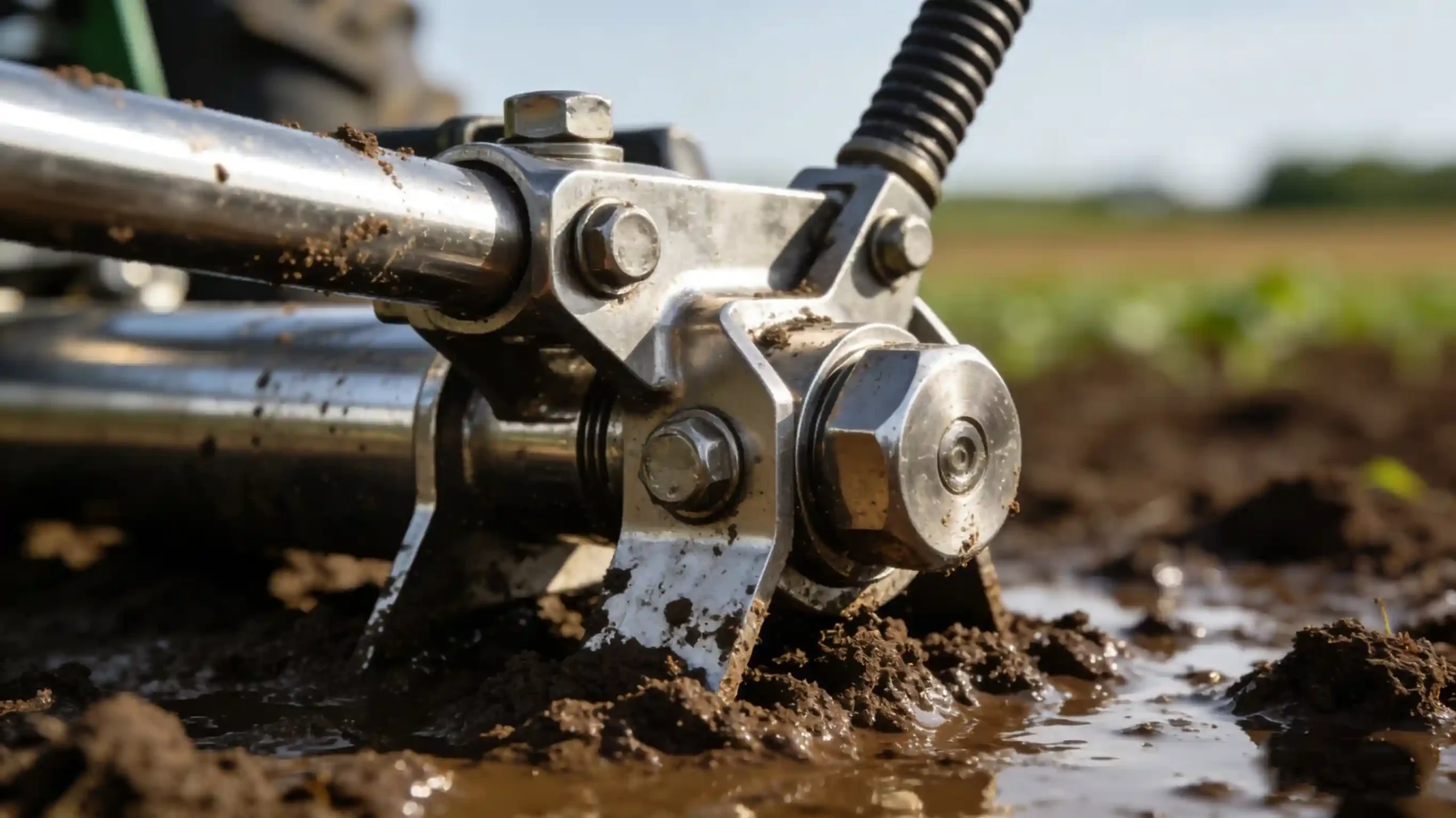
In agricultural stainless steel cut part procurement, real risks often hide behind quotations and samples. A qualified sample does not guarantee stable batch delivery. Buyers must evaluate whether suppliers have standardized metal fabrication [^5] processes and proven agricultural project experience, as well as comprehensive quality control [^6] systems from raw material to shipment.
Batch consistency risks: Sample success does not equal scalable reliability.
Delivery stability: Seasonal capacity shortages directly impact production plans.
Communication costs: Misunderstandings amplify revision cycles.
Responsibility clarity: Undefined processes often lead to disputes.
⚠️ True confidence comes from verifiable long-term capabilities.
Comparison Dimensions for Agricultural Stainless Steel Cutting Solutions
| Dimension | Option A | Option B | Option C | Option D |
|---|---|---|---|---|
| Suitable load | Light-duty | Medium-duty | Heavy-duty | Complex conditions |
| Cutting method | Laser | Plasma | Waterjet | Hybrid |
| Edge quality | Medium | Medium | High | High |
| Batch stability | Average | Good | Good | Excellent |
| Cost structure | Low | Medium | High | Controlled |
| Service depth | Basic | Standard | Customized | Decision companionship |
Looking to match the right cutting solution for your agricultural project? Feel free to contact us
Extended Value from Cut Parts to System Stability
The value of stainless steel cut parts in agricultural machinery extends far beyond individual components and continues to compound at the system level. Stable cutting quality significantly reduces assembly deviations and long-term maintenance frequency. Xiamen Ruicheng often engages at the design stage of agricultural metal fabrication projects, helping customers balance material selection, process planning, and batch scheduling.
1.Design collaboration: Optimize structures early to reduce unnecessary processing.
2.Process validation: Lock in stable cutting parameters before mass production.
3.Batch planning: Align capacity with seasonal agricultural demand.
4.Long-term support: Focus on project lifecycle rather than one-time orders.
FAQ – Agricultural Stainless Steel Cut Parts
Question: What is the core quality baseline of your agricultural stainless steel cut parts?
Answer: Xiamen Ruicheng ensures traceable materials, locked process parameters, and outgoing inspections to maintain consistent dimensions and edge quality for long-term agricultural use.
Question: What information is required to quickly start a customized cutting project?
Answer: Basic drawings, operating conditions, and estimated volumes enable rapid feasibility and quotation feedback.
Question: How are delivery cycles managed for different order volumes?
Answer: Separate plans are established for trial and mass production, supported by flexible scheduling to mitigate seasonal fluctuations.
Question: How are quality issues handled after delivery?
Answer: Clear quality judgment criteria and response mechanisms ensure quick root cause identification and resolution.
Question: Do you support long-term process optimization cooperation?
Answer: Continuous optimization based on real usage feedback is supported to build stable, long-term supply partnerships.
Conclusion
Selecting stainless steel cut parts for agricultural machinery is a system-level decision integrating material science, cutting processes, and supplier capability. When procurement evolves from price comparison to full-cycle decision companionship, cut parts truly support equipment reliability. Partnering with experienced manufacturers allows agricultural equipment producers to balance stability, cost, and delivery over the long term.
For expert assistance in implementing solutions for your production needs, visit our resource center or contact us. Let’s help you scale up your manufacturing with precision and efficiency!
Email: marketing@chinaruicheng.com
WhatsApp: +8615980769781
Contact page: https://custommetalpro.com/contact-us/