Introduction
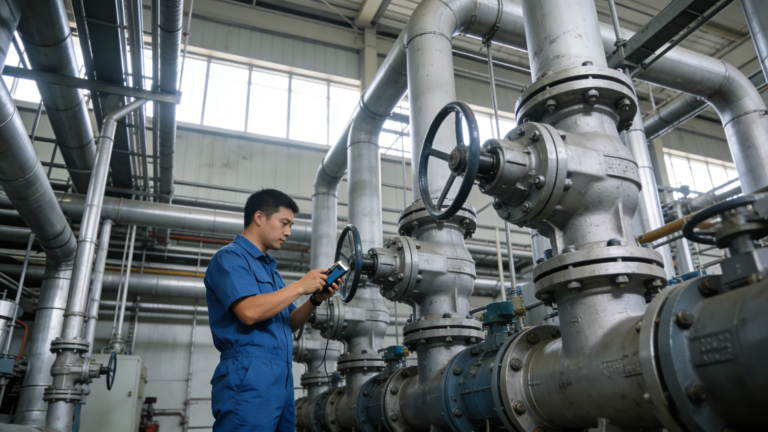
In modern valve systems, component stability plays a decisive role in ensuring safe operation, consistent sealing performance, and extended service life, especially under demanding industrial conditions such as high pressure, thermal cycling, and corrosive media. Xiamen Ruicheng has consistently observed that traditional manufacturing methods often fail to meet the dual requirements of structural strength and dimensional precision, leading to performance fluctuations. True stability comes from the integration of material optimization, forging technology, and precise quality control.
As procurement strategies evolve, buyers are no longer satisfied with basic specifications but instead prioritize reliability under real-world conditions, driving a shift from product-centric evaluation to solution-oriented decision-making. Xiamen Ruicheng supports this transition by offering tailored brass forging solutions that align with specific operational needs. By combining custom forging with controlled production processes, valve components achieve predictable and repeatable performance.
Why Do Brass Forged Components Deliver Better Stability in Valve Systems?
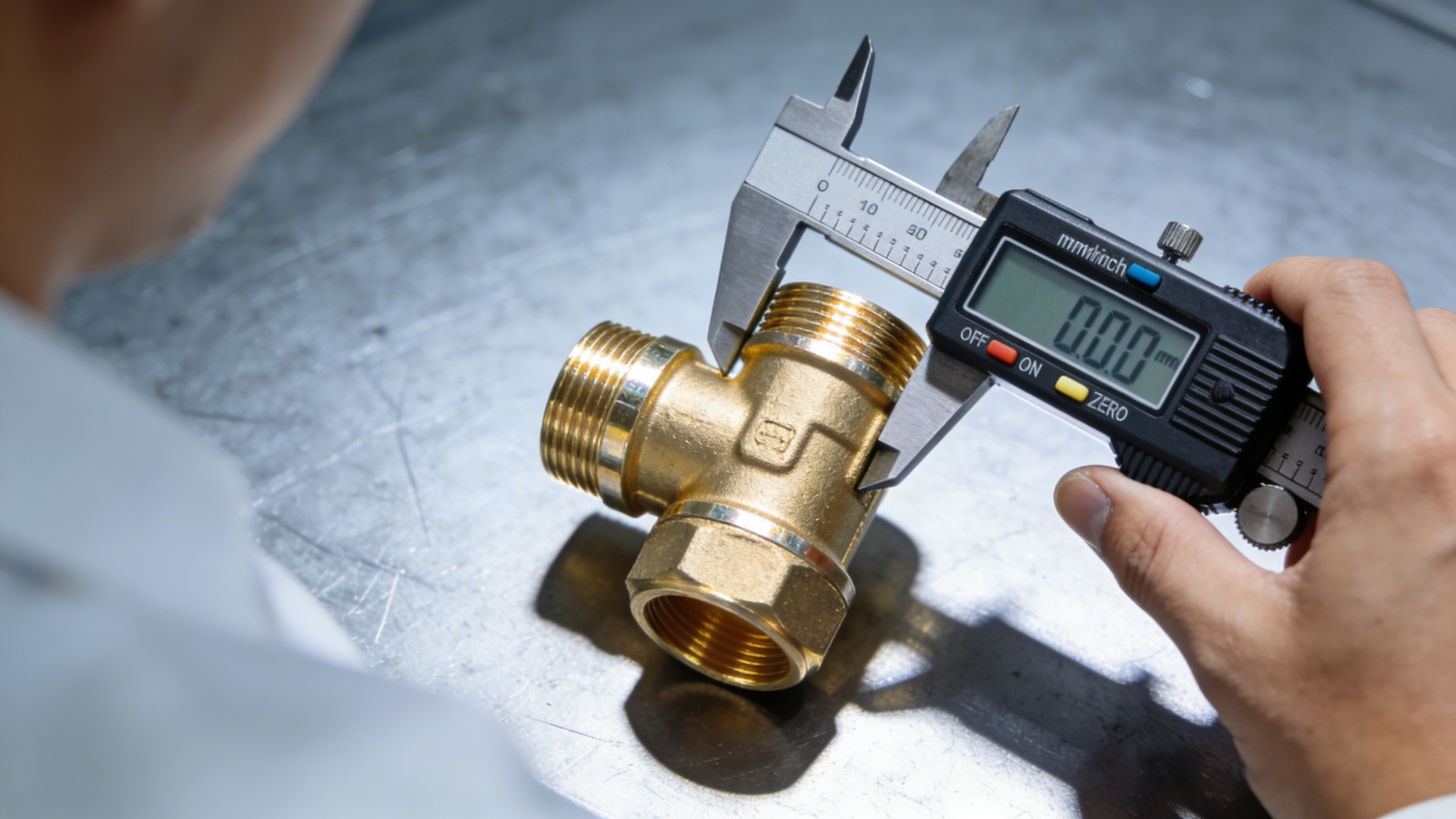
Brass forged components provide superior performance due to their refined grain structure achieved through the forging process, which enhances mechanical strength and fatigue resistance, while integration with optimized valve engineering ensures system-level stability. Xiamen Ruicheng leverages advanced closed-die forging and precision machining to eliminate internal voids and reduce leakage risks, ensuring consistent long-term operation. In addition, brass materials offer natural corrosion resistance, making them ideal for various industrial applications.
Grain refinement: Forging aligns and compresses grains, improving structural strength.
Load endurance: Withstands repeated pressure cycles without deformation.
Corrosion resistance: Performs reliably across fluid and chemical environments.
Dimensional control: Tight tolerances improve assembly fit and reduce failure risk.
🔧 Forged brass components provide a structurally superior solution for valve stability.
How Does Custom Brass Forging Support Long-Term Reliability?
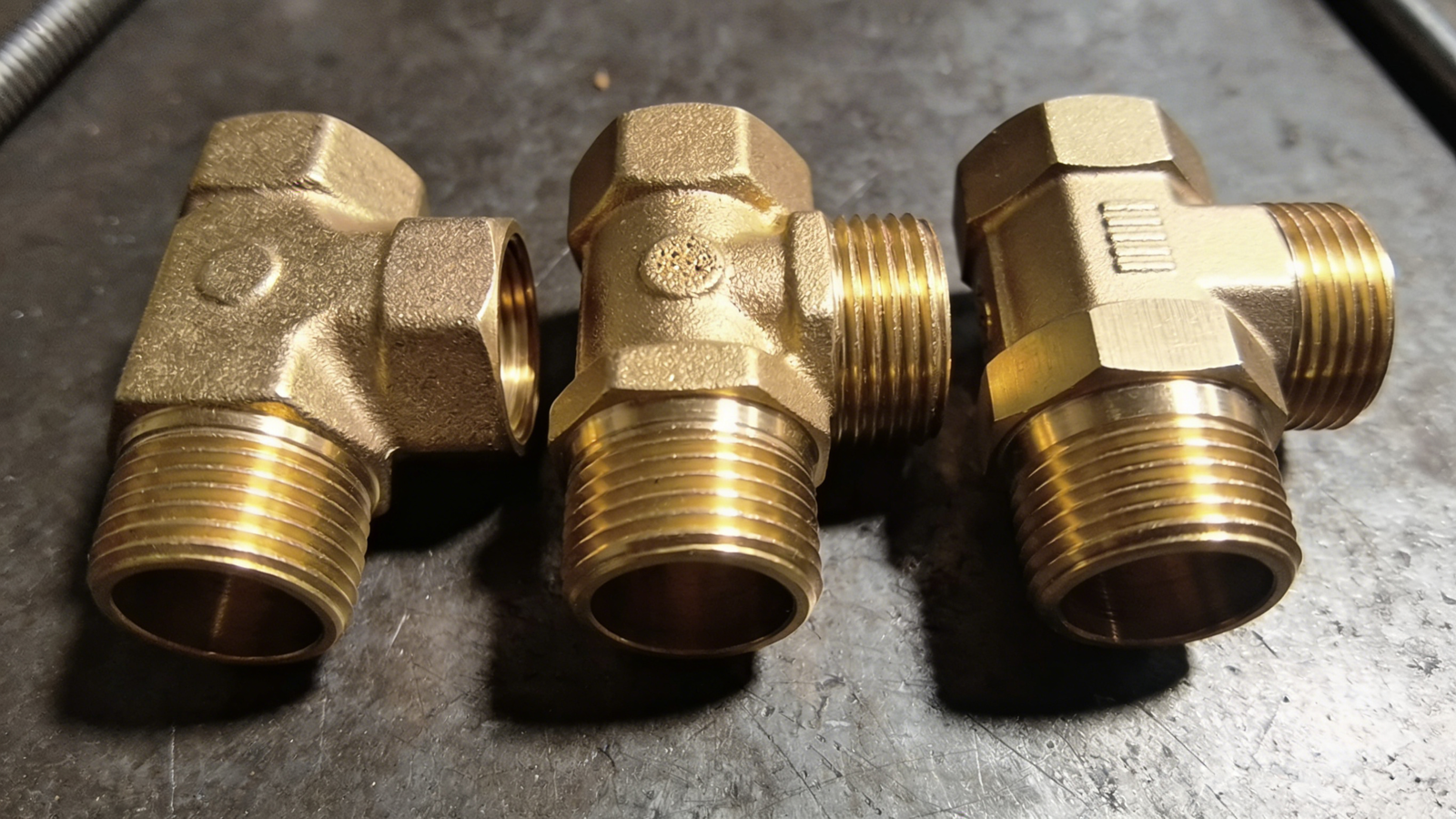
In real-world applications, standard components may not meet unique operating conditions, but combining custom production with precision engineering enables tailored performance enhancements. Xiamen Ruicheng integrates design validation and mold development to control stability risks from the earliest stage of production. This approach ensures that each component is optimized for its intended environment while maintaining consistency across large production runs.
Application alignment: Designs are adapted to match specific operational conditions.
Tooling precision: Custom molds ensure repeatable geometry and performance.
Stress management: Controlled processes reduce residual stress and distortion.
Scalable consistency: Maintains performance stability across batch production.
📊 Customization transforms stability from a variable into a controlled outcome.
What Determines the Stability of Brass Forged Valve Parts?
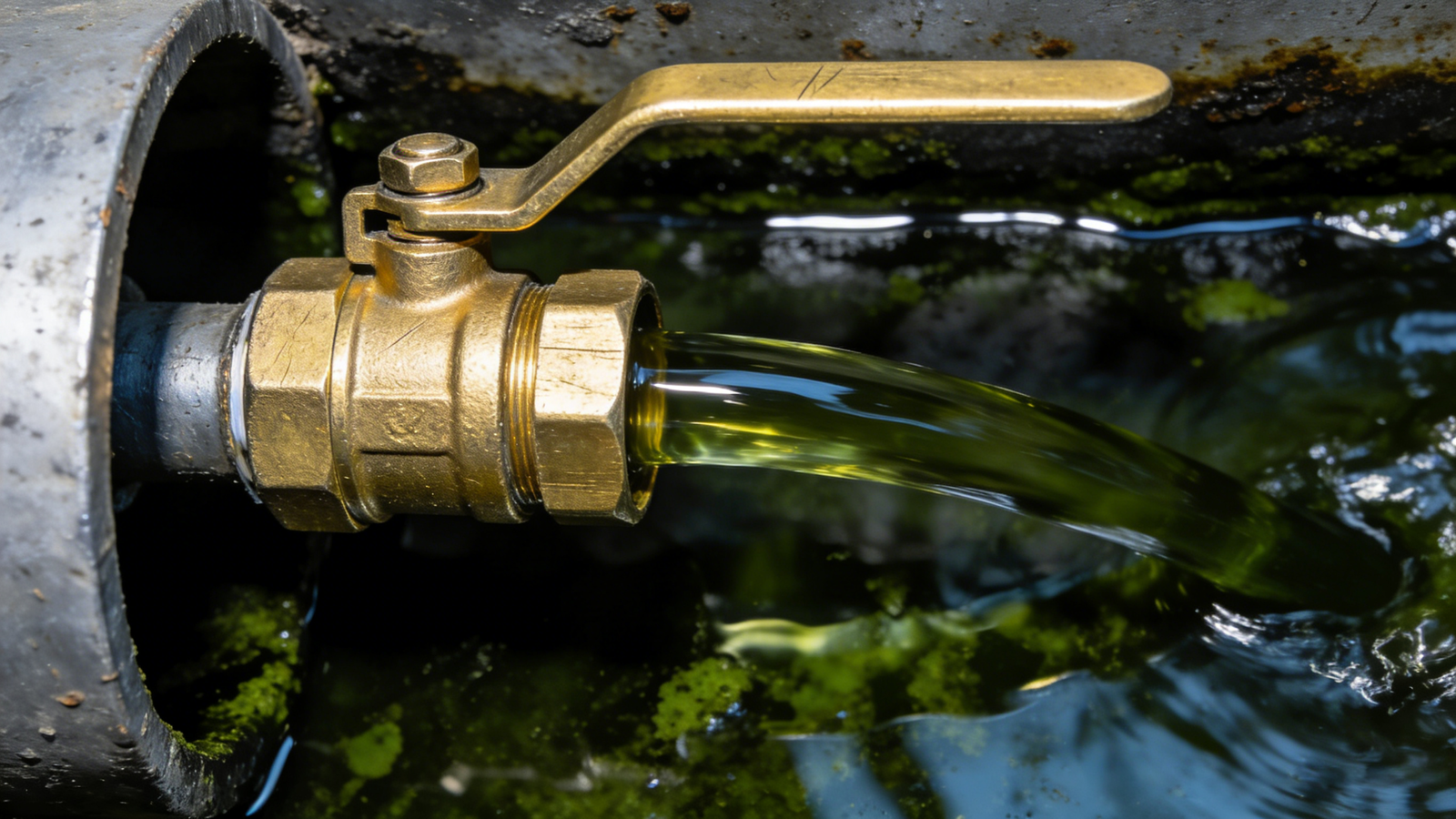
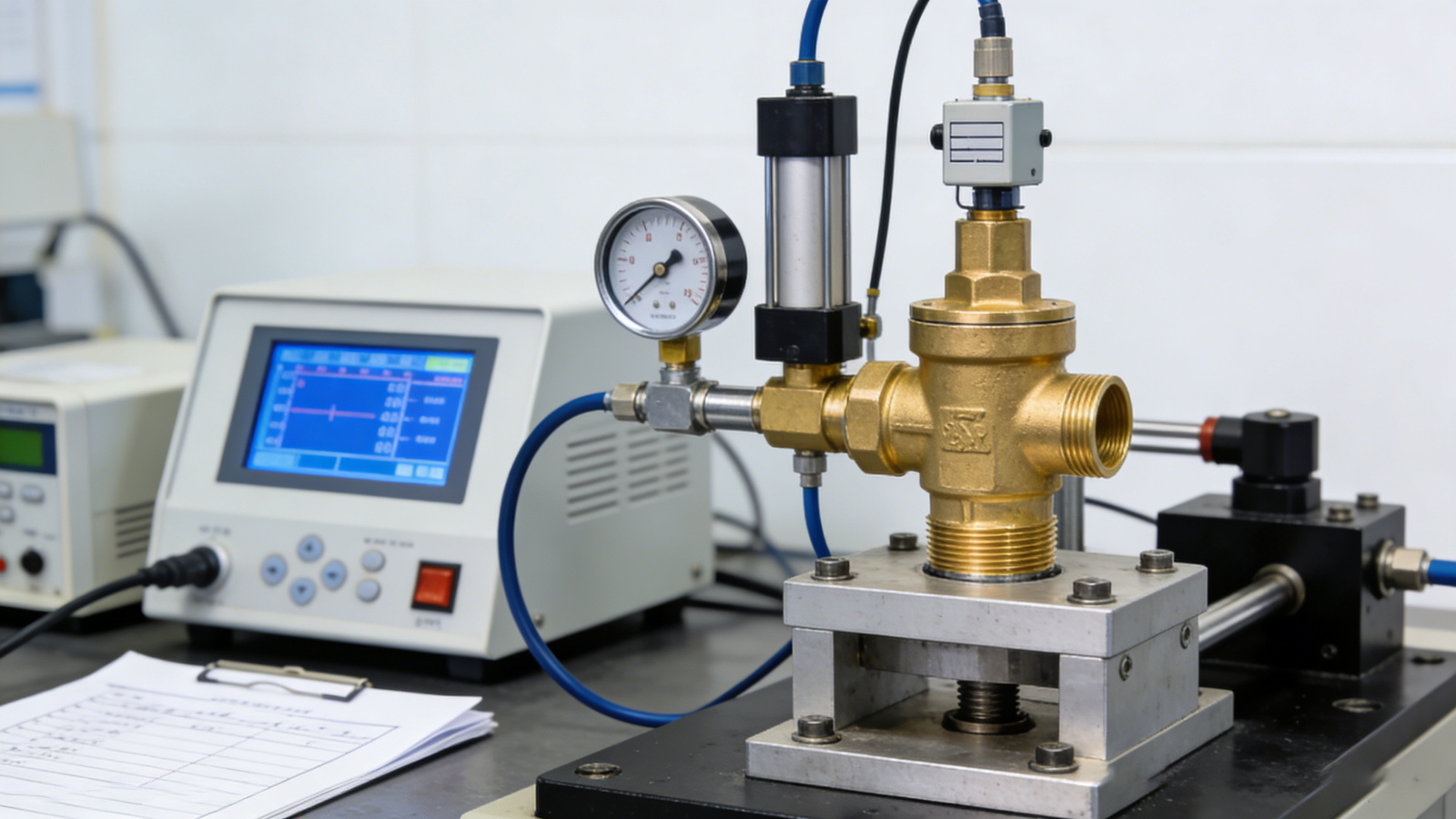
The performance of brass forged valve components depends on a combination of material characteristics and a rigorous quality assurance system, where inconsistencies in any stage can impact final reliability. Xiamen Ruicheng implements end-to-end quality monitoring, ensuring that every component meets strict performance requirements. Standardized inspection methods and controlled manufacturing environments further enhance repeatability and stability.
Material grading: Selecting the right alloy ensures optimal performance balance.
Process consistency: Controlled parameters maintain product uniformity.
Inspection protocols: Multi-level testing validates compliance and durability.
Operational factors: Environmental conditions influence long-term stability.
🛠️ Stable performance is the result of controlled variables across the entire process.
Comparative Stability Analysis of Brass Forging vs Other Manufacturing Methods
| Criteria | Brass Forging | Casting | CNC Machining | Powder Metallurgy |
|---|---|---|---|---|
| Internal Density | High | Medium | High | Low |
| Structural Strength | High | Medium | High | Medium |
| Stability Performance | Excellent | Moderate | Good | Moderate |
| Leakage Resistance | Excellent | Weak | Good | Moderate |
| Production Consistency | High | Medium | High | Medium |
| Cost Efficiency | Medium | High | Low | Medium |
| Ideal Use | Critical valves | Basic valves | Precision parts | Complex shapes |
Need help selecting the best solution for your application? Reach out now 👉 contact us
How to Select the Right Brass Forging Partner for Valve Projects
Choosing the right solution requires evaluating both product performance and supplier capability, as stability is influenced by manufacturing expertise as much as material selection. Xiamen Ruicheng offers integrated services from design consultation to final delivery, helping customers reduce risk and improve efficiency. A reliable partner ensures not only product quality but also consistency in supply and performance over time. By aligning technical requirements with production capabilities, buyers can make more confident decisions.
1.Define application needs: Identify pressure, temperature, and media conditions.
2.Assess supplier capability: Ensure integrated forging and machining expertise.
3.Prototype validation: Test samples before large-scale production.
4.Establish long-term supply: Build stable partnerships for ongoing reliability.
FAQ – Buyer Decision Guide
Question 1: What defines the stability of your brass forged valve components?
Answer: Xiamen Ruicheng ensures stability through high-quality brass alloys, precision tolerances within ±0.02mm, and comprehensive pressure and sealing tests aligned with industrial standards.
Question 2: What do we need to provide for a quotation?
Answer: Submit technical drawings, working conditions, and order quantity, and our team will respond within 12 hours with a detailed evaluation and pricing.
Question 3: How do volume and lead time relate?
Answer: Small batches typically require 5–7 days, while mass production takes 10–15 days, with cost advantages for larger orders.
Question 4: What happens if quality issues arise?
Answer: We provide a structured after-sales process, including inspection support within 7 days and corrective actions within 48 hours.
Question 5: Can you customize for specific environments?
Answer: Yes, we offer tailored solutions for high-pressure, high-temperature, and corrosive applications, with proposals delivered within 3 working days.
Conclusion
The stability of brass forged components in valve equipment is the result of a controlled combination of material selection, forging precision, and quality assurance systems. Xiamen Ruicheng supports customers with tailored solutions that ensure reliable performance across demanding applications. Selecting a capable manufacturing partner is essential to achieving consistent and long-term stability. As industrial requirements grow more complex, stability is becoming a key competitive advantage.
For expert assistance in implementing for your production needs, visit our resource center or contact us. Let’s help you scale up your manufacturing with precision and efficiency!