Introduction

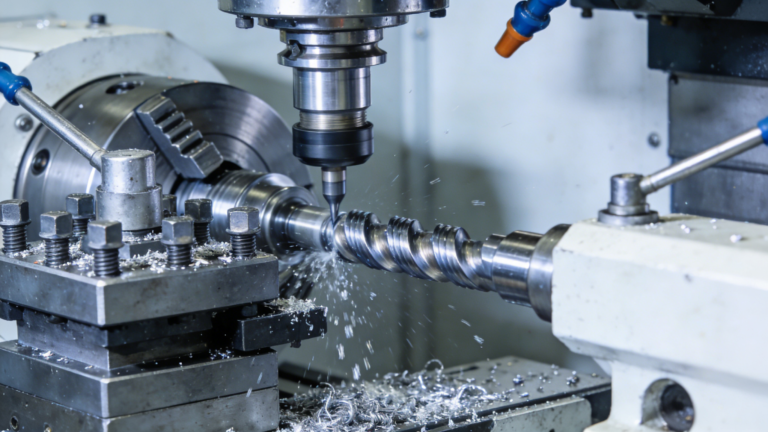
For small and medium-sized enterprises, steel cutting is often the stage where costs and delivery risks are most concentrated in metal processing, and a wrong service choice can quickly amplify material waste, rework rates, and communication overhead. What truly affects profitability is not the unit price itself, but how well the cutting solution matches the company’s order structure.
As fragmented orders and compressed lead times become the norm, more SMEs are shifting from simply “finding a processor” to “finding a long-term partner.” Steel cutting services are moving from a product display stage toward full decision-cycle support.
Why Do SMEs Often Exceed Budgets on Steel Cutting?
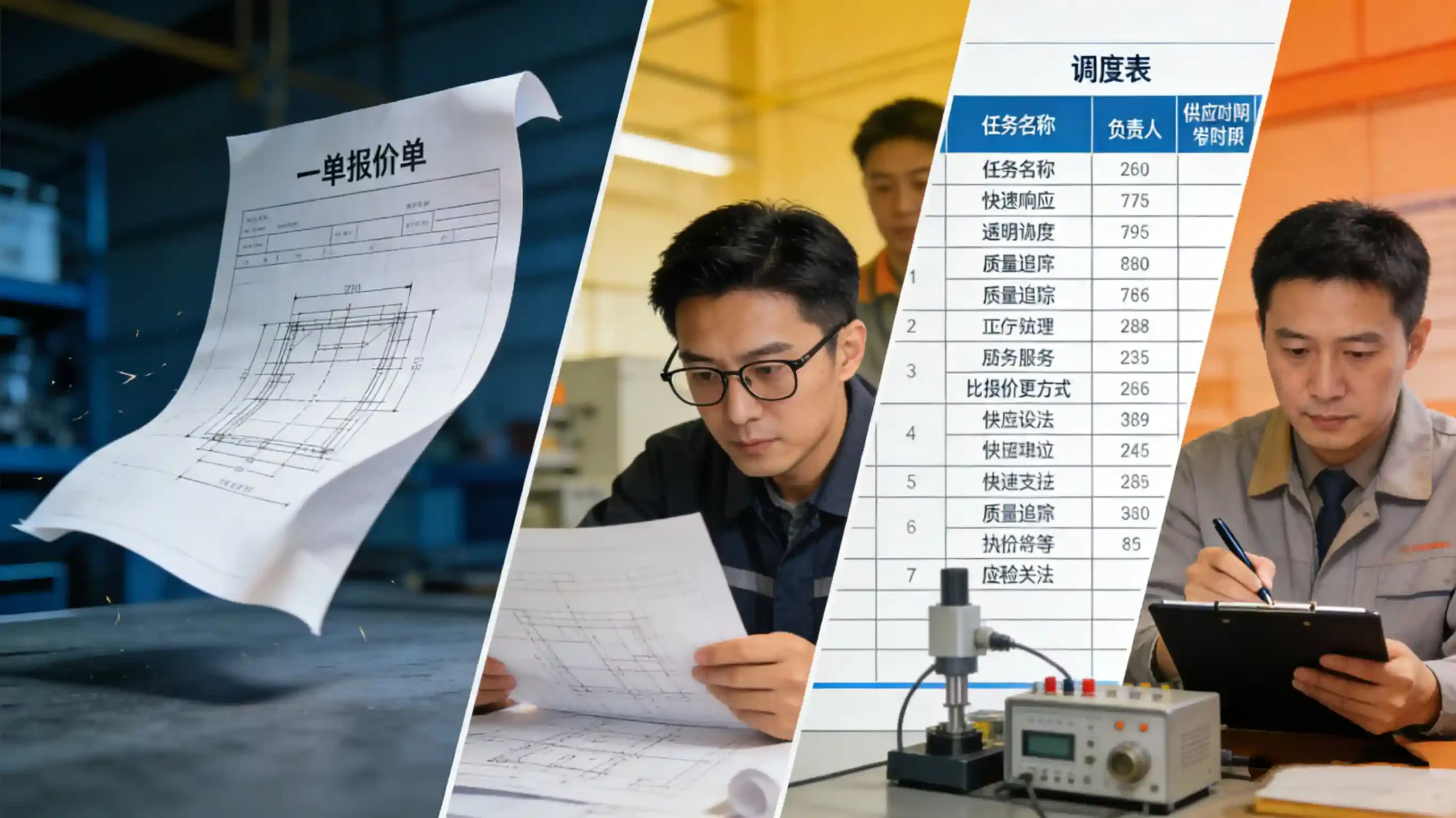
Budget overruns in steel cutting are rarely caused by high quoted prices alone, but by hidden costs embedded in waste, rework, and repeated coordination, especially under multi-batch, small-order production modes. When cutting processes do not match material characteristics, even the lowest price is offset by corrections and delivery delays. Choosing suppliers with proven experience in steel cutting [^1]and an integrated understanding of metal processing [^2]is essential to reduce these invisible costs.
Material utilization: Poor nesting and layout directly increase scrap ratios, accumulating significant losses over time.
Rework probability: Unstable cut quality affects welding or assembly, extending production cycles.
Communication cost: Repeated clarification of requirements drains management resources.
Delivery fluctuation: Lack of structured scheduling leads to missed deadlines during peak seasons.
💡 The key to controlling steel cutting budgets lies in identifying and eliminating these overlooked hidden costs.
How Should Different Cutting Processes Match Order Structures?
Order structure defines the cost-performance boundary of each cutting process, and the optimal solution differs greatly between small-batch multi-spec orders and large-volume standardized production. Understanding your own order rhythm prevents paying for “high-end configurations” that bring no real value. Rational selection among laser cutting[^3], plasma cutting[^4], and flame cutting helps balance precision and cost.
Small-batch flexibility: Laser cutting suits frequent design changes and rapid prototyping.
Thick plate capability: Plasma or flame cutting offers cost advantages for medium to thick plates.
Downstream compatibility: Cut-edge quality directly impacts subsequent processing efficiency.
Equipment stability: Mature machines and skilled operation ensure batch consistency.
🧩 The best cutting process is not the most advanced one, but the one that best fits your order structure.
Why Is Service Capability More Important Than Quoted Price?

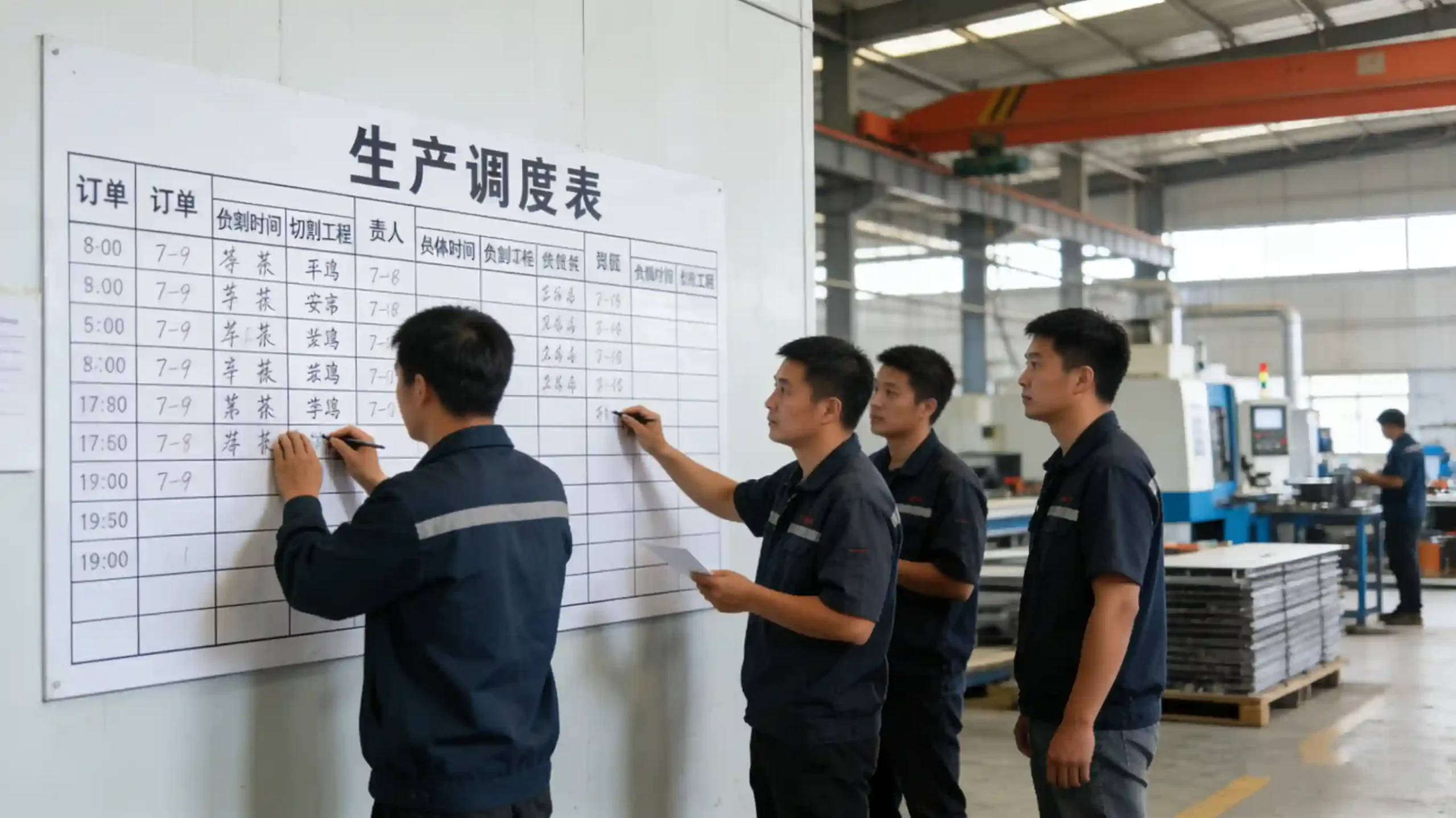
A single quotation cannot reflect a supplier’s true capability in response speed, scheduling, and risk control, yet these are exactly what SMEs depend on for operational security. Stable delivery and predictable collaboration are often more valuable than marginal price reductions. Partnering with providers like Xiamen Ruicheng that offer systematic manufacturing services[^5] helps reduce uncertainty across projects.
Response speed: Rapid drawing evaluation shortens decision-making cycles.
Scheduling transparency: Clear delivery commitments support production planning.
Quality traceability: Issues can be quickly located and resolved.
Long-term collaboration: Familiarity with products enables continuous optimization.
🚀 True cost-effectiveness comes from long-term, stable cooperation.
Key Comparison Dimensions for Steel Cutting Services for SMEs
| Comparison Dimension | Low-Cost Workshops | General Processors | Professional Providers | Xiamen Ruicheng |
|---|---|---|---|---|
| Pricing Transparency | Low | Medium | High | High |
| Cutting Stability | Unstable | Moderate | Stable | Stable |
| Small-Batch Support | Weak | Average | Strong | Strong |
| Technical Communication | Passive | Basic | Proactive | Proactive |
| Long-Term Collaboration | None | Limited | Strong | Strong |
Finding the right balance between cost, quality, and delivery depends on choosing a partner that truly understands SME needs—contact us
From One-Time Processing to Long-Term Partnership
When selecting steel cutting services, SMEs should shift from one-off transaction thinking to a long-term collaboration perspective. When suppliers participate in early-stage solution discussions, cutting becomes a cost-reduction tool rather than a cost burden. This path requires clear requirement definition, service capability validation, and continuous optimization.
1.Requirement clarification: Define material, volume, and delivery needs upfront.
2.Trial orders: Validate quality and responsiveness through small initial batches.
3.Process collaboration: Optimize nesting and process selection over repeated projects.
4.Strategic partnership: Build stable capacity and pricing expectations.
Frequently Asked Questions (FAQ)
Question 1: What are the core advantages and quality standards of your steel cutting services?
Answer: Our steel cutting services follow standardized processes and quality inspection systems, defining tolerances, edge quality, and consistency requirements. Through equipment calibration and in-process checks, we ensure reliable output aligned with SME cost and quality expectations.
Question 2: What information is required to obtain a quotation quickly?
Answer: Providing complete drawings, material specifications, thickness ranges, and estimated quantities enables fast evaluation. Once requirements are clear, we deliver quotations that include process recommendations to support faster decisions.
Question 3: How are MOQ and lead times handled for different order volumes?
Answer: We apply flexible scheduling strategies for trial, small-batch, and regular orders. Small volumes can be prioritized for quick insertion, while standard batches follow planned scheduling with negotiable lead times.
Question 4: How are quality or delivery issues managed after purchase?
Answer: We operate a structured feedback and responsibility assessment mechanism. Confirmed issues are addressed through rework or corrective actions, minimizing impact on customer production schedules.
Question 5: Do you support customized cutting or value-added services?
Answer: Yes, we provide process adjustments based on application scenarios and assist in optimizing material utilization and downstream integration, with clear timelines and cost expectations after evaluation.
Conclusion
Choosing cost-effective steel cutting services is essentially about building stability in an uncertain market environment, not merely lowering unit prices. By aligning order structures, valuing service capability, and forming long-term partnerships, SMEs can turn cutting operations from a cost center into an efficiency lever. When partners truly understand your production rhythm, metal processing consistently delivers value.
For expert assistance in implementing for your production needs, visit our resource center or contact us. Let’s help you scale up your manufacturing with precision and efficiency!
Email: marketing@chinaruicheng.com
WhatsApp: +8615980769781
Contact page: https://custommetalpro.com/contact-us/